
Olympic History
Olympic Sailing is one of the oldest sports on the modern Olympic programme. Originally known as Yachting until the Sydney 2000 Games, the sport’s Olympic history reflects the evolution of sailing itself, transitioning from a sport of wealthy individuals and grand yachts to a high-performance, athletic competition using standardised equipment.
The Early Years: From Yachts to Dinghies
The sport was first scheduled for the inaugural modern Olympics in Athens 1896, but the races were cancelled due to severe weather. Its official debut came at the Paris 1900 Games, where it featured eight classes and crowned the first-ever female Olympic medallist, Hélène de Pourtalès of Switzerland. Sailing has been a permanent Olympic fixture since the London 1908 Games.
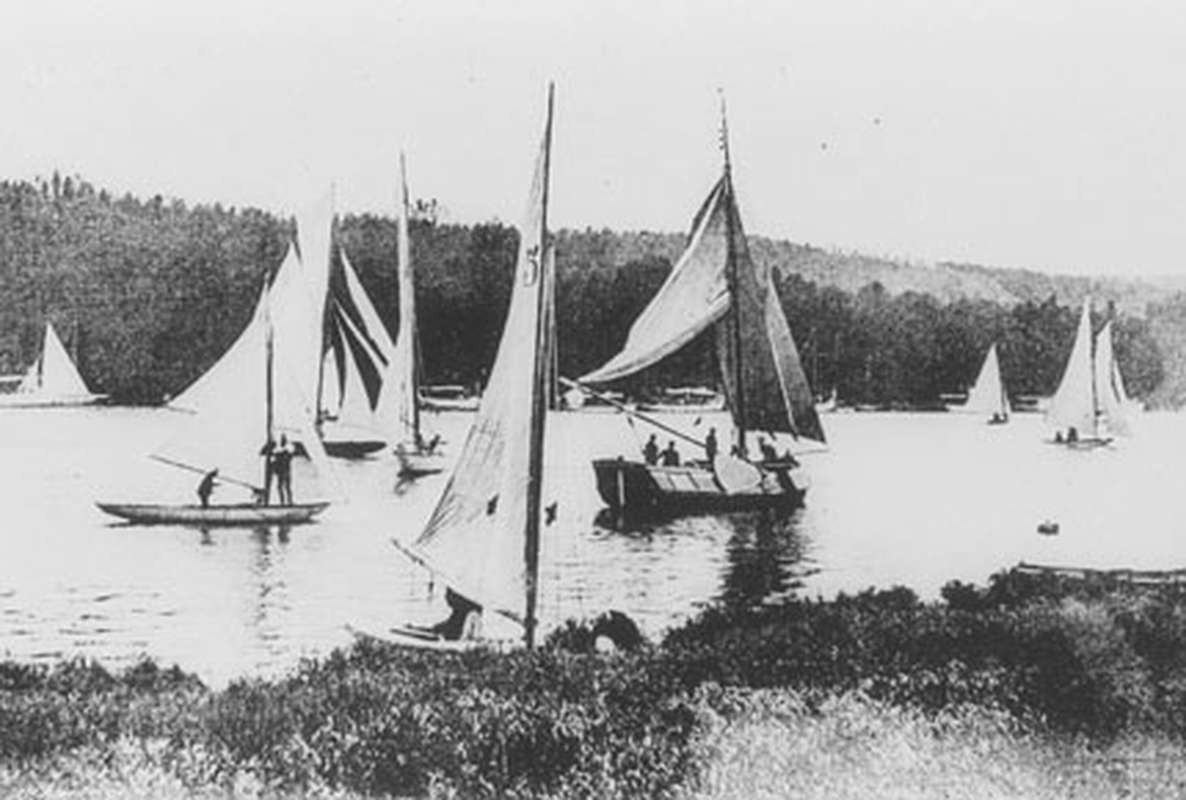
In the early decades, the competition was dominated by large keelboats known as Metre classes (e.g., 6 Metre, 12 Metre). These were expensive, often bespoke yachts based on complex measurement formulas rather than fixed designs. Crews could number up to a dozen sailors, and the events were often dominated by the wealthiest nations.

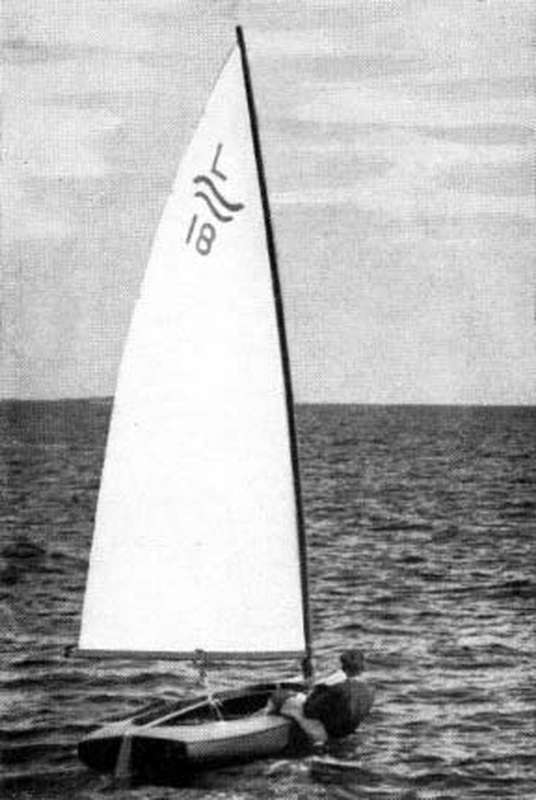
The major shift began in the 1920s and accelerated after World War II. The trend moved decisively towards "one-design" dinghies—smaller, more accessible boats where all competitors use identical equipment. This shift democratised the sport, ensuring victory depended solely on the sailor's skill, not the boat's design budget. The introduction of classes like the Finn (Helsinki 1952) and the 470 (Montreal 1976) firmly established the dominance of dinghy racing.

Gender, Technology, and Parity
The sport's rules regarding gender have also evolved significantly:
- The latter 20th and early 21st centuries have seen Olympic Sailing embrace technological advancements, moving from traditional sailing to high-speed classes:
- Boards and Skiffs: Windsurfing was added in 1984, bringing board-based sailing to the programme. The introduction of the lightweight, twin-trapeze 49er skiff in 2000 marked a major leap towards high-speed, physically-demanding sailing.
- The Foiling Revolution: The most recent fundamental change has been the adoption of foiling technology. The Nacra 17 (mixed multihull) became fully foiling for Tokyo 2020, and the new iQFOiL windsurfer and Formula Kite classes for Paris 2024 (and LA 2028) now mean that half of the Olympic sailing events are contested with boats or boards that "fly" above the water.
Global Prowess
Olympic Sailing is one of the few sports where Great Britain stands as the all-time most successful nation, having secured the highest number of gold and total medals, closely followed by the United States and France. This success has been built upon decades of investment and a culture of excellence in classes like the Finn and the 470, a tradition that continues with the current crop of high-performance classes and athletes. The Netherlands is also a rising force of recent times, becoming the most successful sailing nation at Paris 2024.