
Coutts wants teams hunting for young blood

SailGP has a bit of an age problem. As Tom ‘Mozzy’ Morris points out in his recent video for The Foil, the sailors who cut their teeth on the AC50 foiling cats during the 2017 America's Cup in Bermuda still dominate the circuit.
Look at any podium finish and you'll find the same names – Slingsby, Langford, Draper, Outteridge – all products of that generation, all approaching or past 40. Recent championship wins by 49er champs Diego Botín and Dylan Fletcher have papered over the cracks, but dig into the crew lists and the pattern holds. Fletcher's title-winning British boat relied on Iain Jensen and Luke Parkinson, two sailors who have raced every single SailGP event and were team-mates in Bermuda eight years ago.
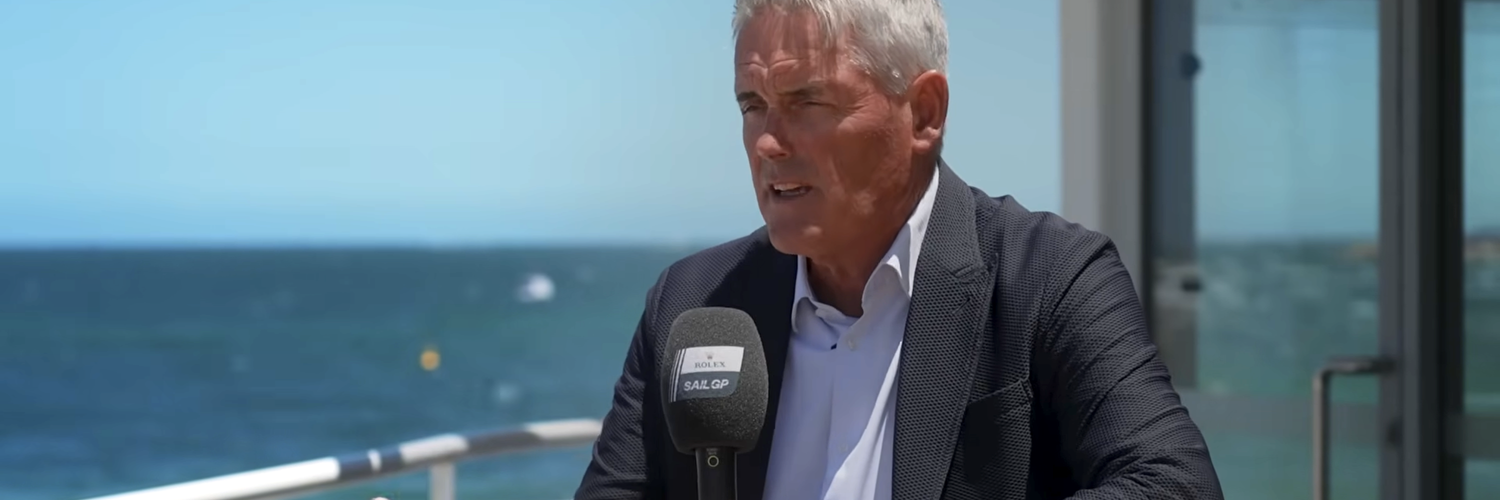
Russell Coutts sees this clearly, and his advice to team bosses is to get ahead of the curve.
“If I was running a team, I'd be looking at not only training the existing athletes, but who the future young superstars are in the sport,” the SailGP CEO says. “I'd be grabbing them early, signing them up, getting them on contract, and training them.”
It's a model borrowed from mainstream professional sport – identify talent young, develop that talent, and treat athletes as appreciating assets.
The current generation of SailGP athletes, Coutts notes, aren’t spring chickens any more. “It's pretty clear what the future is to me anyway, and it's not having 35–40-year-olds on board. There’s plenty of young talent out there that, with the right training, would be capable of stepping in and upping the game.”
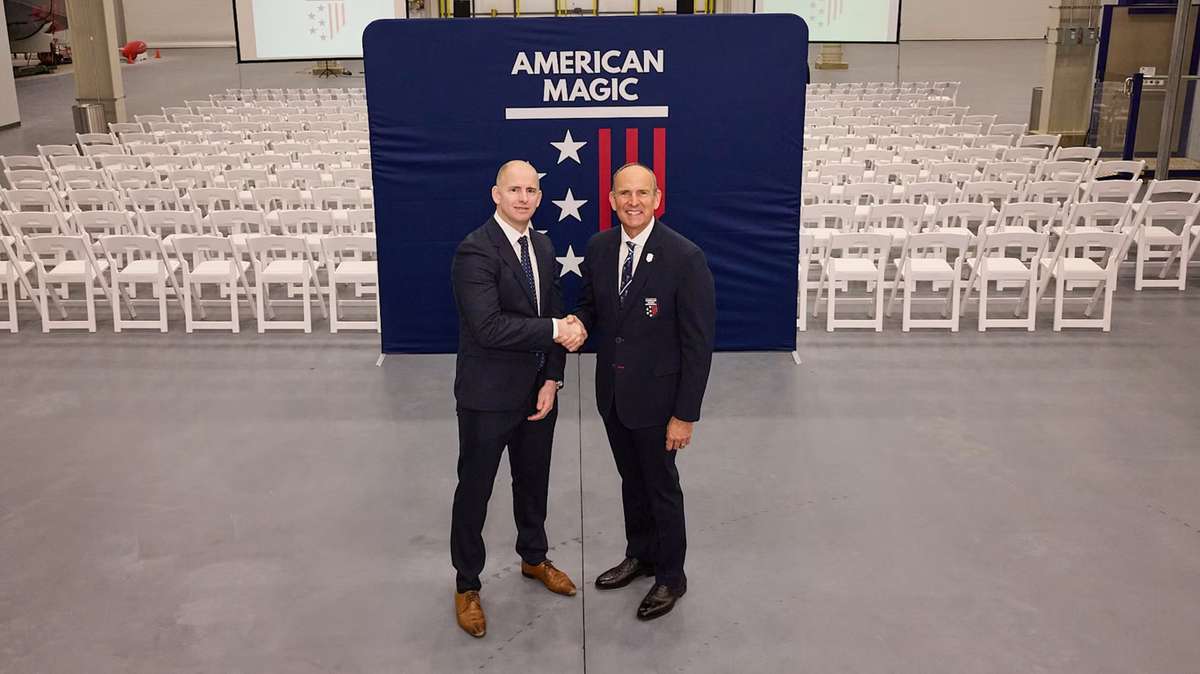
The mechanism for that training arrives in September when SailGP's first permanent training base opens in Pensacola, Florida, a partnership with American Magic that gives teams year-round access to world-class facilities and, crucially, time on the water outside of race weekends. It’s a big deal for a league where practice has always been squeezed into the margins.
As the league scales toward 20 teams, Coutts says SailGP’s goal is not just about commercial expansion, but about giving young sailors a career path that didn't exist before. “We've seen even at Olympic level that winning a gold medal for your country still often didn't lead to a break into professional sailing.”
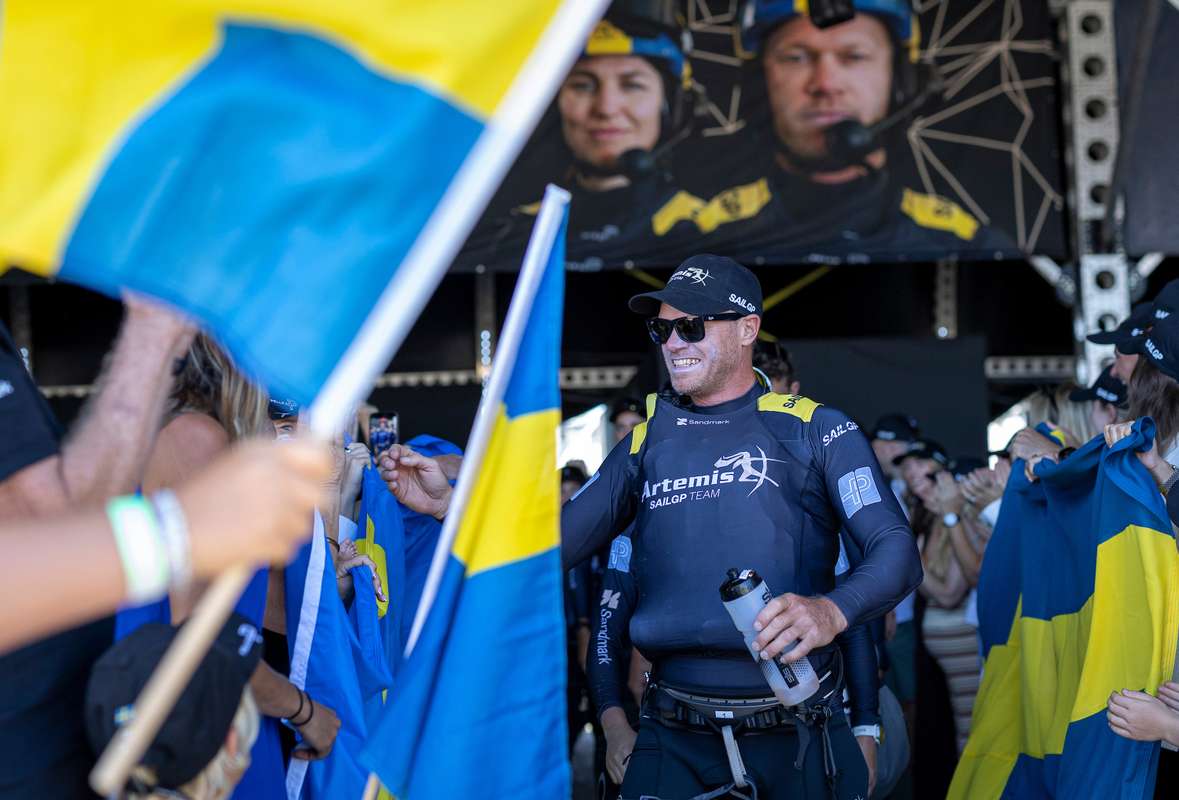
“A sailor in Sweden now has a definite team to aim for,” he says, referencing the new Artemis SailGP entry. “In the past it's been more like, ‘I hope somebody forms a team and it might last for one campaign.’ Now you've got a team that these young sailors can start to aspire to be part of, knowing it will be there.”
Yet even with more opportunities available and Pensacola on the horizon, a key question remains: how do you identify the talent worth developing in the first place?
Speaking of building new pathways in sailing… There's no Formula 2 for SailGP, no obvious feeder series that prepares sailors for the unique demands of foiling a 50-foot catamaran at 100km/h.
The Moth has produced champions – Slingsby, Fletcher, Burling – but these 11-foot dinghies now cost €80,000 to be competitive. The 49er has fed plenty of Olympic gold medallists into the circuit, but it’s not a foiling boat. Wing foiling, kite foiling, the ETF26 – all offer pieces of the puzzle, but none the complete picture.
Pensacola will give teams somewhere to train young sailors. The problem will be knowing which ones to invite.
Still, it’s a significant step in the right direction. SailGP now has infrastructure, intent, and a CEO willing to say what everyone's thinking: the old guard won't be around forever, and the smart teams are already planning for what comes next.
Topics
Articles You Might Be Interested in

Which winning style will Rio reward this weekend?
The Foil Weekly Wrap - 6 April '26
Ineos vs Athena: What happens when you make Ben Ainslie angry
WASZP Games: How a boat designed to stop young sailors quitting became an elite feeder class
The Foil Weekly Wrap - 16 March ’26
Is SailGP's format broken? The fans weigh in
Botín and Trittel join France’s America’s Cup ‘K-Challenge’
Podcast Ep. 9 - 'Worst SailGP race I've ever seen': Why Sydney's light-wind weekend split opinion