
Freddie Carr: Auckland incident will be another turning point for safety

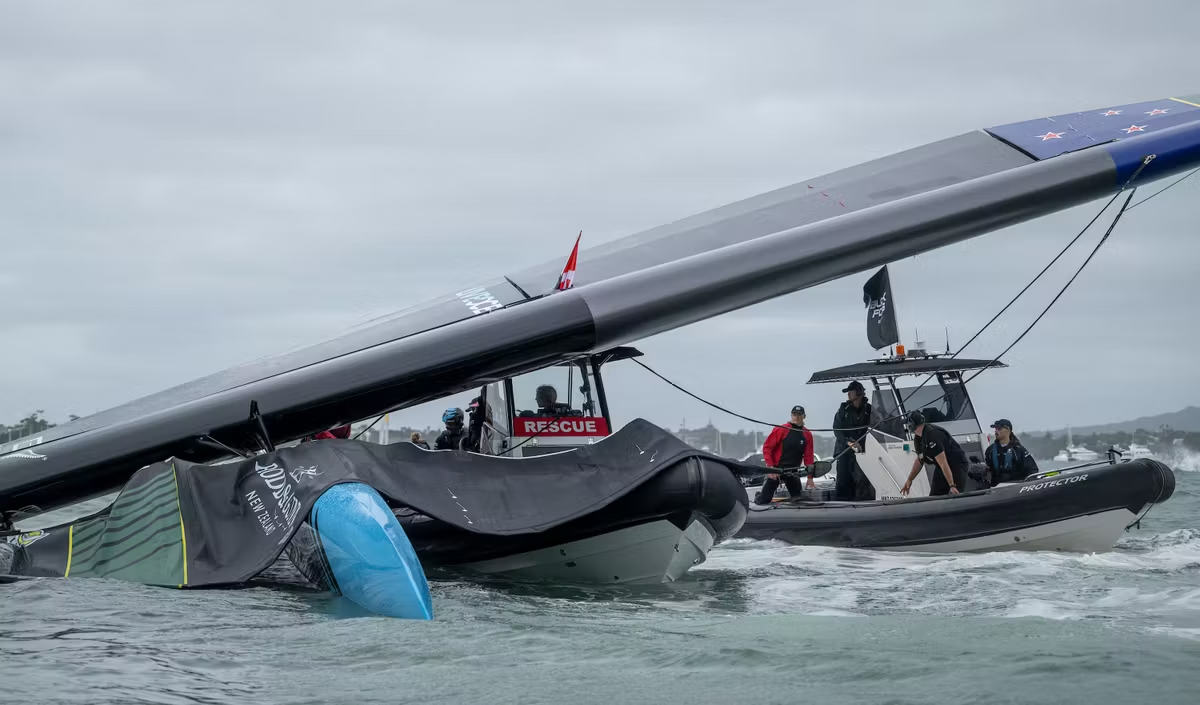
Seeing a wing lying across a broken catamaran brings back the toughest memories of the 2013 America’s Cup, when the sailing world lost Andrew Simpson in a training accident in San Francisco.
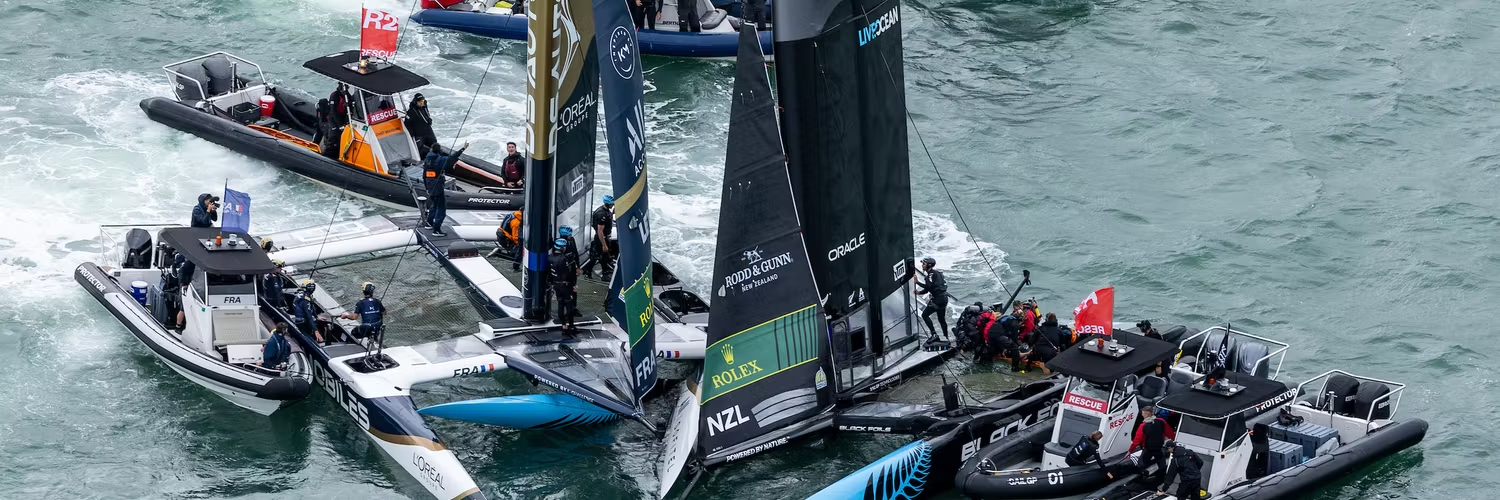
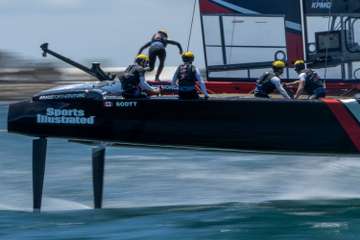
Watching the Black Foils in Auckland on Saturday in a similar state was incredibly hard to process. But 13 years on from Bart’s accident, the safety protocols that were put in place have clearly made a difference – and they undoubtedly helped get Black Foils grinder Louis Sinclair out of a very bad situation.
In the weeks after Bart’s death in San Francisco, the America’s Cup ground to a halt while the community came together to address safety in a meaningful way for the first time. We looked at what would actually make a difference in a capsize or collision – not just in theory, but in practice.
I was racing with Luna Rossa at the time. Their response to an awful situation was exceptional, especially for a team that included many young British sailors who looked up to Bart as both a role model and a mentor.
After we took time to process the loss of a friend, the next time we left the dock everything had changed: proper helmets, knives, impact vests, and spare air became standard kit.
It’s never lost on me that it took a tragedy to bring safety standards into line with the reality of high-speed, stadium racing.
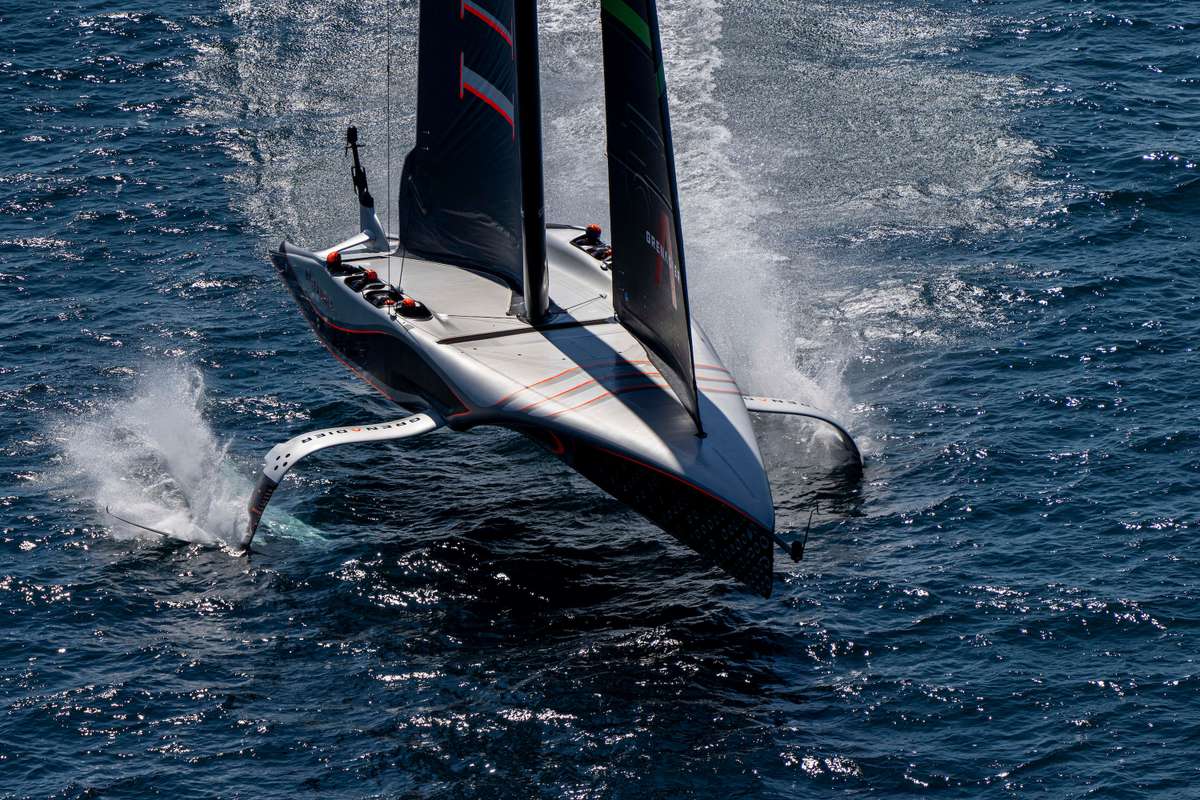
Over the following decade – through the evolution of the America’s Cup boats and the launch of SailGP – safety training became embedded in elite sailing culture. Several times a year we’d spend full days in the water running worst-case scenarios, using our personal safety equipment under stress.
At the last Cup we even had a purpose-built cyclor dunk tank replicating the carbon box we raced in. You’d sprint to max heart rate on a functioning bike, then without warning the whole unit would drop into the water with your feet still clipped into the peddles. A safety diver would hold you in place for ten seconds to simulate disorientation after a capsize.
Then you’d go to spare air, try to slow your breathing, unclip, and swim under a submerged obstruction – simulating wreckage. Nobody enjoyed those days, but they were absolutely essential.
There was no ego around it. If you didn’t meet the safety standard, you didn’t sail. Simple. People who needed more time did extra sessions quietly until they were comfortable.
Medical training evolved just as much. What used to be basic first aid became structured trauma training with paramedics – dealing with major bleeds, impact injuries, and unconscious casualties. On foiling boats, the sailors are the first responders. The decisions made in the first 60 seconds matter.
I won’t go into the specifics of Louis’ injuries after the collision in Auckland, but the response from the SailGP Safety team and his fellow sailors was first-class. That’s where all those hours in the classroom and the pool pay off.
Bart’s accident in 2013 reshaped safety culture in our sport. My suspicion is that what we saw on Saturday may become another catalyst for refinement. The boats, the speeds and the racing are very different now.
I’ve raced against Louis for the best part of a decade. He’s one of the toughest bastards I know, a serious free diver and as fit as a butcher’s dog. That physical and mental resilience undoubtedly played a huge part in how he handled the situation.
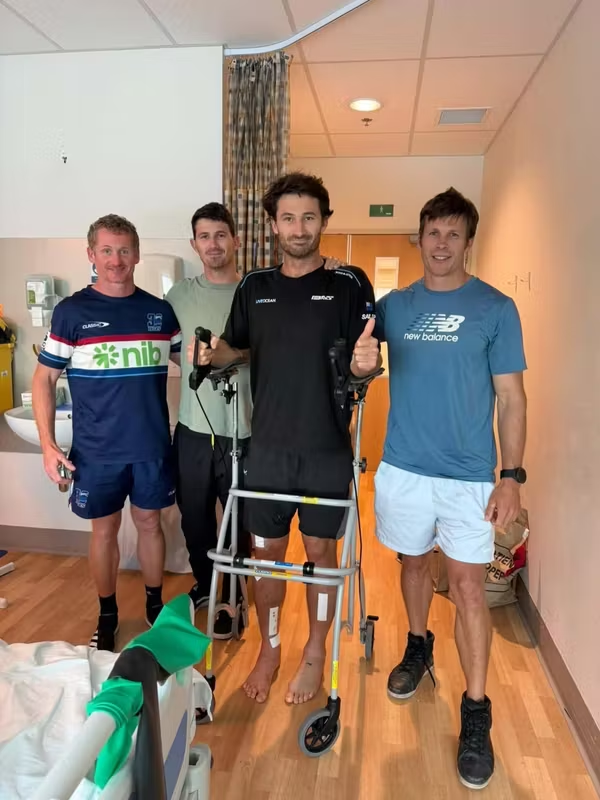
Louis is one of the good guys. Wishing him a full and speedy recovery.
Articles You Might Be Interested in
Spain’s Los Gallos head the fleet after day one in Sydney
Sydney SailGP preview: Could twilight racing around Shark Island shake things up?
Lightning threat calls off SailGP practice – again
Tom 'Mozzy' Morris: SailGP's Auckland safety review doesn't add up
'The safest is when you're pushing hard' - Billy Gooderham explains flight control
Jury verdict: Black Foils pushed too hard before Auckland crash
Podcast Ep. 8 - Sydney SailGP preview + Quentin Delapierre on safety
SailGP fixes split-fleet scoring mess