How to unite the fractured world of sailing

This morning at boot Düsseldorf, a new initiative was announced: World Sailing Day, designed to "promote all types of sailing, inspire new audiences, and strengthen the sport's future across generations and continents".
It's a noble ambition, but it’s also indicative of the sport's central problem.
“From grassroots clubs to manufacturers, marinas to mega-events” – the announcement tries to embrace the entire ecosystem in a single day. But that ecosystem is so vast, so varied, so gloriously chaotic that even defining what "sailing" means starts to feel like an impossible task.
The sport with seventy peaks
World Sailing currently recognises more than 70 international classes. And that's just the official count. Once you add national and club classes, the real number is anyone's guess.
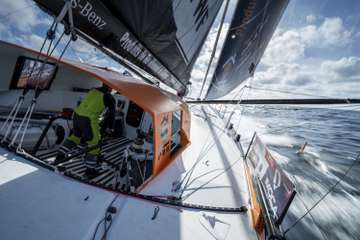
Fleet racing, match racing, offshore, stadium foiling, ocean crossings, one-design keelboats, development classes, eSailing. Each discipline has its own heroes, its own calendar, its own media bubble – if it’s covered at all! Each class crowns its own world champion.
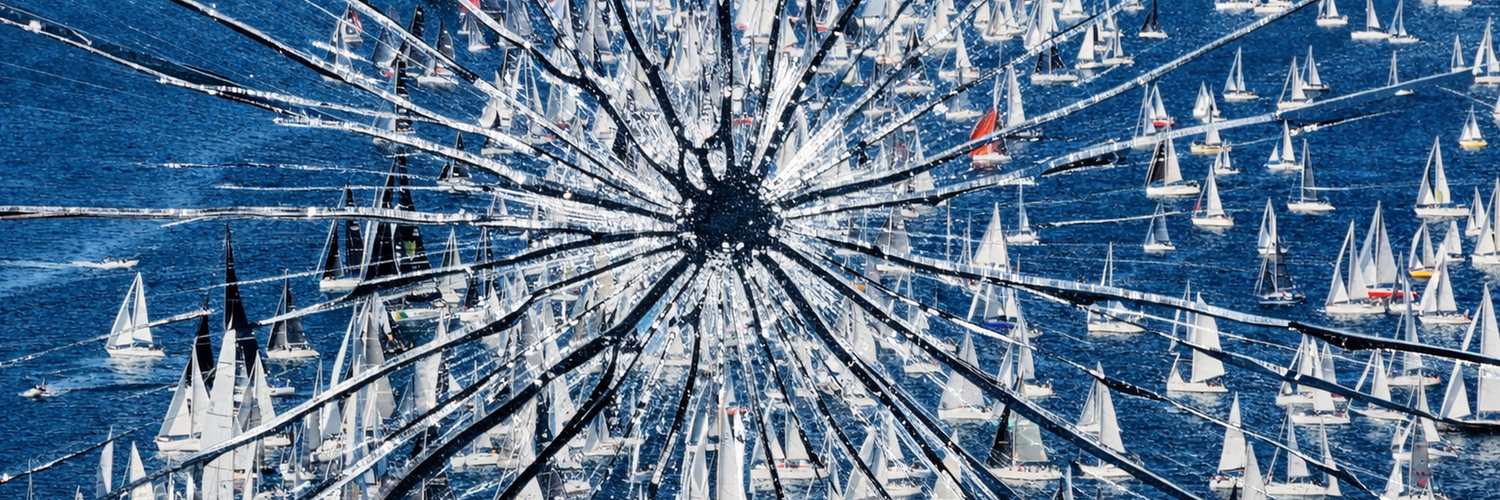
The result is a sport with many peaks but no single mountain.
This fragmentation is the product of history. Different boat designs proliferated to suit different purposes, innovations, budgets and local conditions. Over decades, sailors introduced new classes without any mechanism to retire the old ones. The landscape kept evolving and expanding.
For many, that variety is all part of the appeal. You can find your own corner of sailing – matched to your temperament, your geography, your risk tolerance. Unlike other sports, the technical demands of some classes allow athletes to compete at the highest level into their forties, fifties and beyond.
For anyone on the outside, it's bewildering. When trying to bring new fans in, where do you even begin?

The downside of diversity
Unlike Formula 1 or the NFL, sailing has no single premier league. Its top talent is scattered across parallel circuits: the Olympics, the America's Cup, SailGP, The Ocean Race, match racing tours, offshore classics, countless class championships. A world champion in the 505 dinghy might be unknown to Moth foilers. And storylines that stand out in one series don't carry over to another.
It's a question we grappled with for weeks at The Foil: how do you structure coverage of something this sprawling? What deserves attention, and what gets lost? Try to cover everything equally and it all gets lost in the noise.
For sailors, fragmentation means forging your own path. There's no obvious career ladder – no clear route from club racing to the pros. Talented athletes must pick a specialty, often early, and hope the circuit they've chosen still exists in five years. Some jump sideways between disciplines, others get stuck in a cul-de-sac. And there's no definitive ranking of "the world's best sailor" that everyone agrees on – because how do you compare an offshore veteran with an Olympic dinghy champion?
And yet, where else do you see such variety of excellence – the lightning quick reflexes of foiling, the relentless grit of offshore racing, the chess-match intensity of match racing? This variety isn't the problem… For most sailors, it's the whole point.
Waiting for the breakthrough
Formula 1 fans don't race cars. Football fans don't play at professional level. But sailing has historically relied on participant-fans – the weekend club racers who follow the pros because they understand the game. That model inherently limits the audience. To grow, sailing needs to captivate people who may never set foot on a boat.
Some have tried to build bridges. The Star Sailors League created a ranking system to compare top performers across different classes, but this hasn’t gained much traction. SailGP has invested heavily in broadcast production – augmented reality overlays, GPS tracking, drone footage – to make the invisible visible and draw in new audiences. It seems to be working: the 2024-25 season reached a dedicated broadcast audience of nearly 215 million viewers, up from 193 million the previous season.
But the holy grail remains elusive. Formula 1's explosion in popularity owes much to Netflix's Drive to Survive, which humanised drivers and dramatised rivalries for audiences who'd never watched a race. Sailing stakeholders are desperate for something similar. In 2022, the America's Cup announced a partnership with the directors of Free Solo to produce an “all-access, behind-the-scenes documentary series on the 37th edition”, but that has yet to materialise.
While SailGP's Racing on the Edge is probably the closest thing we have to a sailing TV show, we're still waiting on our Drive to Survive moment.
Finding the thread
Sailing's fragmentation is both its superpower and its burden. The sport won't be united from the top down. But it might just be connected, story by story, from the ground up.
What if we followed the people, not the boats? Sailors move between worlds – Olympic campaigns to SailGP, offshore racing to IMOCA. Follow those arcs across classes and campaigns. Surface the rivalries that persist even when the boats change.
That's what we’re trying to build at The Foil. Not comprehensive coverage of everything – that way lies madness! – but a unifying thread through the chaos. The stories that travel, the characters worth following, the context that makes sense of it all.
Plus a unified calendar you can follow in one place, year-round. Nobody’s pulled that off yet. Let’s see if we’re biting off more than we can chew…
We'd love to know what you think. Fill in our two-minute survey and help us understand what you want from sailing coverage – and what's been missing.
Survey: What’s missing in sailing media?
This is the first article in an ongoing series about the challenges facing sailing. Plenty more to discuss in future, and as always we’ll want to hear your thoughts.
Topics
Articles You Might Be Interested in

The results are in! What's missing in sailing media?
Burvill and Puttman crowned F18 World Champions
From coach boat to control room: How data and AI are redefining coaching
The Foil Weekly Wrap - 2 Feb '26
Russell Coutts wants Olympic sailing to think bigger
How SailGP decides who's right at 50 knots

AC38: 6 key questions that still need answers