Rise of the machines: Why automation is a problem

Did you know that Tom Cruise does his own movie stunts? Yes, of course you do. It’s part of the reason why his movies are such profitable blockbusters. After 30 or more years of incredible CGI effects, the Mission Impossible franchise along with the James Bond movies have made a conscious decision to go back to real stunts performed by real people. That’s because people are inspired by people.
So where do humans fit into modern sailing? How much should the human control a sailing boat, and how much should we leave to automation and unnatural sources of power?
There have been two big announcements this week: the official launch of the 38th edition of America’s Cup in Naples and the new course for the fully-crewed round-the-world adventure known as The Ocean Race. Two vastly different contests that reflect the diversity of our sport, but with some strong connecting themes.
Where's the beef?
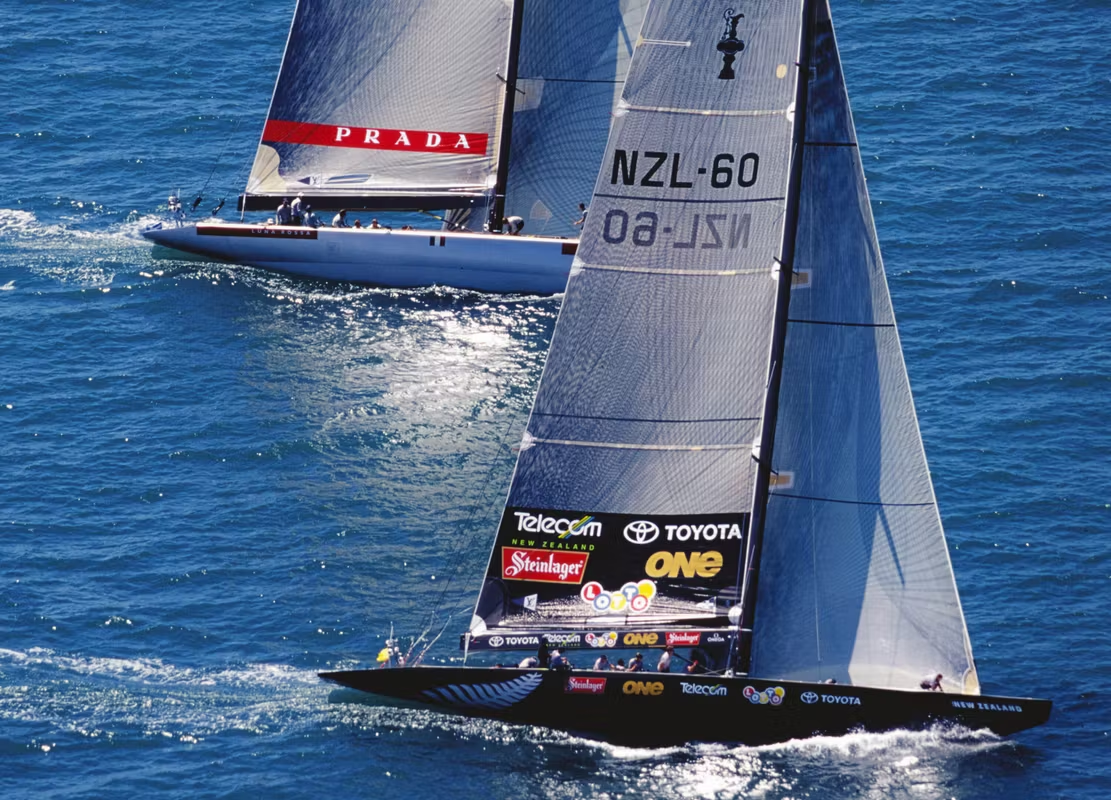
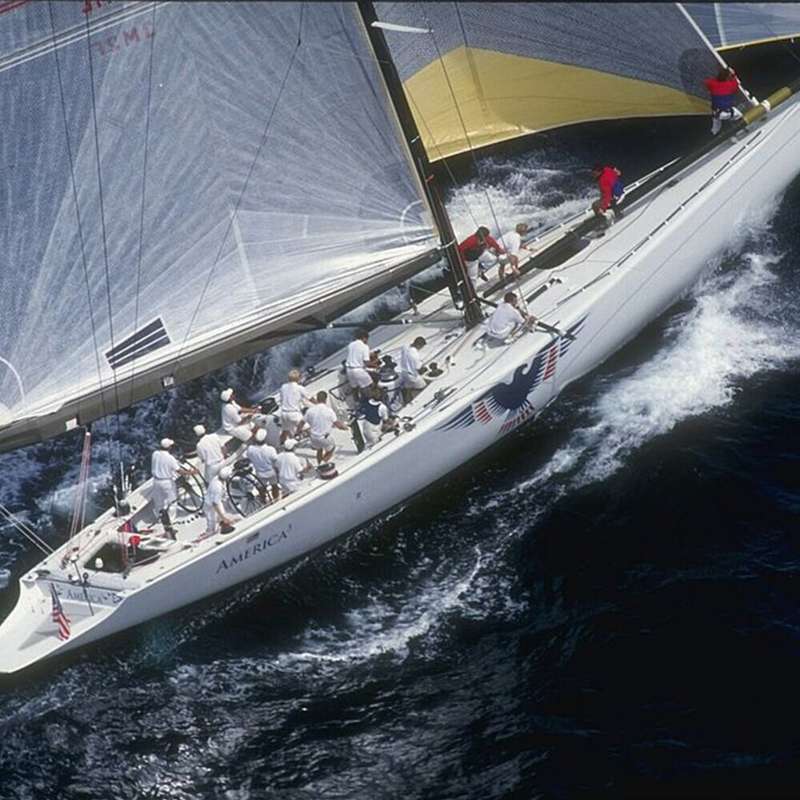
Two decades ago the America’s Cup was being contested in Version 5 IACC keelboats with 17 crew on board. Everyone on board, except perhaps the helmsman, did regular sessions building their strength in the gym; because at some point in a race even the tactician and the strategist might be expected to jump on the handles and add some heft to the grinding pedestals during a complex manoeuvre.
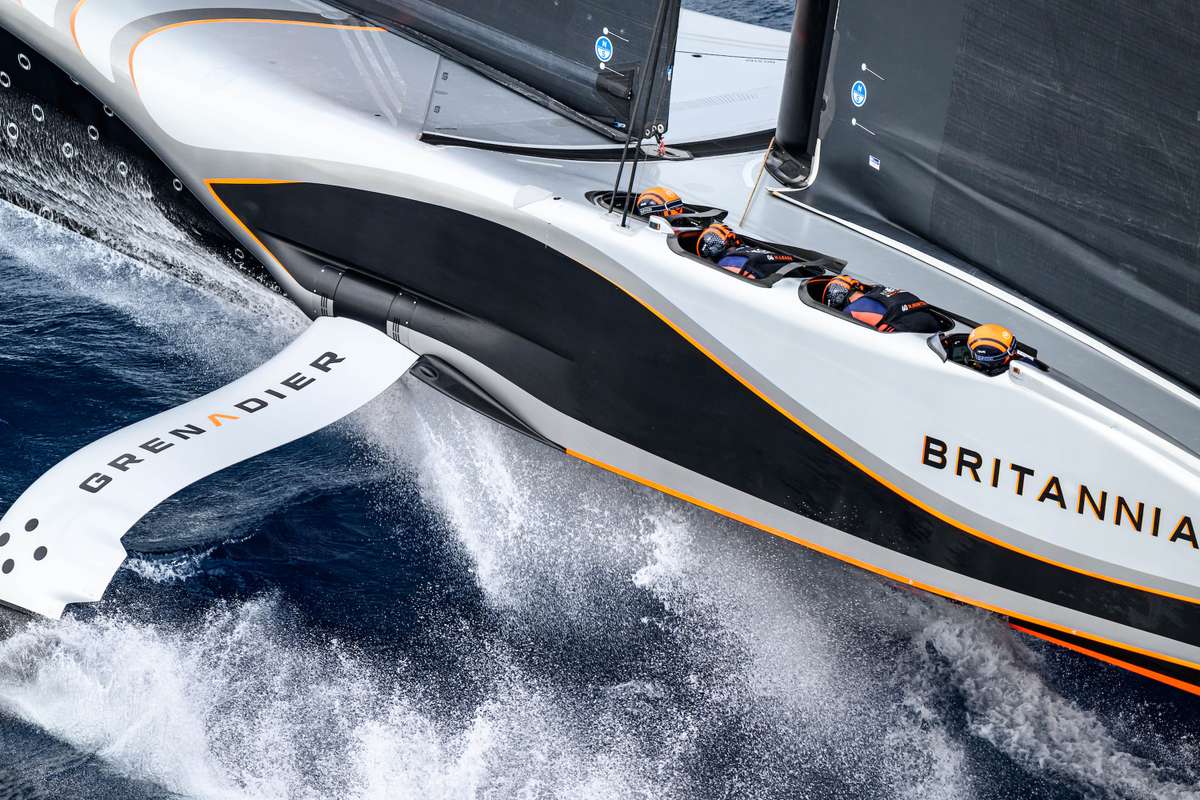
Over time the crew size has reduced down to eight for the last edition of the Cup in Barcelona 2024, four of those being uber-fit cyclors. Now, with battery power substituting for the athletes, there will be just five sailors on board an AC75 for Naples 2027. None of them will be required to have much physical strength or cardiovascular fitness for the sitting down jobs on a modern AC75. The two trimmers might not even have to be that good at trimming the sails, but I’ll let my colleague at The Foil, Freddie Carr, elaborate on that another time.
When another of my colleagues, Bene Donovan, asked Sir Ben Ainslie at this week’s America’s Cup launch in Naples if he’d be co-helming the GB1 AC75 alongside the freshly announced helmsman Dylan Fletcher, Sir Ben quipped that Dylan is performing so well at the moment that, “we decided he could sail the boat on his own." Of course, Sir Ben was using the joke to deflect from the big question as to whether he’ll ever be steering an America’s Cup boat again.
Robot wars?
But take the trend of the past 20 years to its logical conclusion and sometime in the future perhaps the next generation of Dylan Fletchers will indeed be steering the boat by themselves. Or, in this ever-evolving world of AI and automation, why have any humans on board at all when a robot can probably steer the boat more accurately? Future editions of the Cup sponsored by Tesla or BYD, perhaps?
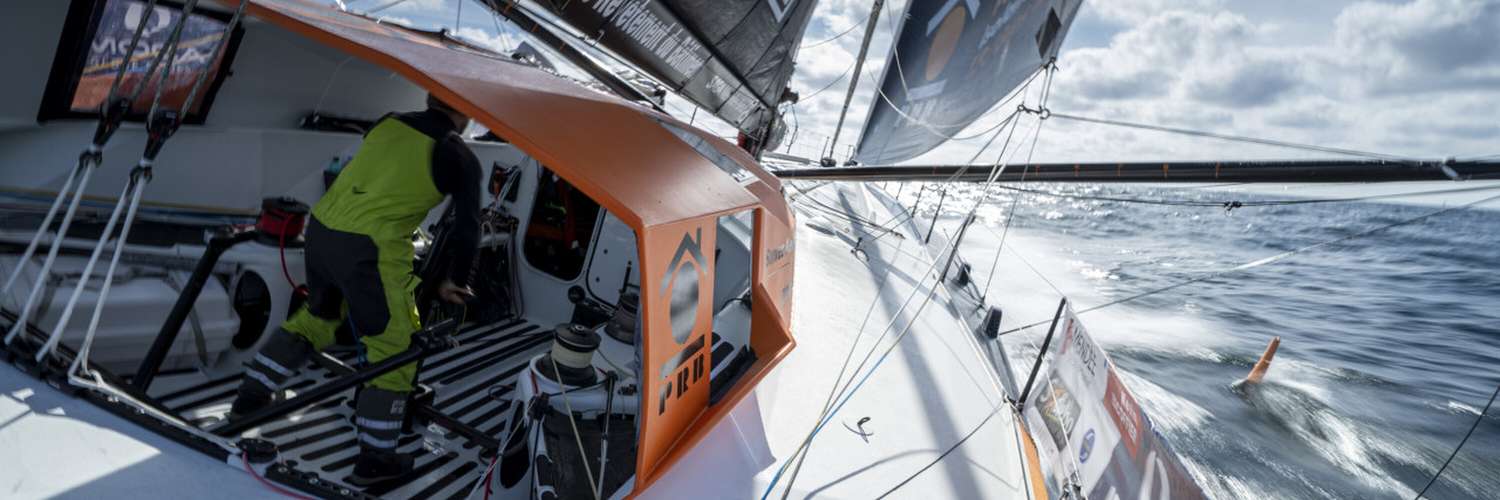
Of course in the offshore world robots have already been steering keelboats and multihulls more accurately for many years. We call these robots ‘autopilots’. Without an autopilot there would be no Vendée Globe, no solo circumnavigations on board 32m Ultim foiling trimarans. The autopilot is a necessary piece of equipment without which these events couldn’t exist.
But what about The Ocean Race? This is the race that started out as the Whitbread Round the World Race in 1973 before morphing into the Volvo Ocean Race and now to its current title of The Ocean Race. Like the America’s Cup, crew sizes have reduced from being in the teens down to just four on a modern IMOCA.
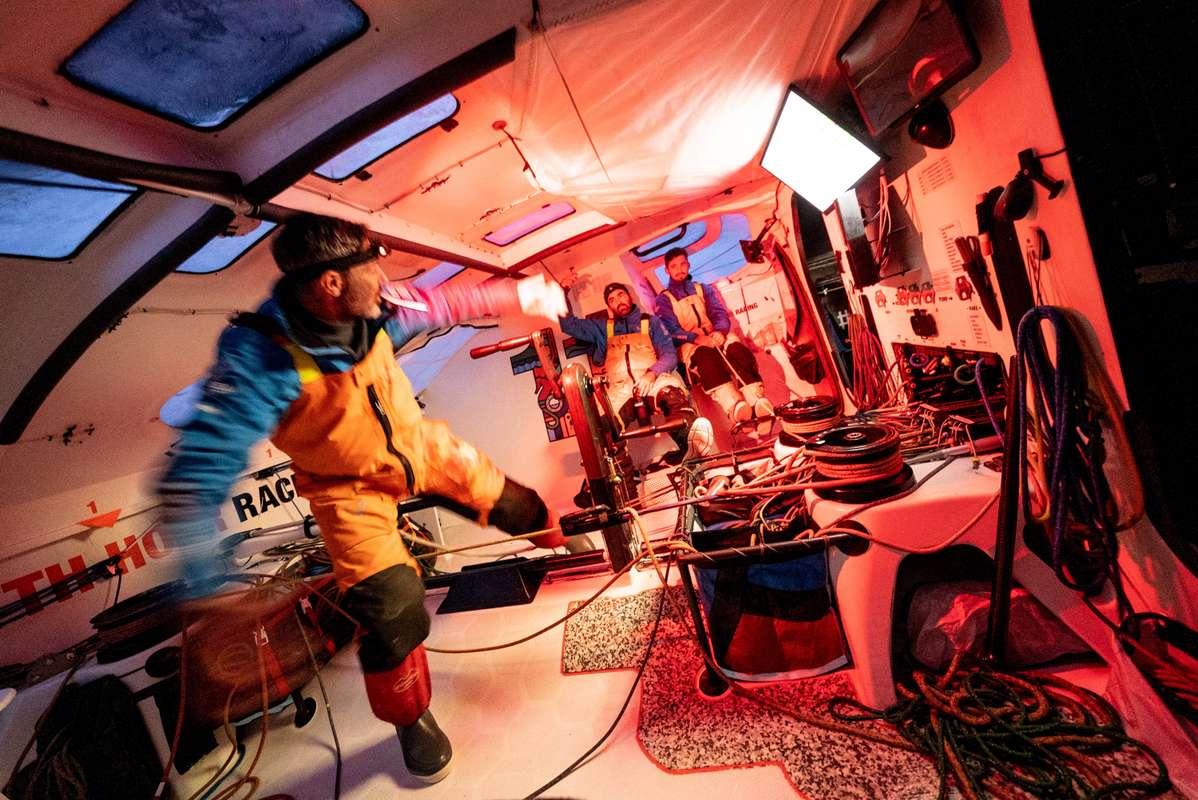
When I worked on the last edition of The Ocean Race in 2023 I asked one of the sailors how much the autopilot would be employed to steer the IMOCA during the course of the race and he said at least 99.5 per cent of the time. He pointed out that there’s still a lot of skill in fine-tuning parameters that go into trimming the many autopilot controls. Not so different to the flight controller role on a SailGP F50 catamaran, but not exactly what we consider to be steering the boat in a traditional sense.
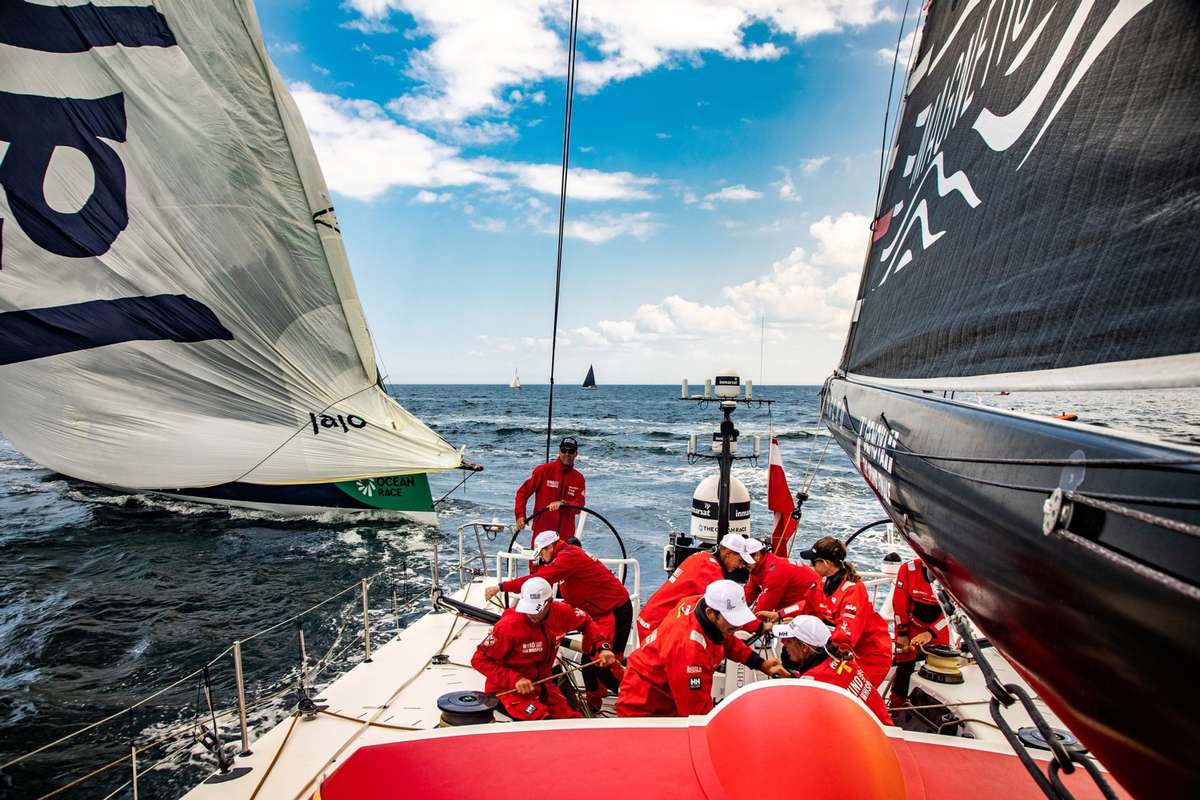
Taking place as the supporting act to the main around-the-world race with the IMOCAs was The Ocean Race VO65 Sprint, with teams using the one-design 65-foot canting keelboats for one last hurrah before these one-designs were put out to pasture.
Pipe down, Grandad
Winning skipper on the WindWhisper Racing Team was offshore veteran from Spain, Pablo Arrarte. At the prizegiving in Genoa back in 2023 I asked him what he would miss and what he would most look forward to if he decided to come back and compete next time in an IMOCA. “I’ve never sailed an IMOCA and obviously it’s a very different machine, so I’m not sure how I’m going to feel inside the boat.
“One thing I would miss very much is steering the boat. It’s one important thing that we have on the 65. Also, to feel the wind and the waves, this is normal to us. So I think when you are inside the boat, you have to develop another sense to be able to sail and train on the boat. So yeah, I’m not 100 per cent sure [about competing again] until I sail the boat.”
While the IMOCA has gone a long way to addressing the problem of finding enough teams and boats to put on the start line of The Ocean Race, would it not make sense at least to insist on having the boat hand-steered and to ban the use of the autopilot? When I ask this question I get the proverbial pat on the head as grandpa is told to get back in his gas-lift tilting armchair and go back to watching daytime TV.
Horse, bolted
Maybe there are real technical reasons why it would be impossible for a four-person crew to hand steer a modern IMOCA. Maybe that horse has already bolted. But if they were to design a boat for a future edition of The Ocean Race, which would inspire you more? A boat steered by people, or steered by a robot?
When I was having a discussion recently with a friend who’s deeply embedded in the IMOCA scene, he threw a quote at me from Canadian prime minister Mark Carney. It was from his speech to the ‘great and the good’ who were gathered at the World Economic Forum in Davos, Switzerland.
“The old order is not coming back. We should not mourn it,” said prime minister Carney. “Nostalgia is not a strategy.” In the case of world economic affairs I think Carney is right. But looking backwards at a time when sailing boats were sailed only by humans, and powered only by the wind, is not nostalgia. It’s about thinking carefully about what defines our sport. Not all technological progress should be blindly welcomed as progress for sailing.
Articles You Might Be Interested in
The results are in! What's missing in sailing media?
From coach boat to control room: How data and AI are redefining coaching
The Foil Weekly Wrap - 2 Feb '26
Russell Coutts wants Olympic sailing to think bigger
Iain ‘Goobs’ Jensen joins ETNZ
How to unite the fractured world of sailing
How SailGP decides who's right at 50 knots
Where America’s Cup careers will be made