SailGP's F50 super licence is here – but can the infrastructure keep up?

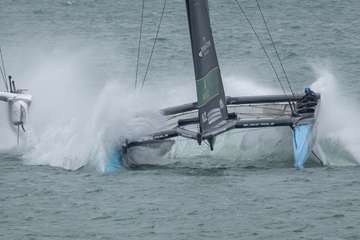
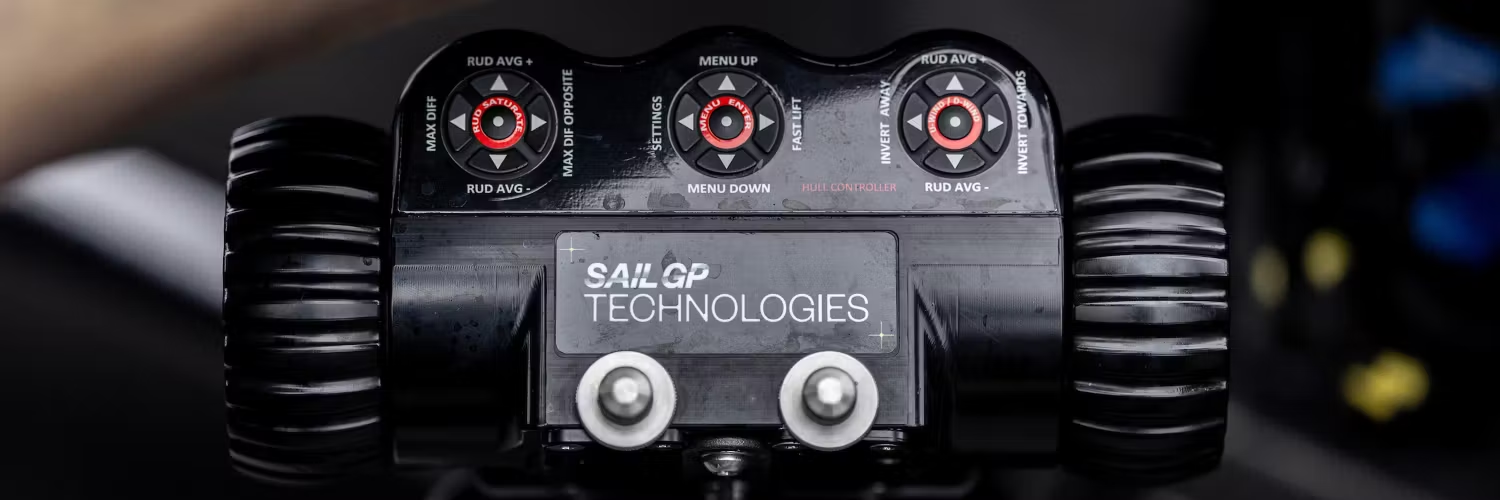
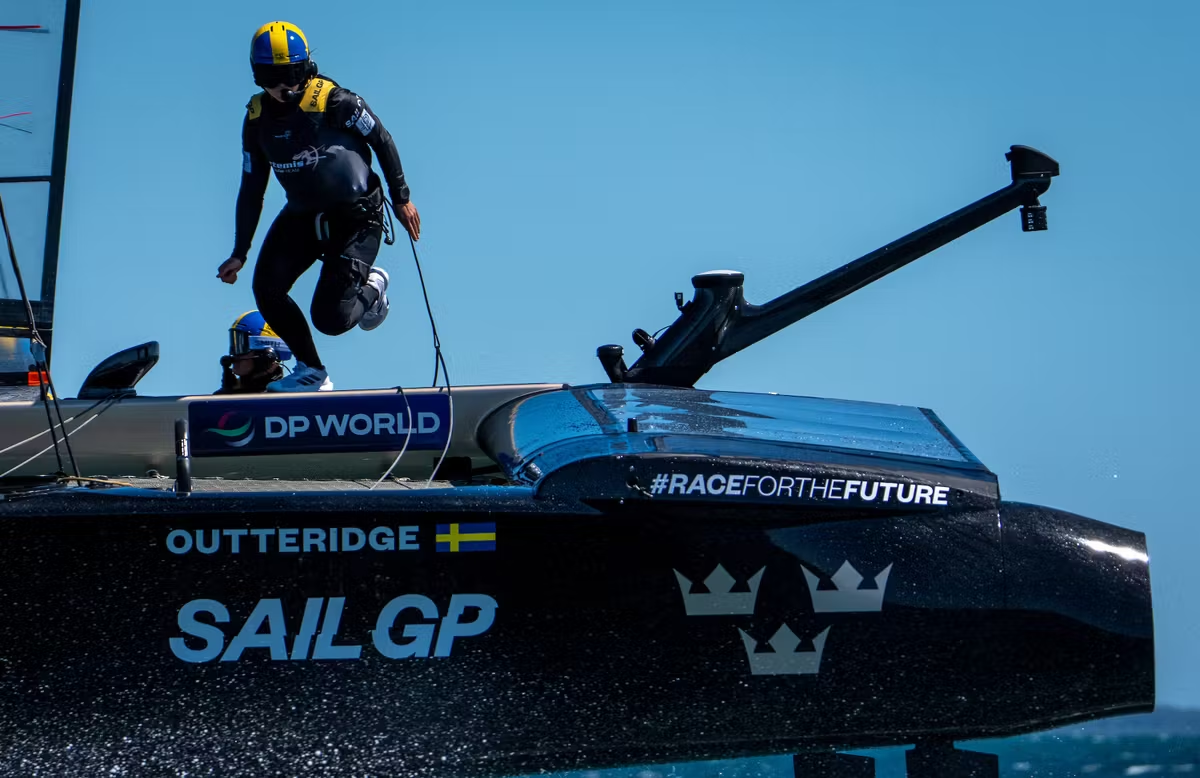
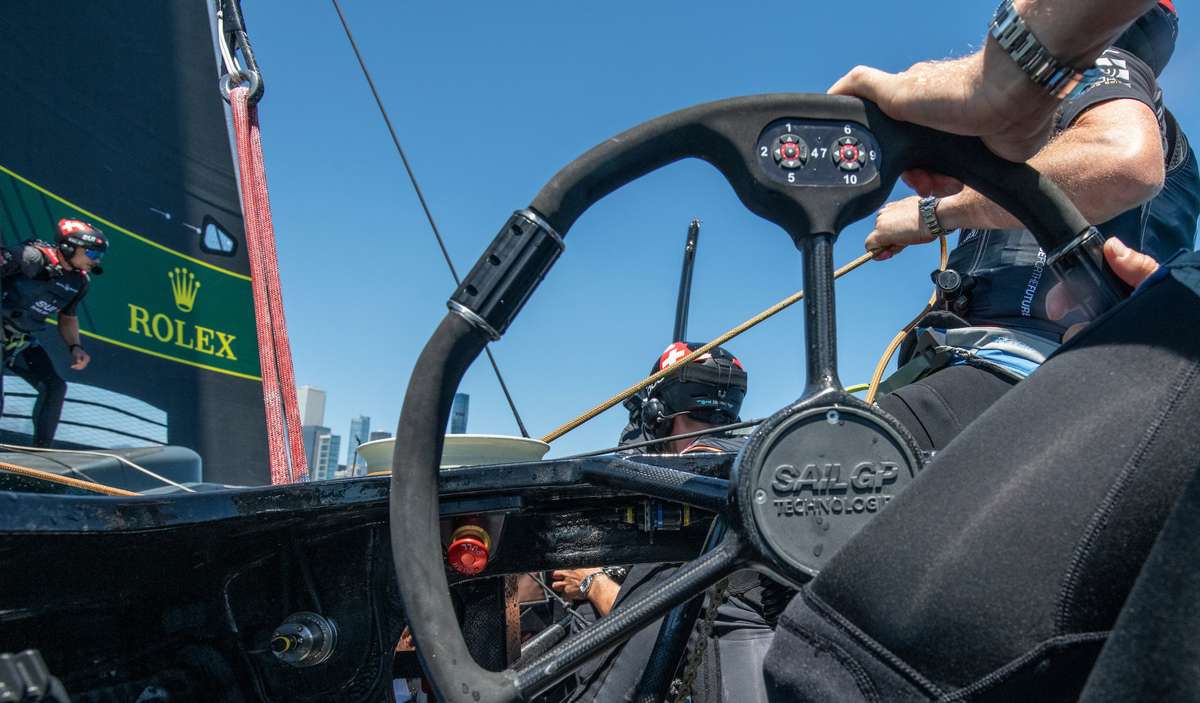
For the first time in SailGP's seven-year history, there's a formal system to ensure everyone who steps onto an F50 is fully prepared to handle it. The F50 super licence is now mandatory for anyone who wants to train or race on these 50-knot foiling catamarans – and it covers every role on board, from driver to grinder.
The structure mirrors what motorsport fans will recognise from Formula One's super licence system: proof that you're cleared to operate extreme machinery, backed by measurable requirements and a discipline mechanism that carries real consequences. And given that these 50-knot foiling catamarans are about as far removed from a regular sailing boat as an F1 car is from whatever you drove to work this morning, it feels overdue.
How the system works
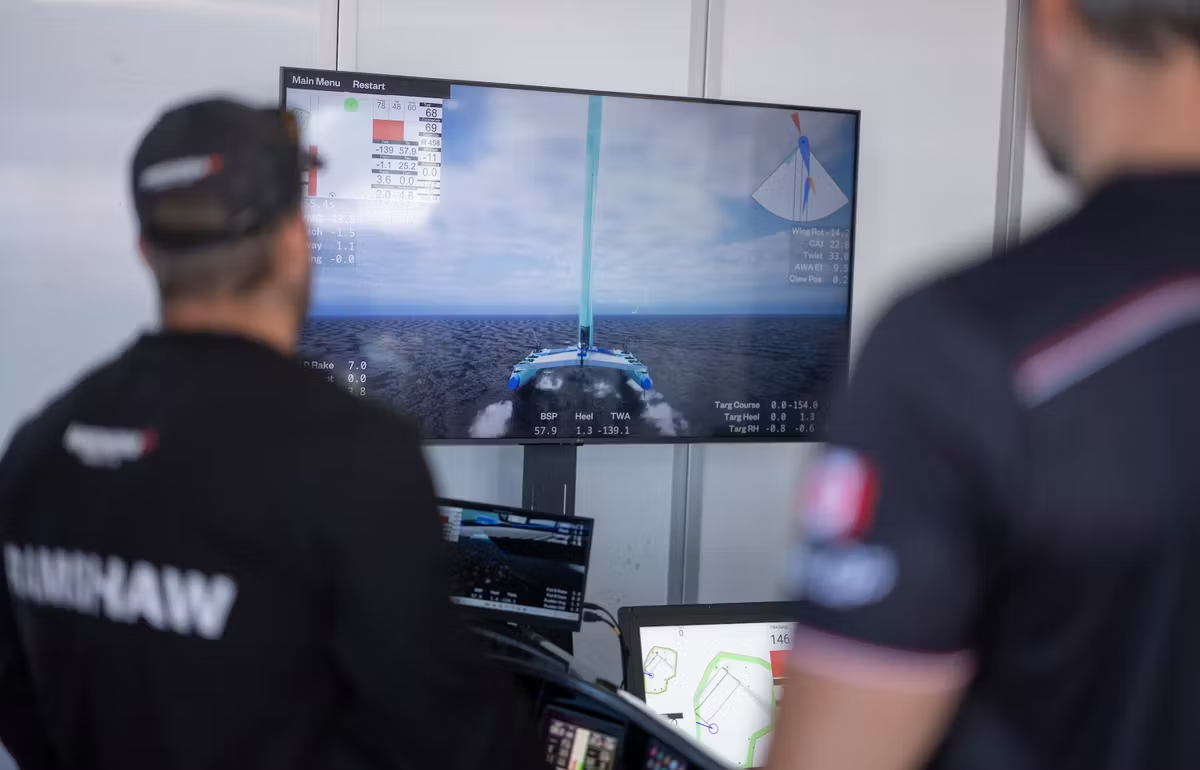
There are two tiers. A Provisional licence gets you in the door – athletes must pass knowledge and rules exams, complete safety training and medical screening, and log time in both the simulator and on the water. Provisional holders can race, but only under supervision of experienced Full licence holders.
To graduate, drivers need five hours of simulator work and 15 hours of sailing time including sessions in 14-plus knots. Wing trimmers and flight controllers face similar thresholds. Not all hours count equally either: fleet racing and practice racing carry more weight than standard training, because nothing replicates the intensity of boats converging at 50 knots.
Shrinking talent pool
So why now? “The league recognises that it's really challenging to get new people experience as the league expands to more teams,” US SailGP Team CEO Mike Buckley told The Foil in Perth. “The amount of people in the world that have experience sailing in F50s goes down, and that pool is smaller and smaller. I think it's the league's way to keep tabs on making sure people are up to safety protocols, getting the proper simulator training, and just kind of keeping track.”
Pete Burling sees it as a watershed moment. “It's a really cool sign of maturity that there's now a way you can get into SailGP in terms of the key roles, and a way they can hold people accountable,” the Black Foils driver told The Foil ahead of the Auckland Grand Prix. “Both in terms of an actual exam to make sure you understand the league and the processes well enough, and that you've done enough sim time and hours on board with other experienced people.”
Three points and counting
But Burling has earned a dubious distinction. The two-time America's Cup winner is now the first SailGP athlete to receive demerit points under the new system – three points for being deemed at fault in causing serious damage during that controversial collision with Switzerland in Perth.
Infractions ranging from boundary breaches to dangerous manoeuvres carry points. Accumulate enough and you're suspended. Teams have cumulative limits too. “I seem to have gotten the honour of being the first driver to end up with demerit points on my licence,” Burling said. “I'm not actually sure how many demerit points I can get in a season. Probably should work that out at some stage.”
Well, we checked, Pete. It's 15.
Whether that 15-point threshold feels harsh or lenient probably depends on where you draw the line between racing hard and racing recklessly.
Burling's already 20% of the way there – and we don't yet know whether last weekend's collision in Auckland has added to the tally. Points remain on your record for a full year before expiring, so five incidents like Perth in a season and your licence is revoked. But how long a 'sailing ban' could last, and how you'd get your licence back, isn't clear.
Minutes, not hours
The biggest obstacle remains time in the boat. Practice is scarce throughout the season, with only a handful of hours allocated at events outside of racing itself – and most teams already lost one of their 14 allocated practice days in Auckland due to storm threats. Buckley is honest about the tradeoff teams face when developing new talent: “You're balancing short-term and long-term, and it's a tricky decision of when you're going to give your new people hours – or minutes, in [Harry Melge’s] case – to go get their provisional licence.”
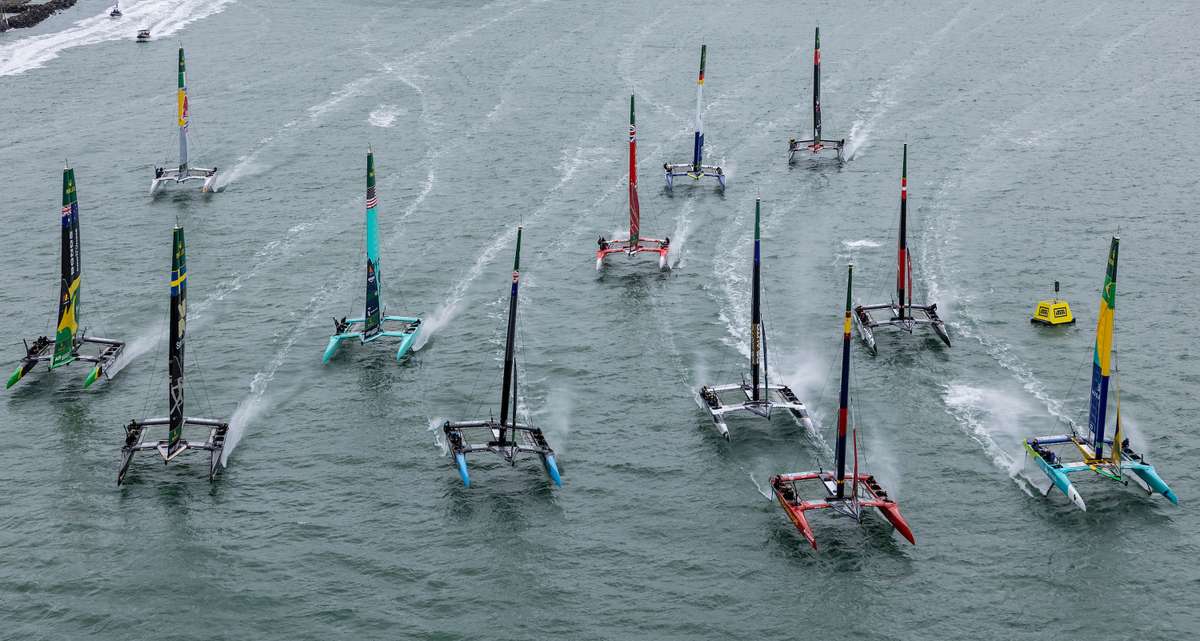
There's the rub. You can set all the thresholds you like, but if the opportunities to meet them barely exist, the question is: are these requirements actually high enough to ensure everyone can race safely at 50 knots in a fleet of 13?
Building the on-ramp
There are promising signs the infrastructure gap is being addressed. American Magic's new training base in Pensacola, Florida, will receive its first F50 in September – and according to American Magic's president of sailing operations Terry Hutchinson, that changes the equation significantly. “Starting September 1st, there are going to be at a minimum 44 days available to go sailing,” Hutchinson told The Foil. Spread across 13 teams, that's at least three days each – provided they can get down to Florida.
More intriguing still is what Russell Coutts confirmed at the Auckland press conference: a minor league is in development. A smaller catamaran, 25 to 30 feet, designed as a pathway for young athletes to develop their skills in real racing before being drafted into top teams. We're already calling it 'SailGP2' at The Foil HQ. When asked about the concept, Hutchinson kept his cards close but didn’t hide his enthusiasm: “I'll share that I think Russell's vision is brilliant.”
That kind of feeder series could prove transformative. In Formula One, drivers must accumulate 40 points from recognised championships like F2 or IndyCar over the previous three years before they're eligible for a super licence. The pathway is structured, the progression is clear. If SailGP2 gets off the ground, it could serve a similar function – not just improving the level of talent entering the league, but making it more accessible for up-and-coming sailors to make the leap to the big leagues.

Legend status
For existing athletes, a grandfathering process has smoothed the transition. “What we did during winter break is go through and figure out which athletes over the last two years qualify for what licence,” Buckley explained. “Everybody that qualifies for any provisional or grandfather licence, we've gone ahead and grabbed those just as contingency plans.”
Which came in handy rather quickly. When Glenn Ashby was flown into Australia's Flying Roo line-up at the last minute in Perth following Iain Jensen's injury, he didn't hold one of the new licences. “Glenn might have qualified for some sort of legend status,” Buckley said with a grin. “He's one of the few people in the world – he can step on any boat anytime, any day, now or in 10 years, and be one of the best.” Clearly, there's some leeway in the system.
The real test
After Saturday's harrowing collision in Auckland – which left Louis Sinclair and Manon Audinet hospitalised and two F50s out of commission – the stakes couldn't be higher.
If SailGP wants to be the Formula One of sailing, big responsibilities come with the billing. F1 cars are considerably faster than F50s, but the sport has also invested decades in safety infrastructure that has, in many ways, made it considerably safer than foiling catamarans at close quarters on open water.
With 13 boats now in the fleet and courses more compressed and unpredictable than ever, is one training F50 in Florida going to adequately prepare rookies for the mayhem of racing a dozen boats at once? Are licence standards high enough, and is the pathway being built fast enough to keep pace with a league that keeps expanding?
The licensing system is certainly a step in the right direction. And if SailGP2 delivers a genuine feeder series, the leap from promising sailor to F50-ready athlete might not seem quite so daunting. The real test will be whether the opportunities to train and race expand at the same pace as the league itself.
Articles You Might Be Interested in
Spain’s Los Gallos head the fleet after day one in Sydney
Sydney SailGP preview: Could twilight racing around Shark Island shake things up?
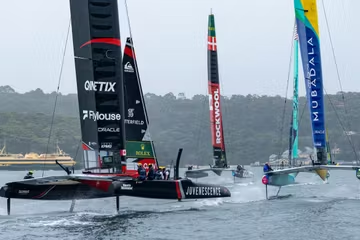
Lightning threat calls off SailGP practice – again
Tom 'Mozzy' Morris: SailGP's Auckland safety review doesn't add up
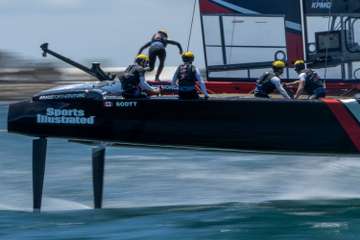
'The safest is when you're pushing hard' - Billy Gooderham explains flight control
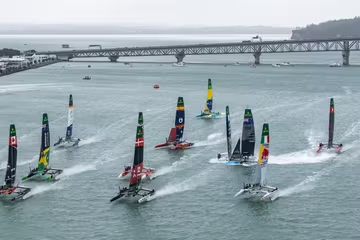
Jury verdict: Black Foils pushed too hard before Auckland crash
Podcast Ep. 8 - Sydney SailGP preview + Quentin Delapierre on safety
SailGP fixes split-fleet scoring mess