Taihoro '2.0' unveiled as ETNZ prepare to be first AC75 on the water

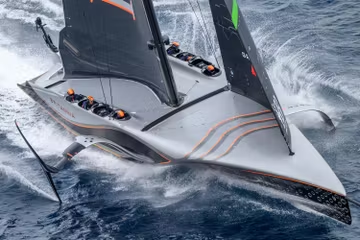
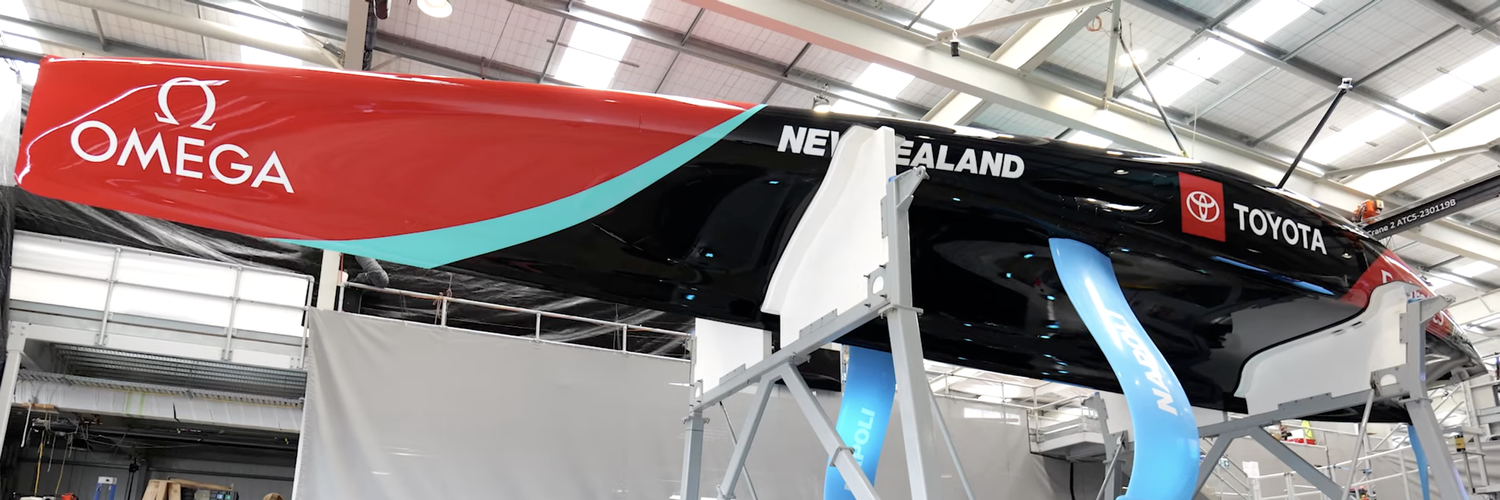
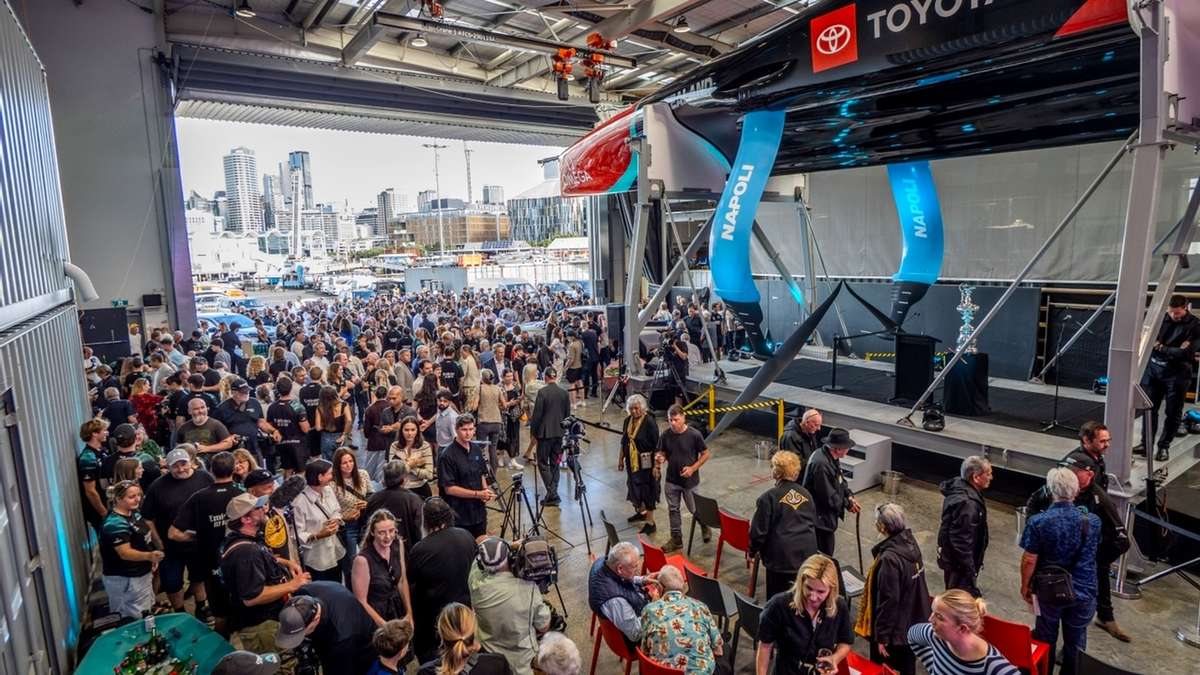
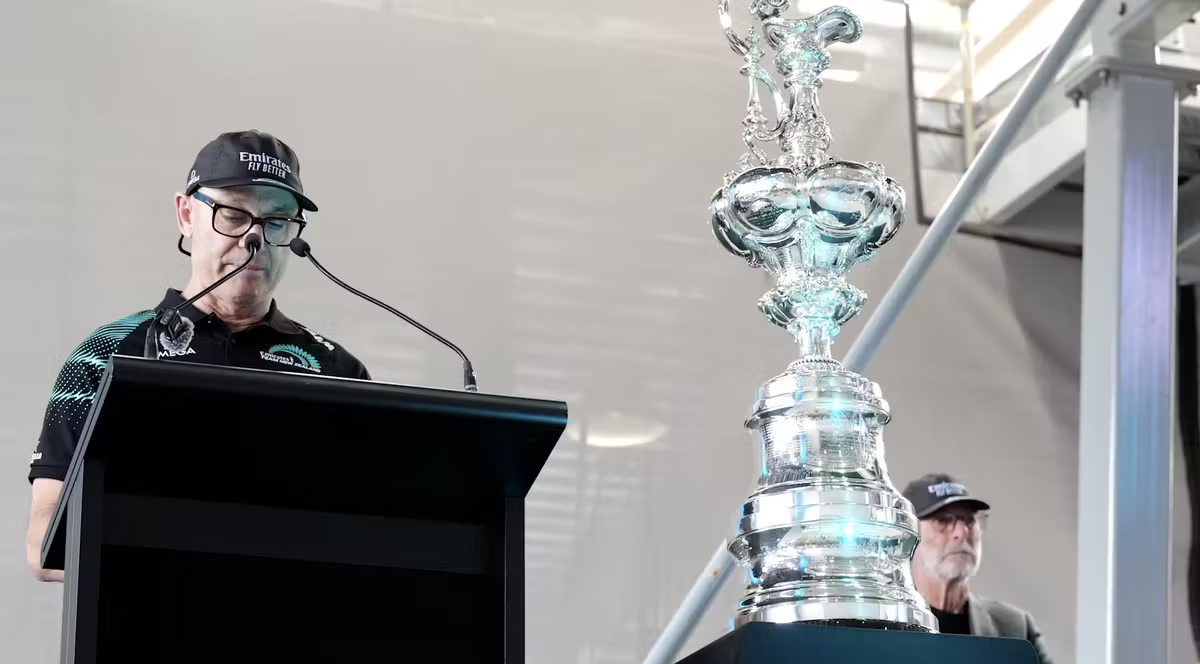
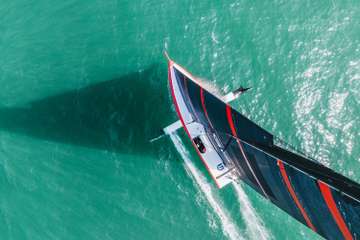
Emirates Team New Zealand have pulled the covers off their evolved AC75 'Taihoro' at the team's Wynyard Point base in Auckland, with the defender set to become the first boat of the 38th America's Cup cycle to hit the water when testing begins on the Hauraki Gulf this week.
The relaunch marks 16 months out from the Cup match in Naples, and while the hull beneath the crew is technically the same one that dominated Barcelona in 2024 – legacy hulls are mandated under new cost-containment rules – COO Kevin Shoebridge insists "we're looking at it like it's a new boat" after 10,000 hours of work in the yard.
"Internally, our philosophy is to always drive innovation and technology, so we think Taihoro '2.0' will be a great step on from what we saw in Barcelona," Shoebridge said. "There is a long way to go until the 10th of July 2027, so there is a lot of relentless development that will continue all the way until then. And that starts this week."
The most visible change sits where the cyclors used to be. The leg-powered grinders who provided hydraulic muscle in Barcelona are gone, replaced by a standardised battery system that will power foil and sail controls across the entire fleet. Where the physical output of athletes once determined how much grunt a team had available, now the challenge becomes power management – digital discipline over the course of a race.
But the transformation runs deeper than the power source. "Under the hood, there's some new systems, new hydraulics, new control systems, and the way we're thinking about sailing the boat," said head of design Dan Bernasconi. "It's great to be back in the saddle."
With the engine room removed, crew numbers drop from eight to five, and the odd number raises questions about role distribution that skipper Nathan Outteridge admits haven't yet been answered. It's a young squad, too – only three of the current sailing team have previously sailed an AC75, a significant change from previous Cup cycles.
"There is a lot of anticipation around what the roles of the five sailors will be," Outteridge said, "and in fact when you look across all of the teams, the question is who will be in the different positions. For us, we have a fresh new team which is an exciting mix of young talent and experience, so what that eventually looks like in July next year we don't know right now. That's part of what the next block sailing Taihoro is about."
One position very much up for grabs is co-helm alongside Outteridge. Seb Menzies – the 22-year-old 49er star and reigning European champion who came through ETNZ's Youth America's Cup programme – and Chris Draper will both get time at the wheel over the coming weeks. An experienced helmsman who took Luna Rossa to the 2013 Louis Vuitton Cup final against this very team, Draper already sails alongside Outteridge and ETNZ teammate Andy Maloney on the Swedish Artemis SailGP team – useful groundwork for building chemistry quickly.
Menzies, who placed fourth at last year's Moth Worlds, is clearly relishing the opportunity. "Just being able to sail the boat that defended the America's Cup is going to be a big thing," he said. "We are learning so much off the more senior guys already. It's cool to be amongst them."
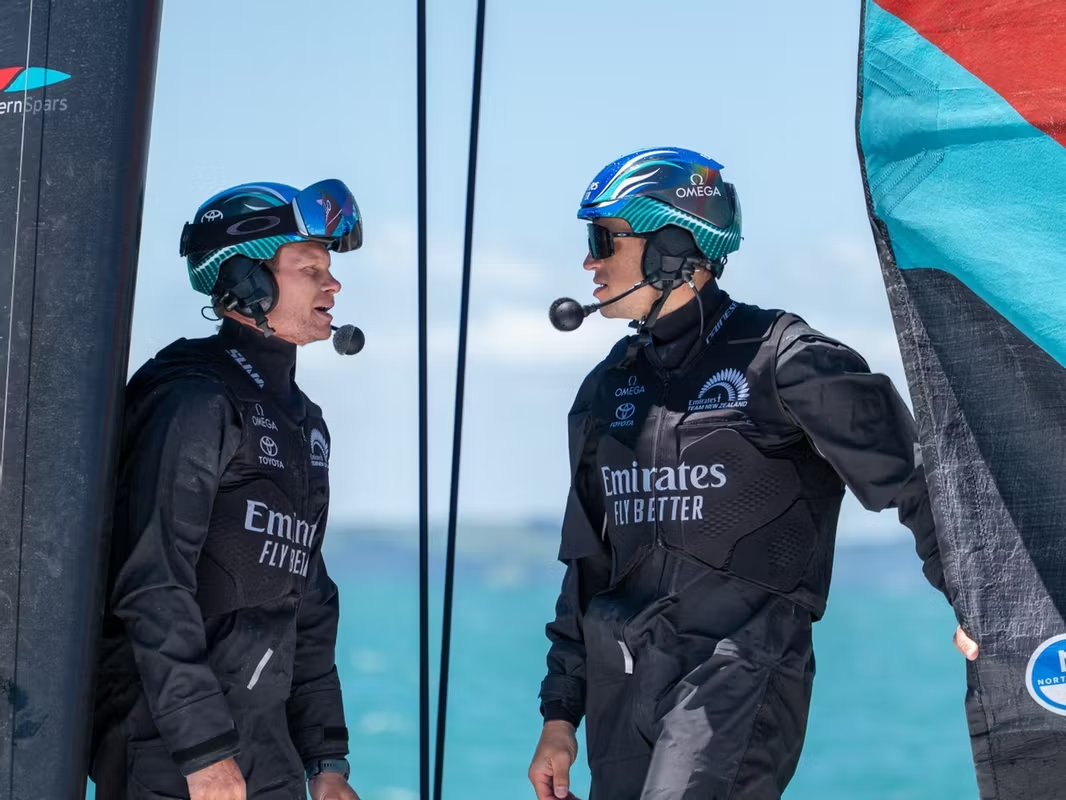
Also joining the crew rotation is Jo Aleh, the Olympic gold and silver medallist who will become the first woman to sail an AC75 under new rules extending pathways beyond the AC40s and Women's America's Cup.
"Seeing the boat in the shed just illustrates the scale of the AC75 and the step up from the AC40s," Aleh said. "It's a really positive step in terms of completing the pathway for women in the America's Cup and at the pinnacle of our sport."
With teams locked into their Barcelona-era hulls – allowed only to reconfigure cockpits, make limited structural modifications, and add aerodynamic rebates – Bernasconi expects tighter racing across the fleet in Naples. But he points out that hulls were never the main differentiator anyway, spending so much time out of the water on these foiling machines.
"Maybe 5 seconds around the racecourse across all of the boats in Barcelona," Bernasconi said of the hull performance spread. "The Class Rule and design parameters still allow for important gains and difference in performance from the foils, sails and control systems. As with every iteration of the same class of boat, there is no doubt the racing will be a lot closer this time around between all teams."
There's plenty of development runway ahead, but the calendar is tighter than it looks. Teams are limited to just 45 AC75 sailing days before mid-January 2027, putting a premium on every session. And the boat won't be travelling to Europe this summer – ETNZ plan to use their AC40 programme to learn the nuances of the Naples venue instead, keeping Taihoro in New Zealand waters for now.
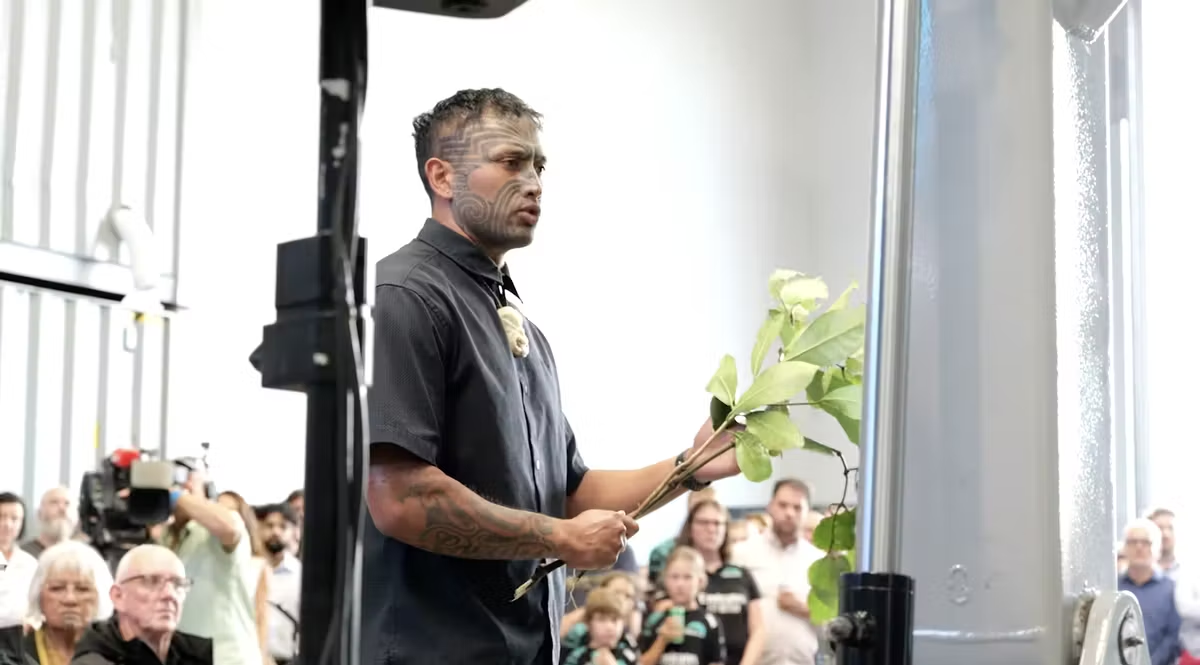
The relaunch was blessed by Ngāti Whātua Ōrākei with a Karakia and mihi, reconnecting the vessel with its name – meaning 'to move swiftly as the sea between both sky and earth'. On Tuesday, they'll find out if it still does.
Articles You Might Be Interested in
Recon from the Hauraki Gulf: Unpacking ETNZ's first week back with Taihoro
GB1 back on the water and wasting no time in Cagliari
France reveals stacked AC38 crew as K-Challenge becomes La Roche-Posay Racing Team
Freddie Carr: The spectacle I can’t wait for in AC38
The Foil Weekly Wrap - 16 March ’26
Tom ‘Mozzy’ Morris: The AC75’s dramatic diet – and why it gives ETNZ an early edge
AC38 crew line-ups slowly coming into focus
Podcast Ep. 10 - Batteries replace humans: is this still the America's Cup?