
Trouble in the Strait of Hormuz points to sailing's future

A fortnight ago, had you even heard of the Strait of Hormuz? Until the Middle East blew up, this narrow stretch of water that connects the Arabian Gulf with the Indian Ocean was barely known to most of us. Now it seems like the epicentre of all the world’s problems, as we try to work out if World War III is about to begin. Or wonder to ourselves, maybe we’ve already been in World War III for the past few years already.
Strangely enough, I started to learn quite a bit about the Strait of Hormuz at the start of the year when my colleague at The Foil, Benedict Donovan, and I were consulting with the organising authority of the Dubai to Muscat Race (D2M) about how to broaden the event’s international appeal. Just 21 nautical miles wide at its narrowest point, the southern side of the Strait is defined by the Musandam Peninsula, shared by the United Arab Emirates and the Musandam Governorate, part of Oman; to the north lies the coast of Iran.
Racing past Iran
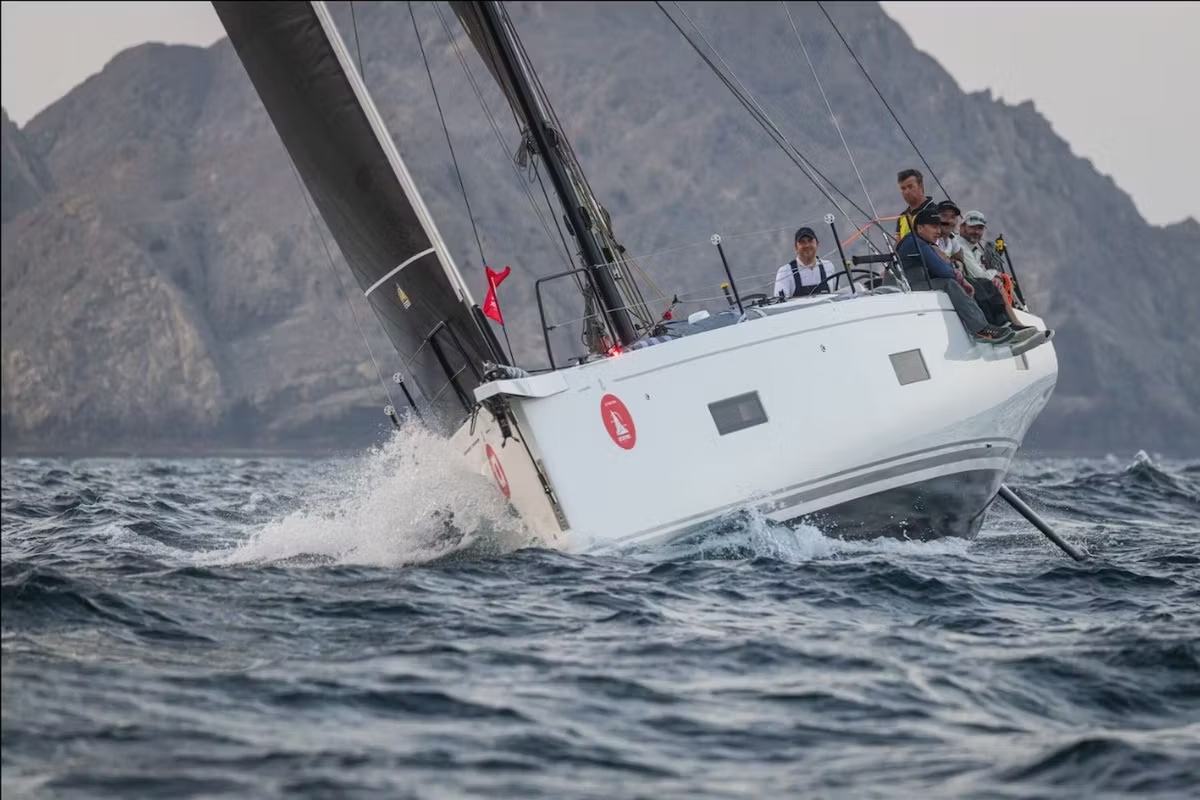
The Dubai Offshore Sailing Club (DOSC) has run 33 editions of this 360-nautical-mile offshore race, and this year was business as usual. This year’s event started out of Dubai on 31 January, with most boats completing the passage past the Strait of Hormuz and crossing the finish line in Muscat, Oman, less than a week later.
OK, so four of the 33 entries were disqualified for breaking one of the navigational rules of the race, which required boats not to stray into Iranian waters. Yes, really! But overall the race was another event successfully run, with the hope that it will only get bigger in future years as more sailors from Europe look to escape the wintry weather back home for a more temperate climate in the colder part of the season.
Big plans, uncertain future
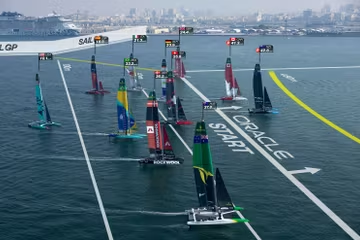
Until there is a clear resolution to hostilities in the Middle East, it’s hard to envisage when the next edition of the D2M might take place. I feel desperately sorry for the folks at DOSC who are really working hard to push sailing in the region. They hosted the SB20 World Championships just over two years ago, and there is a strong local sportsboat scene which has been increasingly attracting overseas sailors to join in for some guaranteed warm-weather sailing. And of course Dubai is also set to host the penultimate stage of this season’s Rolex SailGP Championship a week before the final event in Abu Dhabi at the end of November.
The airports of Dubai and Qatar have become such vital hubs for handling international air traffic between Asia and Europe and the Americas; on the water the region also has great potential to bring sailors together from across the world to compete in one place. Now unfortunately we’re going to have to wait a while for things to settle down.
The $10,000 container problem
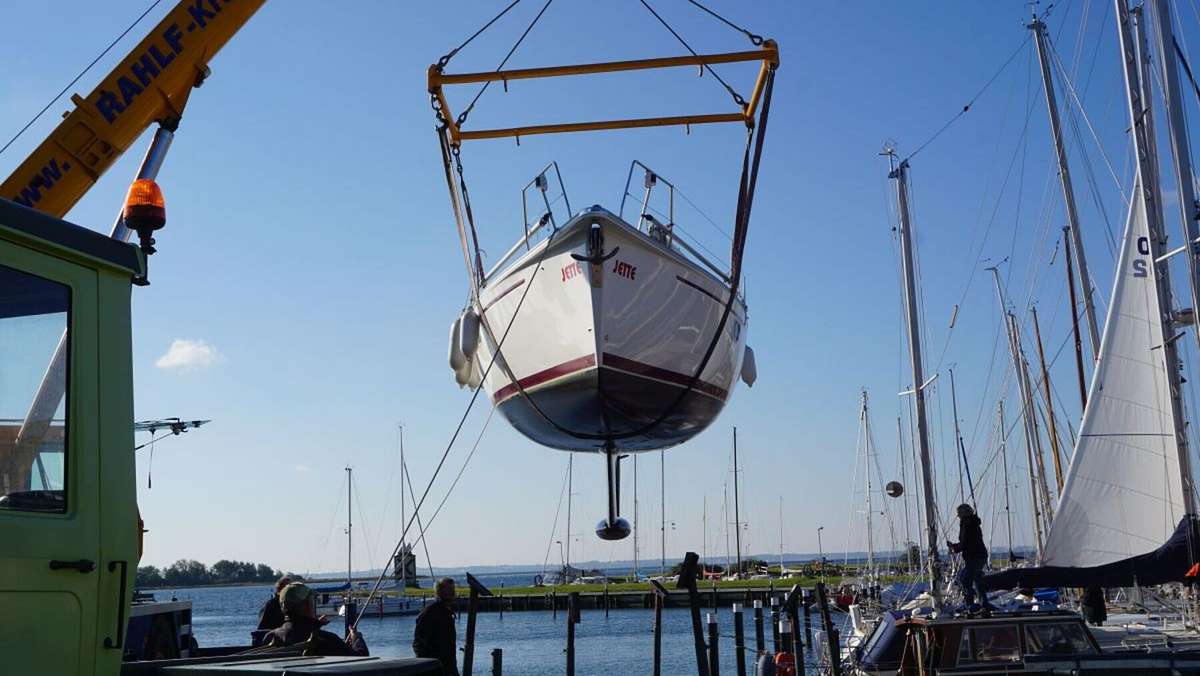
On a different but strongly related note, container shipping costs have been all over the place for the past decade. According to the Drewry World Container Index (WCI), a widely recognised composite benchmark for the cost of shipping a 40-foot container across major global trade routes, for the pre-pandemic period between 2014 and 2019, shipping costs were stable and fairly low.
From an average price of around USD $1400 to $1700, costs spiralled when COVID wreaked havoc with international shipping. The cost spiked to over $10,000 in 2021 before settling back to below $2000 once the world had calmed down again. Then it hit another spike in 2024, rising to $4800 when Houthi rebel attacks on vessels in the Red Sea forced major shipping lines to reroute around the Cape of Good Hope, significantly increasing voyage times and fuel costs.
The latest crisis in the Middle East is causing more trouble for international travel and shipping, which is going to limit sailors’ appetite for meeting and competing overseas.
Pack light, race anywhere
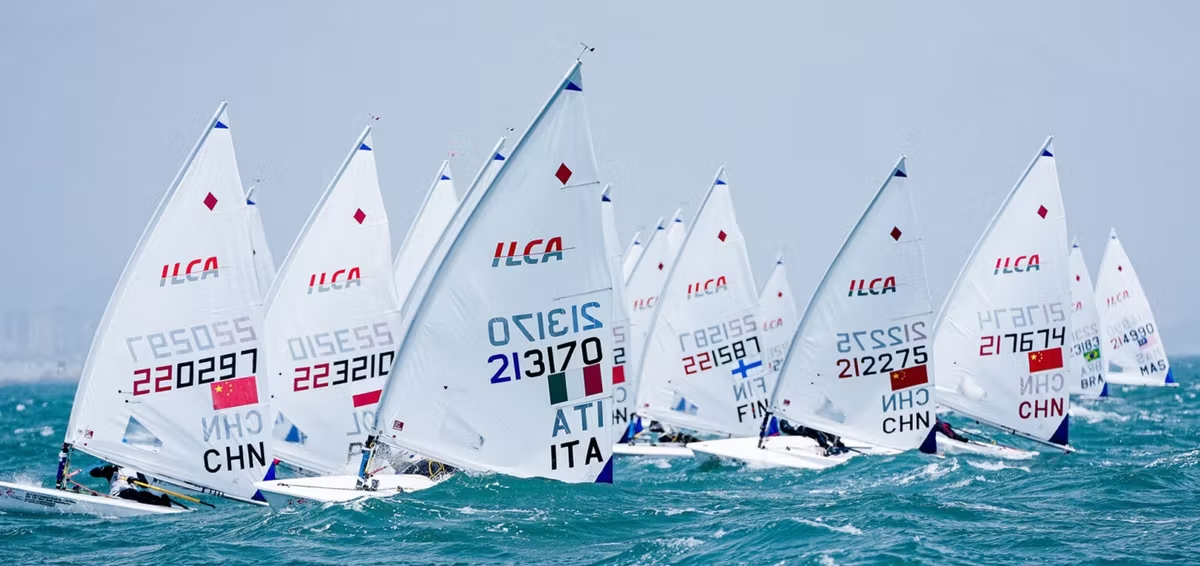
I think the sport is going to have to look increasingly towards the ‘provided boats’ model that has been the basis of match racing for many years. You fly in with your kitbag and you compete in a fleet of identical one-design boats. Why should this model be limited to match racing? It can work for fleet racing too. Indeed it’s how ILCA run their annual World Championships for the Olympic sailors - the men in the ILCA 7 and the women in the ILCA 6 - as well as for age divisions like the Masters and Youth Worlds.
There are well-priced charter options for competing in some of the sports boat fleets like the RS21 Worlds, and at the China Cup in Beneteau 40.7s. But these charter options tend to be the rarity. It’s because we sailors don’t really like to race with borrowed equipment, especially when we’ve spent hours customising the layout to our own preference. But even when it goes smoothly, the whole container shipping process is time-consuming and expensive; when it goes badly, it often means boats don’t even arrive on time for the championship. All that effort and hassle for nothing.
After a few decades of post Cold War stability we seem to be sailing into more uncertain times. It doesn’t mean we have to stop what we’re doing, but we’re probably going to have to get more creative and flexible about how international regattas are going to happen in the future.
Articles You Might Be Interested in
Freddie Carr: The spectacle I can’t wait for in AC38
The Foil Weekly Wrap - 16 March ’26
Tom ‘Mozzy’ Morris: The AC75’s dramatic diet – and why it gives ETNZ an early edge

Podcast Ep. 10 - Batteries replace humans: is this still the America's Cup?

The one that got away: How Paul Cayard won the 99th Bacardi Cup
The battery-power revolution that’s bigger than F1’s
The Foil Weekly Wrap - 9 March '26