Where America’s Cup careers will be made

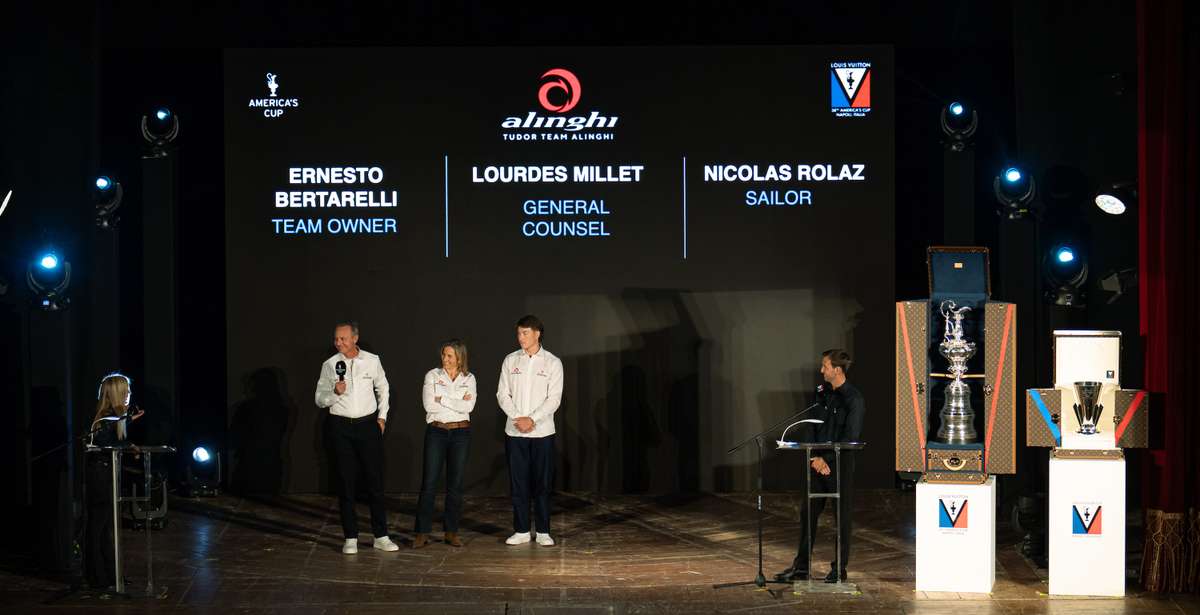
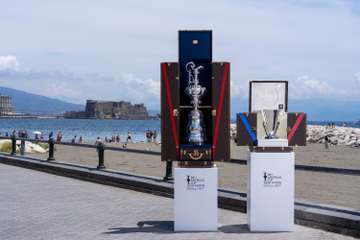
The grand reveal of the America’s Cup at the media presentation in Naples last week delivered one striking image above all else: all five founding partners of the new America’s Cup partnership standing on stage together. Symbolically, that moment may prove more important than anything else we learned on the day.
Very little detail was shared publicly about how the partnership will actually function, but from conversations around the back corridors, there is genuine optimism. If structured correctly, this partnership could finally place the America’s Cup on a far healthier, more sustainable footing than we have seen in recent cycles. Stability may turn out to be the most valuable outcome.
That said, for an event supposedly designed to map out the future of the America’s Cup, we learned surprisingly little about the future of this Cup. Beyond the confirmed start date, details were thin on the ground. What is clear, however, is that this will be one of the shortest Cup cycles in modern memory. Outside of the Deed of Gift match in 2010, it is hard to recall a tighter timeline.
For the teams, that means pressure – and lots of it. Design, development, recruitment and racing programmes will all have to be accelerated. There is no long runway here. Every decision from day one will matter.
So far, the team rosters have not exactly set the world alight, aside from Pete Burling joining Luna Rossa six months ago. Big announcements will have to come, and they will have to come soon, with the first AC40 event scheduled for Cagliari a few short months away. That regatta now looms as a critical milestone – not just a warm-up, but the first real glimpse of who has adapted best to the compressed cycle.
Rather than focusing on what we don’t yet know, it’s worth looking closely at what we do know – and that is the role the AC40s are about to play.
Each team is expected to have two boats racing in Cagliari: one sailed by the senior Cup team, and the other by youth and women sailors. On paper, that sounds like a development exercise. In reality, it could become one of the most fascinating aspects of the entire build-up.
The AC40 cycle brings with it two genuinely fascinating dynamics, both of which could have a profound influence on how this America’s Cup unfolds.
The first is the return of true in-house racing.
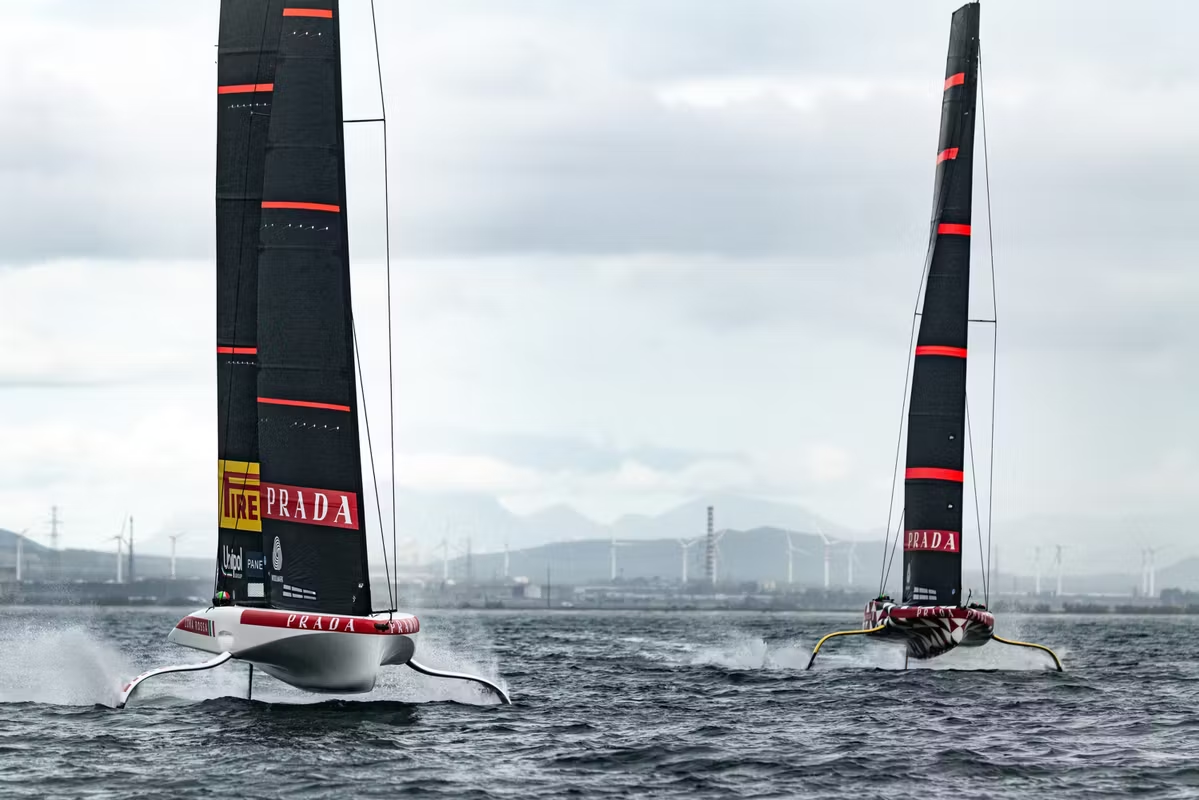
There is no buzz quite like an in-house race day within an America’s Cup syndicate. While the traditional A-team and B-team structures of past Cups may feel like a relic of another era, this cycle has the potential to reignite that internal rivalry in a modern and far more visible way.
With senior crews still finding their feet following what appears to be a period of reshuffling, and with an influx of hot talent emerging from youth and women’s programmes, there are points to be proved – quickly. The build-up to the first AC40 regatta in Cagliari will be critical. Selection pressure will be real, and performance will matter immediately.
It is impossible not to be reminded of the intensity of 2003, during my first Cup with GBR Challenge, when the pre-start helmsman selection came down to Andy Beadsworth versus Andy Green. Five days. Ten pre-starts a day. Winner takes all. The sailor who emerged on top earned the pre-start helmsman role for the 31st America’s Cup.
I struggle to recall another week of sailing quite as intense. Across the squad, all 34 sailors knew there was a genuine opportunity to make their mark – and potentially step onto the A boat. That environment creates extraordinary performance, but it also places huge strain on team dynamics. Everyone is chasing personal progression while trying to lift the overall programme, a balance that is never easy to manage.
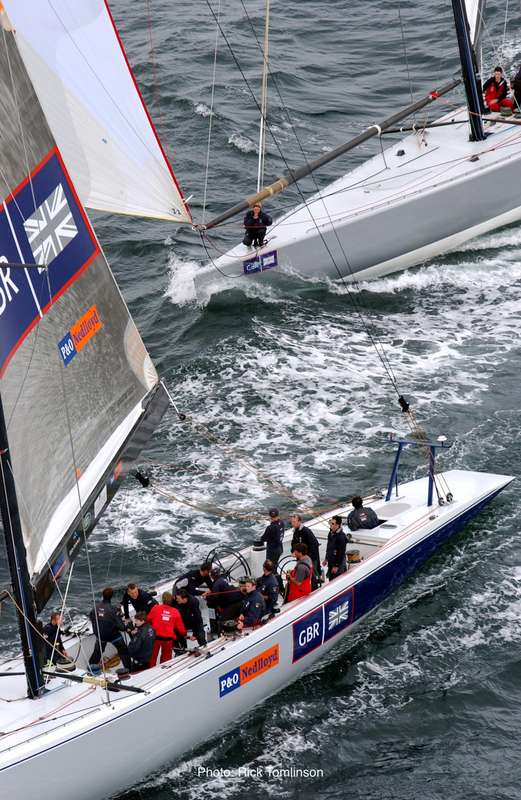
Throughout my America’s Cup career, some of the most revealing and valuable debriefs have come after the so-called B team – and in this cycle, potentially a youth or women’s team – has taken the scalp of the senior squad. Those moments expose weaknesses, challenge assumptions, and often accelerate improvement faster than any external competition ever could.
Watch this space. Early in this Cup cycle, sailors will be desperate to prove themselves.
The second intriguing asset of the AC40 format is the potential emergence of Formula 1–style team tactics: two boats, one team, one strategic objective.
With a series of fleet races leading into a two-boat match-racing final, it raises a provocative question. Might we see team-mates working together on the racecourse to manipulate outcomes and position both boats higher on the leaderboard across the four days of fleet racing?
Could team orders come into play? One boat allowing another through, sacrificing its own position to protect a championship contender – a scenario we see routinely in Formula 1. This would represent entirely new territory for the America’s Cup.
Whether permitted, encouraged or quietly discouraged by the rules, the mere possibility adds another compelling layer to the AC40 events. For a competition that thrives on innovation, not just in boats but in thinking, this could be one of the most fascinating evolutions yet.
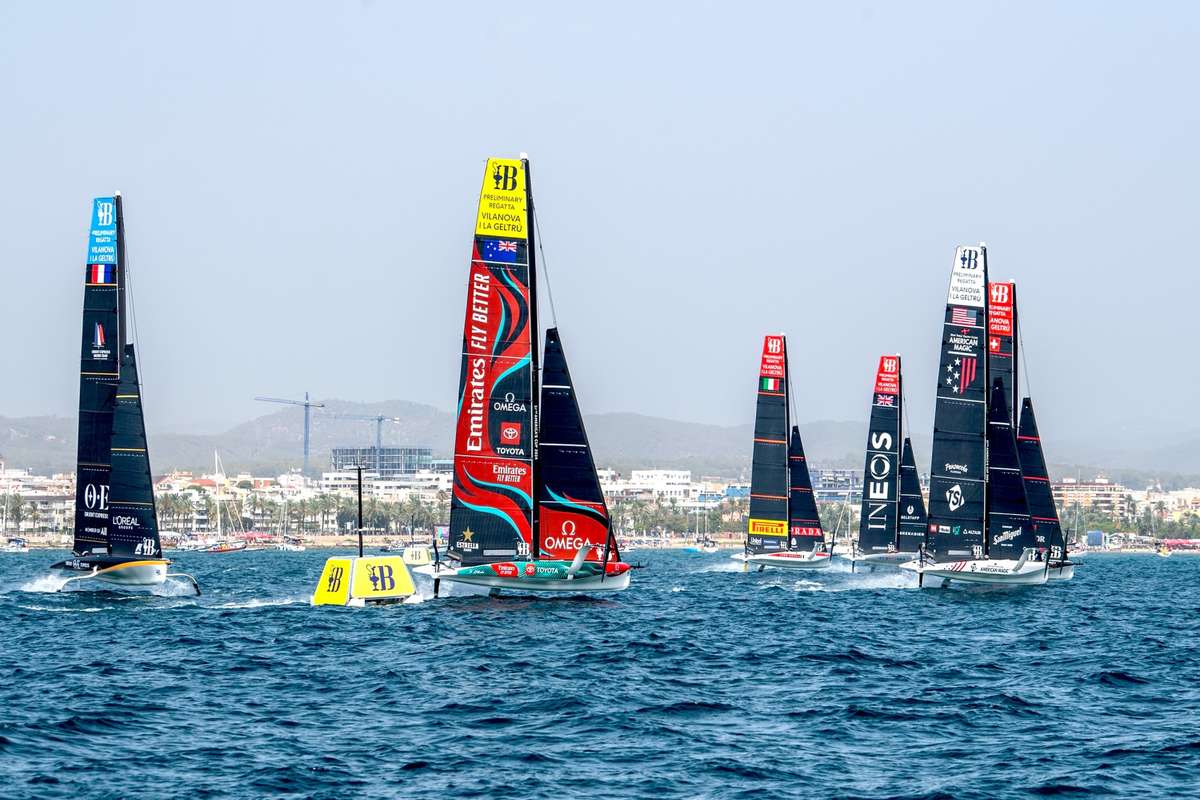
While the sailing in the AC40 will have very little direct relevance to the design development of the AC75, its human impact should not be underestimated. I firmly believe that the battles fought in the AC40s could well determine who ends up sailing aboard the AC75s in 2027.
More than ever, the America’s Cup is data-driven. Performance is measured, analysed and compared relentlessly. Speed, consistency, decision-making under pressure – these metrics will matter far more than reputation or past achievements. Pedigree alone will no longer guarantee a seat on the race boat.
If you are fast, the data will show it. And if the numbers stack up, you will find yourself racing in Naples.
In that sense, the AC40 programme may become the most honest selection tool the America’s Cup has ever seen – a proving ground where results, not résumés, decide who earns the ultimate prize: a position on the 75.
Articles You Might Be Interested in
Podcast Ep. 13 - Olympic dreams, TP52 action and America's Cup secrets
Riptide Racing bows out of AC38 with eyes on the next cycle
New challengers confirmed for AC38 – here's who might be in
The Foil Weekly Wrap - 30 March '26

Four new names for the America's Cup Hall of Fame
Podcast Ep. 12 - The Battle for Britannia
Ineos vs Athena: What happens when you make Ben Ainslie angry
Freddie Carr: Britain's greatest sailing team, and why it fell apart