Olympics
Insight, action and spotlight on Olympics
Up Next
55th Trofeo Princesa Sofia
25
Days
14
Hours
35
Minutes
55
Seconds

At a Glance
Olympic Sailing
Olympic Sailing is one of the oldest sports on the modern Olympic programme. Originally known as Yachting until the Sydney 2000 Games, the sport’s Olympic history reflects the evolution of sailing itself, transitioning from a sport of wealthy individuals and grand yachts to a high-performance, athletic competition using standardised equipment.
ILCA 6
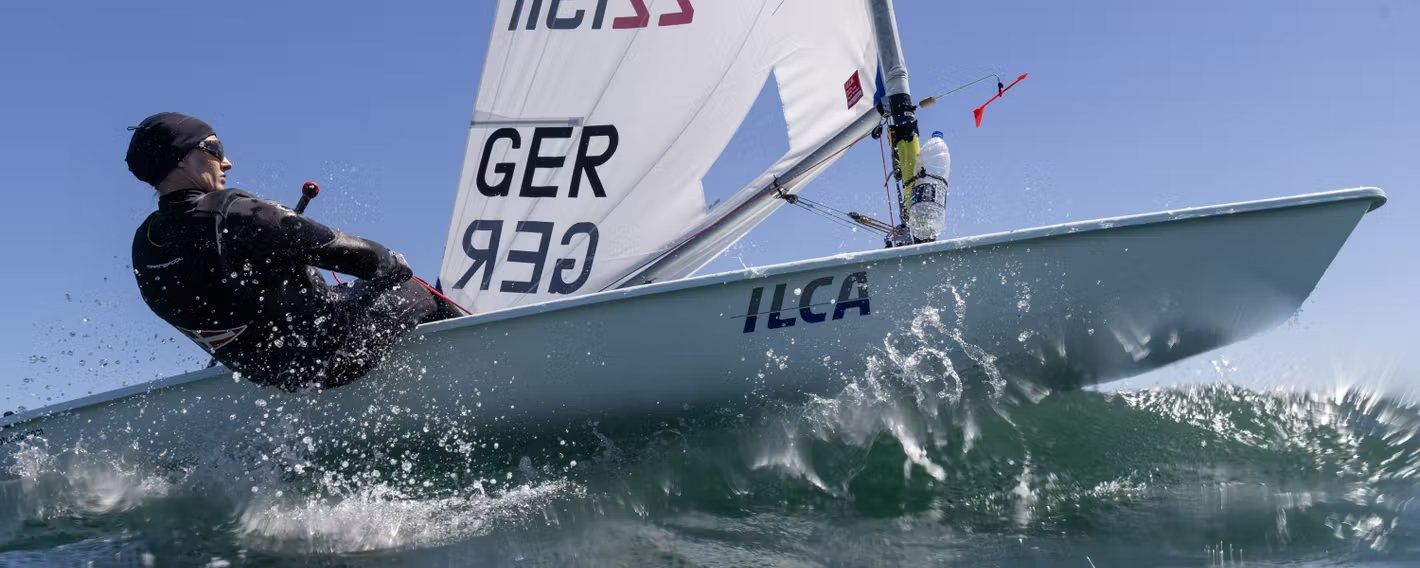
The ILCA 6 (formerly the Laser Radial) is the official women's single-handed dinghy class at the Olympic Games, having been introduced at the Beijing 2008 Games. It utilises the exact same hull as the men's ILCA 7, but features a slightly shorter and more flexible lower mast section with an 18% smaller sail area. This subtle change perfectly adapts the boat for the optimal weight range of elite female sailors (typically 60-70kg), ensuring that the racing remains demanding and skill-focused across all wind conditions.
ILCA 7

The ILCA 7 is the men's single-handed dinghy class at the Olympic Games. Formerly known as the Laser, it has been part of the Olympic programme since Atlanta 1996. While visually simple – a fibreglass hull, a single sail, and a two-piece mast – its uncomplicated design hides a brutally demanding and technically precise challenge.
Men's 49er
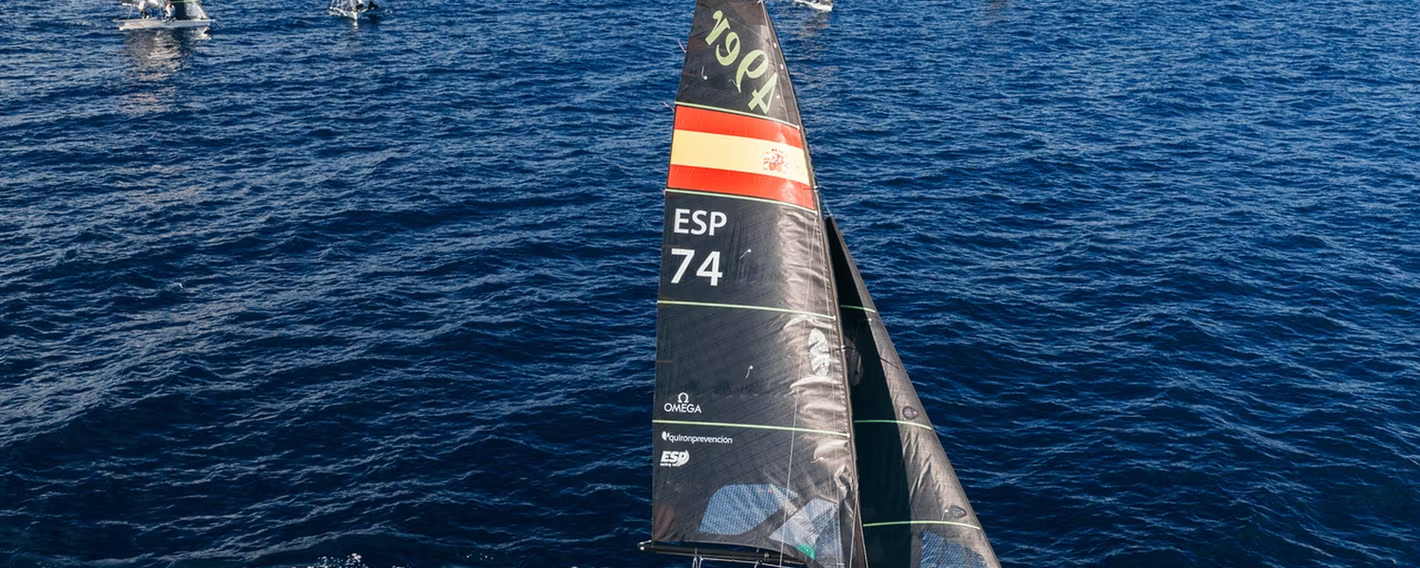
The 49er, named after its hull length of 4.99 metres, is a double-handed, high-performance skiff that made its Olympic debut at Sydney 2000. It quickly became famous for its speed, volatility, and spectacular visual appeal.
Men's Formula Kite
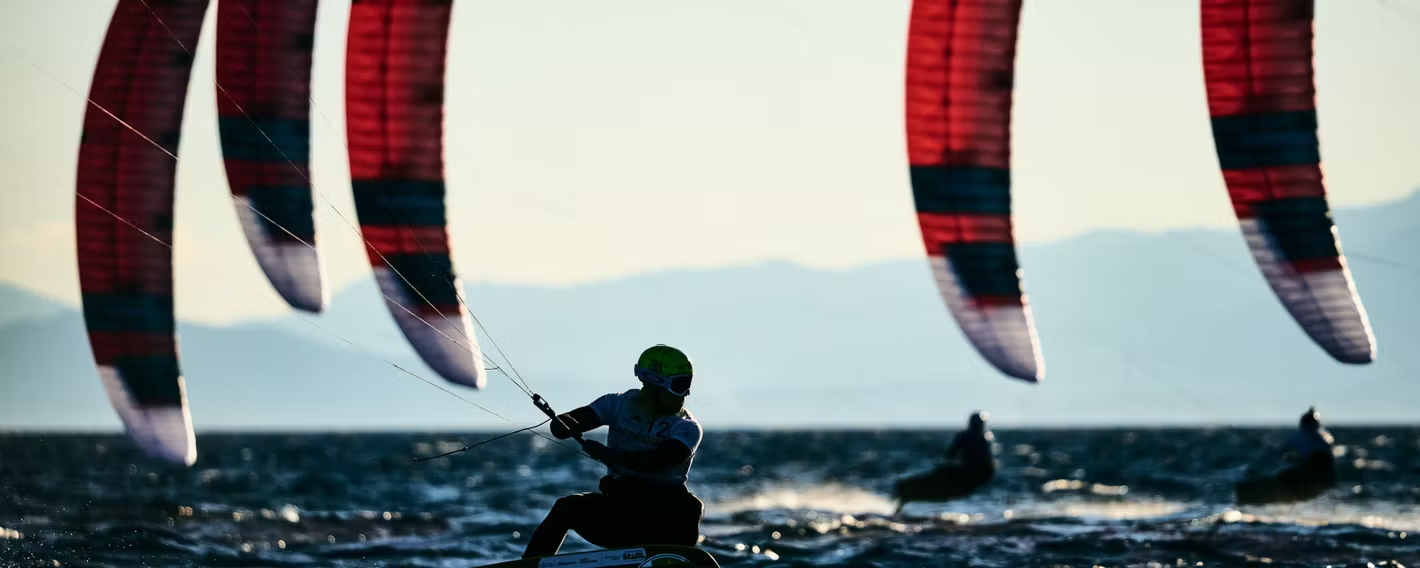
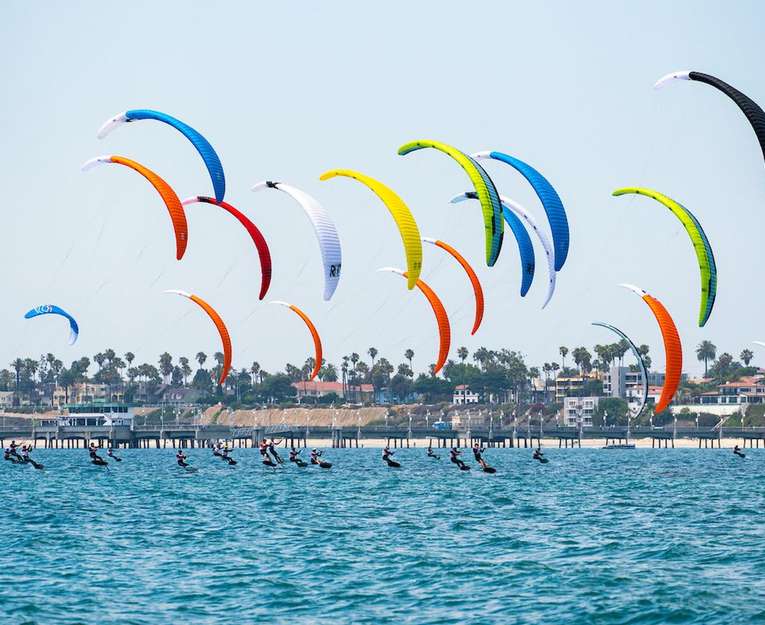
The Men's Formula Kite foiling kiteboard competition is the newest and most radical event in the Olympic Sailing programme, making its electrifying debut at the Paris 2024 Games and confirmed for the Los Angeles 2028 Games. Staged on the open waters of Belmont Shore in Long Beach for LA28, the event is set to be one of the headline acts, known for being the fastest discipline in the entire Summer Olympics.
Men's iQFOiL
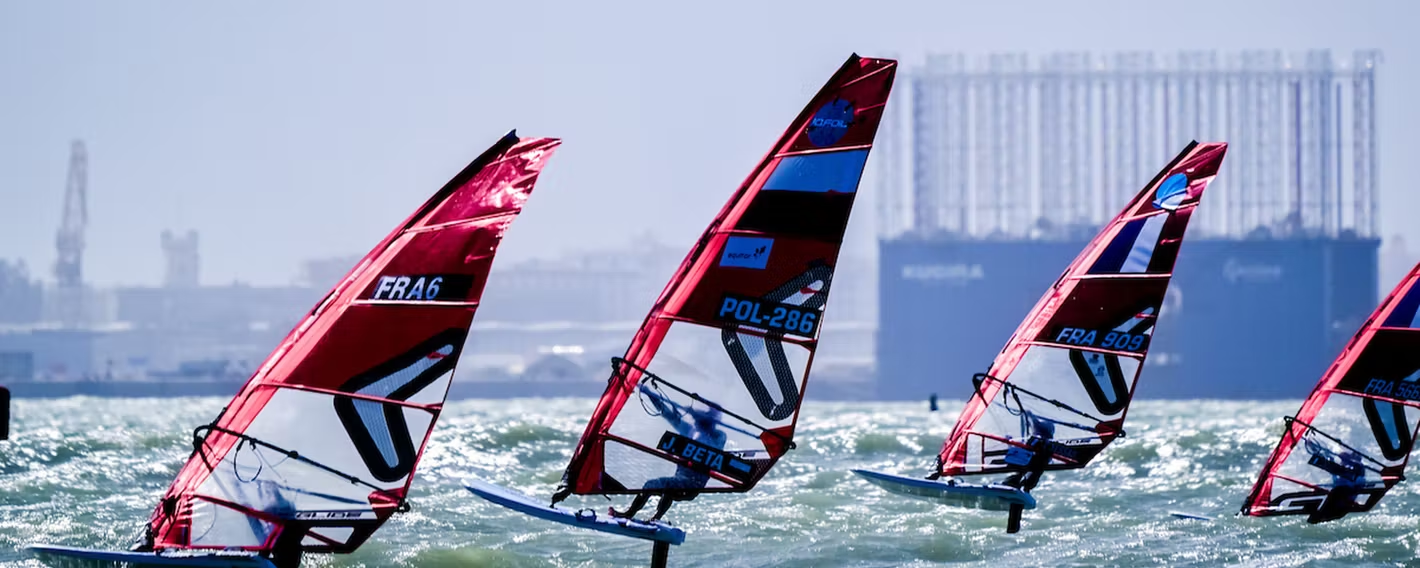
The Men's iQFOiL is the modern face of Olympic windsurfing, having successfully replaced the traditional RS:X class for the Paris 2024 Games and secured its place for Los Angeles 2028. It is a dynamic, high-speed, hydrofoiling board making it one of the most physically demanding and visually exciting classes on the circuit.
Mixed 470
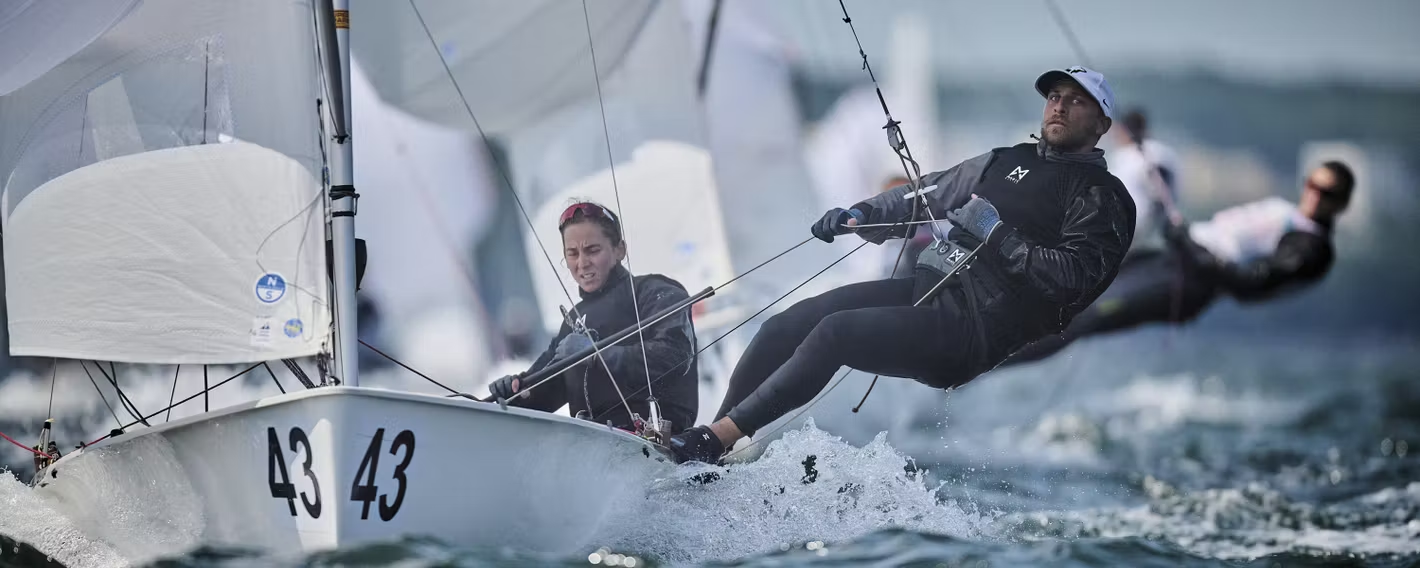
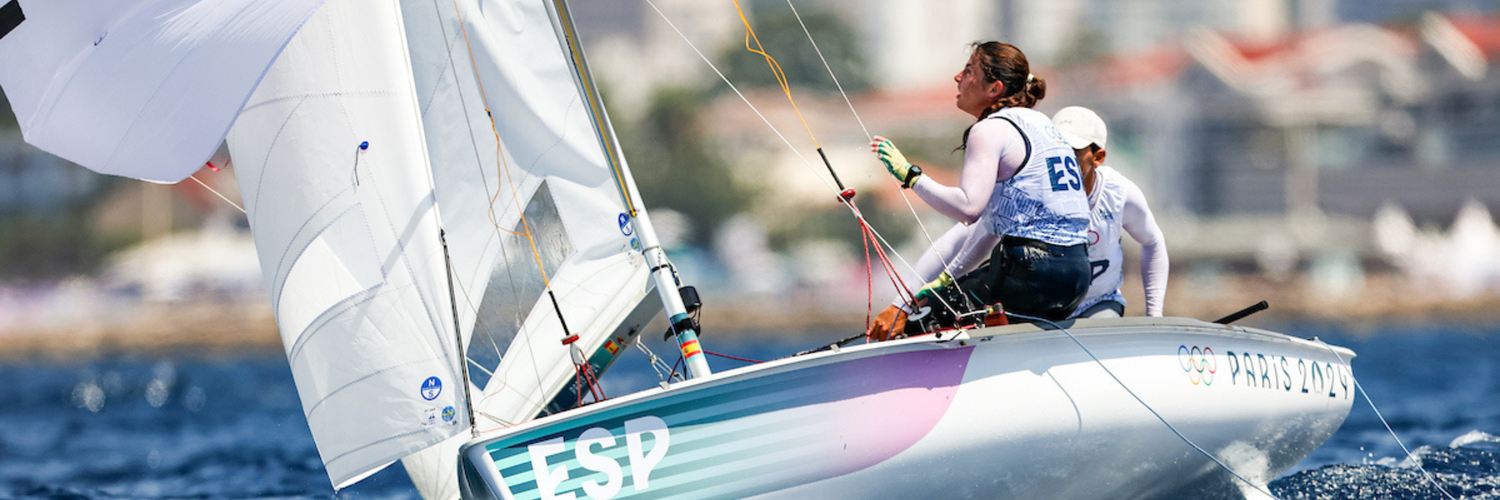
The 470 dinghy, so called because of its length of 4.70 metres, is the enduring workhorse of Olympic sailing. A double-handed, monohull dinghy, it made its Olympic debut in 1976 and, for decades, was contested in separate men's and women's events. However, for the Paris 2024 Games, and continuing into LA 2028, it is now sailed exclusively as a Mixed Dinghy event, requiring one male and one female athlete per crew.
Nacra 17
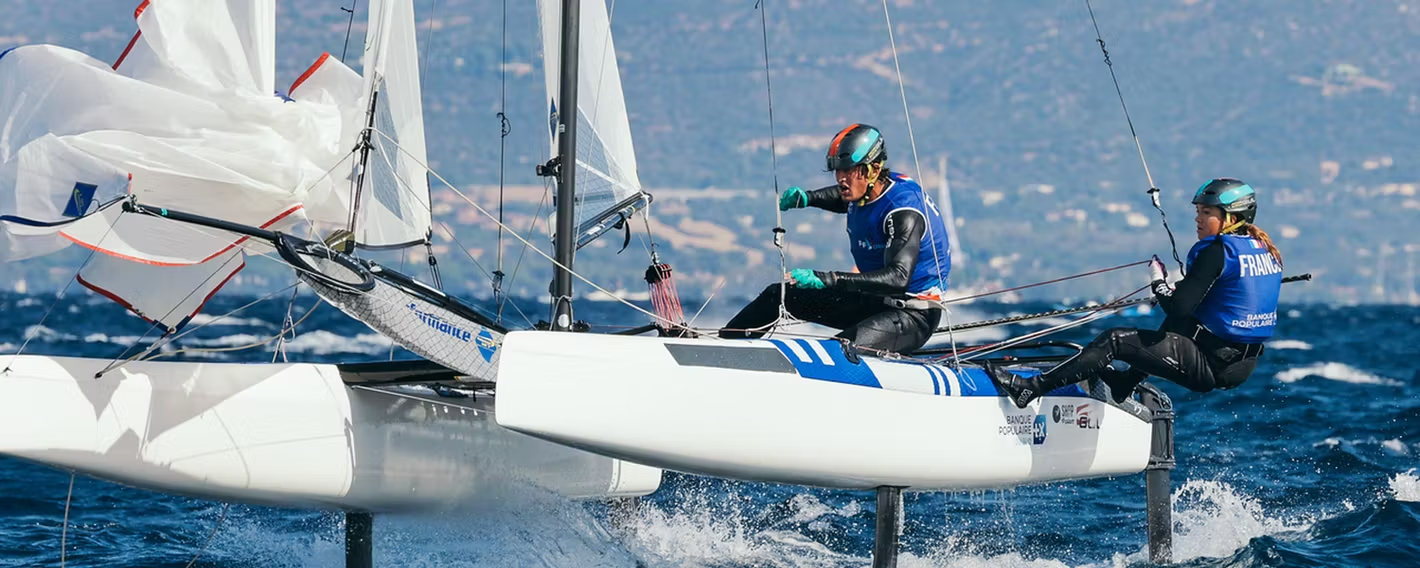
The Nacra 17 is arguably the most spectacular and strategically complex class in the current Olympic sailing line-up. As a double-handed, fully foiling catamaran with a mandated mixed-gender crew, it is a revolutionary boat that perfectly encapsulates the future direction of high-performance sailing and promotes gender equality at the elite level.
Women's 49erFX
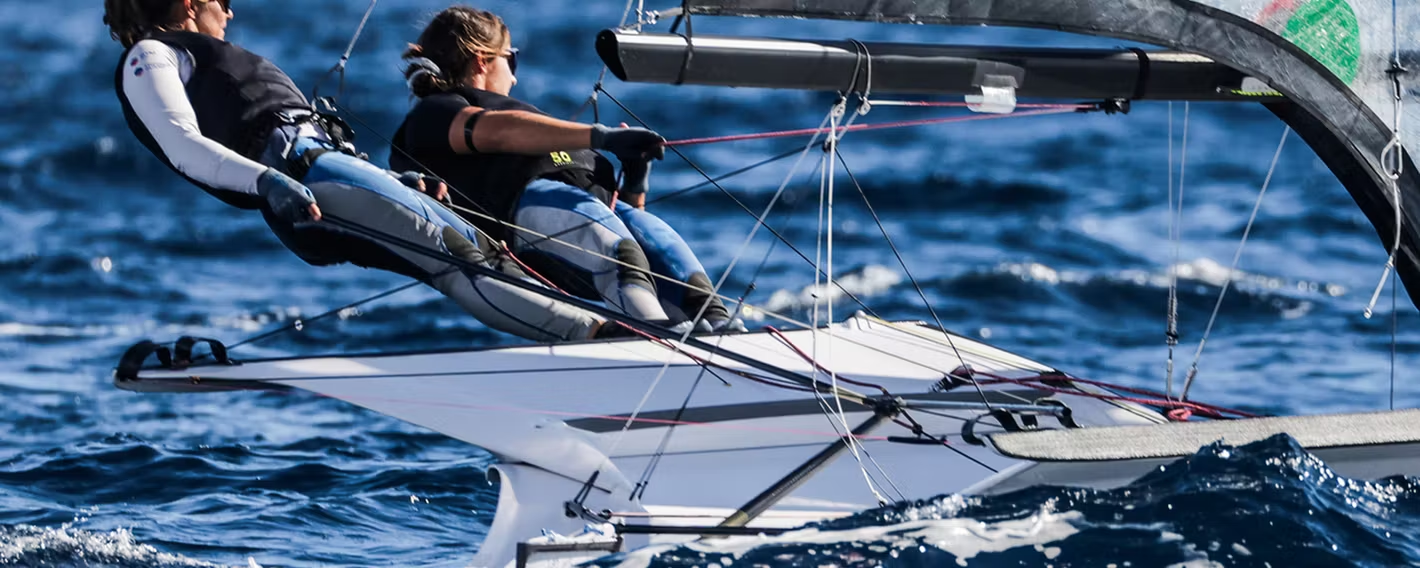
The Women's 49erFX is the double-handed skiff for the Olympic Games, making its debut at Rio 2016. As the sister class to the Men's 49er, the FX variant is a high-performance, high-speed machine that demands immense athleticism, perfect teamwork, and daring boat handling, serving as a spectacular showcase for female sailing talent.
Women's Formula Kite
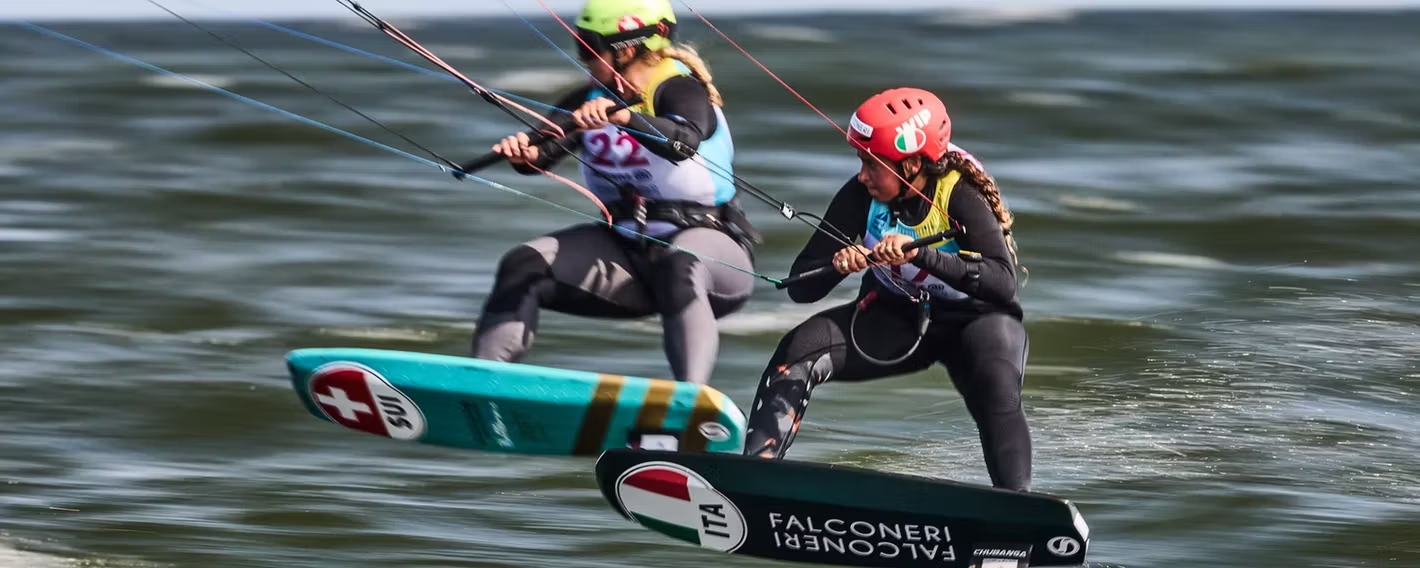
The Women's Formula Kite foiling competition is the most thrilling and fastest class in the Olympic Sailing programme, having made its much-anticipated debut at the Paris 2024 Games and confirmed to kick off the medal events at the Los Angeles 2028 Games in Long Beach. This event showcases extreme athleticism, cutting-edge hydrofoil technology, and requires unmatched skill in kite control and board handling.
Women's iQFOiL
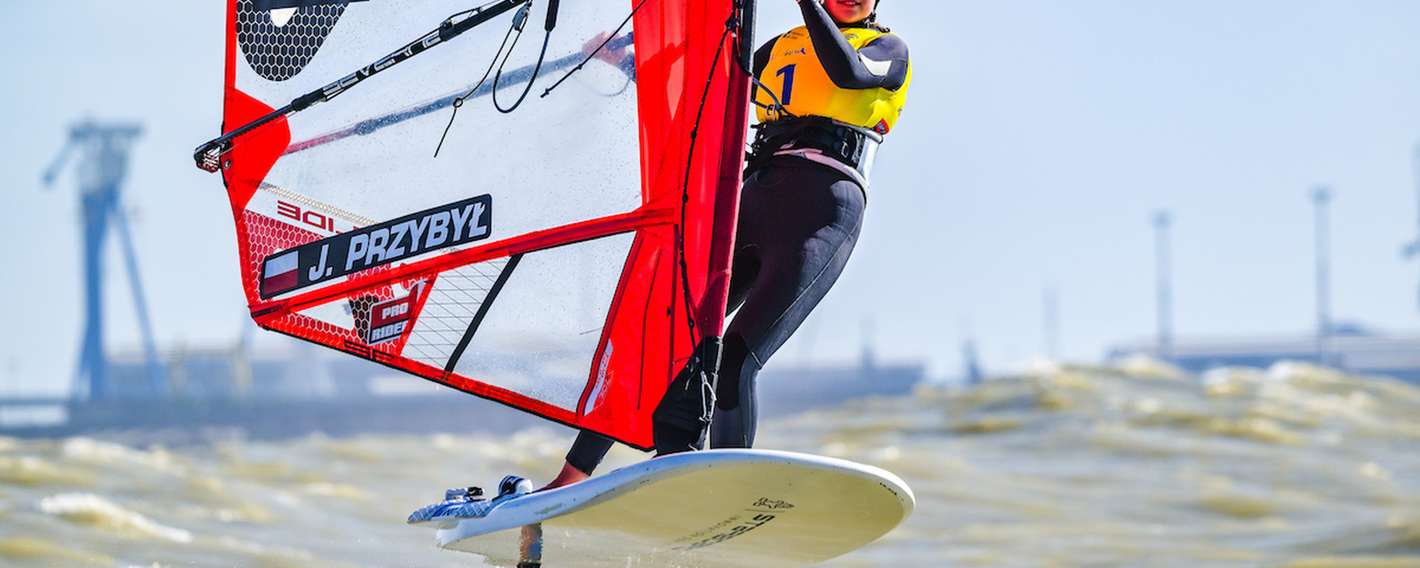
The Women's iQFOiL event debuted at the Paris 2024 Games, successfully ushering in the era of high-speed hydrofoiling in women's Olympic windsurfing. It has fundamentally changed the competition, demanding not just endurance and strength, but also incredible finesse and technical control to keep the board flying on its foil.
Latest Olympic Coverage
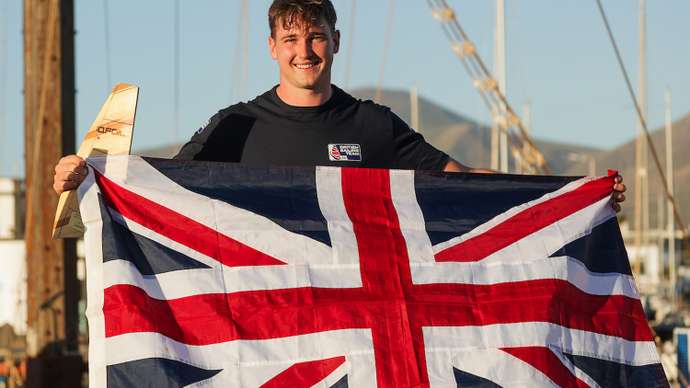
Hawkins and Wilson take double British victory at iQFOiL Games opener
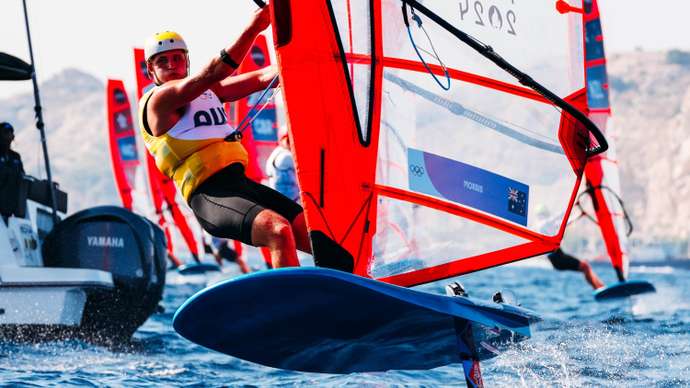
The Olympian windsurfer with a golden future far beyond LA 2028
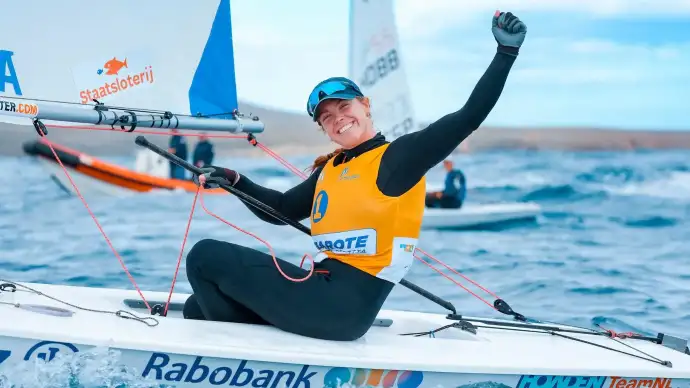
Lanzarote crowns its 2026 champions as Olympic cycle gathers pace
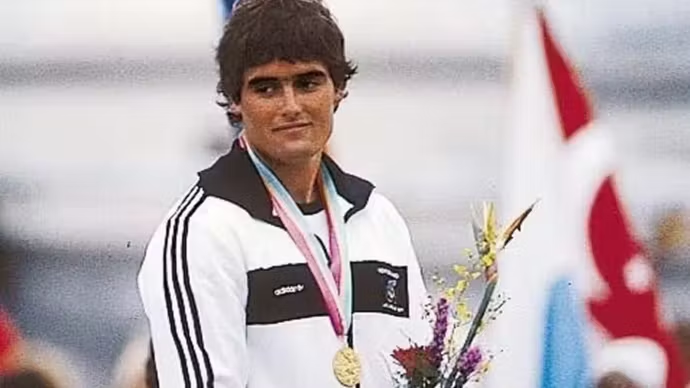
Russell Coutts wants Olympic sailing to think bigger
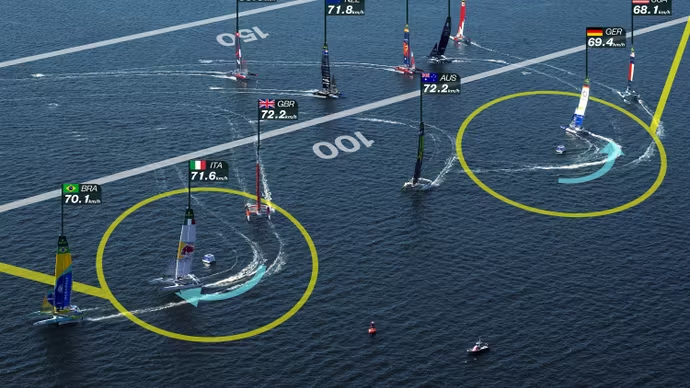
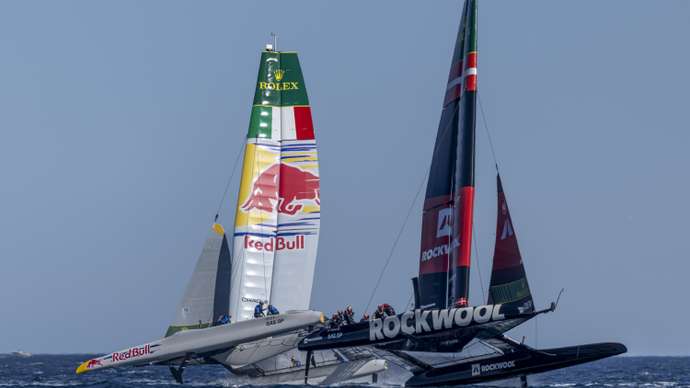
LA 2028 Event Schedule
29 Jan 2026 | Oceanbridge Sail Auckland Auckland, New Zealand | |
30 Jan – 5 Feb 2026 | 6th Lanzarote International Regatta Lanzarote | |
27 Mar – 4 Apr 2026 | 55th Trofeo Princesa Sofia Palma, Mallorca | |
18 - 25 Apr 2026 | Semaine Olympique Francaise Hyères, France | |
12 - 17 May 2026 | 49er World Championship Quiberon, France | |
12 - 17 May 2026 | NACRA 17 World Championship Quiberon, France | |
30 May – 7 Jun 2026 | Dutch Water Week Almere, Netherlands | |
20 - 28 Jun 2026 | Kieler Woche Kiel, Germany | |
11 - 19 Jul 2026 | Long Beach Olympic Classes Regatta Long Beach, California, USA | |
10 - 17 Aug 2026 | 470 World Championship Enoshima, Japan | |
23 - 30 Aug 2026 | ILCA 7 Men's World Championship Dun Laoghaire, Ireland | |
5 - 12 Sep 2026 | ILCA 6 Women's World Championship Dun Laoghaire, Ireland | |
19 Sep – 4 Oct 2026 | Asian Games Nagoya, Japan | |
21 - 26 Sep 2026 | iQFOiL World Championship Weymouth, United Kingdom |
29 Jan 2026 | Oceanbridge Sail Auckland Auckland, New Zealand | COMPLETE |
30 Jan – 5 Feb 2026 | 6th Lanzarote International Regatta Lanzarote | COMPLETE |
30 Jan – 5 Feb 2026 | 6th Lanzarote International Regatta Lanzarote | COMPLETE |
27 Mar – 4 Apr 2026 | 55th Trofeo Princesa Sofia Palma, Mallorca | Olympics |
27 Mar – 4 Apr 2026 | 55th Trofeo Princesa Sofia Palma, Mallorca | Olympics |
18 - 25 Apr 2026 | Semaine Olympique Francaise Hyères, France | Olympics |
12 - 17 May 2026 | 49er World Championship Quiberon, France | Olympics |
12 - 17 May 2026 | NACRA 17 World Championship Quiberon, France | Olympics |
30 May – 7 Jun 2026 | Dutch Water Week Almere, Netherlands | Olympics |
30 May – 7 Jun 2026 | Dutch Water Week Almere, Netherlands | Olympics |
20 - 28 Jun 2026 | Kieler Woche Kiel, Germany | Olympics |
11 - 19 Jul 2026 | Long Beach Olympic Classes Regatta Long Beach, California, USA | Olympics |
10 - 17 Aug 2026 | 470 World Championship Enoshima, Japan | Olympics |
23 - 30 Aug 2026 | ILCA 7 Men's World Championship Dun Laoghaire, Ireland | Olympics |
5 - 12 Sep 2026 | ILCA 6 Women's World Championship Dun Laoghaire, Ireland | Olympics |
19 Sep – 4 Oct 2026 | Asian Games Nagoya, Japan | Olympics |
21 - 26 Sep 2026 | iQFOiL World Championship Weymouth, United Kingdom | Olympics |
19 Sep – 4 Oct 2026 | Asian Games Nagoya, Japan | Olympics |
| No events to show |
| No events to show |