Switch Global Championship 2025

Other Sailing

Insight, action and spotlight on Other Sailing

Code Zero Media / Chiara Slijk
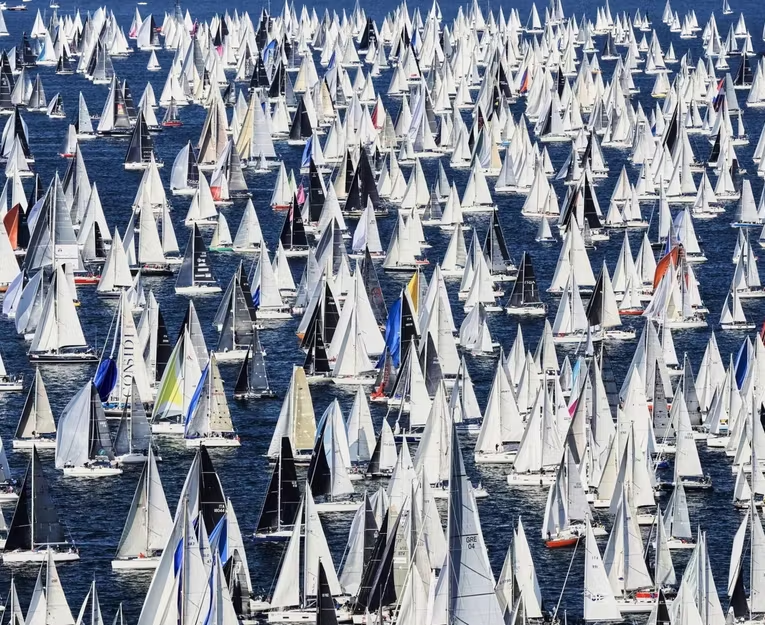
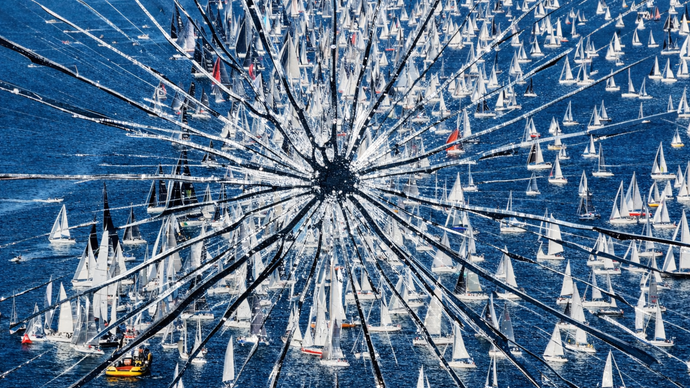
BARCOLANA57_25cb_12010107 © BARCOLANA _Studio Bollerghi
BARCOLANA / Studio Bollerghi

At a Glance

Wider World of Sailing

We probably don’t need to tell you just how broad, deep and wide the whole world of sailing is. While The Foil is putting a strong focus on the fast-growing professional racing league called SailGP, along with the America’s Cup, Olympics and the Offshore racing scene, this section is to acknowledge the much broader elements of the sport. It’s impossible for us to cover the full breadth of sailboat racing in all its forms, but here goes anyway!

Here’s a flavour of what The Foil will be covering across the year:

  • Keelboat racing
  • Sportsboat racing
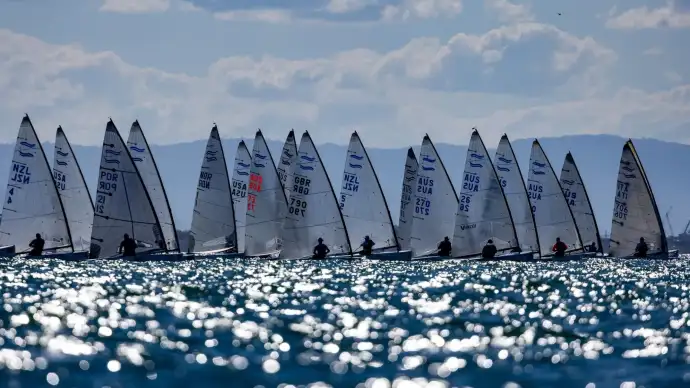
  • Dinghy racing
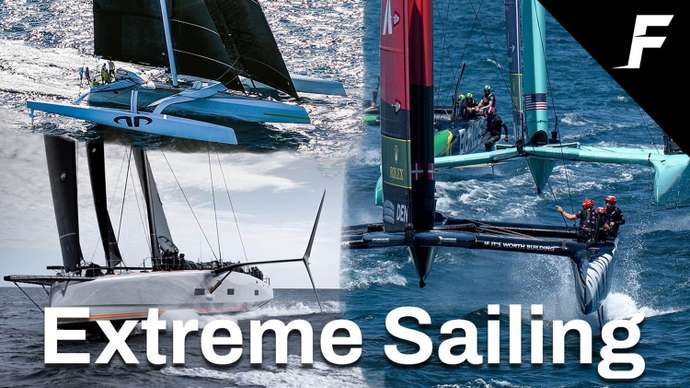
  • Multihull racing
  • Board Sports - Kiteboarding, Wingfoiling & Windsurfing
  • Disabled Sailing
  • Youth Racing
  • Match Racing
  • Team Racing
  • Model Yacht Racing
  • Ice Yacht Racing
  • eSailing (online gaming)

Mostly The Foil is focused on the top end of the sport, the cutting edge, but we’ll go where our fans want to take us.

If there's something you think we should be covering, let us know! When enough people tell us about an event or class, we’ll add it to our calendar.

Frequently Asked Questions

Dive Deeper

What do we mean by Wider World of Sailing?

Beyond SailGP, the America's Cup and offshore racing, competitive sailing spans dozens of disciplines – from Olympic dinghies and high-performance keelboats to kiteboarding, ice yachts and even radio-controlled model boats. The wider world covers everything from local club racing on a Sunday morning to world championships attracting hundreds of entries. If it floats, foils or slides across ice under wind power, it counts.

What events will The Foil cover?

The Foil will track keelboat circuits like the 52 Super Series, sportsboat fleets such as the J/70, Olympic classes including the ILCA and 49er, multihull racing from beach cats to foiling Nacra 17s, and board sports like Formula Kite and wingfoiling. We'll also follow youth pathways, Para sailing, match racing and team racing. Check the Calendar for specific events – and tell us if you think we've missed something. We probably have, because there’s simply too much to cover, but if you really feel there’s an event that deserves our attention, let us know.

What's the difference between keelboats, dinghies and multihulls?

Keelboats have weighted fins below the hull for stability – they're larger, often crewed, and race under handicap systems or one-design rules. Dinghies are smaller, lighter boats kept upright by crew weight, demanding athletic hiking or trapezing. Multihulls – catamarans and trimarans – combine stability with high speed, but sometimes capsizing spectacularly when things go wrong.

What are board sports and why are they growing?

Kiteboarding, wingfoiling and windsurfing put sailors on hydrofoils or fins at sustained speeds above 20–30 knots. The iQFOiL and Formula Kite are now Olympic classes, legitimising foil-based board sports at the highest level. Wingfoiling – using hand-held inflatable wings – is the fastest-growing discipline, combining accessibility with addictive speed. All demand balance, explosive athleticism and finely tuned fine-motor skills in the hands and feet.

What's the difference between match racing and team racing?

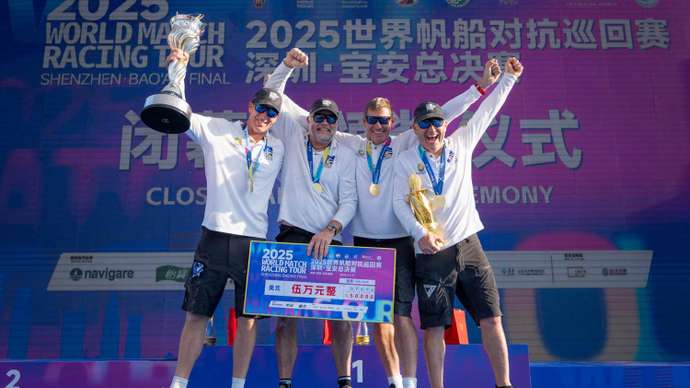
Match racing is one-on-one combat – pre-start manoeuvring, forcing penalties and boat-on-boat positioning with on-water umpires making instant calls. The World Match Racing Tour crowns world champions at the top of the sport, and there are many layers and levels below that. Team racing pits small squads (typically 3v3) against each other, rewarding communication, blocking manoeuvres and sacrificial plays that would be pointless in fleet racing. Both formats treat rules knowledge as a weapon.

What are one-design classes and why do they matter?

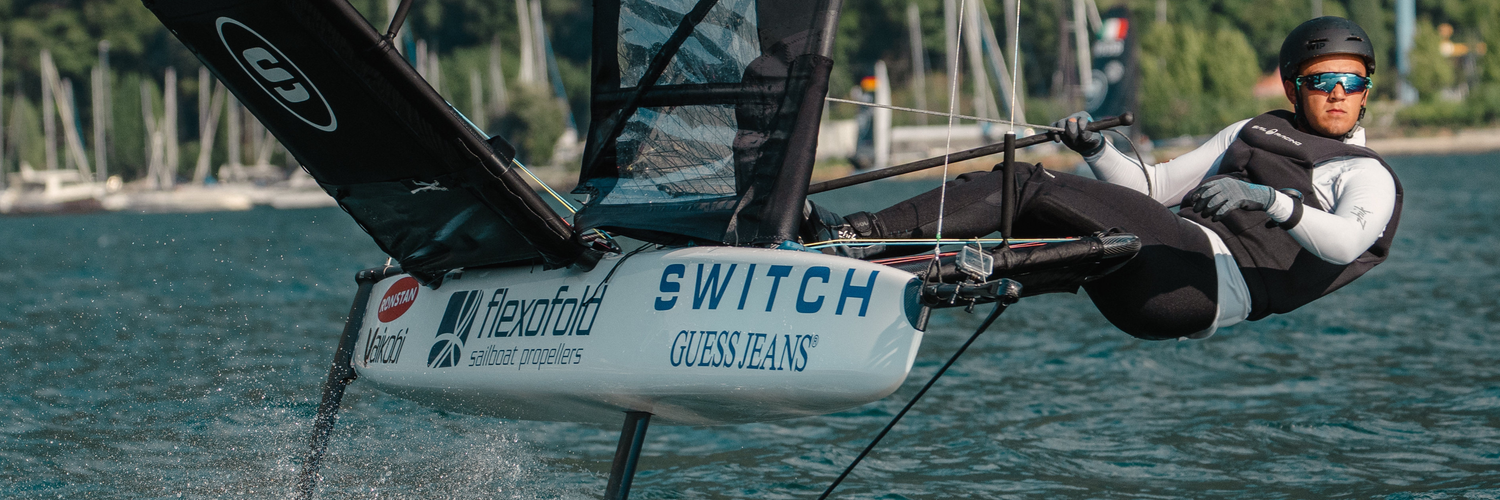
One-design means identical boats – same hull, same sails, same equipment. Classes like the J/70, Optimist and Nacra 17 eliminate technology arms races, ensuring results reflect crew skill rather than budget. This keeps racing close, costs manageable and competition fair. Development classes like the International Moth allow innovation, but one-design remains the backbone of grassroots and Olympic sailing worldwide.