
10 mind-blowing facts about the Route du Rhum

On Sunday 1 November, 118 solo sailors will cast off from Saint-Malo for the 13th edition of the Route du Rhum-Destination Guadeloupe. Ahead of them lie 3,542 nautical miles of North Atlantic in late autumn, a gauntlet of Biscay storms before the trade winds and, if they are lucky, a hero's welcome in Pointe-à-Pitre.
Since its first edition in 1978, the race has served up photo finishes, heartbreaking tragedies, carbon-fibre carnage and at least one skipper who arrived in Guadeloupe rather earlier – and more abruptly – than planned. Here are ten facts from nearly half a century of Rhum history that will make you understand why you need to follow this race closely in the coming weeks.
1. The first race was won by 98 seconds – after 23 days at sea
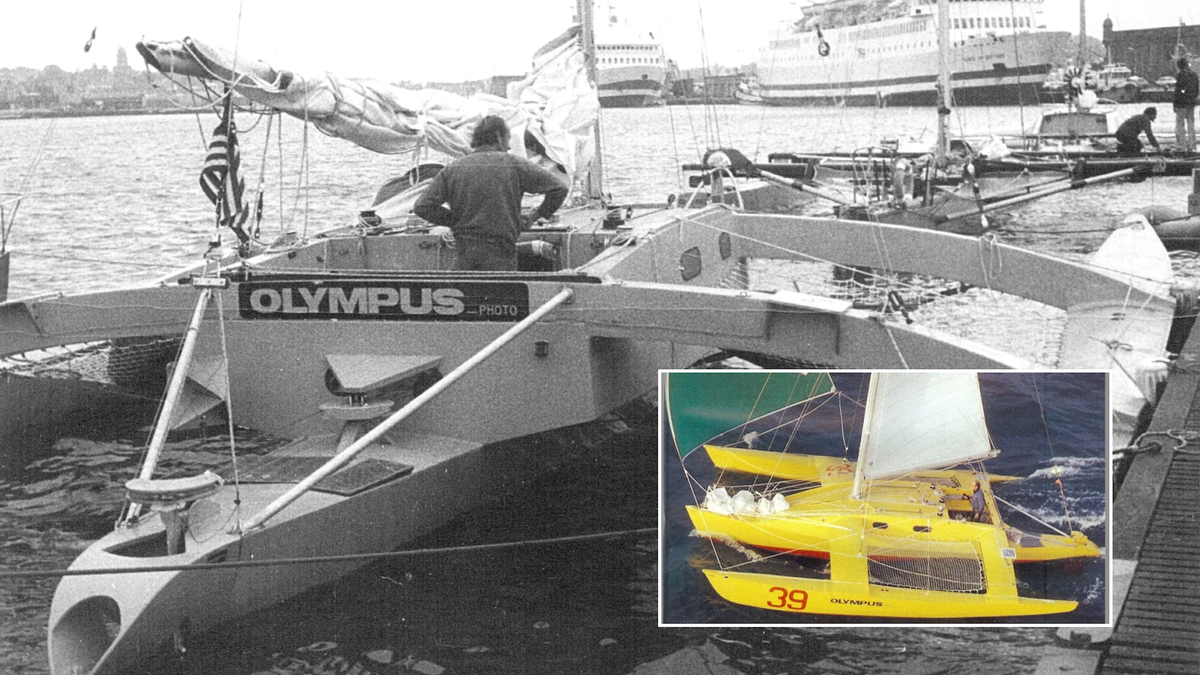
The Route du Rhum was dreamt up by Parisian advertising man Michel Etevenon as a 'transat of freedom', open to monohulls and multihulls of any size, professionals and amateurs alike. Thirty-eight boats started in 1978, and only about a quarter of them were proper racing machines.
All eyes were on the giants, particularly Michel Malinovsky's 21-metre monohull Kriter V. Nobody paid much attention to Mike Birch, a 45-year-old Canadian on Olympus Photo, a little yellow trimaran barely 11 metres long. Yet after more than 23 days of racing, Birch ghosted up to Kriter V in the Caribbean and snatched victory by just 98 seconds. It remains one of the most extraordinary finishes in offshore racing history – and it signalled the start of the multihull era.
2. One of the favourites vanished without trace
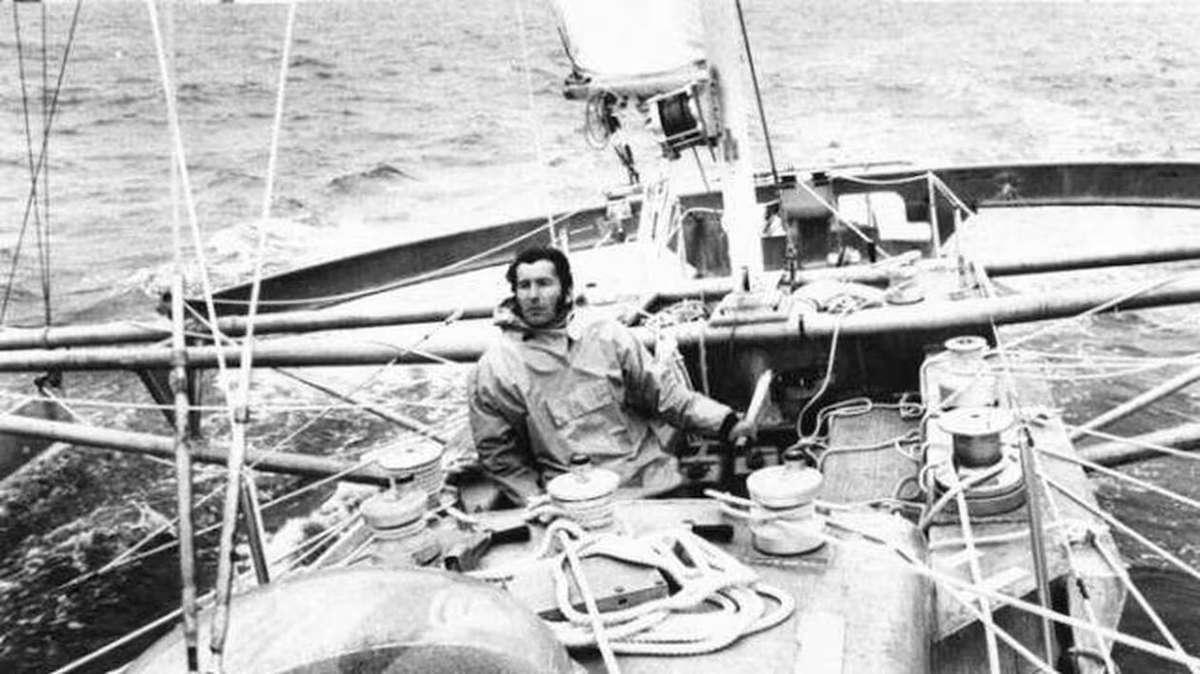
That first race also delivered the Rhum's darkest chapter. Alain Colas, one of France's most celebrated sailors, was racing Manureva, the trimaran formerly known as Pen Duick IV, on which he had already sailed around the world. Around 16 November 1978, somewhere in the region of the Azores, Manureva stopped responding.
Colas's final radio messages described being caught in the heart of a storm, surrounded by huge seas. Neither the sailor nor his boat was ever found. The loss shook France so deeply that Serge Gainsbourg and Alain Chamfort wrote a song in his memory, simply titled 'Manureva', which became a hit.
3. Eight years later, the ocean claimed another
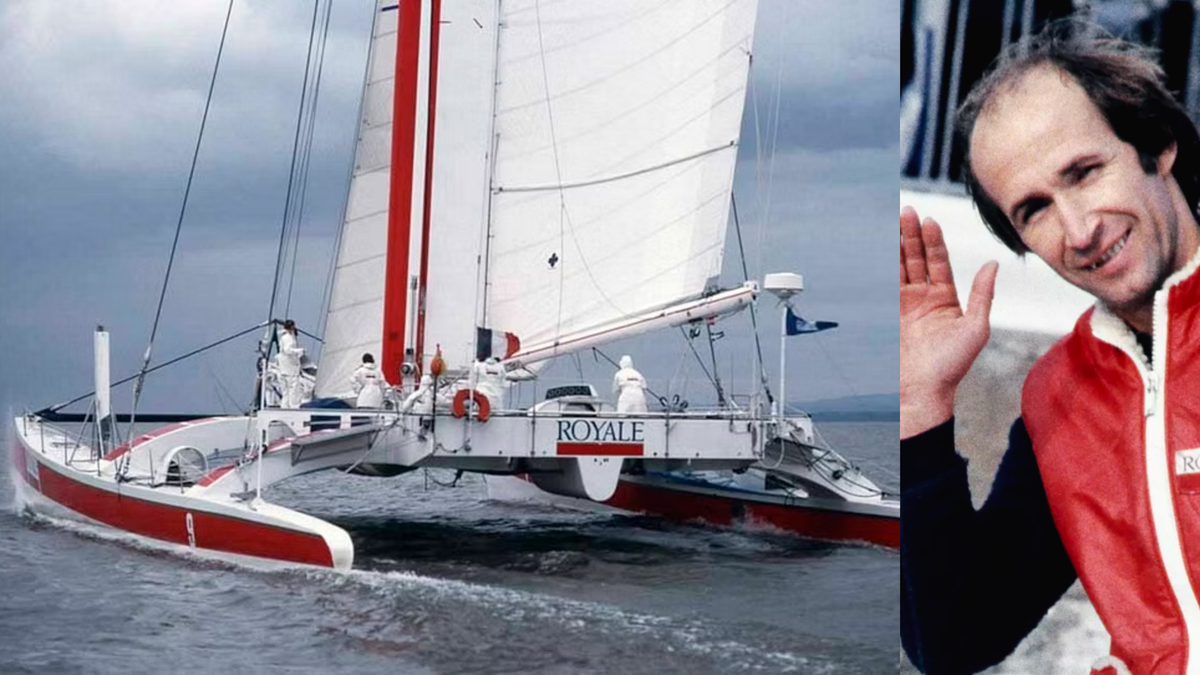
If anyone thought the 1978 tragedy was a freak event, 1986 proved otherwise. A procession of low-pressure systems battered the fleet, and a majority of the boats retired. Loïc Caradec's 26-metre maxi catamaran Royale capsized in the storm, and Caradec was lost at sea. Two editions out of the first three had now ended in the death of a top skipper – a grim reminder of what solo sailing in the North Atlantic in November really means.
4. A woman in a neck brace beat the lot of them
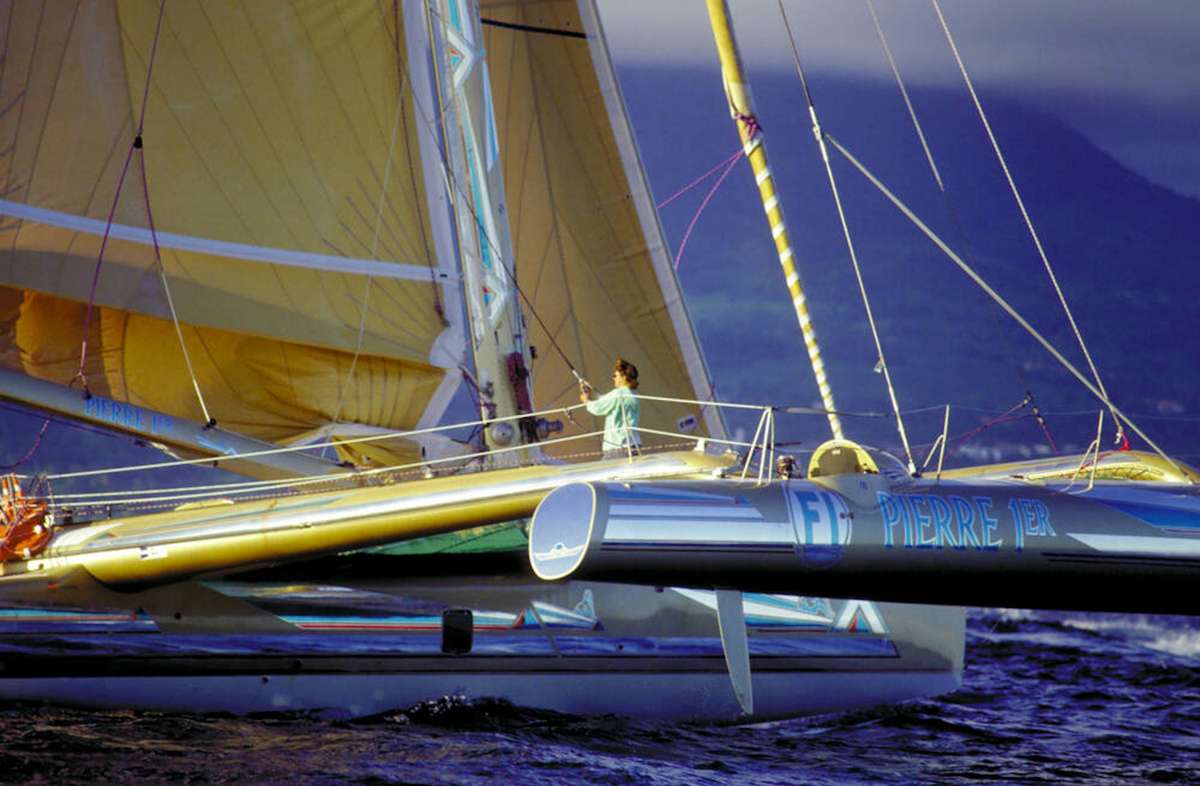
In 1990, Florence Arthaud took her golden 60ft trimaran Pierre 1er to Pointe-à-Pitre in a record-breaking 14 days and 10 hours, becoming the first woman to win the race. She beat the previous winner, Philippe Poupon, by around eight hours.
What makes the achievement even more remarkable is what she was dealing with on the way. Arthaud battled rough seas with an unreliable radio and a failing autopilot, and was nursing a slipped disc so painful that she raced wearing a neck brace. She had already been through a near-fatal car crash as a teenager that left her in a coma. The French nicknamed her 'the little fiancée of the Atlantic', and her win inspired a generation of female sailors.
5. In 2002, only three of 18 big trimarans made it to the finish
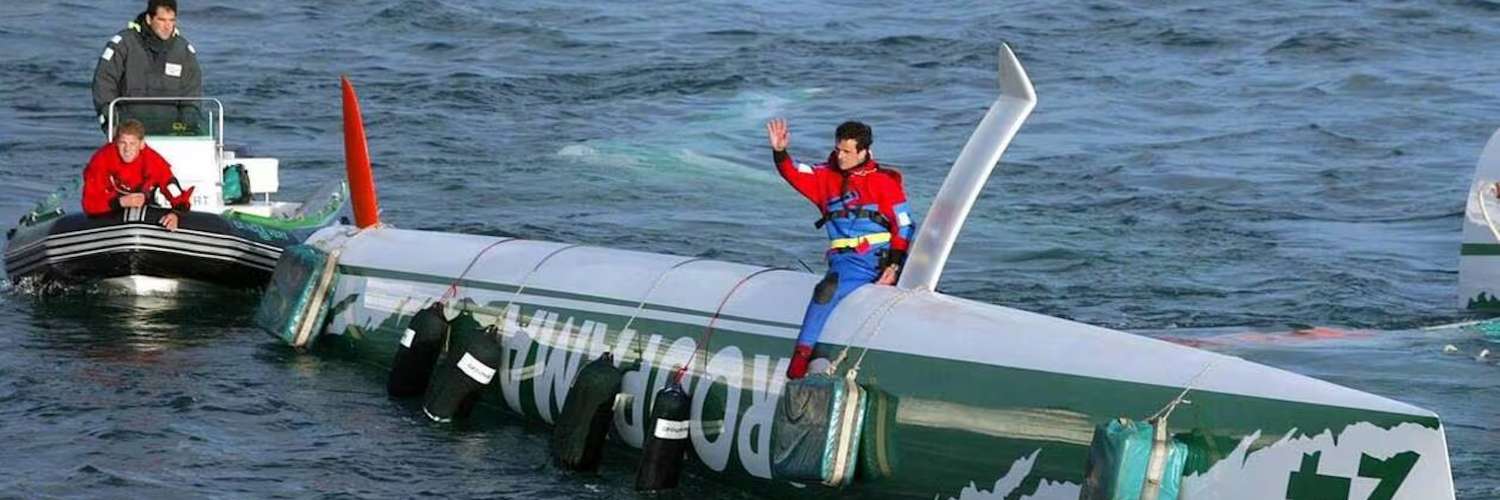
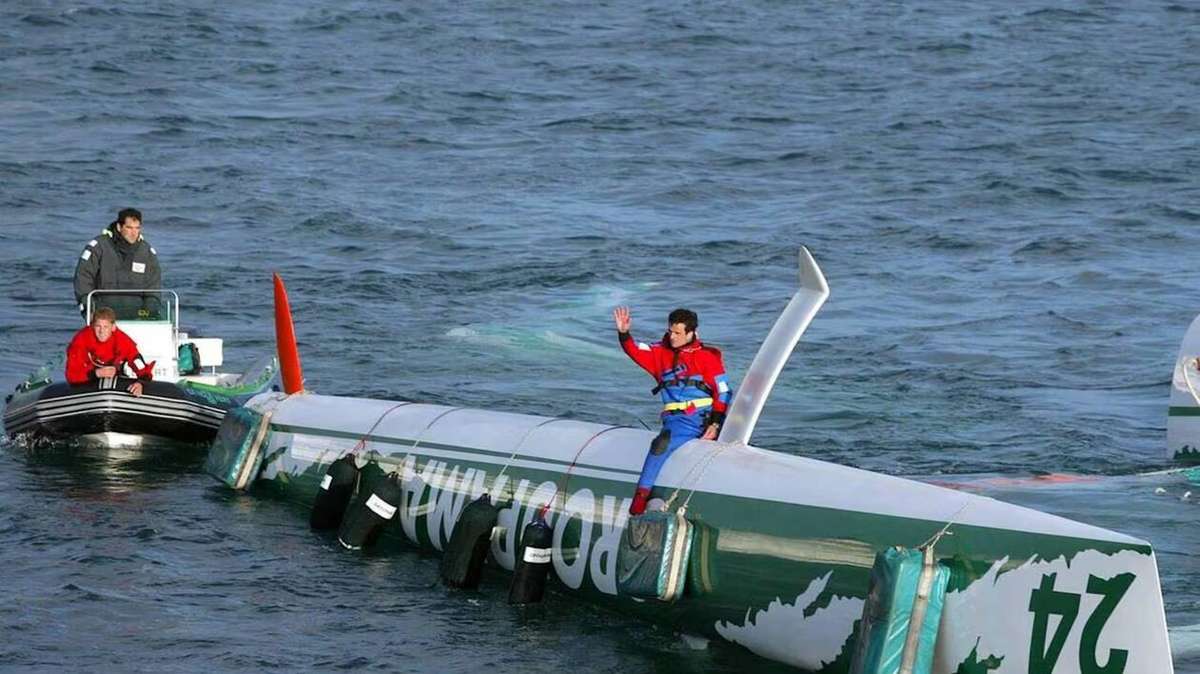
The 2002 race is remembered as the most brutal in the event's history. The fleet of 58 sailed straight into a ferocious storm, and around 30 skippers retired. The 60ft ORMA trimarans – the Formula One machines of their day – were decimated. Out of 18 starters, just three crossed the finish line.
The pre-race favourite, Franck Cammas, capsized Groupama on the very first night, and Jean Le Cam promptly sailed into the upturned hull and damaged his own trimaran. Yvan Bourgnon flipped Rexona Men while he was below deck talking to his weather router, hit by a gust in winds reported at around 75 knots. Francis Joyon capsized too, while Loïck Peyron watched a float on his brand-new Fujifilm snap in two. Michel Desjoyeaux, one of the few to survive, went on to win on Géant.
6. Ellen MacArthur came within hours of beating the multihulls
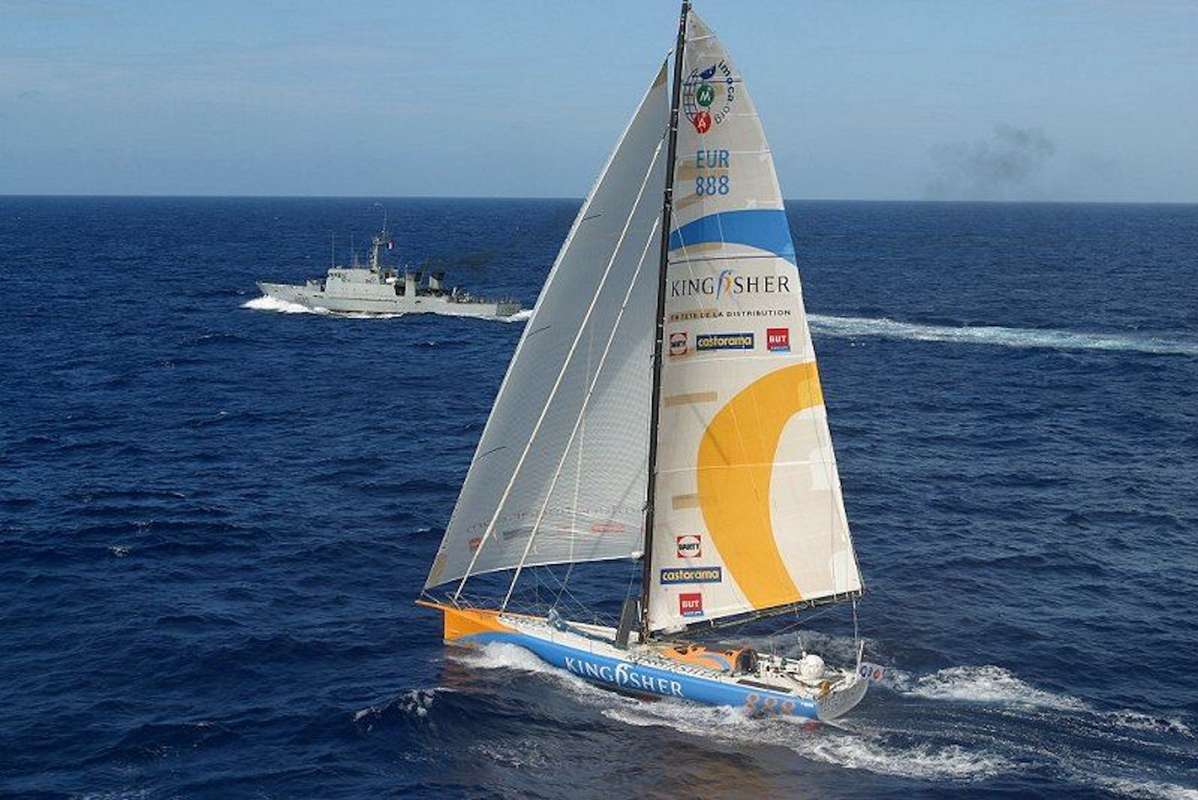
While the trimarans were tearing themselves apart, Britain's Ellen MacArthur was engaged in an epic duel in the Open 60 monohull class with fellow Brit Mike Golding. Climbing the mast in storm conditions was, she said later, the hardest part of the race. MacArthur won the class on Kingfisher in 13 days 13 hours, slicing more than two days off the monohull record.
For a while, it even looked as if she might become the first monohull sailor ever to cross the line first overall. In the end, Desjoyeaux's Géant pipped her to line honours by only about five and a half hours.
7. The first winner was still racing at 71
Remember Mike Birch, hero of 1978? He went on to sail every one of the first seven editions. In 2002, for the first time, he raced a monohull rather than a multihull – and at the age of 71 he brought it home in a very respectable ninth place in the fiercely competitive Open 60 fleet. Sailing single-handed across the Atlantic in November in your eighth decade deserves a special place in the record books.
8. Forty years on, the giants finished just seven minutes apart
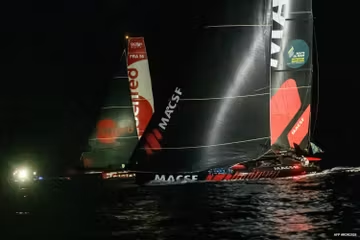
The 2018 race marked the event's 40th anniversary, and it produced a finish worthy of 1978. After a transatlantic duel, 62-year-old Francis Joyon, on the veteran maxi trimaran IDEC Sport, beat François Gabart and his much newer MACIF by just 7 minutes and 3 seconds, tacking around the island of Guadeloupe in the final miles. Joyon also set a new race record of 7 days, 14 hours and 21 minutes. It was the closest finish since Birch's 98 seconds – and a victory for experience over youth.
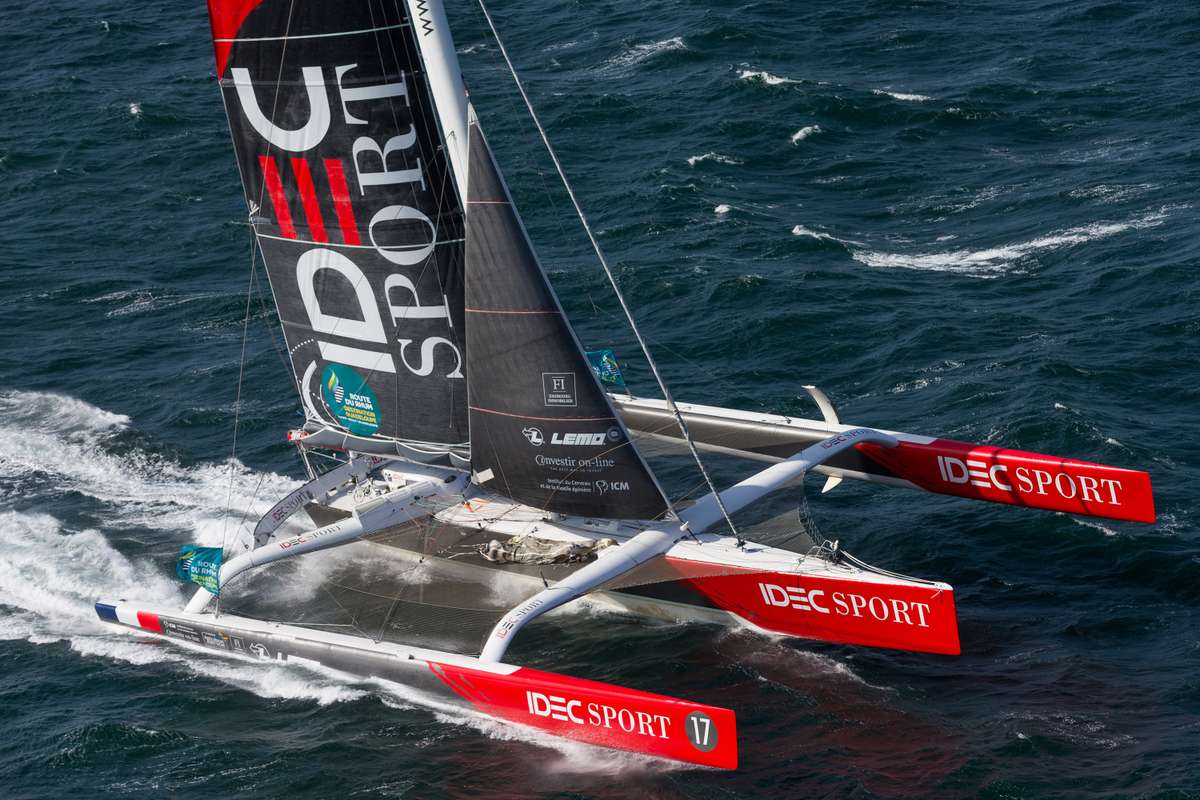
9. Half the Ultim fleet was out within two days
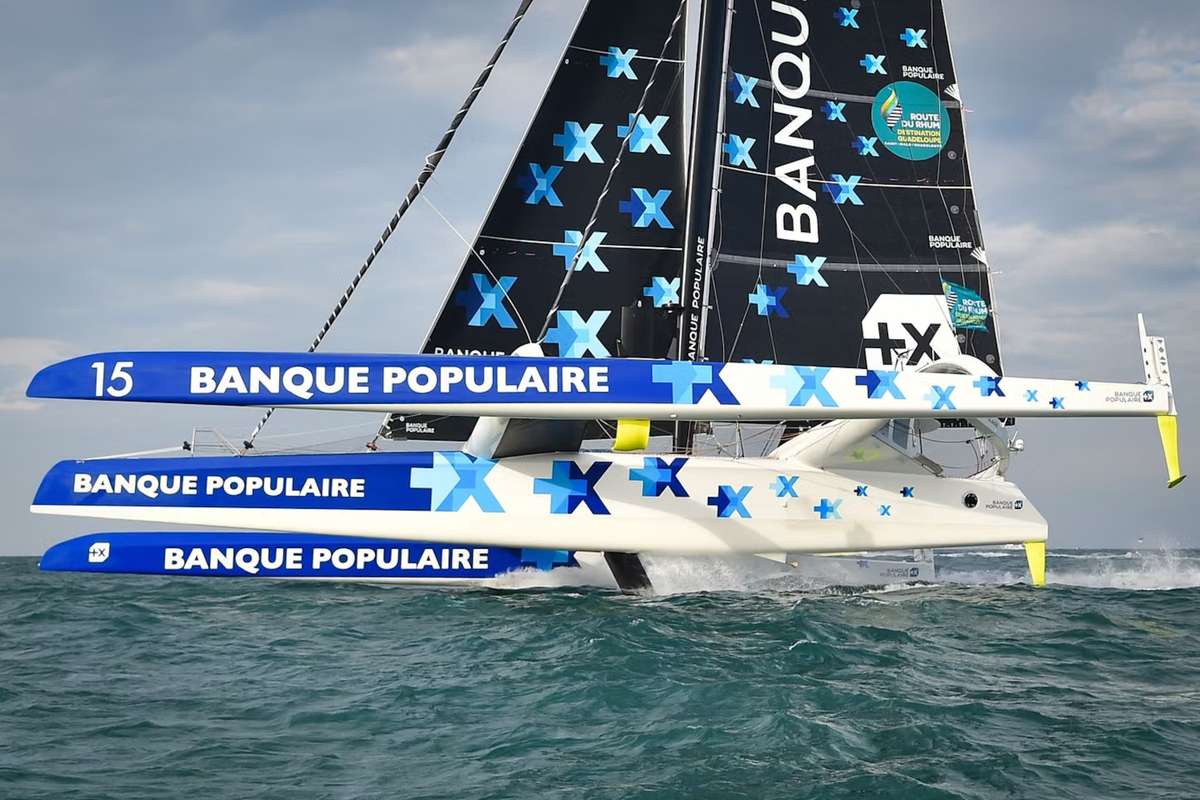
The 2018 race was also brutal for the biggest boats. A storm awaited the fleet as it left Biscay, and within 48 hours half of the six Ultim trimarans were out of the race. Sébastien Josse's Maxi Edmond de Rothschild suffered hull damage, and Thomas Coville's Sodebo Ultim' had a structural failure in its forward beam.
The most dramatic incident involved former Vendée Globe winner Armel Le Cléac'h. About 340 miles north-east of the Azores, in five-metre seas, the port float of Banque Populaire IX broke away and the giant trimaran turned over. Le Cléac'h sheltered safely in the central hull until he was rescued. Astonishingly, it was the boat's second capsize that year, after an earlier flip during training off Morocco.
10. Alex Thomson crashed into Guadeloupe while asleep
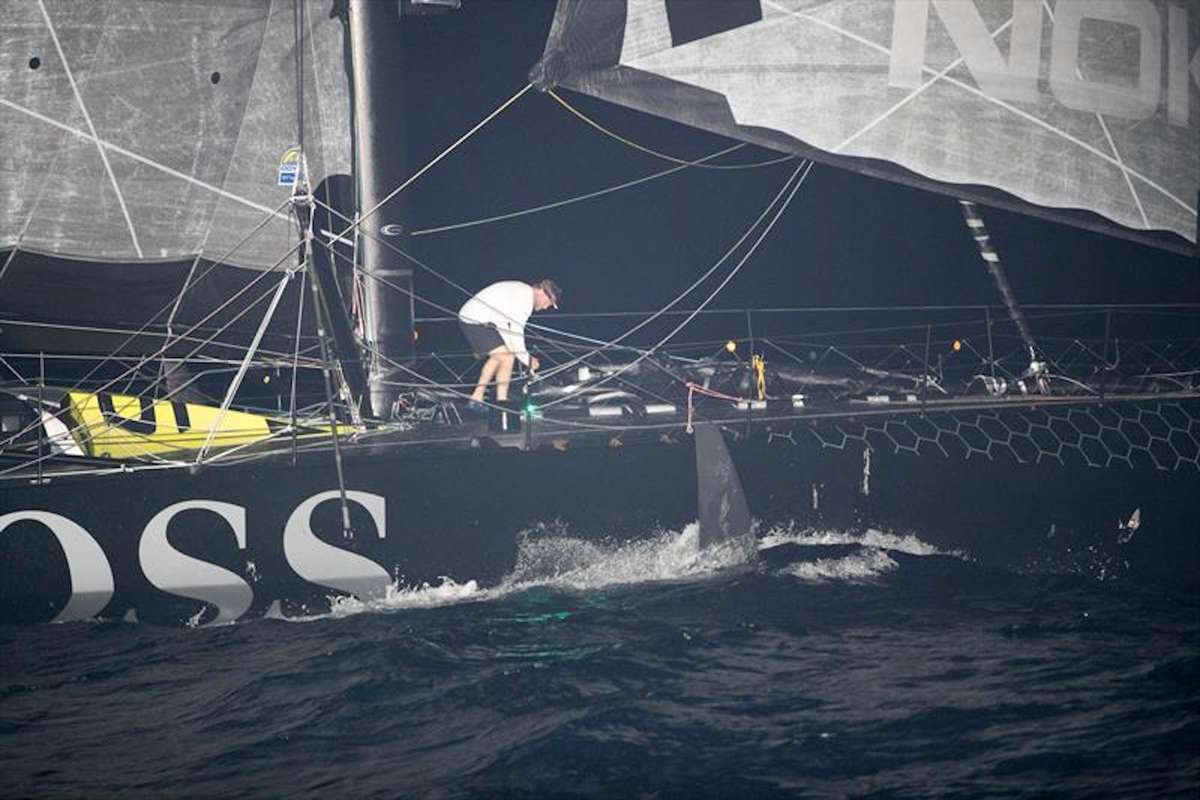
Perhaps the most surreal moment in Rhum history came in 2018. Britain's Alex Thomson had dominated the IMOCA class on Hugo Boss and was on course for a comfortable win. Then, at around 01:45 UTC on 16 November, with less than 100 miles to go, exhaustion took over. He slept through his alarm, and the wristwatch designed to give him an electric shock to wake him up had a flat battery.
Hugo Boss sailed straight into the rocky cliffs on the northern tip of Grande-Terre. Thomson later joked that when he looked at the chart, he realised he was on Guadeloupe: "I had arrived!" To get free, he had to lower his sails and use his engine to reverse off the rocks. He still crossed the line first in the IMOCA class, but the jury handed him a 24-hour penalty for using his engine. That dropped him to third place, and Paul Meilhat claimed the win. Thomson accepted the decision with grace, saying he did not deserve to win.
After Storm Austen, what next?
The race has changed beyond recognition since Birch's 23-day crossing. In 2022, Charles Caudrelier set the current record of 6 days, 19 hours and 47 minutes on the foiling Maxi Edmond de Rothschild – under a third of the original winning time.
This year, Caudrelier returns to defend his title against Le Cléac'h, Coville and Tom Laperche the front runners in the elite eight-boat Ultim fleet. It's the 49 entries in the Class40s who make up the biggest fleet. After Saint-Malo was blasted by Storm Austen just a week before the start, the sailors will be hoping for a clear run through the often treacherous Bay of Biscay, the first big obstacle on the way towards Guadeloupe.
Topics
Articles You Might Be Interested in
Oliver Heer builds an all-star squad for The Ocean Race
The week in racing - 23 Nov ’26
The week in racing - 16 Nov ’26
Steered by the stars: Elodie Bonafous claims IMOCA podium on her first solo transatlantic

Kevin Escoffier in court during Route du Rhum
How do you pick World Sailor of the Year in a sport this diverse?
Match race to the line as Bourgnon and Horeau take Route du Rhum wins
The week in racing - 9 Nov ’26



Member Discussion