
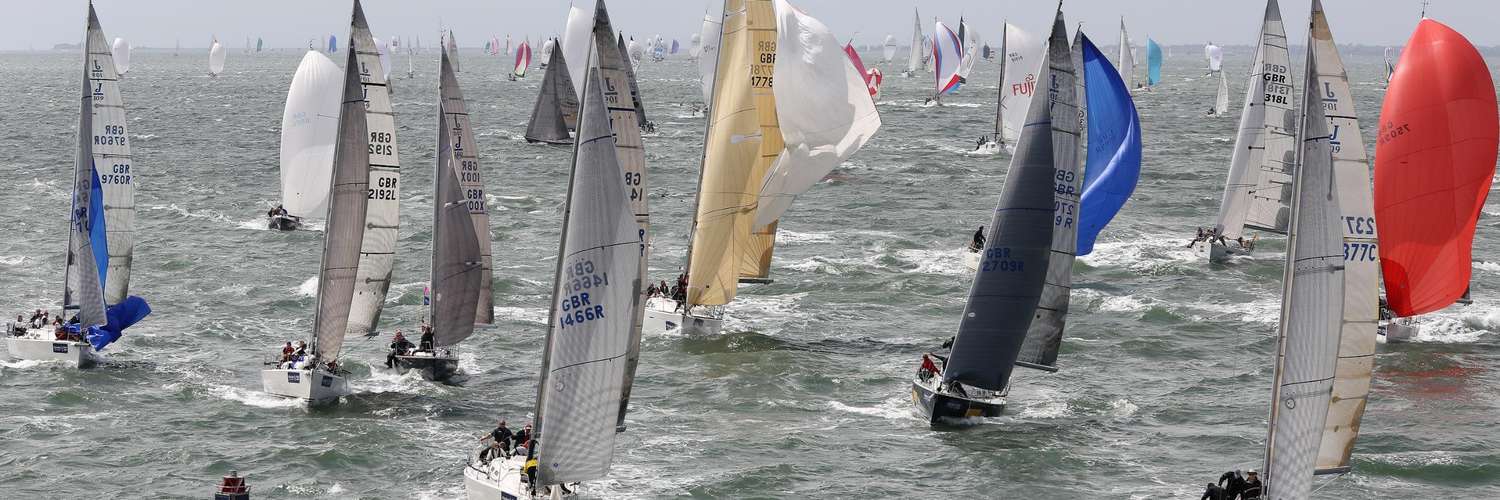
Freddie Carr: Cowes Week turns 200 – why Britain's greatest regatta still means everything

Cowes Week is Britain’s regatta.
If you’re a British yacht sailor, it’s the event you have to do at least once. It’s our equivalent of Wimbledon or the Grand National. There are bigger regattas and there are faster boats, but none carry the same history, prestige or uniquely British atmosphere as Cowes Week.
This year feels even more special. Racing has taken place off Cowes for 200 years, making it one of the oldest and most enduring sporting events anywhere in the world.
It’s also hard to believe that it’s been 30 years since I first tried to compete at Cowes Week.
I was a 14-year-old Laser sailor desperate to get my first taste of yacht racing. My dad’s advice was simple: “Go over to Cowes, walk the docks and ask people if they need crew. Someone will give you a ride.”
So that’s exactly what I did.
Armed with plenty of enthusiasm but very little experience, I spent the week wandering the pontoons asking anyone who would listen if they needed another pair of hands.
I didn’t get a single ride.
By the middle of the week I’d accepted defeat and ended up selling ice creams from a local shop just to earn a bit of pocket money instead.
Looking back, it wasn’t the Cowes Week I’d imagined.
But it left an enormous impression on me.
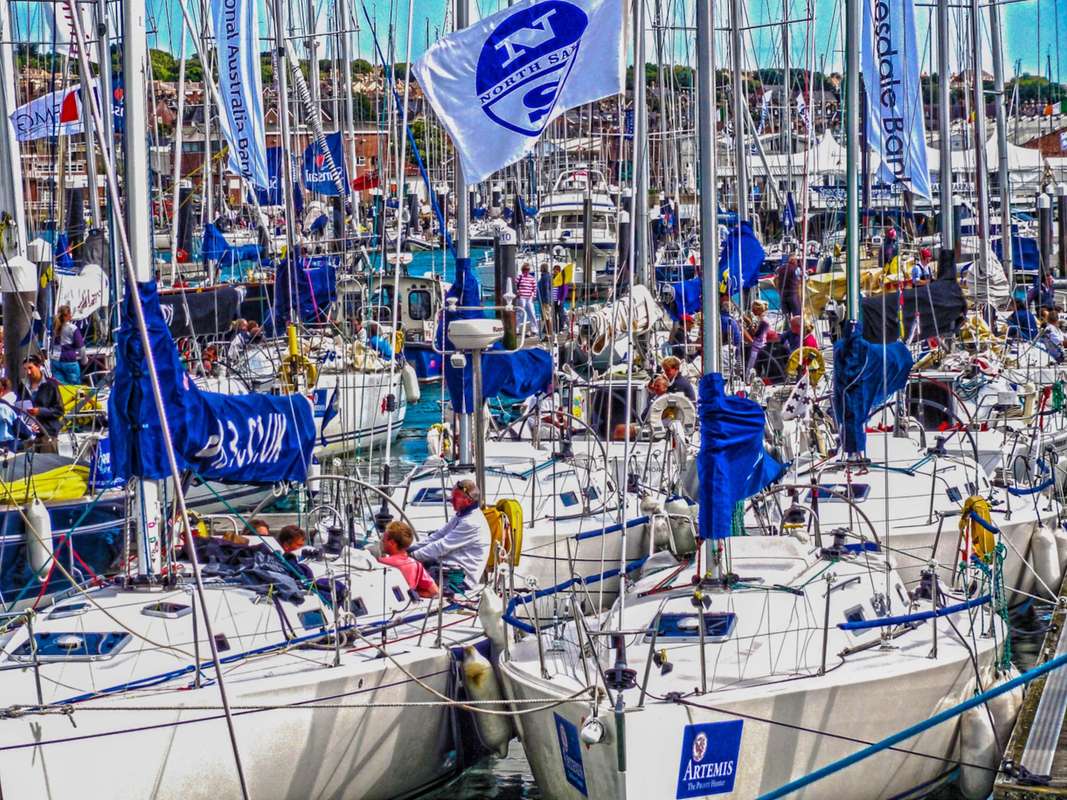
Everywhere I looked there were incredible yachts, world-class sailors and larger-than-life characters. The town buzzed from first light until long after the racing had finished. It felt less like a regatta and more like a festival of sailing. To a 14-year-old kid, the crews walking the streets might as well have been rock stars.
I remember standing on the dock looking at these amazing boats thinking, one day I want to sail on those boats. I want to be one of those guys.
Thirty years later, that feeling hasn’t changed. Cowes Week remains unlike any other regatta on the calendar. It is where history meets the present, where Olympic medallists, America’s Cup sailors, weekend racers and first-time crews all share the same stretch of water. That is what makes this 200th edition so significant.
More than just another regatta
Cowes Week has always been difficult to define because it is so much more than a race meeting.
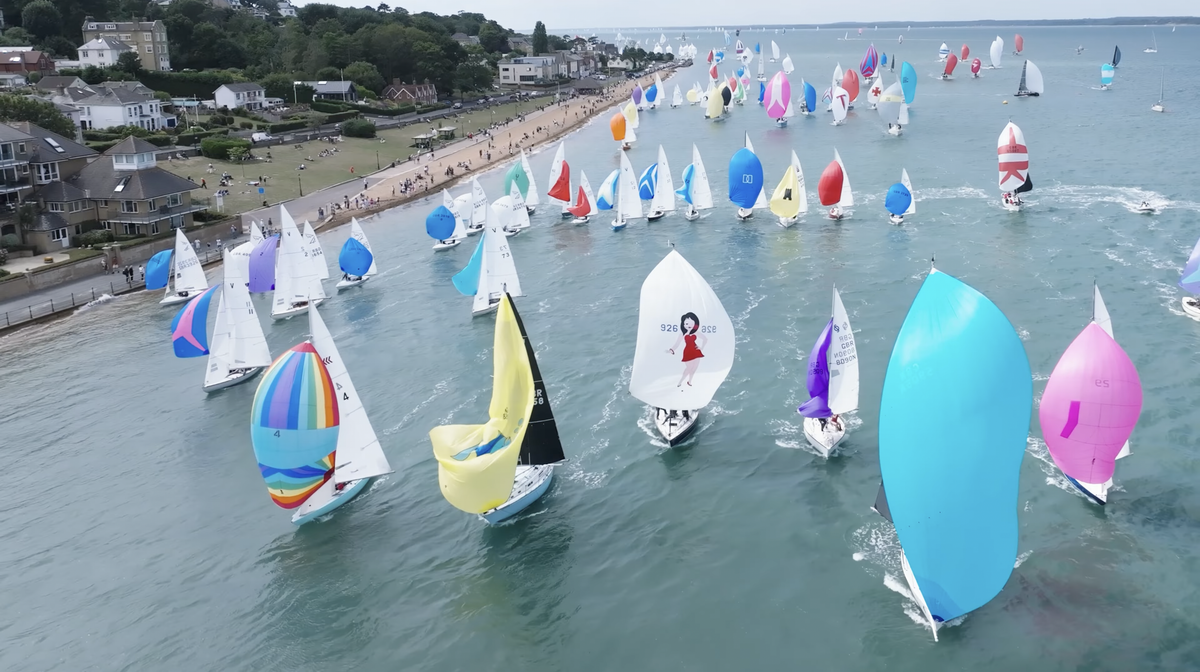
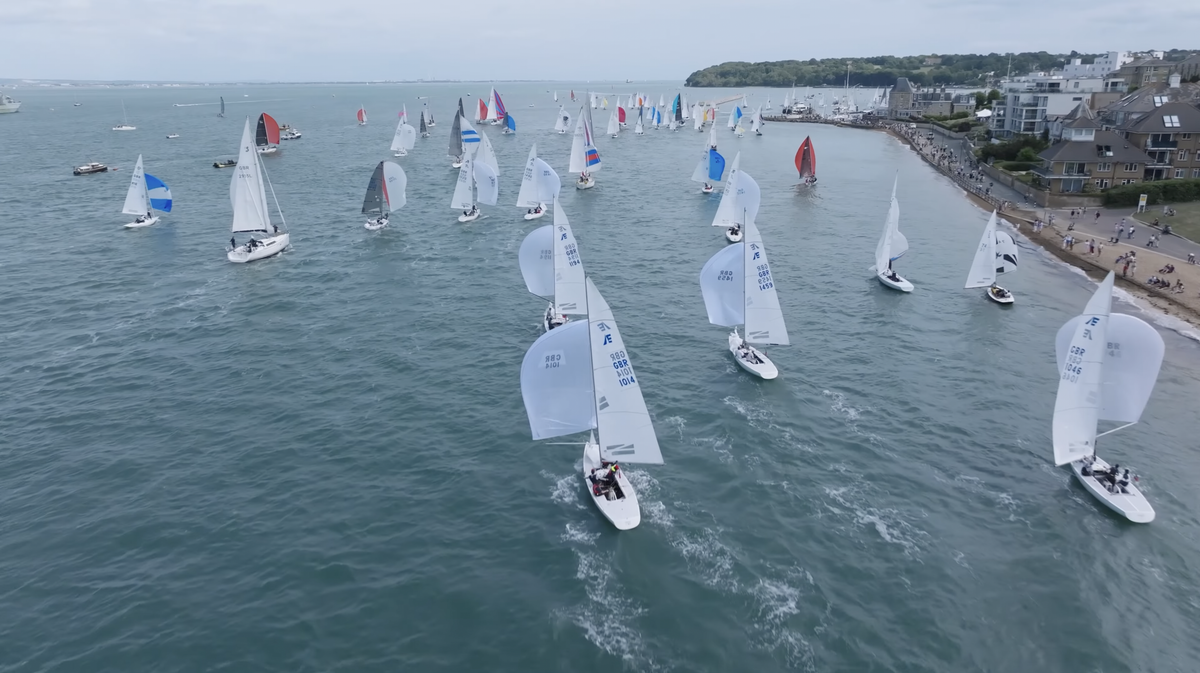
On any given day there are up to 40 races taking place simultaneously across the Solent, with fleets ranging from classic wooden keelboats that have been racing for generations to the latest high-performance handicap yachts. Around 750 boats and thousands of sailors descend on the Isle of Wight, making it one of the largest sailing regattas anywhere in the world.
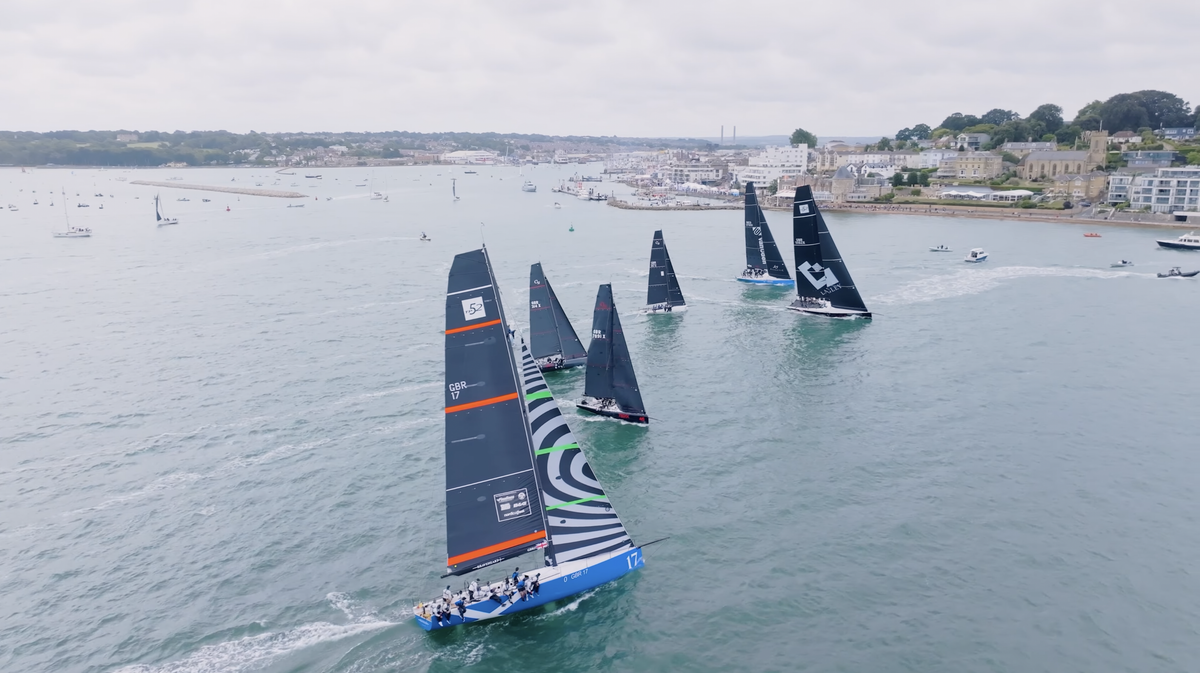
It is one of the few events where a professional America’s Cup sailor can be lining up alongside someone competing in their very first regatta. That mix is what has always made Cowes Week special.
A week that belongs to every sailor
Unlike many elite sailing events, Cowes Week remains remarkably accessible.
Whether you race a J/70, a Dragon, an XOD, an IRC grand prix yacht or a family cruiser, there is likely to be a start line waiting for you. Every fleet has its own story, its own rivalries and its own heroes.
For many owners and crews this is the biggest week of their season. For others it is simply an excuse to spend seven days racing hard before enjoying the unique atmosphere ashore.
Few sporting events blend competition and social life as naturally as Cowes Week.
The Solent never gives anything away
The racing itself remains some of the most tactically demanding anywhere.
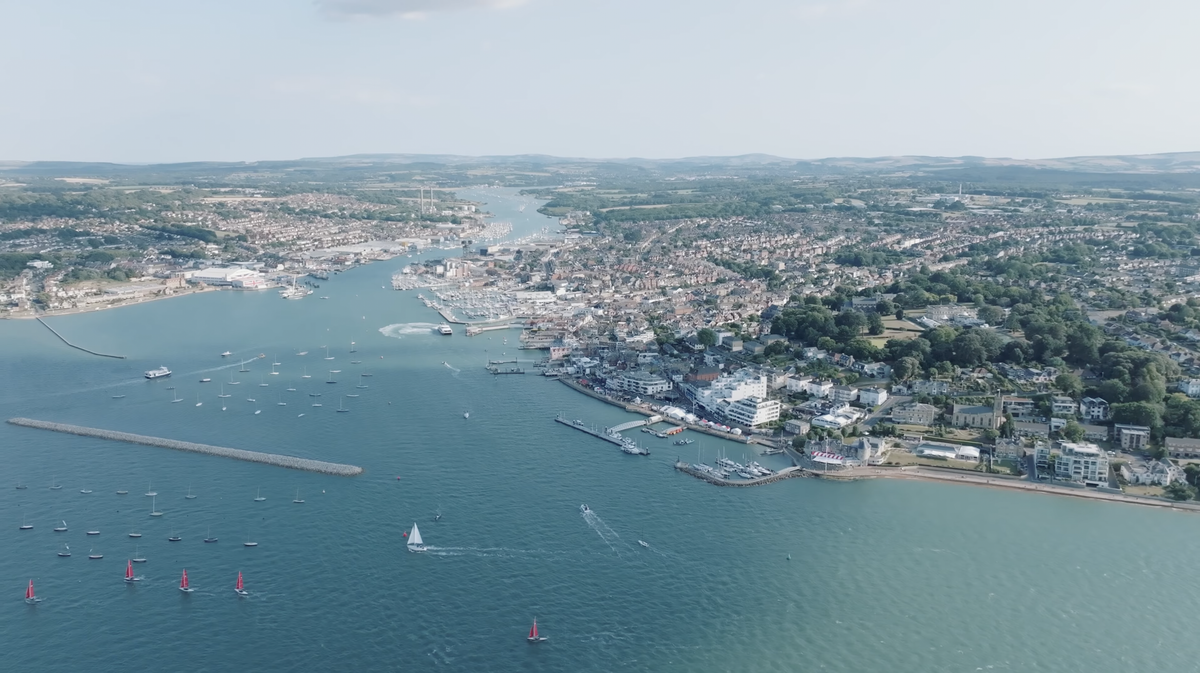
Tide dominates almost every decision. Wind bends around the Isle of Wight, funnels through the western Solent and changes character completely depending on where you are on the racecourse.
Local knowledge still counts for plenty, but it rarely guarantees success.
Every race becomes a constant balancing act between current, geography, pressure and fleet positioning. Win the shifts but lose the tide and you’ll go backwards. Nail the current but miss a pressure line and the result is exactly the same.
It’s one of the reasons so many of the world’s best sailors keep returning.
Celebrating 200 years ashore
The bicentenary isn’t just being celebrated on the water. Throughout the week, Cowes will host its biggest shoreside programme in years, turning the town into a festival befitting one of British sport’s oldest events.
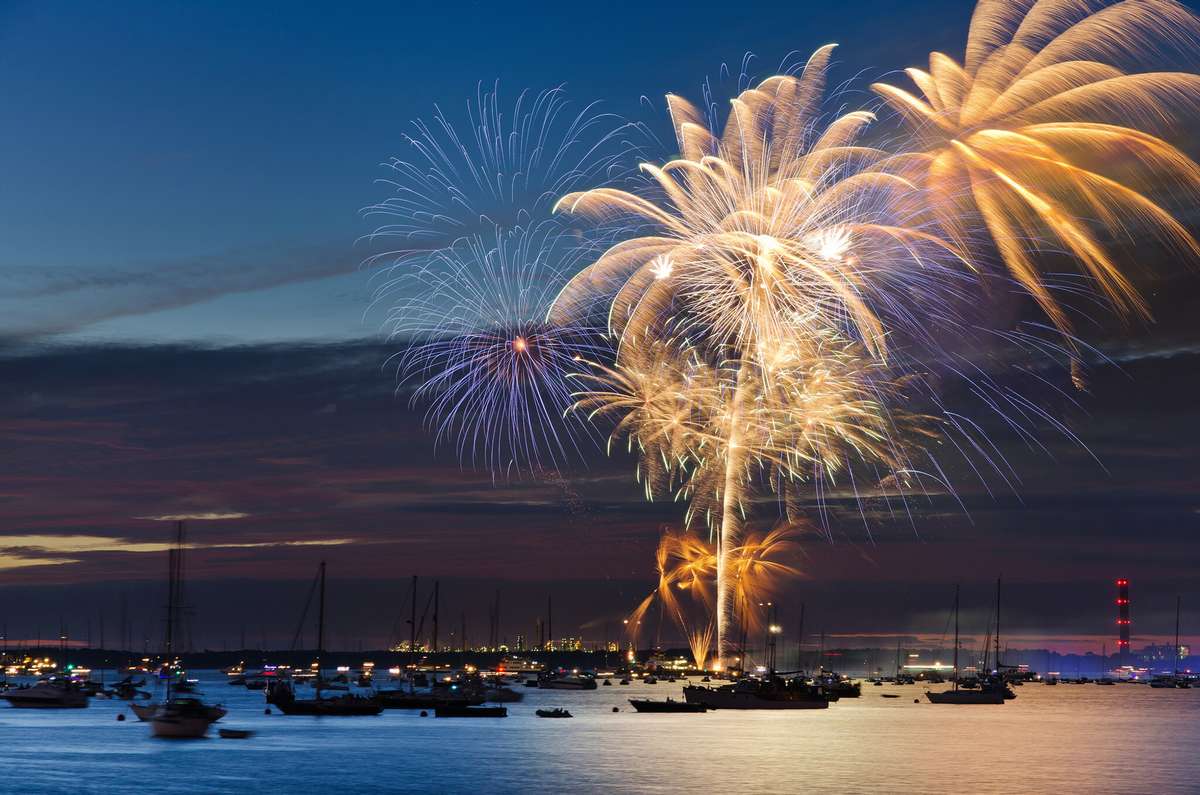
The return of the iconic Friday night fireworks – absent since 2019 – will provide a spectacular finale to the regatta, lighting up the Solent in celebration of 200 years of racing. Live music, entertainment, exhibitions and family attractions will run throughout the week, while Northwood House, Cowes Yacht Haven and venues across the town will host a packed programme of social events.
The organisers are also embracing the history of the regatta with special bicentenary exhibitions and displays celebrating the evolution of Cowes Week from a two-race regatta in 1826 into one of the world’s largest and longest-running sailing events. Visitors will have the opportunity to explore two centuries of yachting heritage while enjoying a modern regatta that continues to attract sailors from every corner of the sport.
For many competitors, the racing will always come first. But this year there is a sense that everyone taking part – whether afloat or ashore – is becoming part of sailing history.
Why it still matters
Sailing has changed beyond recognition over the last 200 years.
Foiling boats now fly above the water. SailGP races at motorway speeds. The America’s Cup has become unrecognisable from its origins.
Yet Cowes Week continues to thrive because it has never forgotten what makes sailing enjoyable.
It remains a celebration of every level of the sport. Professionals still want to win it. Club sailors still dream of competing in it. Families continue returning generation after generation.
Few regattas anywhere in the world can claim to have survived for two centuries while remaining relevant to both elite sailors and weekend racers alike.
Cowes Week can.
As the fleet heads out onto the Solent once again this August, Britain’s most famous sailing event won’t simply be celebrating its past. It will be reminding the sailing world why it still has such an important place in its future.
Two hundred years after the first yachts crossed the start line off Cowes, the challenge remains exactly the same: master the tides, read the breeze, beat your rivals and, if you’re lucky enough, become part of one of sailing’s greatest traditions.
As I get older, I want to race professionally at the highest level I can for as long as possible. Sailing is in my blood and racing is simply what I do. But there is no escaping the fact that Father Time catches us all. I’ll slow down, the boats I race will inevitably get a little slower, and my career will evolve.
One thing, however, will never change.
I hope I’m still racing Cowes Week in my eighties, maybe even my nineties. Long after the America’s Cups, the TP52s and all the professional campaigns have passed, this is the regatta I’ll keep coming back to.
Because, as a British yacht sailor, Cowes Week is more than just another event on the calendar.
It’s a rite of passage.
Articles You Might Be Interested in
Freddie Carr: Naples is not a neutral racecourse
The week in racing - 21 Sep ‘26

The Foil Debrief: Five more knots and Geneva would be the best event on the circuit
Ratcliffe isn't backing down – what the latest INEOS vs Athena court filing tells us
Freddie Carr: Oceanpact-Viking holds its nerve to win J/70 World Championship
Two drivers down: Who steers the US at Geneva SailGP?
Freddie Carr: Leopard 3 and North Star III crown a Maxi Yacht Rolex Cup for the ages
The week in racing - 14 Sep ‘26



Member Discussion