
The SSL story: from Star boats to the Gold Cup

When Fredrik Lööf and Max Salminen won the Star in Weymouth in August 2012, they took the last Olympic gold the class has handed out. Francis Sweisguth’s 1910 two-person keelboat had raced at every Games bar one since 1932. After London, it was gone.
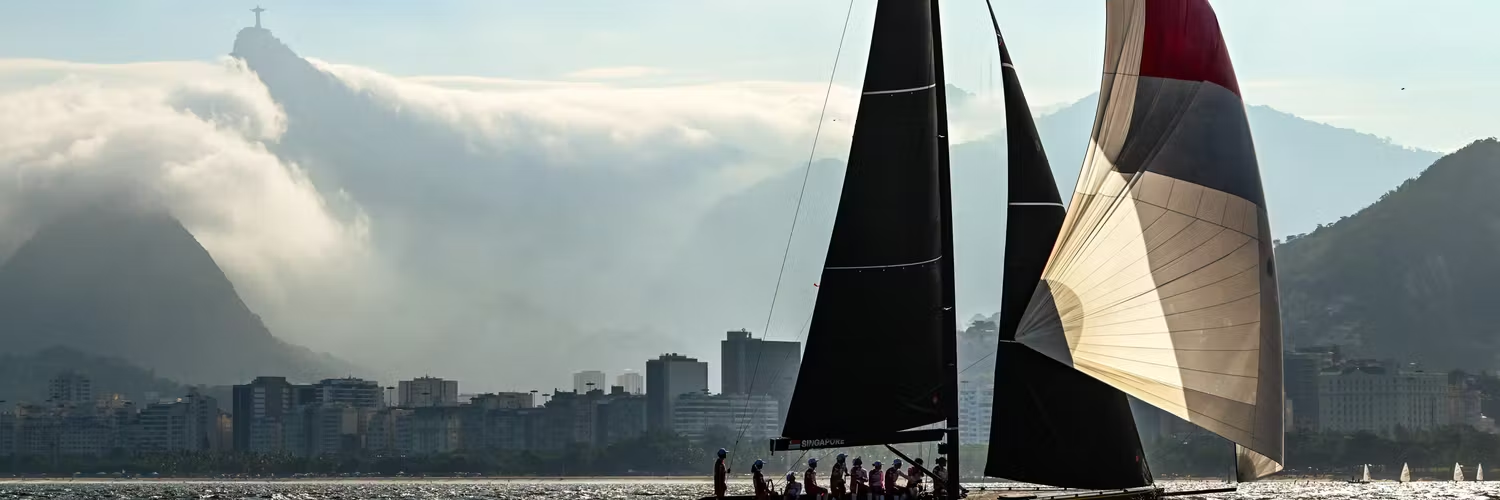
What happened next is how sailing ended up with a ‘World Cup’ – the second edition of which is now under way in Rio de Janeiro.
The man who bankrolled it
After London, a group of Star sailors sat down to find a way of keeping the best of them racing against each other. Among them was Xavier Rohart, the French two-time Star world champion and Athens 2004 bronze medallist who would later become SSL president.
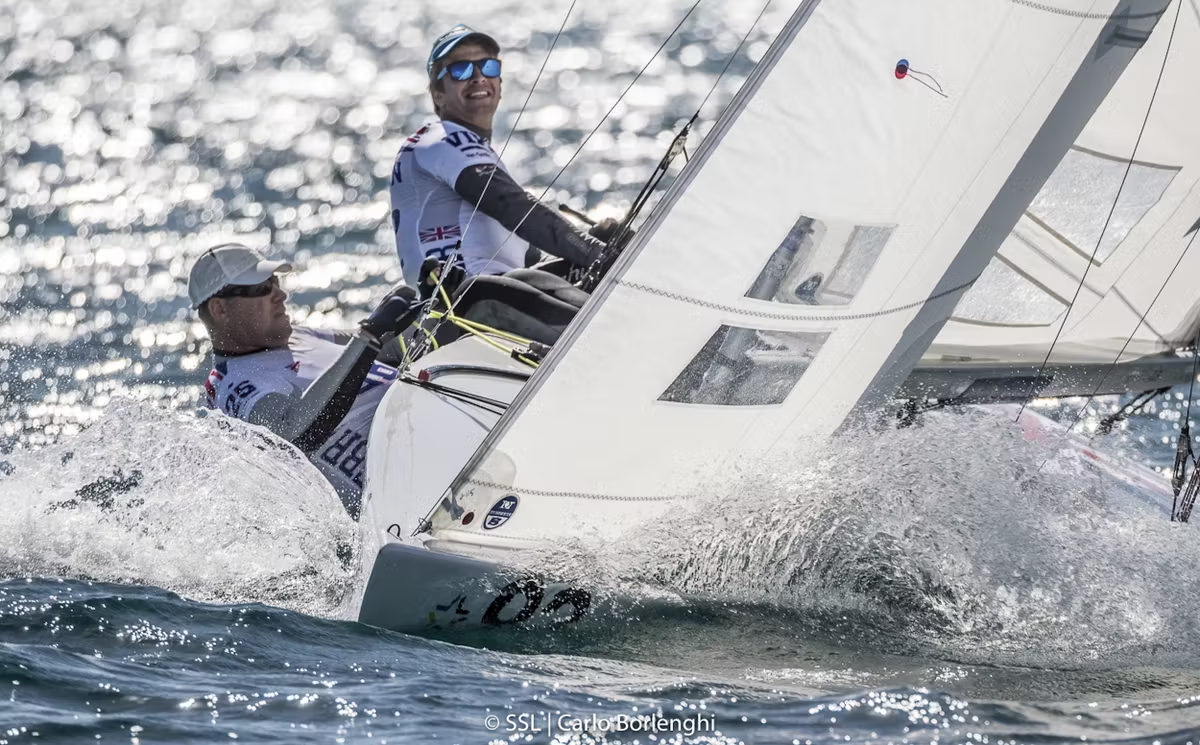
The Star Sailors League was formally established in Switzerland in January 2013 under the motto “By sailors for sailors”. The aim was pure sporting contest and a stable professional circuit that athletes could build careers on. In the league’s own words, the boats are “essential tools, but it’s the athletes who take the spotlight”.
The league was privately funded from the start, and Dennis Conner, four-time America’s Cup winner and two-time Star world champion, came on board as honorary chairman. The blueprint was borrowed from tennis: an ATP-style world ranking built on Star regatta results, a set of Grand Slams, and a season-ending final for the best-ranked teams.
The Nassau years
That final became the SSL Finals, staged each December at Nassau Yacht Club from 2013. The top dozen ranked Star teams were joined by invited names from other classes – Finn sailors such as Giles Scott and Jorge Zarif among them – racing for a US$200,000 purse. Each edition ended with a knockout day that funnelled into a winner-takes-all four-boat race.
Robert Scheidt and Bruno Prada, bronze medallists in that last Olympic Star regatta, won the first one. Mark Mendelblatt and Brian Fatih became the only pair to win twice, in 2014 and 2016, Paul Goodison and Frithjof Kleen took 2017 by roughly a metre, and in 2018 Zarif and Pedro Trouche became the first winners under 30.
The Grand Slams added variety. In 2015 more than 80 Stars raced on Lac de Neuchâtel, by the SSL’s Swiss base in Grandson, and in 2016 the circuit staged a city-centre showdown on Hamburg’s Alster – the same summer Olympic sailing went to Rio’s Marina da Glória without the Star. The 2017 Bacardi Cup in Miami carried Grand Slam-level ranking points, and World Sailing made the SSL a Special Event that year.
Chasing a bigger audience
For all the Olympic medallists on its start lines, a two-person keelboat circuit could only reach so far beyond sailing’s core audience, and visibility was a constant struggle. In 2019 the SSL unveiled its answer: the SSL Gold Cup, a nation-versus-nation competition modelled unashamedly on football’s World Cup.
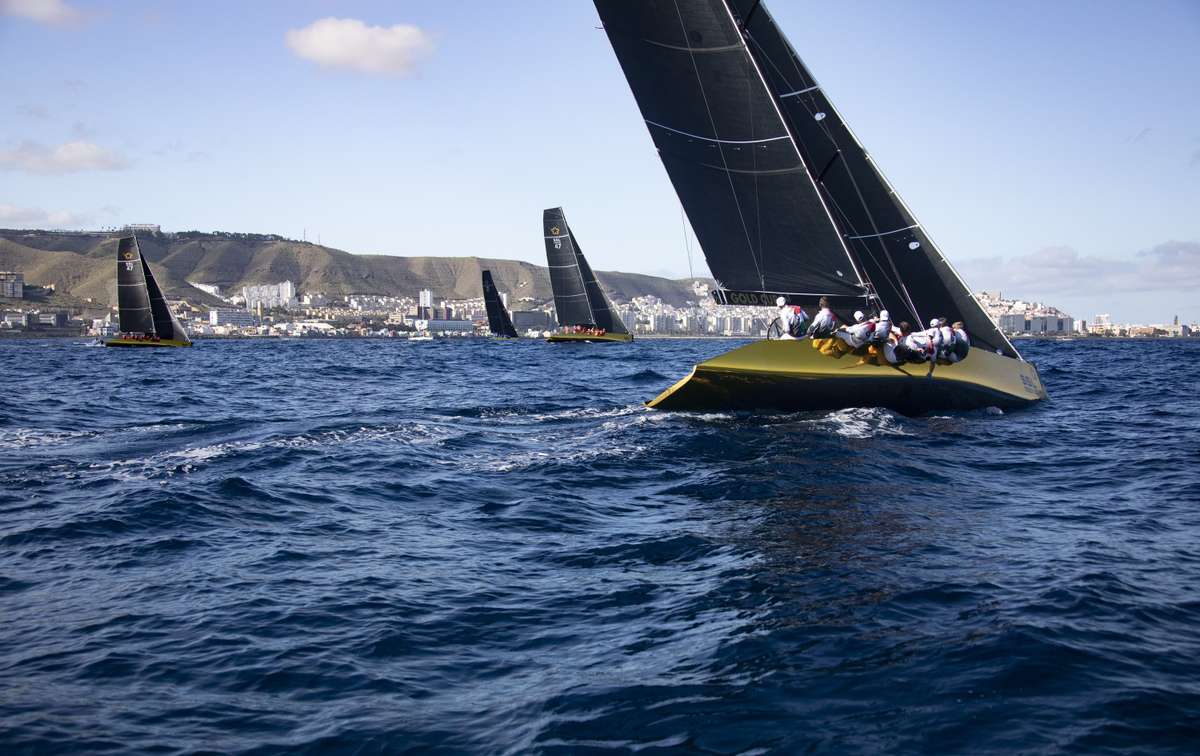
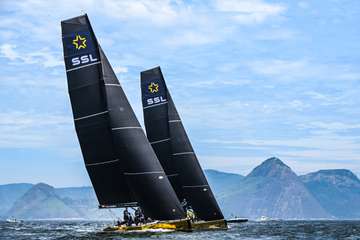
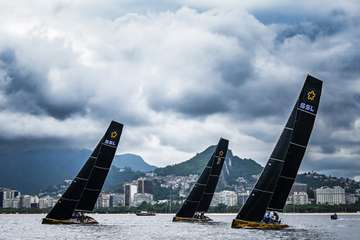
The pieces were rebuilt around it. The SSL ranking began folding in results from a wide spread of classes beyond the Star, and it now drives Gold Cup qualification and seeding. The racing moved into a bigger boat, the SSL47 – a modified RC44 stripped of electronics and supplied by the organisers so that no nation can buy a speed edge.
The funding stayed unconventional. The SSL deliberately went without commercial sponsors, on the basis that the project had to prove it could stand on its own before partners came in. Instead, the Sailing Athletes Foundation – a Swiss non-profit set up in Lausanne in 2018 and backed by a small circle of patrons – has covered the Gold Cup’s €2.5–3 million bill, plus more than €2 million a year to run the league.
The Star had its last Nassau showdown that December, when Iain Percy and Anders Ekström won the 2019 SSL Finals. Percy, fittingly, had taken silver in that final Olympic Star regatta seven years earlier.
A false start, then Gran Canaria
The first Gold Cup was pencilled in for Switzerland in 2021, but Covid had other ideas. Qualifiers eventually ran on Lac de Neuchâtel in 2022, only for the finals, booked for Bahrain that autumn, to be postponed with less than three weeks to go.
It was November 2023 before the Final Series got going off Las Palmas de Gran Canaria. Some 56 nations had been involved from the qualifiers onwards, 40 made the finals, and after more than three weeks of racing it came down to a four-boat Grand Final between Hungary, Italy, the Netherlands and Spain. The landlocked Hungarians won it.
Captained by Zsombor Berecz – Finn silver medallist at Tokyo 2020, and an SSL Finals competitor in Nassau five years earlier – the ‘Shamans’ led from the first beat and held their nerve when Spain closed in. “I think all of us still can’t believe it,” helmsman Robert Bakóczy said afterwards.

Round two in Rio
The second edition is bigger again, with 66 nations entered against 56 last time, and the 40 finalists are now racing on Guanabara Bay, with every race streamed by The Foil. Brazil qualified automatically as host, while seeding by the SSL Nations Ranking parachutes the strongest nations into the later rounds. Great Britain sat top of that ranking in the spring.
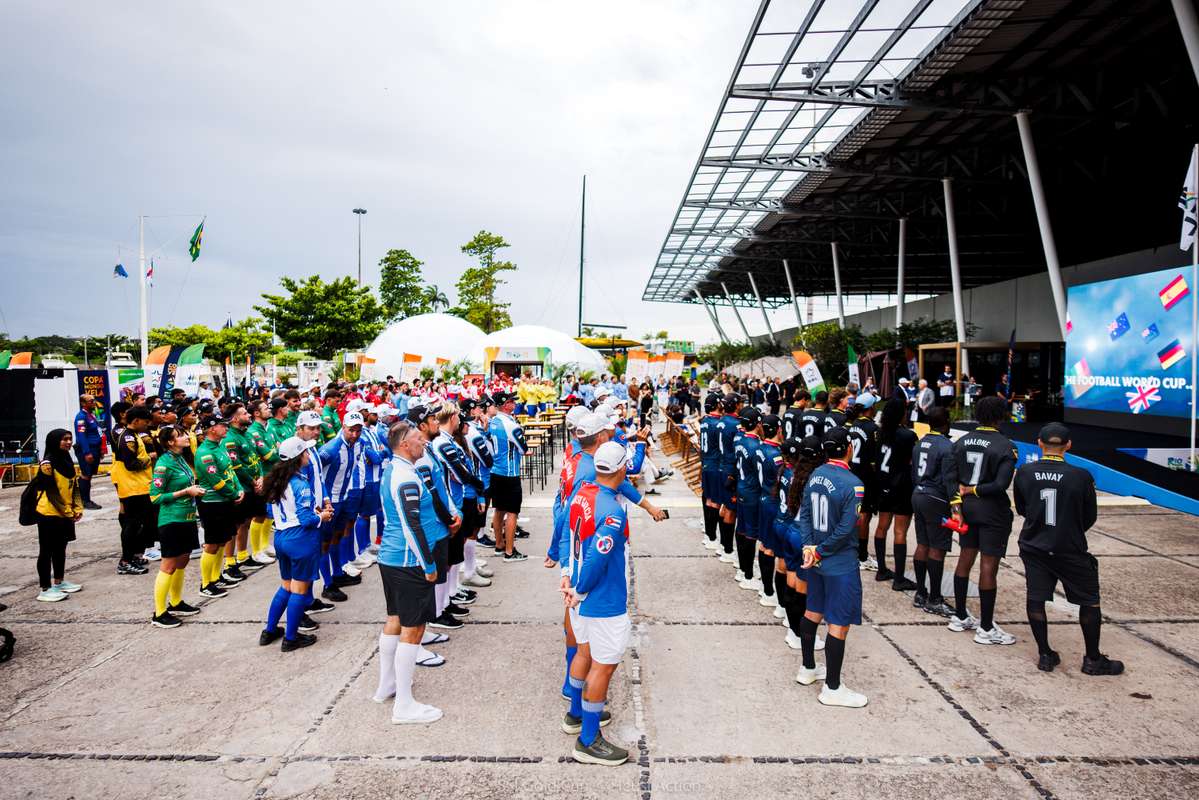
The team rules have moved on, too. Each nation now names ten sailors per event, including at least two women, and at least one woman must be aboard at all times. Between eight and ten sailors race, depending on conditions and a 730kg crew weight limit.
Hungary are defending their title, and the knockout rounds run through to the Grand Final on 13 December. The racing is based at Marina da Glória, home of the 2016 Olympic regatta the Star never got to sail. Ten years on, the league it spawned is having its own Rio moment.
Articles You Might Be Interested in
LIVE: SSL Gold Cup 1/32 Finals Day 3
The week in racing - 16 Nov ’26
The best sailing photos of 2026: See the Pantaenius Yacht Racing Image Award shortlist
Ineos and Athena settle the battle for Britain’s AC75
Steered by the stars: Elodie Bonafous claims IMOCA podium on her first solo transatlantic
How do you pick World Sailor of the Year in a sport this diverse?
Last chance saloon: SSL Gold Cup Pan-American Qualifiers get underway




Member Discussion