
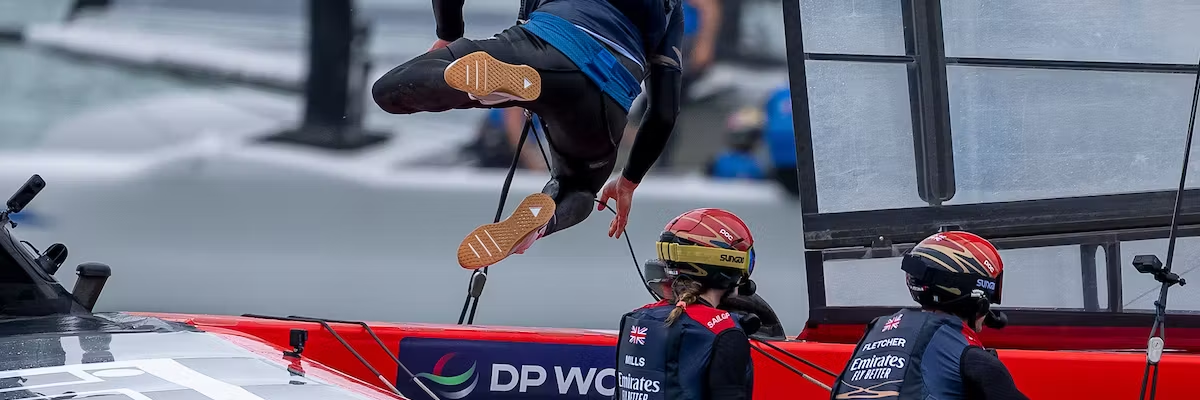
Freddie Carr: The realities of earning a living as a racer

Anyone who turns their hobby into their job is incredibly lucky. In the marine industry, that feeling never really fades. Boats and the sea are all I’ve ever cared about, so being able to make a living in that world is something I never take for granted.
After 25 years as a professional sailor, one question comes up time and again – usually after a few pints with close mates, or from curious youngsters on an America’s Cup Base tour: “How much do you actually earn pulling ropes?”
My very British response is to blush slightly and dance around a number that’s somewhere in the right postcode.
The simplest way to explain it is this: we earn roughly in line with professional rugby players. Think established starters or solid squad members in England or France – those are the kinds of numbers we’re talking about. Younger sailors, like younger players, earn less, but broadly speaking the comparison holds.
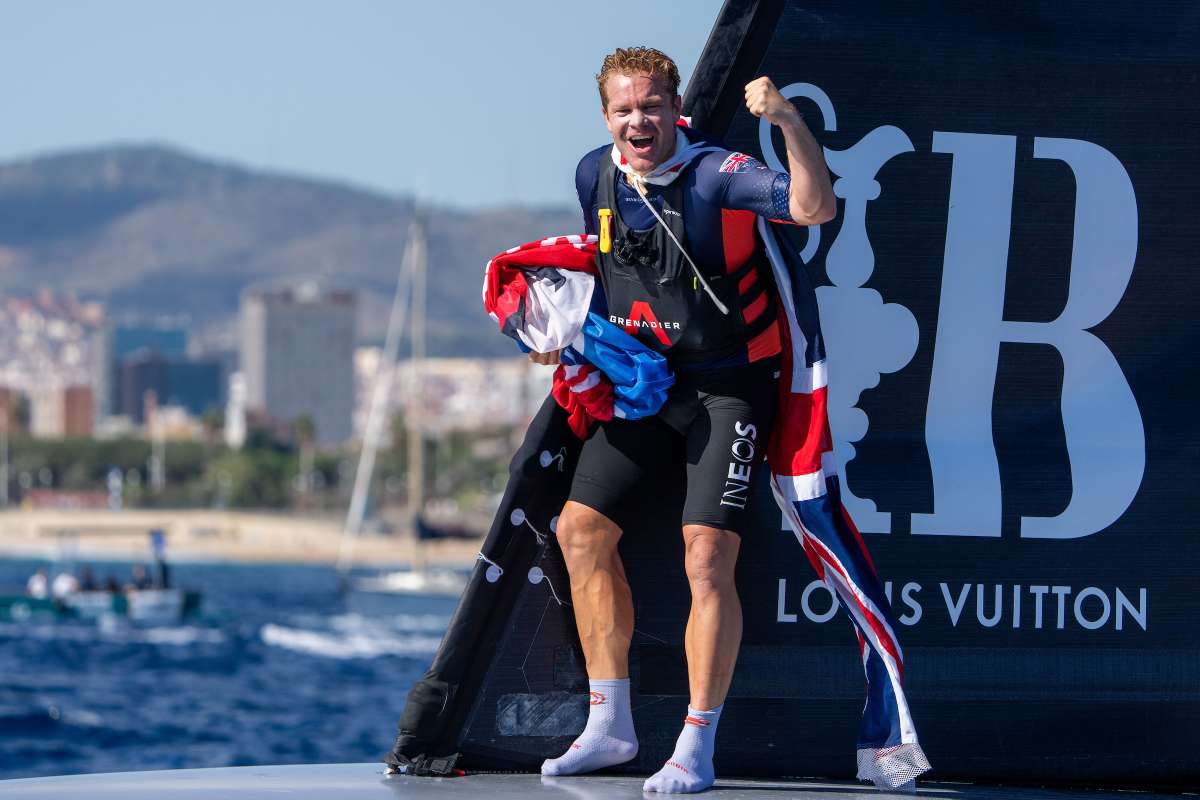
The reality, though, is that getting paid to compete in the America’s Cup is a dream. Like any sport, you start out doing it purely for the love of it, so to end up paying the bills at the very top level is still a bit of a ‘pinch me’ moment.
There is, however, an odd quirk in our sport. There’s a long-running joke that the ‘glory years’ for pay were in the late 2000s and early 2010s. While most professional sports have seen salaries rise sharply, America’s Cup sailing has stayed relatively flat – if not gone backwards – over the past 20 years.
Back then, there were up to 12 teams competing, with no nationality rules. The transfer market was alive, and team owners would pay top dollar for key talent to gain that crucial edge. Fast forward to today and the landscape has changed: fewer teams, tighter nationality rules, reduced crew numbers and limits on two boat testing. The result is a much smaller, more controlled market where salaries are naturally tighter. It’s not a complaint – just the reality.
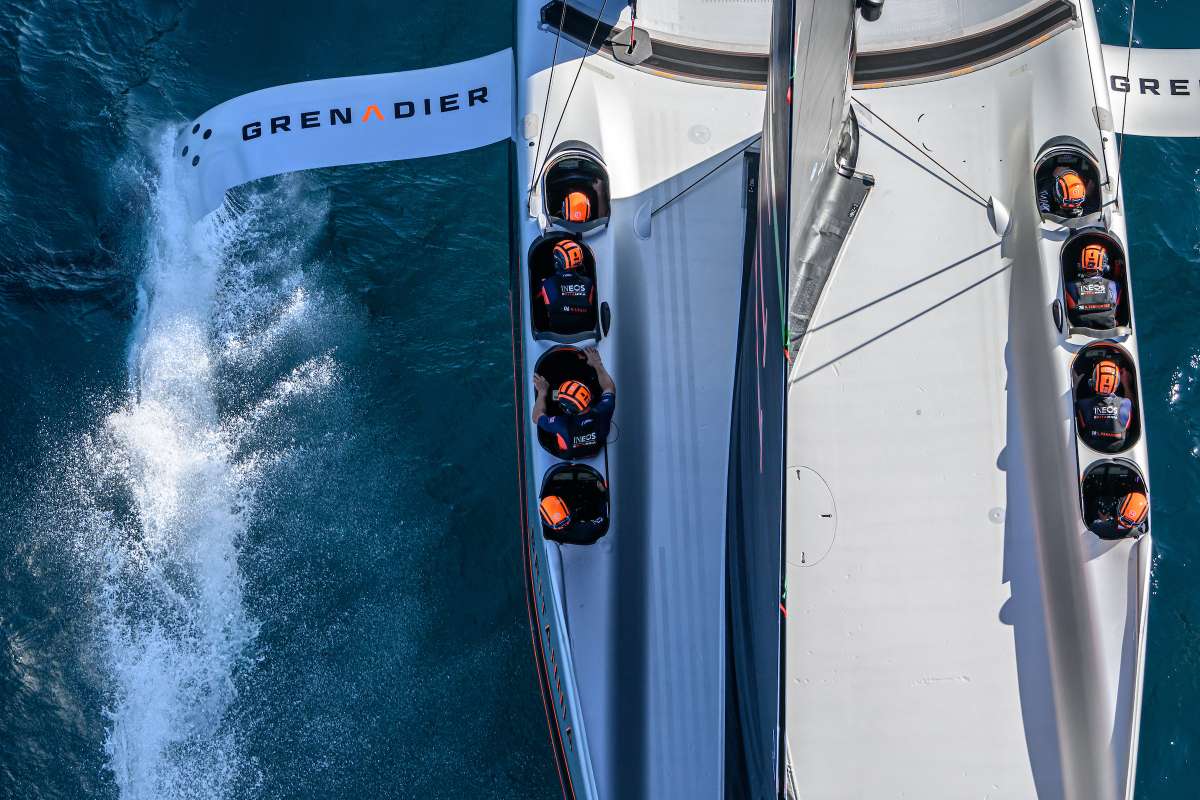
For the 38th America’s Cup, a formal cost cap of €75 million per team has been introduced – roughly $80-85 million or about £65 million – marking a significant shift for the event. This cap covers the majority of a team’s campaign spend, including design, sailing team and operations, with teams required to submit financial accounts that can be independently audited.
When a cost cap is introduced into sport, it generally reduces salary inflation and forces teams to prioritise how they allocate a fixed budget across players and staff. In the America’s Cup, the €75 million cap means teams must carefully balance spending on sailors, design and operations, which is likely to control top-end sailing salaries compared to previous uncapped campaigns.
A similar effect is seen in English rugby, where the Premiership Rugby salary cap has limited overall squad spending and prevented clubs from outbidding each other for talent, leading to more structured wage bands and less pay growth for players. Across both sports, the result is a shift away from financial arms races and towards smarter resource management, with success depending more on how efficiently teams build performance within a fixed budget rather than simply how much they can spend. This is a smart way to go for the sport but potentially less financially attractive for the sailors.
Might they look elsewhere to earn the big bucks? SailGP?
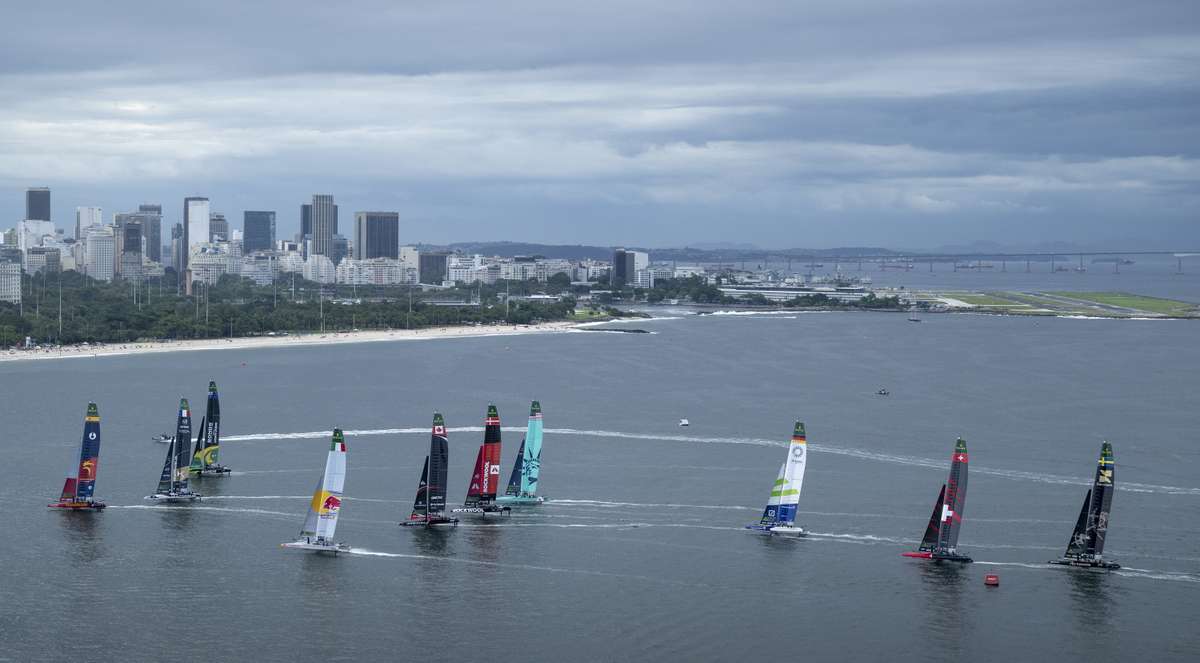
SailGP has effectively blown the doors open. These are franchise teams with looser nationality rules than the AC, creating a genuine transfer market where top sailors can move between teams. As a result, the very best sailors are now likely earning as much as – or even more than – their America’s Cup contracts. And that’s before prize money.
Prize money is the real game changer.
There’s around $12 million in the pot for a SailGP season. Win an event and the sailors split $400,000. Second gets $240,000, third $120,000, and the overall season champions take home $2 million. If you’re part of a successful team, you can realistically multiply your base salary several times over.
At that point, you’re no longer comparing yourself to rugby players – you’re looking at earnings similar to a mid-table Premier League starter, a key positional NFL player, a tennis player raked 10-20 in the World or the 30th best golfer on the tour. Sailing is, finally, starting to enter that conversation.
There is a catch, though – and it’s a slightly awkward one.
Unlike early SailGP seasons, prize money now goes directly to the sailors, not the wider team. And more specifically, only to those who actually race on the boat that weekend. So if conditions mean a reduced crew – for example, lighter winds where fewer sailors are required – those not on board don’t receive a share.
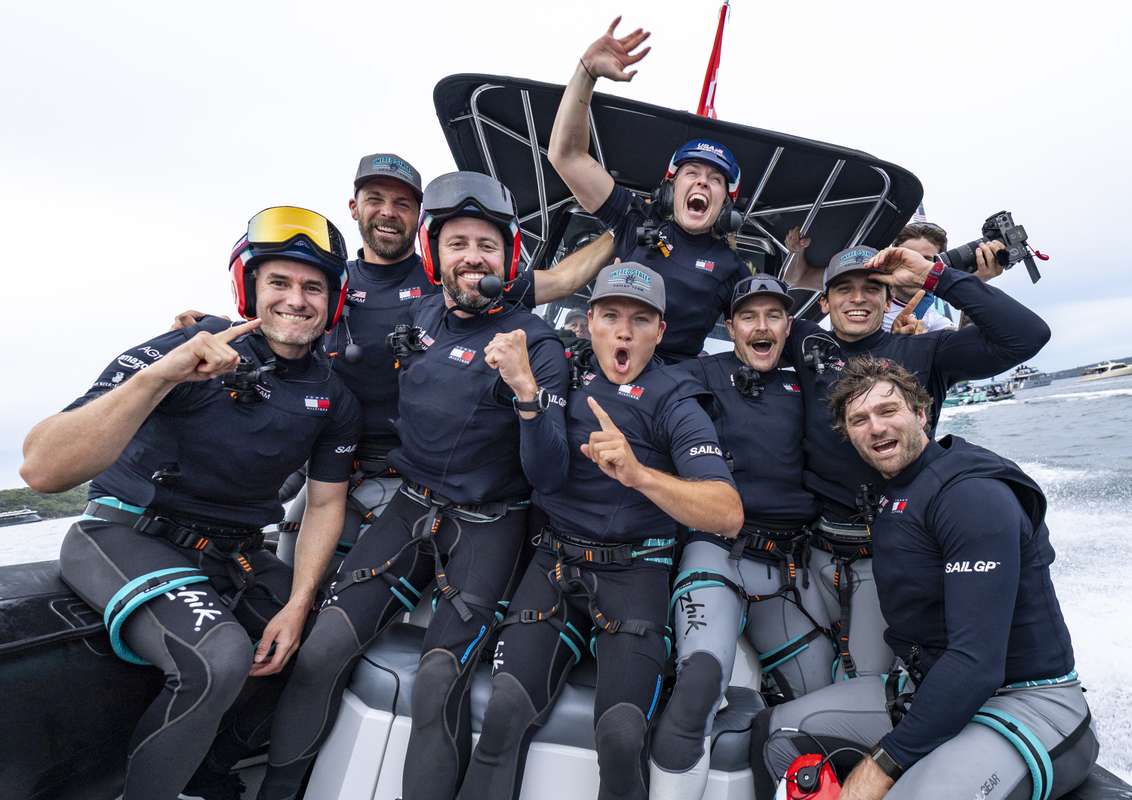
A good example of this is the United States SailGP team’s impressive event win in Sydney. Over the course of that weekend, they only ever sailed with a maximum crew of five, meaning their strategist Andrew Campbell never stepped on the boat.
In my view, Campbell has been one of the standout signings in SailGP over the past 12 months and a key factor in their rise up the Season 6 leaderboard. Even when not racing onboard, he has been central to their performance development and acts as a cultural architect within the team.
Given the wind strength and factors beyond the teams control, it’s likely he would not have received any share of the prize money from that regatta despite a significant contribution. A great weekend for the team but tinged with a little disappointment for Campbell.
It’s become a big talking point among athletes. The upside is obvious – the potential earnings are enormous – but there are growing conversations about how that money should be distributed. Some teams have already introduced internal bonus systems to spread rewards more evenly across the wider group if they have success.
I used to find it slightly uncouth how often money gets mentioned around SailGP, but the truth is it matters. It’s a sign of the sport evolving and properly rewarding its top talent.
And as I’ve always said about SailGP: none of us will die wondering what sailing could have been if it had been fully backed. We’re seeing it happen in real time. The prize money is just one part of that bigger picture.
Let’s just hope for plenty of breeze for the remainder of the season – so the whole crew gets on the water, all sailors can do their job, and everyone has a shot at earning a share of what they’ve spent years working towards.
Articles You Might Be Interested in
From partners to opponents: inside the North Sails–Team New Zealand patent battle
Team Australia finish Te Rehutai rebuild and set February target for Naples

Freddie Carr: Why Pensacola could change SailGP for good
The week in racing - 19 Oct ’26
GB2 and Alinghi Women & Youth name their squads for Naples 2027
Emirates GBR and Team 14 claim first slots on SailGP’s Pensacola training F50
La Roche-Posay Racing Team the first to launch their AC75 in Naples

SailGP’s year-round training base is about to open for business




Member Discussion