
Freddie Carr: Why the AC38 Prelim Regatta in Cagliari matters

There may never have been an America’s Cup warm-up regatta with greater significance for the sailors than the one we are about to see in Cagliari this weekend.
The reason is simple. Few events in modern Cup history have provided such a significant opportunity for fresh talent to put themselves directly in front of the sport’s biggest decision-makers, while racing alongside some of the most established names in foiling sailing.
Yes, there is a familiar cast of America’s Cup heavyweights in attendance. Nathan Outteridge, Paul Goodison, Pete Burling, Dylan Fletcher and several others from the modern foiling generation bring a huge amount of experience to this fleet. Watching how some of those sailors settle into new teams, new syndicates and new crew combinations will be fascinating in itself. But the bigger story may well lie elsewhere.
For the first time in quite some time, youth and women’s pathway sailors are stepping directly onto the same racecourse as the sport’s established elite, in identical equipment, with a genuine opportunity to make a statement. This is not simply another promotional event on the America’s Cup calendar. For a number of sailors, this is a very public audition.
My first exposure to an America’s Cup warm-up series came back in 2004, ahead of the 32nd America’s Cup in Valencia. Over the course of three years, the Louis Vuitton Acts took the teams around Europe in a sequence of regattas designed to showcase the Cup and build momentum towards the main event. While the results themselves had only limited competitive impact – largely influencing seeding for the Challenger Series – the value of those regattas was obvious. Sponsors had meaningful exposure, owners had a product to support, and the sailing teams had a rare opportunity to test hardware, refine crew combinations and gather invaluable racecourse data long before the America’s Cup itself.
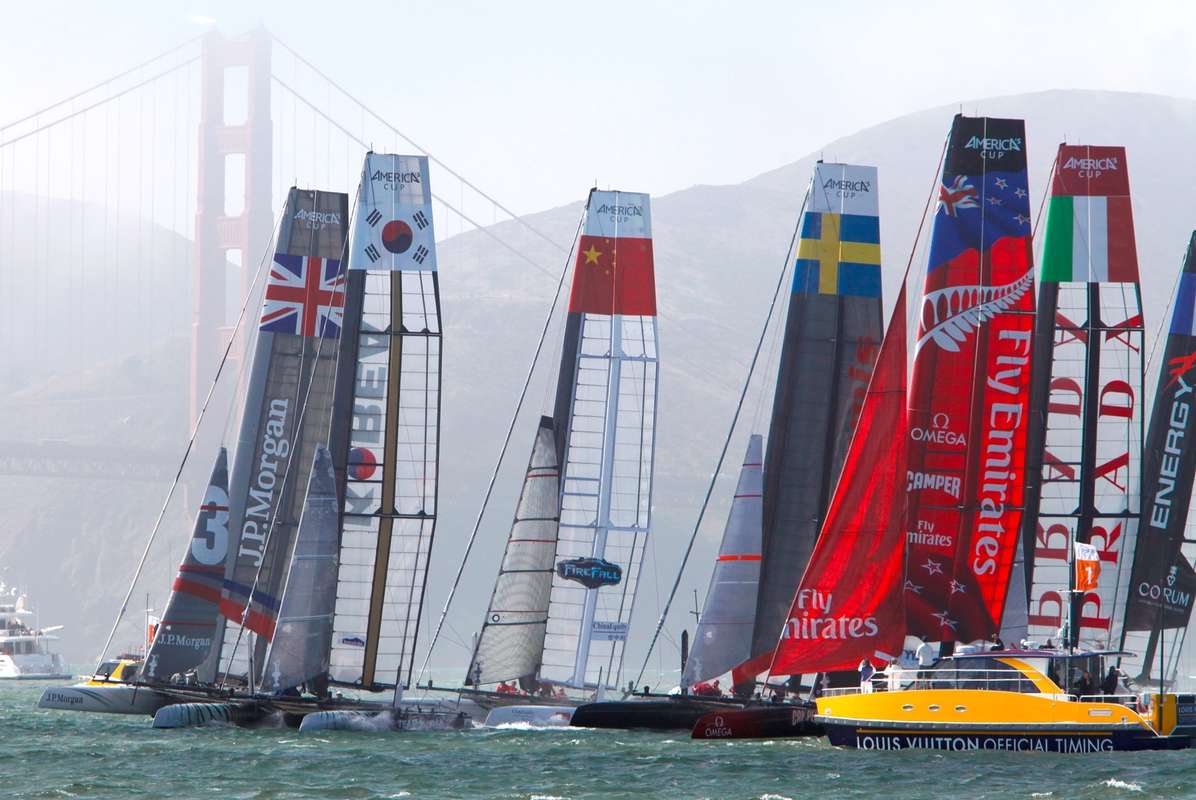
That concept evolved dramatically after Oracle’s Deed of Gift victory in 2010. The launch of the America’s Cup World Series and the arrival of the AC45 catamarans gave the event a completely different feel. These boats may not have been foiling yet, but they looked spectacular and brought the Cup into a more modern, television-friendly world. Naples, San Diego and Newport delivered outstanding racing and, perhaps more importantly, exposed the sailing teams to a radically different style of competition. Short-course boundary racing in powerful wing-sailed catamarans demanded a new skillset, and the learning curve was steep.
The 2011 to 2013 World Series produced a fascinating clash of generations, with some of the sport’s established names going head-to-head with a younger group beginning to shape the future of the Cup. Then in 2017, the stakes changed again. The foiling AC45F was, in my opinion, one of the most enjoyable boats ever sailed in the America’s Cup ecosystem, but more importantly, for the first time there was something tangible on the line. Win the America’s Cup World Series outright and you earned a point going into the Louis Vuitton Cup.
That was a huge incentive. A single point in a Challenger Series can be worth millions to a campaign, both competitively and commercially. We felt that directly with Land Rover BAR. Winning the World Series was a major boost for the sailing team and the commercial operation alike, and for a period that point looked like it could play a decisive role in the fight for progression.
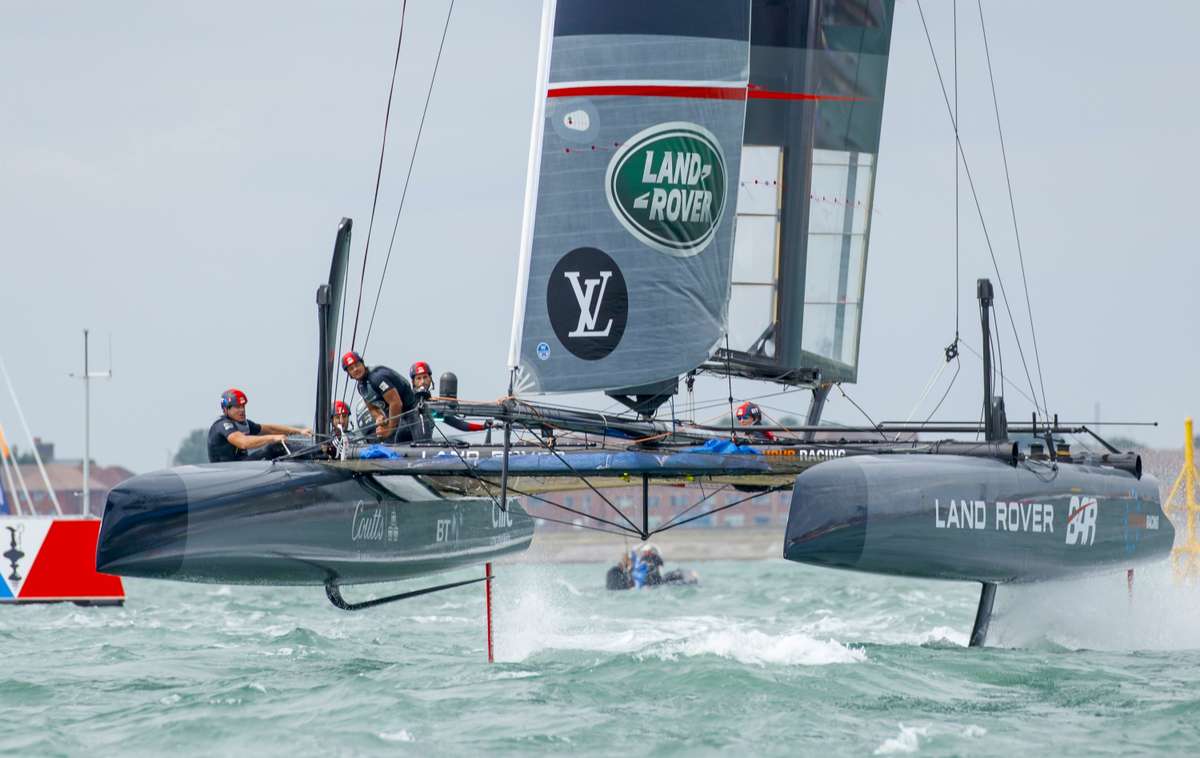
By that stage, the World Series had become a genuine sporting product in its own right. Grandstands, large crowds, sponsor activation and genuinely compelling racing in places like Portsmouth, Chicago and New York gave the America’s Cup a new kind of visibility.
Covid interrupted that momentum heading into Auckland, but the AC40 helped revive the concept ahead of the 37th America’s Cup in Barcelona. Once again, the challenge had changed. This time the learning curve centred around foiling monohulls and the entirely different demands that came with them. There was less fresh blood in those fleets, but no shortage of learning. American Magic’s strong early performances gave them genuine momentum heading into Barcelona, proving once again that success in these warm-up events can matter, even without formal consequences.
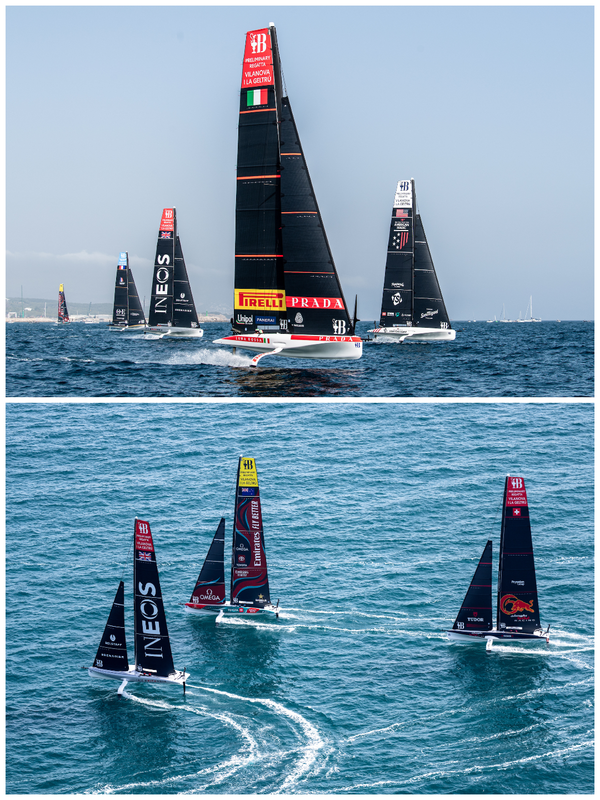
Which brings us to Cagliari.
Unlike 2017, there are no Louis Vuitton Cup points on offer this week. But that should not disguise just how important these three days of racing are. In fact, I would argue this represents the biggest cultural and generational shift we have seen in an America’s Cup warm-up series since 2013.
A new wave of sailors now have the opportunity to line up directly against the athletes they grew up watching.
Take Seb Menzies, fresh from winning the 49er World Championship and now flying into Sardinia to represent New Zealand in an AC40. Across the boat sits Nathan Outteridge, one of the defining figures of modern foiling sailing. A strong week here could fundamentally change the trajectory of a young sailor’s career.
The same applies to Hannah Mills. After finishing second in the inaugural Women’s America’s Cup in Barcelona, she now steps into the helm role for Athena Pathway with a young but highly capable crew. Few sailors in this fleet will have spent more time in the AC40, both on the water and in simulation. This is a significant opportunity to challenge established senior teams and potentially reset expectations around female athletes in the America’s Cup environment.
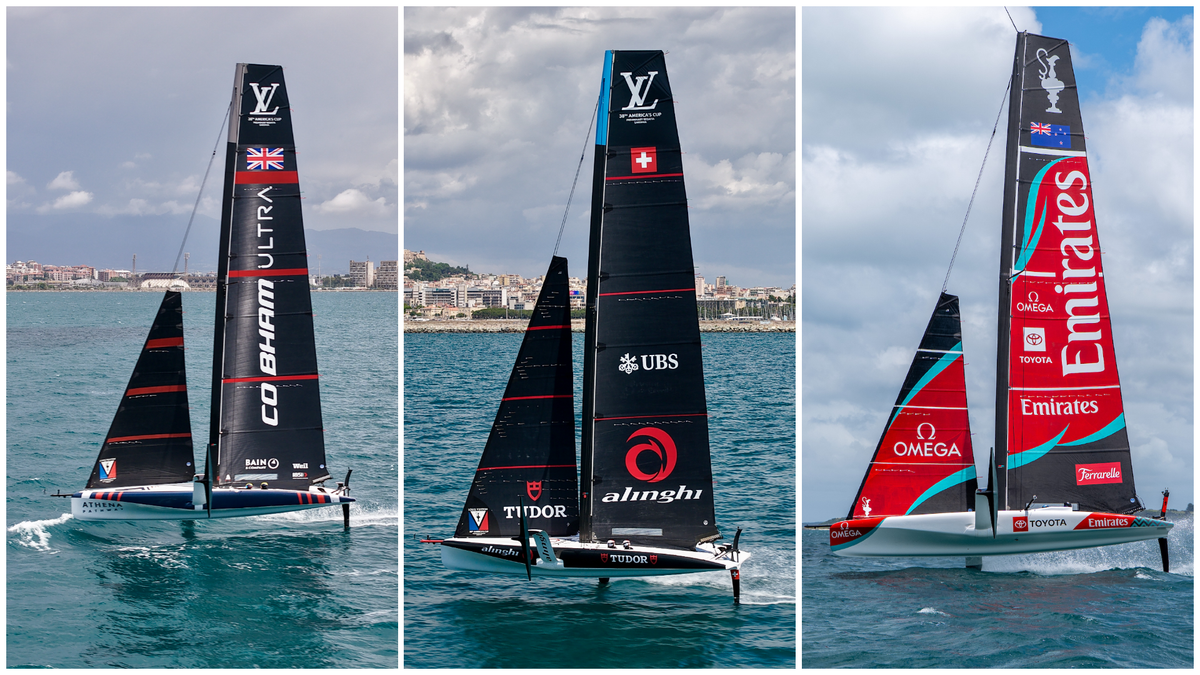
That is what makes this week genuinely compelling. There are very few sports where youth, women’s and senior athletes compete directly against each other on equal equipment at this level. Sailing remains uniquely placed in that respect, and it creates some fascinating storylines.
There are equally compelling narratives among the senior teams. Phil Robertson makes his America’s Cup debut at the helm for Alinghi alongside Paul Goodison in what is a newly assembled but hugely talented combination. Training time will be limited compared to more established programmes, but with that level of talent they will expect to be competitive immediately.
France also arrive with a roster capable of winning outright. Experience, foiling pedigree and proven racecraft make them a serious threat in what should be incredibly close racing.
So while there may be no formal Challenger points on the line this week, individual reputations absolutely are. In such a compressed America’s Cup cycle, AC75 crew decisions will be influenced by what happens in these AC40 regattas. Stocks will rise. Others may fall.
That is why this week matters.
Not because it decides the America’s Cup, but because for some sailors, it may decide whether they become part of it.
Articles You Might Be Interested in
From partners to opponents: inside the North Sails–Team New Zealand patent battle
Team Australia finish Te Rehutai rebuild and set February target for Naples
The week in racing - 19 Oct ’26
GB2 and Alinghi Women & Youth name their squads for Naples 2027
La Roche-Posay Racing Team the first to launch their AC75 in Naples
Batteries, foils and LiDAR: where does the sailor’s job end?
Two days, two headaches for Luna Rossa in Cagliari
Why a Formula One insider is betting on the America’s Cup




Member Discussion