
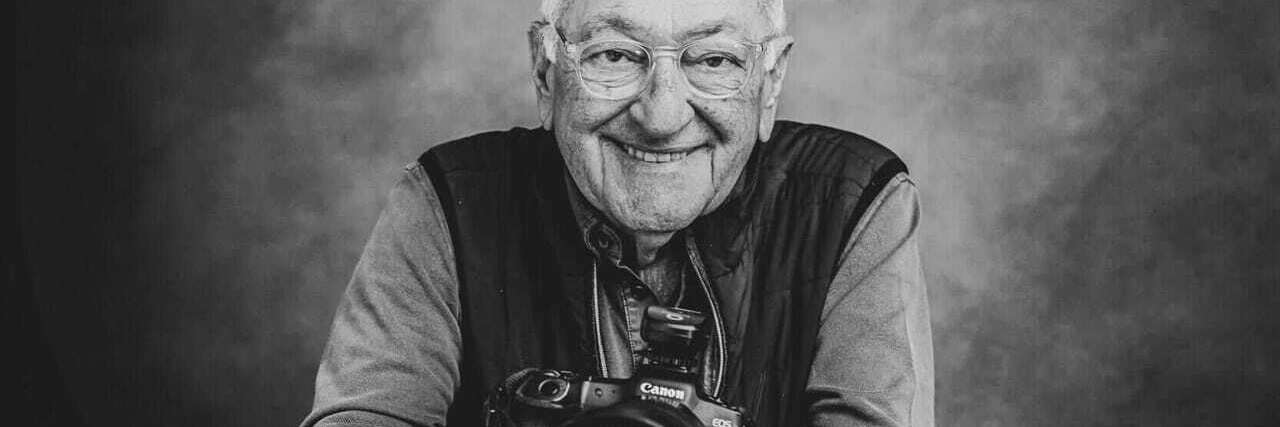
Farewell to Carlo Borlenghi, sailing’s defining eye

Legendary marine photographer Carlo Borlenghi has died at the age of 70.
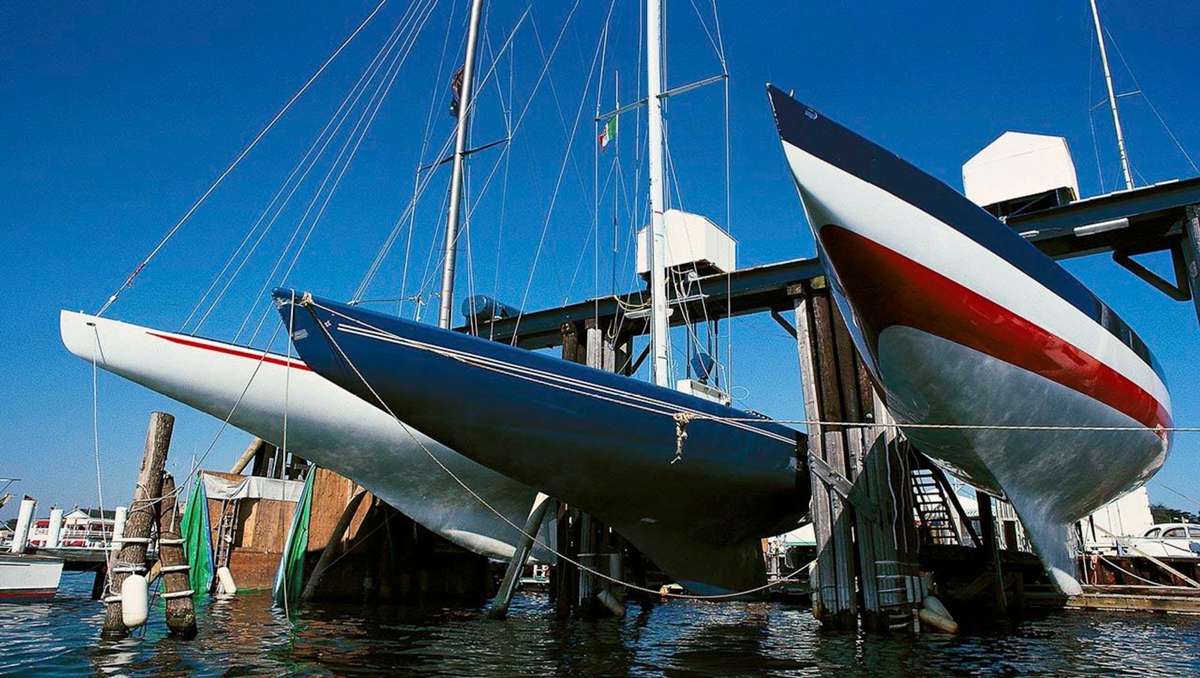
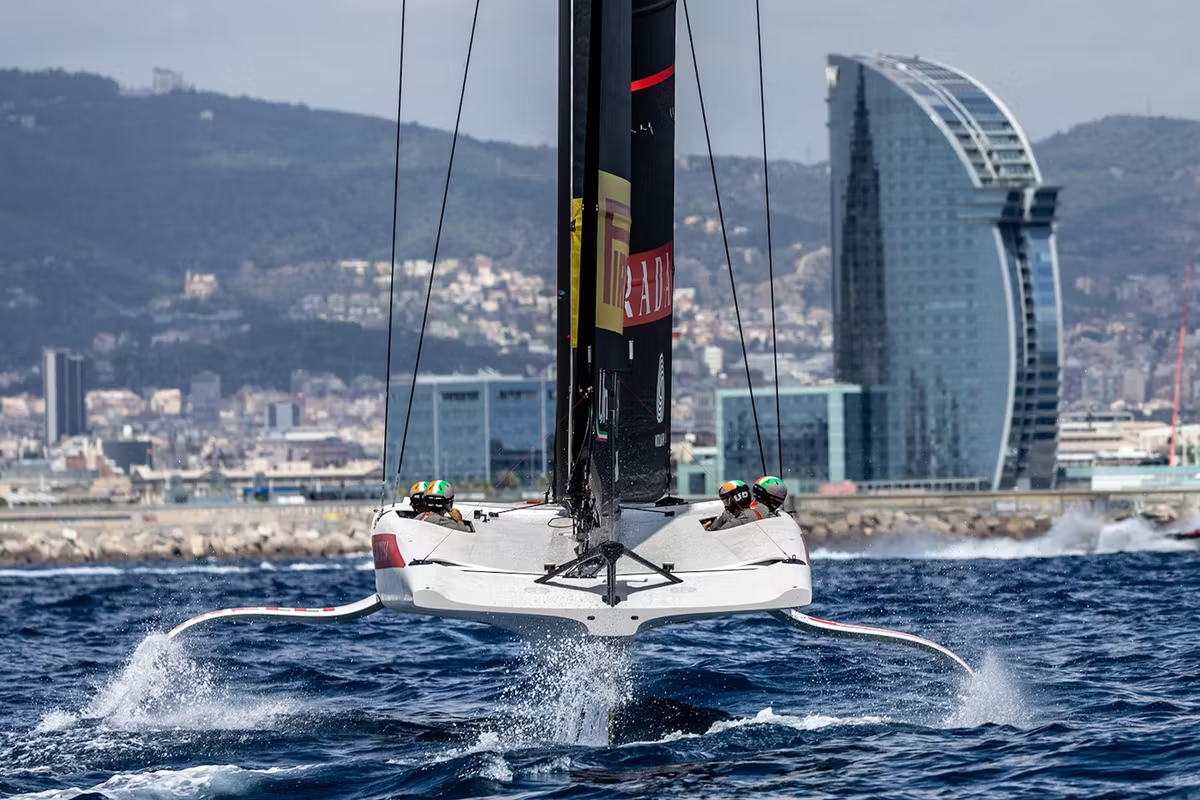
Carlo picked up a camera as a teenager on the shores of Lake Como and never really put it down again. From those early days shooting local regattas, his talent was spotted quickly, and it carried him to the very top of his profession – as official photographer for Italy's first America's Cup challenge in 1983, and from there to every major regatta in the sport.
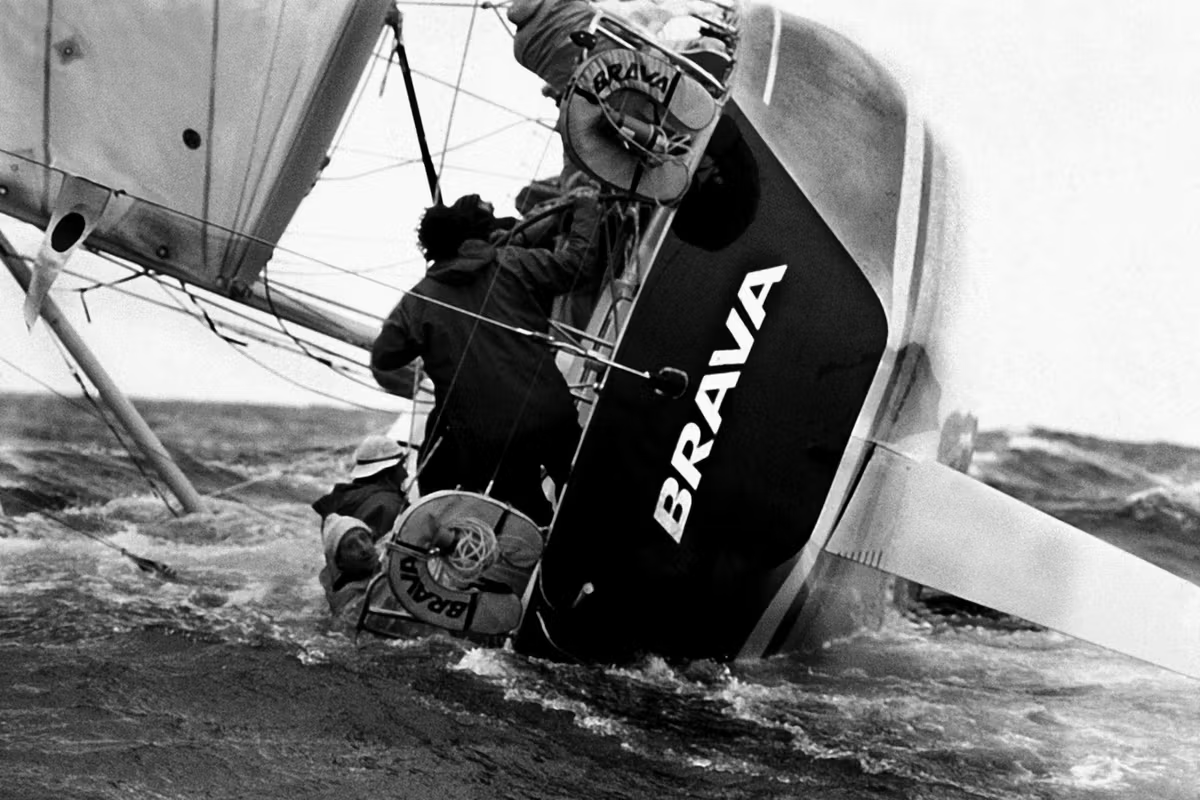
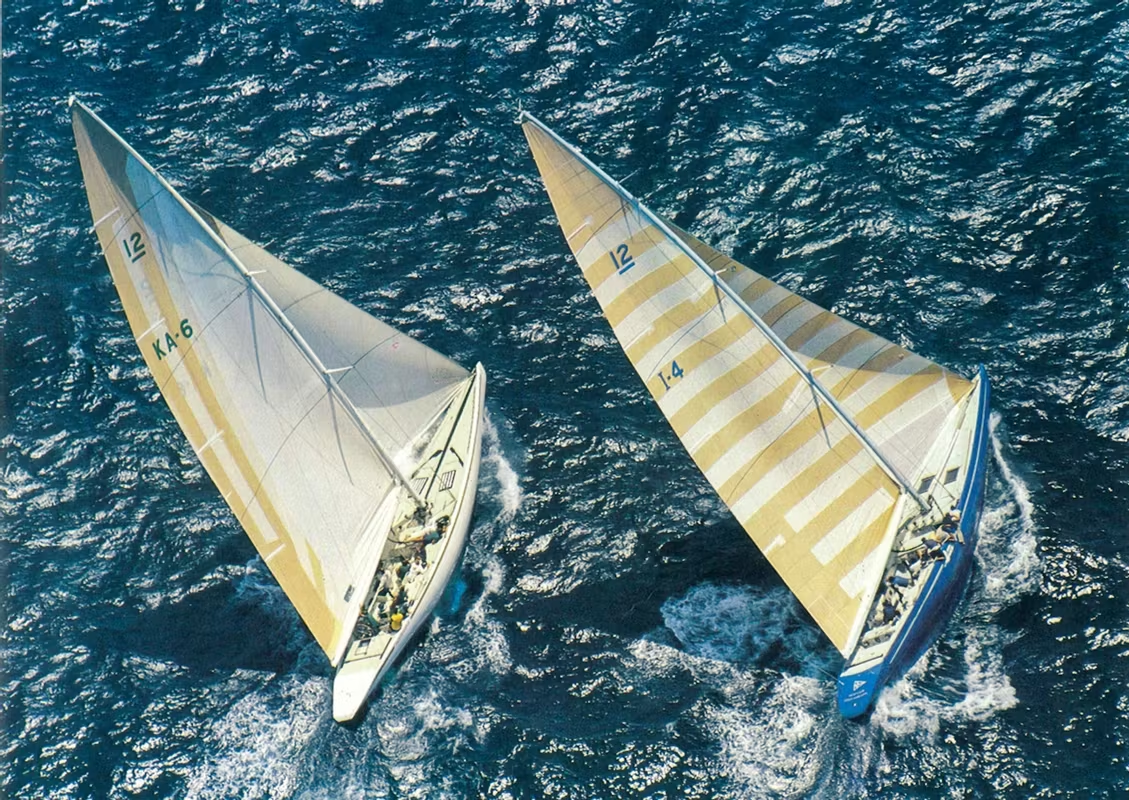
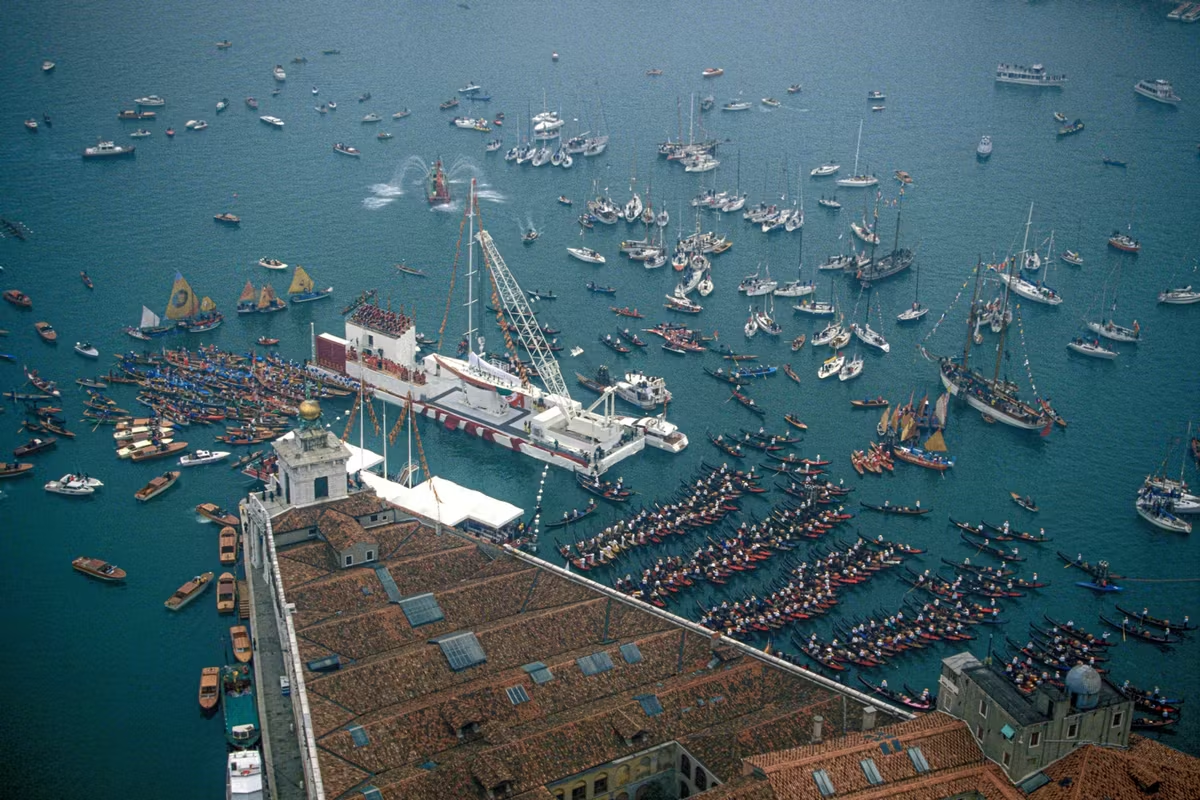
Over more than four decades he covered twelve America's Cup campaigns, later serving as official event photographer for the America's Cup itself, along with the Whitbread and Volvo Ocean Races, the Olympics, and countless Rolex regattas and superyacht events around the world. Carlo built a body of work that came to define how sailing looks to the rest of us.
For a man who spent four decades chasing boats across open water, there was one detail that always surprised people: Carlo never learned to swim. He said the fear never left him – if anything, it sharpened his eye for the sea's power.
But Carlo was more than just a man with a good eye. He was, by every account, a huge personality in the paddock and on the dockside – warm, generous with his time, endlessly encouraging of the photographers who came up behind him – and his influence on the sport went well beyond the images themselves. He shaped the way an entire generation of sailors, teams and fellow photographers thought about capturing the sport, and that legacy will long outlast him.
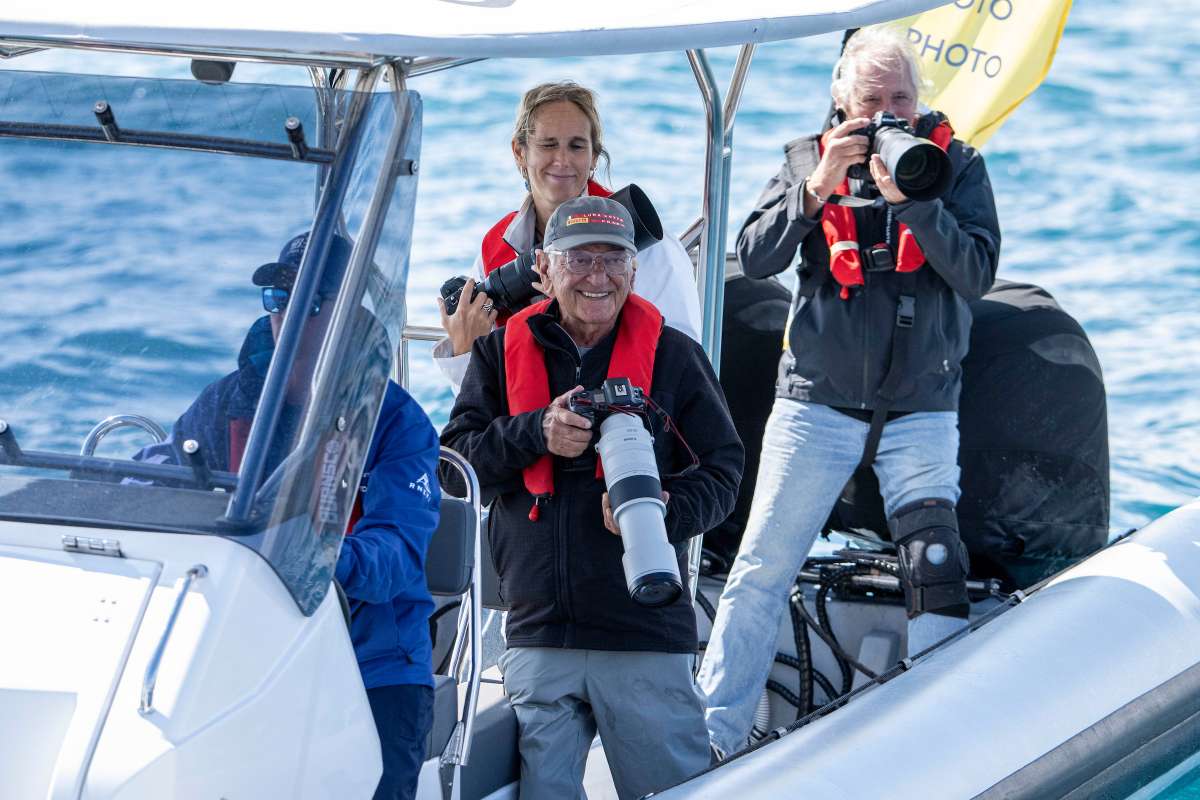
Our thoughts are with his wife, Alessandra, and his family and friends at this time. His funeral takes place on Wednesday 5 August.
The Foil’s Freddie Carr and Andy Rice knew Carlo well. Here are their tributes to him.
Freddie Carr: The warmest man in the paddock
“I had the pleasure of working with Carlo when I was with Luna Rossa from 2011 to 2013, and he's one of those guys that as soon as you meet him and you're wearing the same team uniform as him, he accepts you as part of his family. He always had a smile on his face, he was always upbeat, always asked you how you were, and remembered the names of your kids. He was a delightful guy to be around, and that was just his personality.
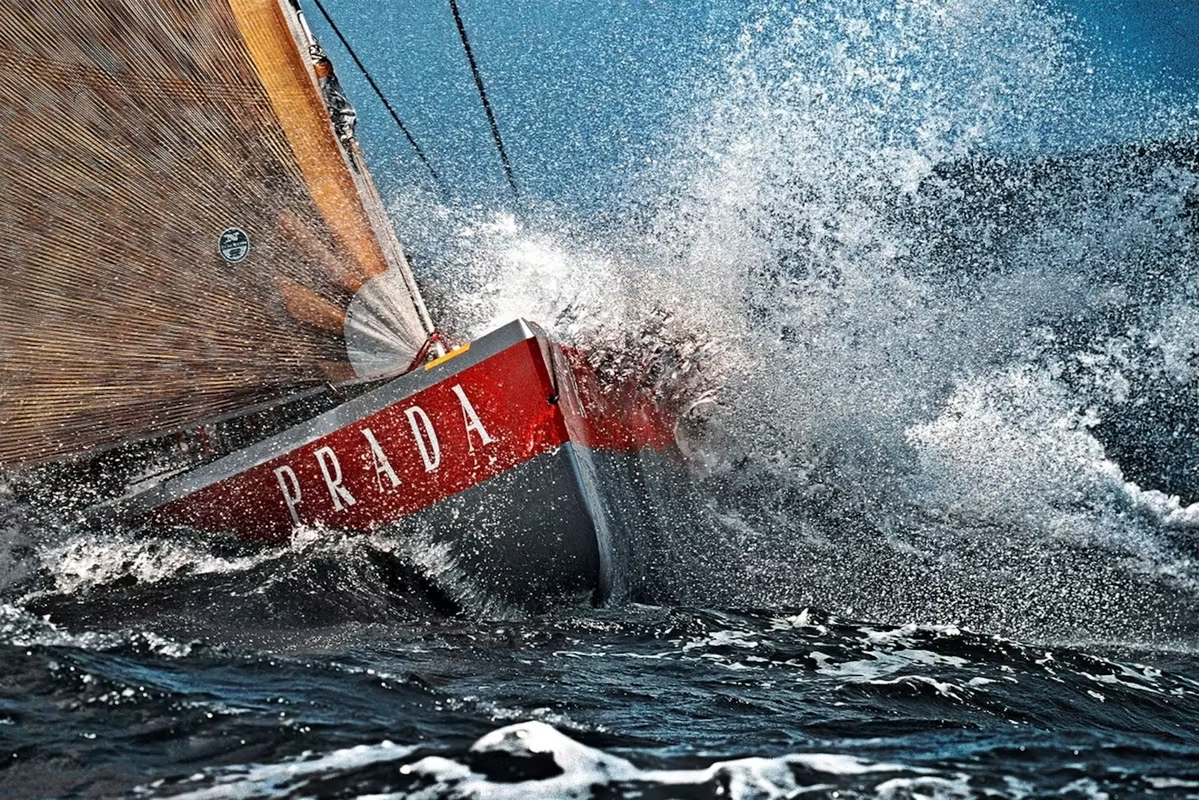
He was always there at team socials, lurking on the outskirts, talking to anyone and everyone within the team, and really represented Luna Rossa. He was a core member of that really tight-knit family. What he did within the America's Cup, with his eye for a sailing photograph, is unmatched.
He genuinely was a talent, and as soon as you saw a picture, you knew it was a Carlo Borlenghi because he was that good and that different. All of the different styles and angles and tricks that are commonplace nowadays, Carlo was doing 20 to 25 years ago. His eye for a different shot was amazing, and when you did a shoot with him on shore, he was just so kind and nice that you were totally relaxed within his company. He was definitely the largest figure in marine photography and will be sorely missed.”
Andy Rice: Chasing the impossible shot
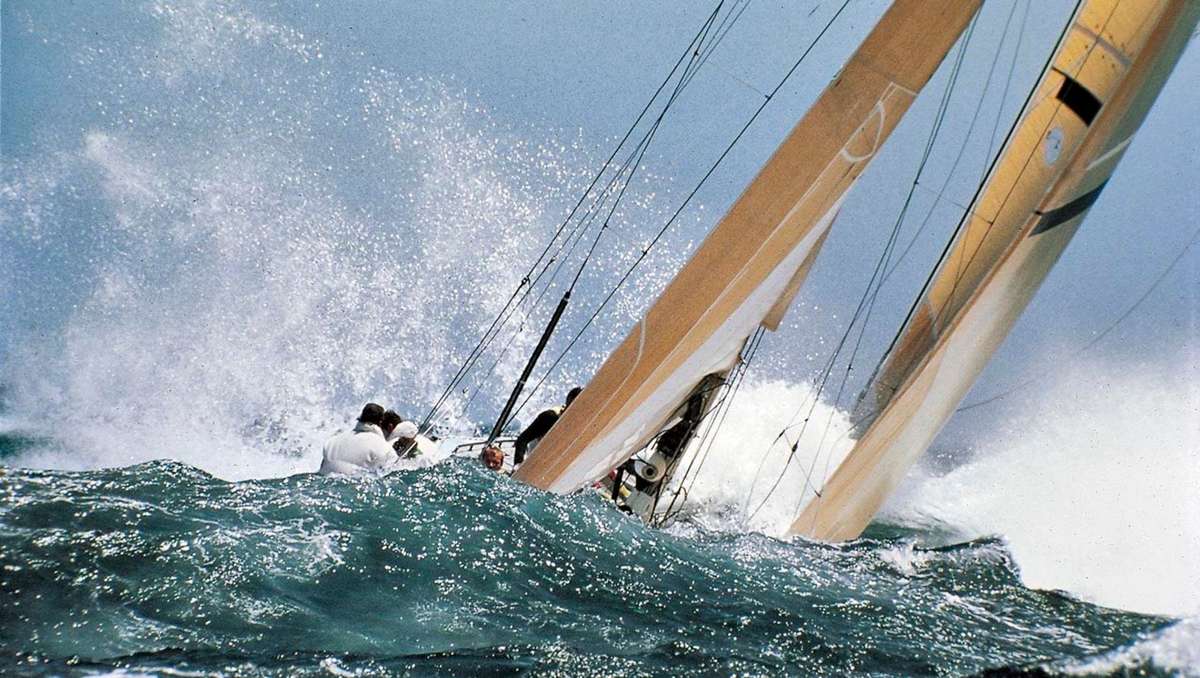
“I used to drive media RIBs for Carlo, including the start of a long-distance race out of the Solent. I remember we got out past the Needles and the waves were enormous. I lined up the boat right in front of the bow of this boat that was crashing up and down through the waves. Carlo wanted to get that photo of the bow crashing out of these enormous waves. The guy on the bow, sitting on the side of the boat, was waving us away, telling us that we were putting down a nasty wake in front of their boat – which, in the scheme of the waves that we were going through, made no difference whatsoever. Eventually, Carlo stood up and said to the guy, "Look at the waves! Look at the sea! F*ck you!" and stuck two fingers up, and then kept on taking photos of them.
I learned a lot from positioning boats in the right place for Carlo to get the pictures that he got, which gives you half an insight into how to frame a good photo. But then, people shooting from the same angle would get very different results, and it was very rare that anyone would match up to Carlo's results. Sometimes he didn't take pictures of the boats themselves, but the shadows that they cast on the water, making the sails and the rig across the water look like a bird's wing. He was very good at mixing the raw technical aspects of sailing with nature and its marine surroundings.
I also got to ride with him in a helicopter for the start of the Rolex Sydney Hobart race. There were about seven or eight helicopters up there, and Carlo was sighting through the lens of his SLR. He was telling the helicopter pilot, "Go backwards, go backwards!" The pilot would say, "But there are two helicopters behind us." And Carlo said, "No there aren't, just go backwards!" He didn't care that there were two helicopters behind us; he just wanted to get the best shot that he could!
Fortunately, the helicopter pilot didn't pay full attention to what Carlo was saying, otherwise I probably wouldn't be here to tell this story now. But that was the level of Carlo's dedication to getting the best shot that he possibly could. He really did set a new benchmark for the way that marine photography works now, and you can see a lot of his influence in the way that other people take photos. That will always be the case because he opened our eyes to images and ways of shooting sailing that I don't think had been considered before.
Very sad to have lost Carlo. He was a great friend and a great presence wherever he went.”
Topics
Articles You Might Be Interested in
From partners to opponents: inside the North Sails–Team New Zealand patent battle
Team Australia finish Te Rehutai rebuild and set February target for Naples
The week in racing - 19 Oct ’26
GB2 and Alinghi Women & Youth name their squads for Naples 2027
La Roche-Posay Racing Team the first to launch their AC75 in Naples
Batteries, foils and LiDAR: where does the sailor’s job end?
Two days, two headaches for Luna Rossa in Cagliari
Why a Formula One insider is betting on the America’s Cup



Member Discussion