
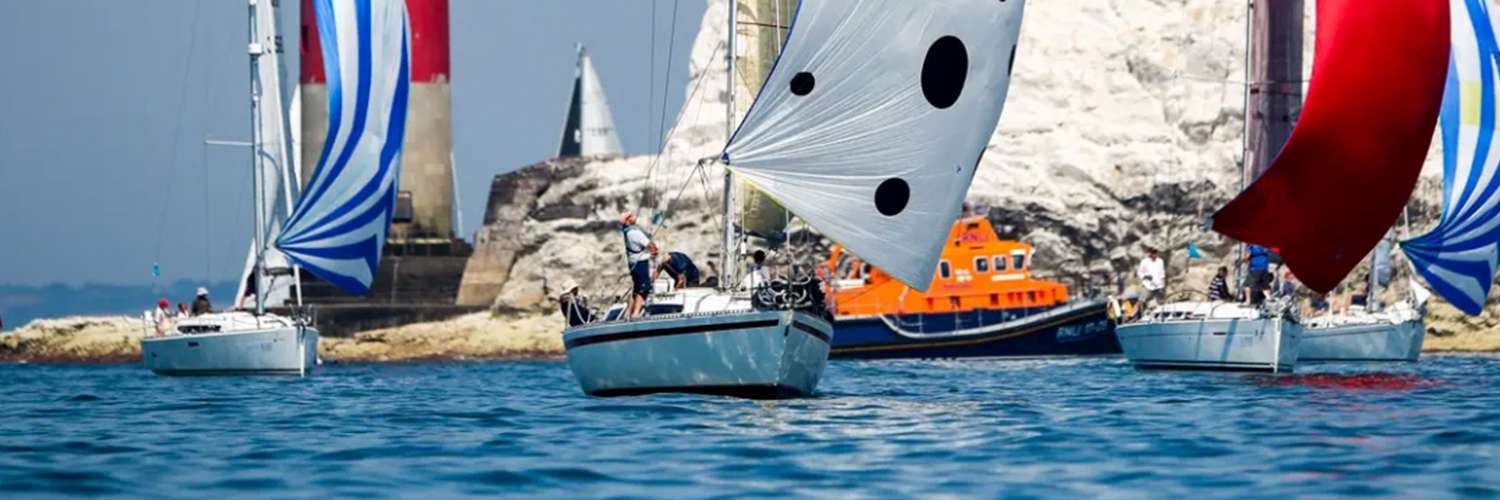
Freddie Carr: My enduring love for the Round The Island Race

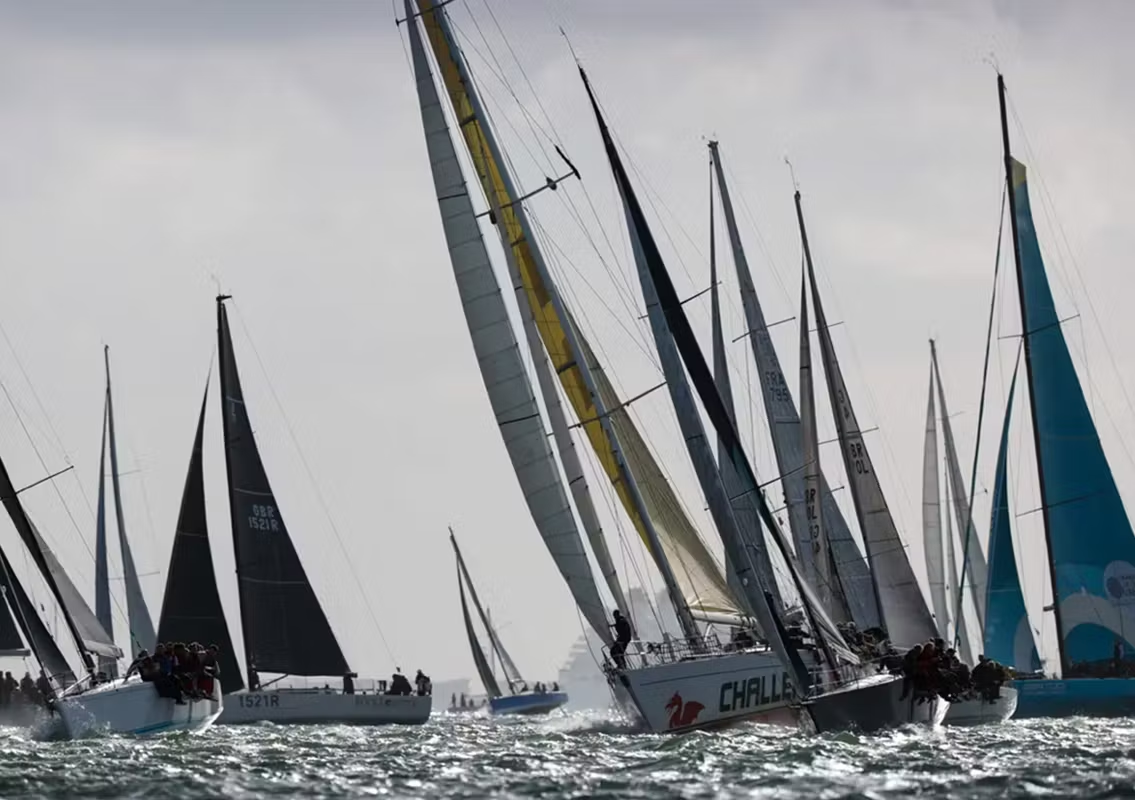
The Round the Island Race really is the race for everybody. Whether you're a seasoned professional or it’s the first time you’ve stepped on board a sailing boat, close to 800 boats and more than 10,000 competitors will set off at 7am this Saturday (July 11) to race the 50 nautical miles around the Isle of Wight. That makes it one of the largest yacht races in the world and the fourth-largest participation sporting event in the United Kingdom.
Ninety-five years after the race was first sailed by just 25 boats around this iconic course, the 2026 edition will once again bring together some of the best Grand Prix race boats in Europe alongside boats of every shape and size. Around 200 prizes are up for grabs, but every team has its eyes on the biggest one of all: the Gold Roman Bowl, awarded to the overall winner of this coastal classic.
While the smaller boats will be battling to win their class and one of the many trophies on offer, the thoroughbred racing machines at the front of the fleet will be chasing records. The current monohull course record of 3 hours, 42 minutes and 50 seconds was set by Leopard in 2013. The multihull record belongs to Concise, which stopped the clock at a staggering 2 hours, 22 minutes and 23 seconds in 2017.
This will be my 16th Round the Island Race. Having been born on the island and grown up in Gurnard, it’s a race that’s very close to my heart, and I’ll always try to move my calendar around to make sure I get back for it whenever possible.
The 5am alarm, leaving the dock at six, and heading out to join close to 1000 boats gathering on the iconic Squadron start line is something really special. Seeing that many people enjoying our sport is what makes the Round the Island Race one of the most iconic sailing events in the Northern Hemisphere.
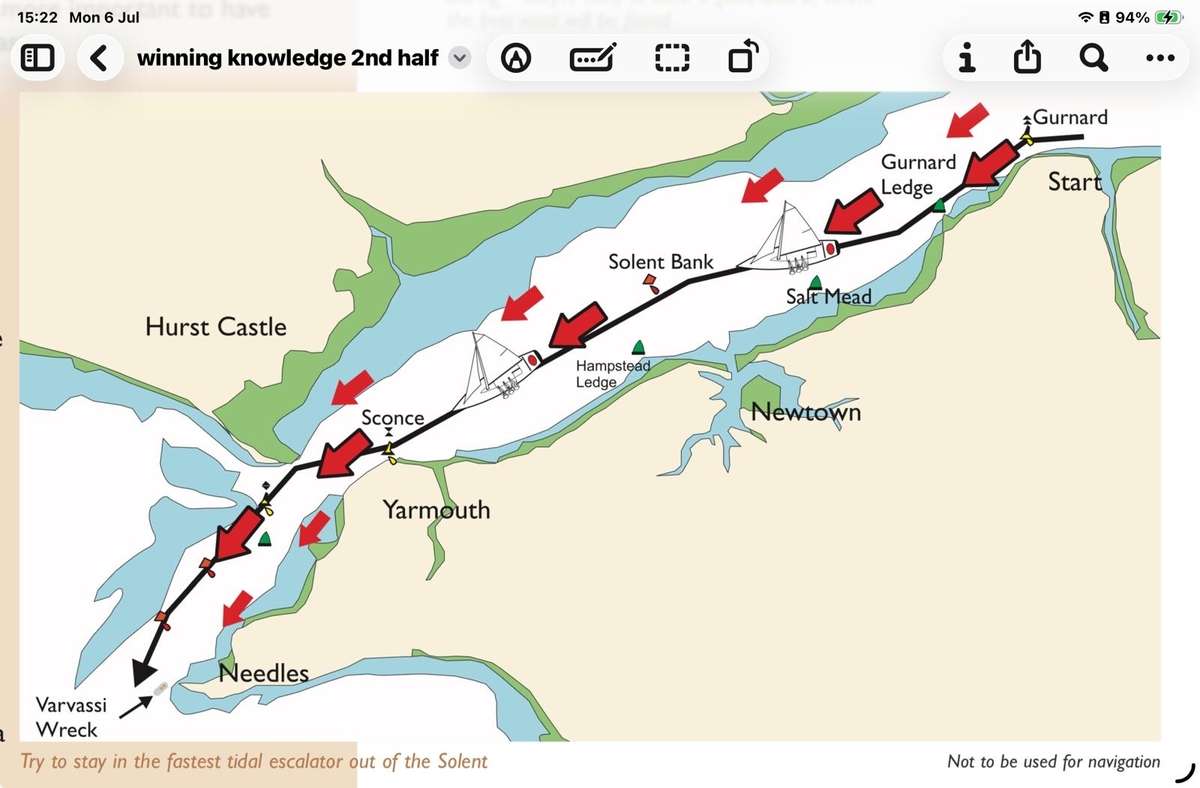
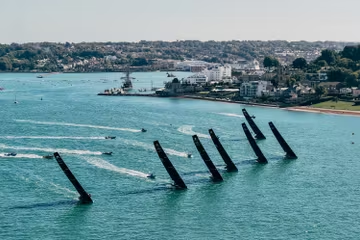
There is so much tactical preparation that goes into navigating your way out of the Solent, past Hurst Castle, around the Needles and then down to St Catherine's Lighthouse at the halfway point. From there it’s across Sandown Bay and around 14 miles to the Bembridge Ledge buoy before the final turn for home. Past the forts at the eastern end of the Solent and, just when you think the hard work is done, more big tactical decisions await as the tide once again becomes a huge factor in deciding who takes home the prizes.
Hopefully it’s handshakes all round after a successful race, a quick return to Cowes Yacht Haven, and more often than not a pint with your team-mates in one of Cowes’ famous pubs. You can’t beat it.
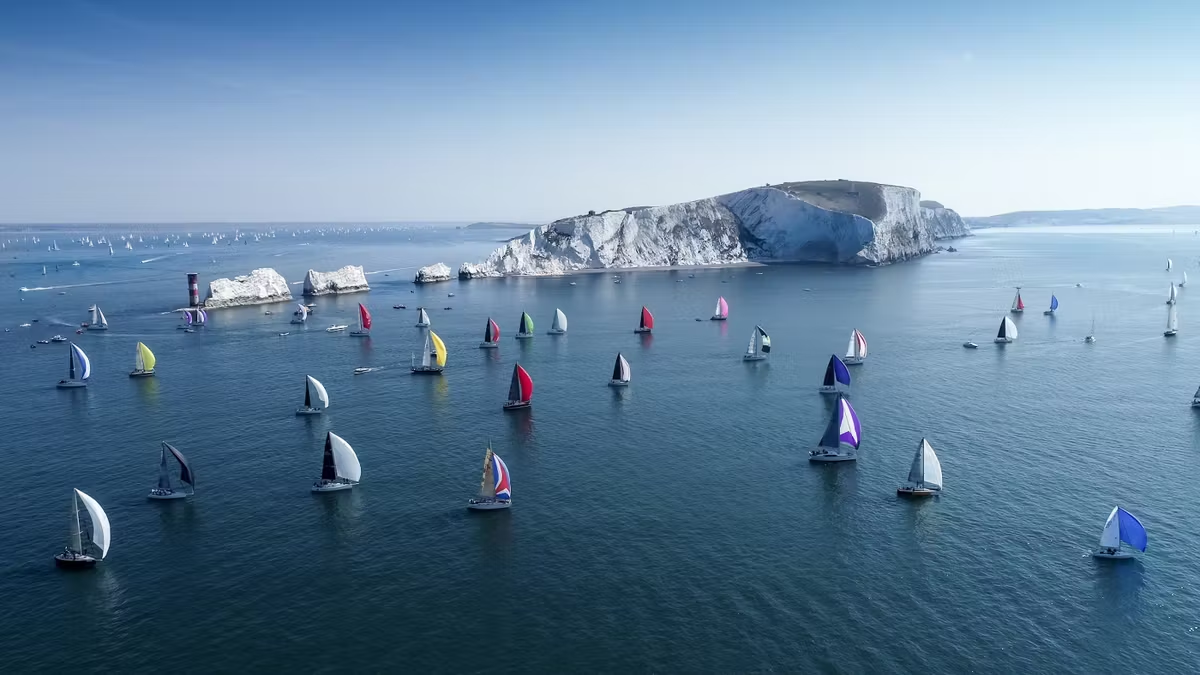
My favourite part of the race is often the turn at the Needles, one of the most iconic landmarks in sailing. It’s right up there with the Fastnet Rock, leaving Sydney Heads, rounding Alcatraz or racing into Bomb Ally in Porto Cervo.
The last two Gold Roman Bowl winners have been TP52s. I’ll be lucky enough to be racing this year on board the TP52 Gladiator, which won the race a decade ago. But the very front of this year’s fleet is a true reflection of modern Grand Prix racing. It is seriously stacked with world-class boats all chasing the biggest prize. As always, pre-race preparation around the wind and tide will be critical, but I expect the boat-on-boat tactics at the sharp end of the fleet to be absolutely fierce.
With the resurgence of both the Admiral’s Cup and the Sardinia Cup, expect to see some serious IRC heavy-hitters using Saturday as another benchmark. Many of the TP52s and 40-footers are constantly making small tweaks to their hardware, sail inventory and setups within the rating rules to find an edge over their rivals. The Round the Island Race is the perfect opportunity to see what’s working, what isn’t, and where improvements can be made ahead of winter refits and the 2027 Admiral’s Cup.
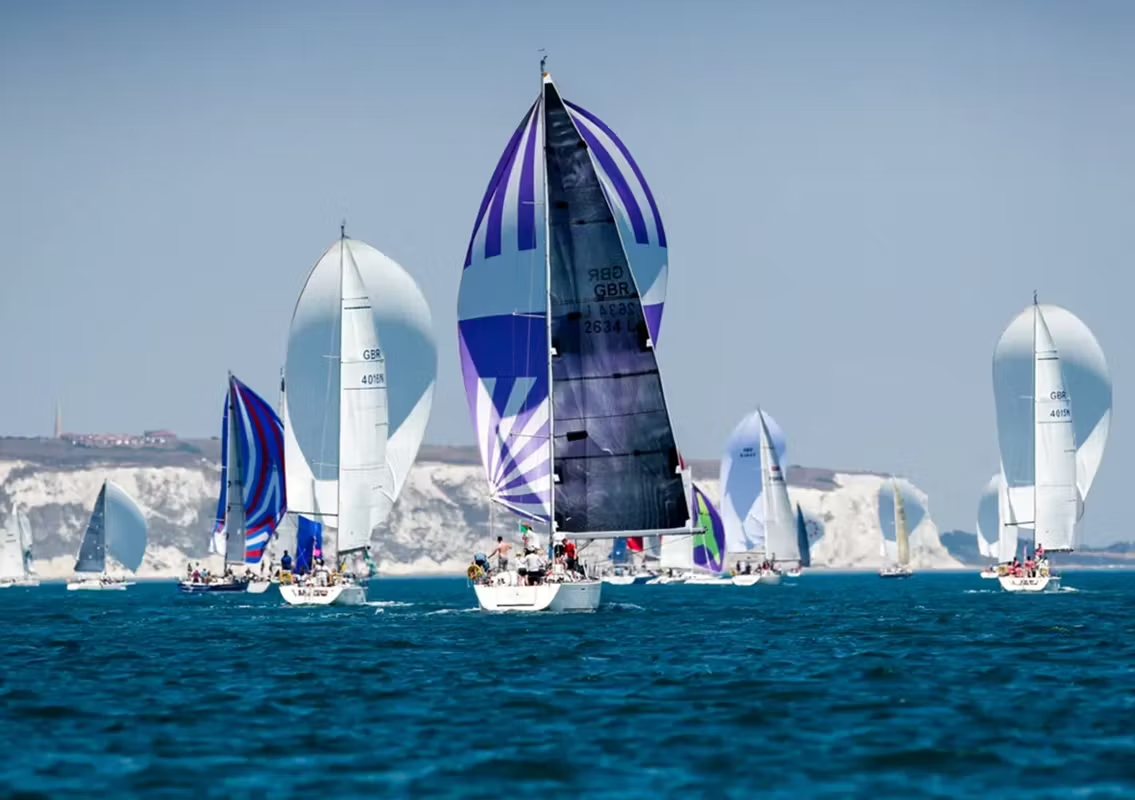
That battle will be unfolding at the front of the fleet as the leading boats chase line honours and the Gold Roman Bowl, but it’s only one of many stories. There are around 30 classes starting in 11 separate groups, with everything from a MOD70 trimaran down to family cruiser-racers crossing the Royal Yacht Squadron start line. By Saturday night there will be tens of thousands of stories being told in marinas and yacht clubs around the south coast.
Looking at the long-range forecast for Saturday, it currently looks like we’ll have a north-westerly gradient breeze of around 10–15 knots. High water at Portsmouth is at 09:02, which means the faster boats will have the last of the east-going flood underneath them for the opening quarter of the race. That favourable push out through the western Solent gradually weakens as you head towards Hurst Castle, so the benefit reduces the further west you go.
The leaders are likely to reach the Needles almost exactly as the tide turns, but the rest of the fleet will probably encounter the new west-going ebb. The breeze also looks as though it could slowly shift to the right, making the middle section around the back of the island either an upwind leg or, with a bit of luck, a tight fetch towards St Catherine’s Lighthouse. The tide rips at the southernmost point of the course, and the famous standing waves in the St Catherine’s overfalls could certainly come into play. Do you stay offshore or push the rocks close to the lighthouse?
The next stretch, from St Catherine’s to Bembridge Ledge, could be the most tactical part of the race. Hugging the shoreline to play the tide may pay dividends, but you’ll have to balance that against the possibility of stronger pressure offshore. It could easily become one of the defining strategic decisions of the day.
Then comes the final push for home. By this point the west-going ebb will be well established, and the tidal streams across Osborne Bay are likely to have a huge influence. Knowing exactly where to cross those streams on the approach to the finish can make or break your race in the final 15 minutes.
So it looks set to be a quick race for the leading boats, although at this stage it doesn’t appear to be record-breaking conditions. With temperatures forecast to reach around 30°C on the south coast, there’s always the possibility of local sea breezes disrupting the gradient wind in places and throwing another tactical curveball into the mix.
Pack plenty of sunscreen and get ready for another lap of the island that hosted the first race for the oldest trophy in international sport.
Topics
Articles You Might Be Interested in
The week in racing - 19 Oct ’26
Platoon Aviation’s consistency seals a classic 52 Super Series season
The week in racing - 12 Oct ’26
LIVE: 2026 Sardinia Kiteboard Grand Slam
LIVE: 52 Super Series Valencia Sailing Week – the title decider
Why Les Voiles de Saint-Tropez is so special
The week in racing - 5 Oct ’26
The RC44: how Russell Coutts hit a winning formula



Member Discussion