
Freddie Carr: How modern foiling revitalised old-school yacht racing

I've been banging on about this since we launched The Foil in January: Grand Prix sailing is as healthy as I have ever known it in my 25 years of professional racing. The rebirth of the Admiral's Cup and the Sardinia Cup perfectly illustrates just how strong the sport is right now.
There are many reasons for this, but ironically I think the biggest driver behind the resurgence of traditional yacht racing is the rise of foiling, boundary-style race courses at the very pinnacle of the sport through the America's Cup and SailGP.
The style of racing and the technology used to send the AC75s and F50s blasting around the course at over 50 knots is now so different from traditional yacht racing that they almost feel like separate sports. I don't see that as a bad thing. In fact, I think it has benefited both. Foiling has created a spectacular, television-friendly product, while conventional yacht racing has doubled down on the qualities that have always made it special – strategy, seamanship and close competition.
The evidence is everywhere. The 52 Super Series currently boasts its biggest fleet in two decades. Small keelboat classes such as the Dragon, Etchells and J/70 are attracting record turnouts, with enthusiastic professionals and amateurs competing around the world. At the top end of the sport, owners continue to invest heavily in the Maxi class, where cutting-edge yachts such as My Song, Magic Carpet, Capricorno and the latest Wally designs are in a constant state of evolution as teams search for any competitive advantage.
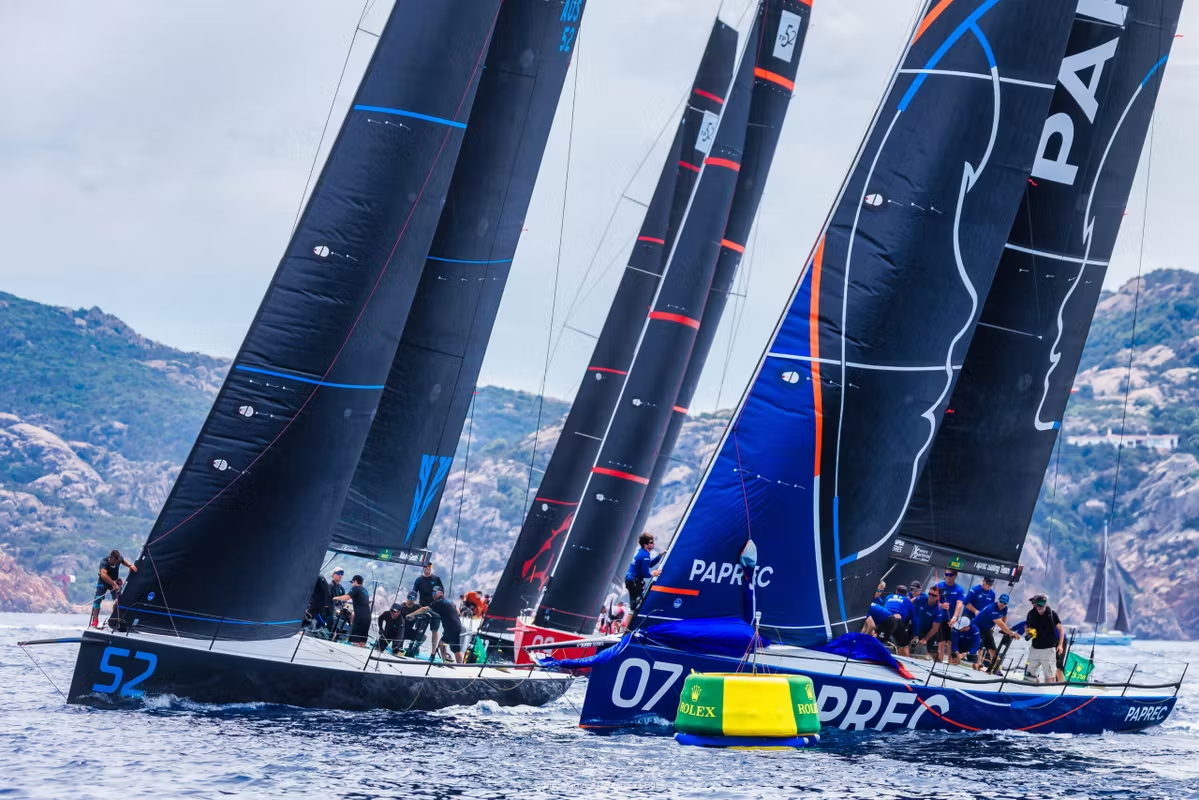
And then there is the return of the great team competitions. The Admiral's Cup and the Sardinia Cup are back with a bang, proving that the appetite for traditional yacht racing is stronger than ever. Far from being threatened by foiling, it may well be thriving because of it.
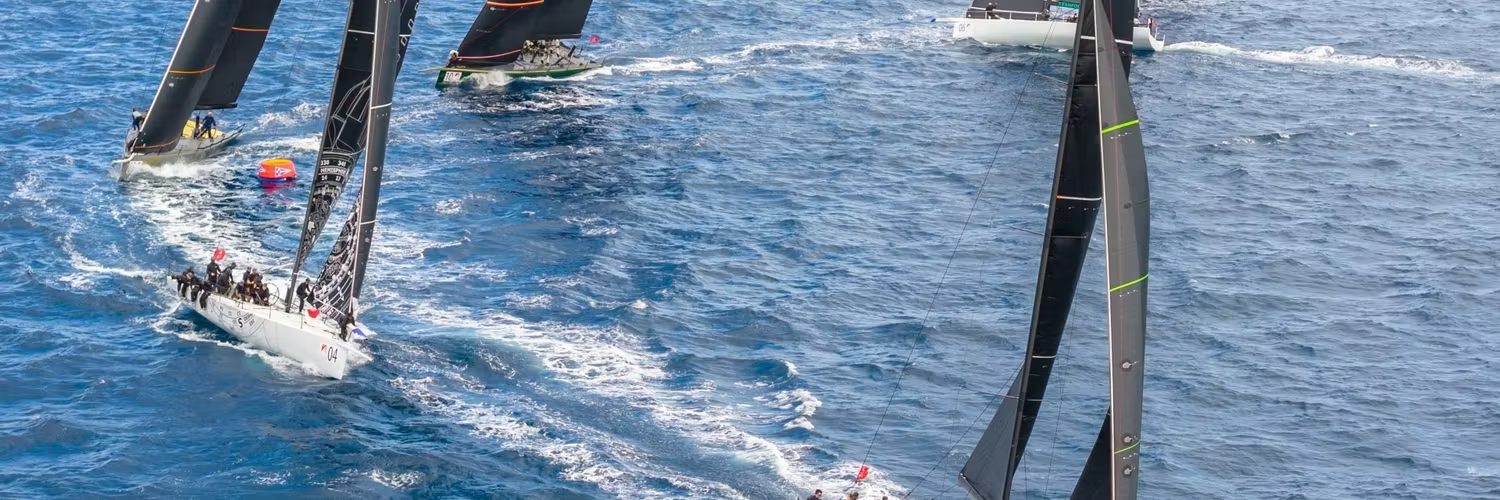
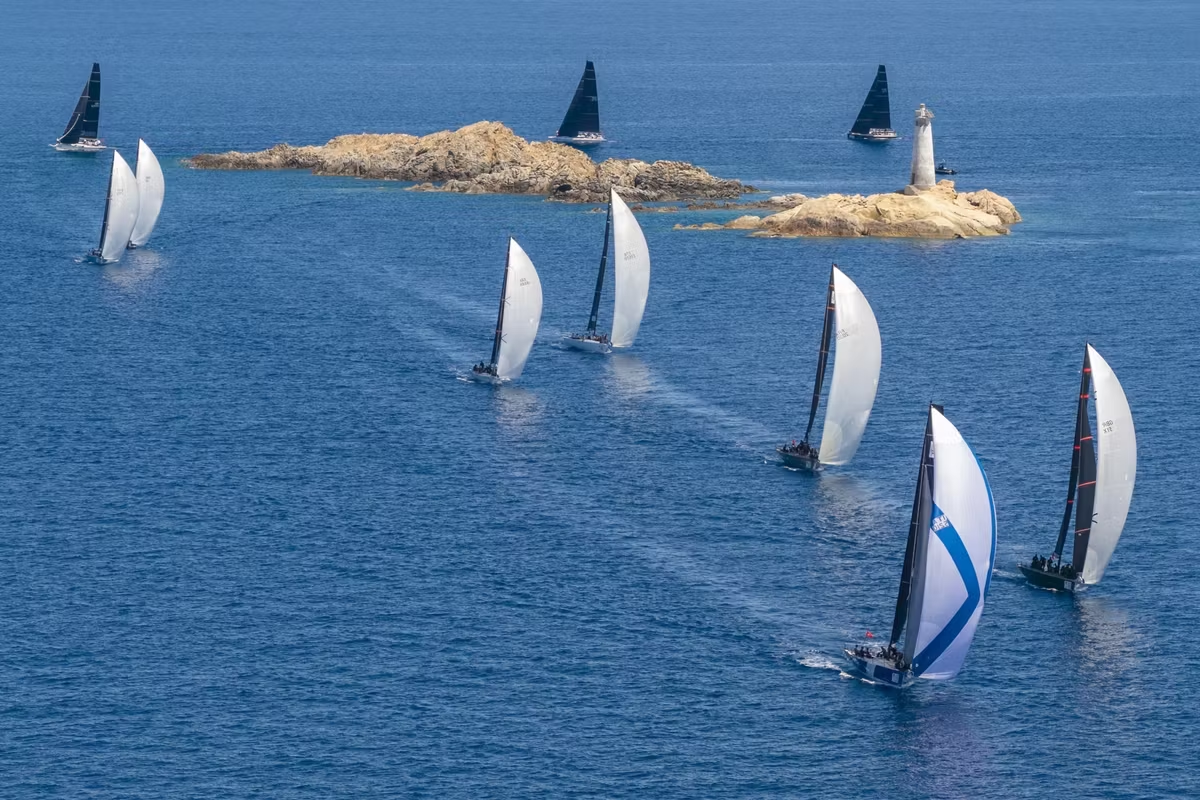
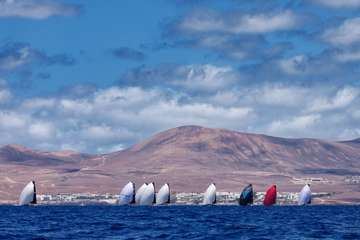
The Sardinia Cup, hosted by the Yacht Club Costa Smeralda last week, was an absolutely cracking event. Ten teams representing yacht clubs from across Europe competed, with each club fielding two boats sailing in separate IRC rating bands – fundamentally a 40-footer and a 50-footer working together as one team.
The format was outstanding and tested every aspect of offshore and inshore racing. Two 30-mile coastal races, both non-discardable, took the fleet around the stunning coastline of northern Sardinia, demanding excellence across every point of sail, in 6 to 26 knots. They were either side of four windward-leeward races in conditions that where pretty top end, where teams could discard their worst result.
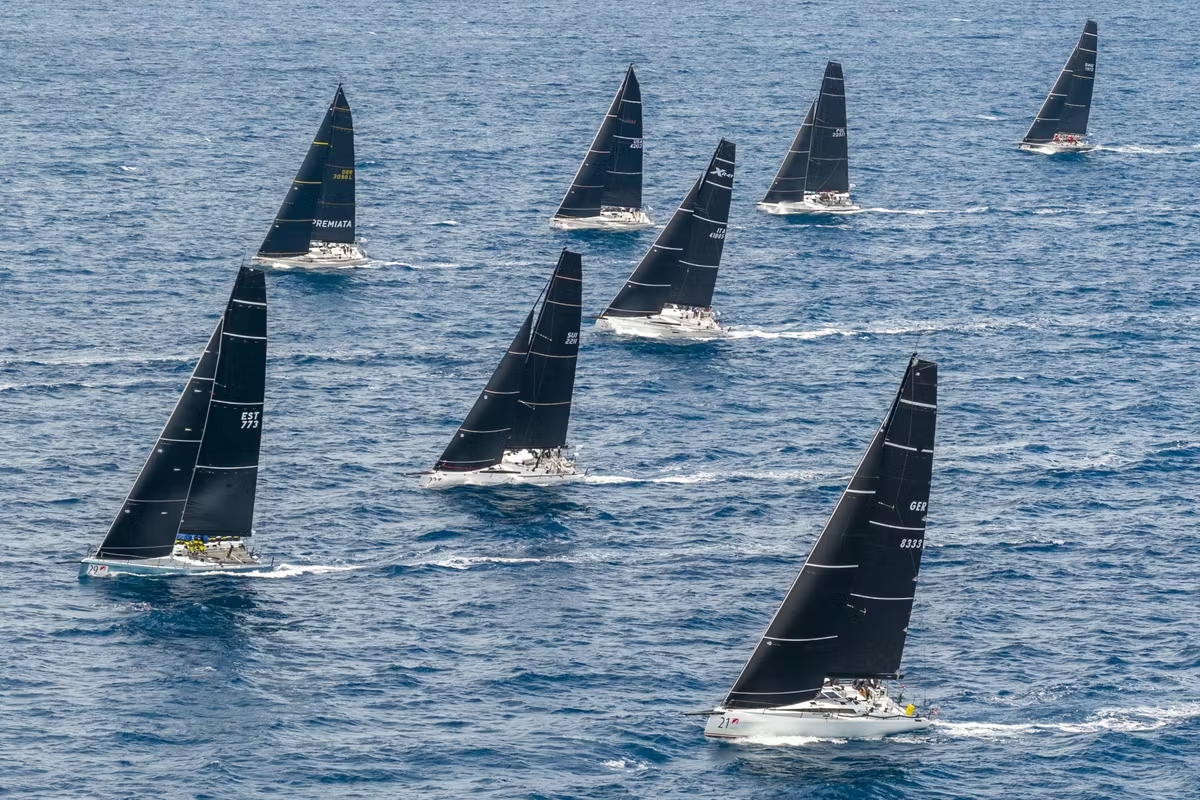
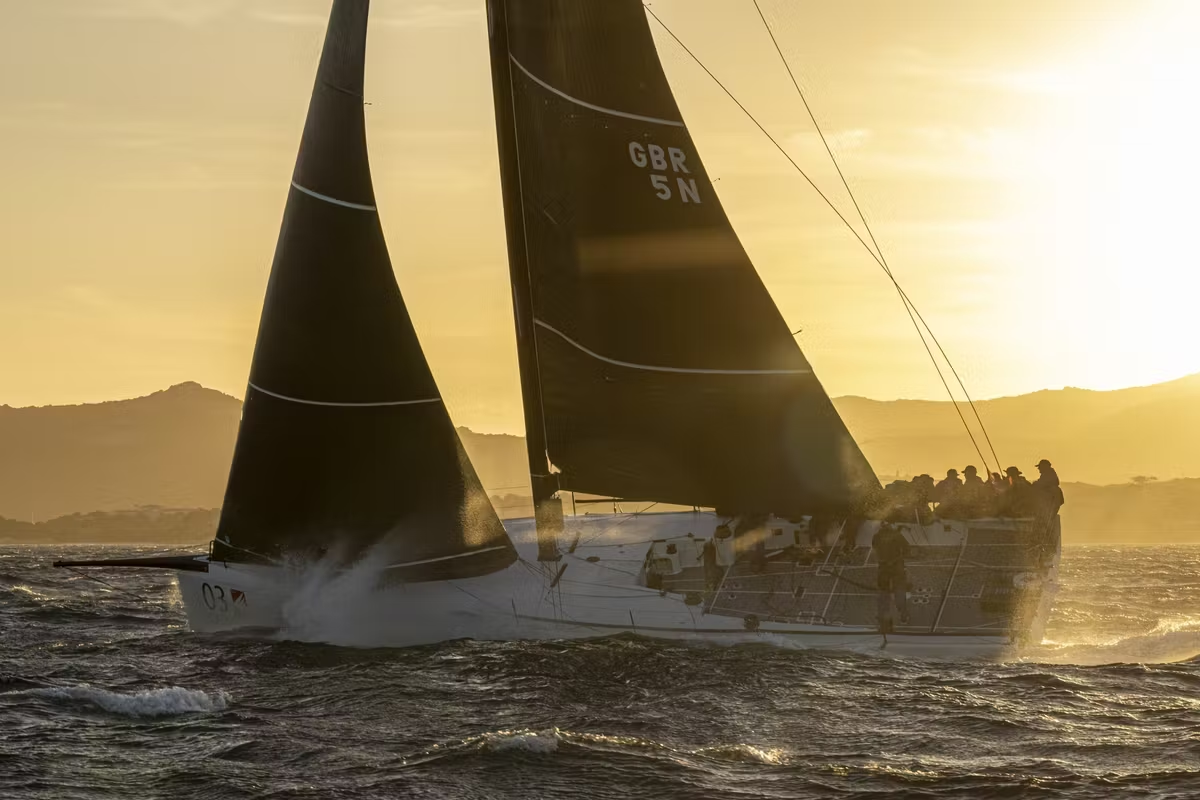
The dominant race was a spectacular overnight offshore race that counted for double points and, crucially, was also non-discardable. It was a proper sporting challenge, sailed on the back end of a Mistral. The start was delayed until 8 pm to allow the worst of the 40-knot breeze to pass through, meaning the fleet set off in the final hour of daylight with gusts still exceeding 30 knots. Both fleets were fully lit up, charging into the middle of the Mediterranean in an unforgettable test of speed, seamanship and endurance.
Represented by James Neville's TP52 Ino Veritas and the GP42 Garm, RORC finished on 30 points, securing a five-point victory over the host Yacht Club Costa Smeralda to claim the overall team title and lift a trophy that many believed had been lost to history.
The Italian challenge, made up of Giovanni Lombardi Stronati's Django WR and Django JP, pushed the eventual winners all the way, finishing second on 35 points. Completing the podium was another RORC-backed pairing, with Peter Harrison's IRC 52 Jolt 3 and Niklas Zennström's Carkeek 40 Ran delivering a consistently strong performance throughout the week.
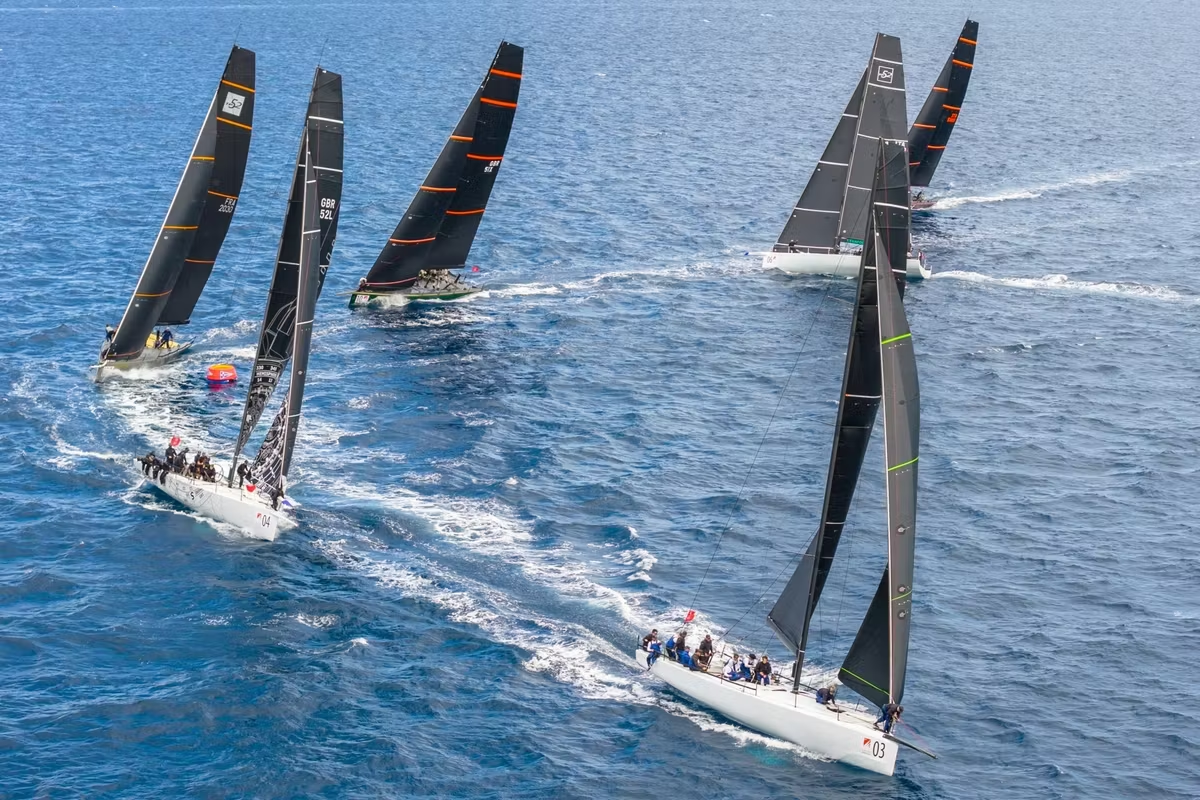
However, the biggest winner may well have been the event itself. First held in 1978 by the Yacht Club Costa Smeralda, the Sardinia Cup returned after a 14-year absence and immediately demonstrated why it was once regarded as one of the world's premier team sailing competitions.
The growth of the two IRC classes that now underpin both the Admiral's Cup and the Sardinia Cup has been one of the most fascinating developments in grand prix sailing. The 40ish and 50ish foot platforms have become an incredible playground for designers, sailors and owners, with every campaign searching for marginal gains within the IRC rule. Sail plans, appendages, weight distribution and rating optimisation are all being scrutinised to find a tiny advantage across a week of racing in everything from 6 to 30 knots, at every point of sail, inshore and offshore.
What is particularly exciting is that the fleet is only going to get stronger. There are boats currently being finalised on drawing boards that will be built over the next nine months before splashing in 2027, all with one eye on the next Admiral's Cup. That, in itself, tells you everything about the status of the event. After its spectacular return in 2025, the Admiral's Cup has once again established itself as one of the great prizes in world sailing, and owners are now designing campaigns around it rather than simply fitting it into an existing schedule.
I believe the enthusiasm for this style of racing comes from the conversations taking place on the dock. They revolve around sail combinations, boat handling, IRC optimisation and finding an edge over the opposition. Of course, there are tactical discussions that mirror those you hear around the America's Cup or SailGP, but the language is different. Here, the debate is about boatspeed measured in knots, not kilometres per hour, and about making a yacht perform across every angle and every condition rather than around a standardised racecourse.
What has surprised me, having stepped away from the America's Cup environment and now following SailGP closely as a pundit, is just how little attention much of the wider grand prix sailing world is paying to these events.
The reason is probably simple. The best professional sailors are incredibly busy, juggling three or four programmes across TP52s, Maxis and one-design circuits. Their days are consumed by regattas, crew debriefs and strategy meetings, leaving little time to appreciate what is happening elsewhere.
But I have a feeling the wider sailing world is about to wake up. The momentum behind these events is undeniable, with new boats already being designed, new campaigns being assembled and owners committing years in advance.
In an era obsessed with technology and speed, the Admiral's Cup and Sardinia Cup have reminded us that some of the greatest challenges in sailing cannot be measured by a top speed figure. They are won through teamwork, preparation, tactical brilliance and the ability to make the right decisions over hundreds of miles and every point of sail.
Ironically, foiling may have pushed traditional yacht racing into the shadows for a while, but it has also allowed it to rediscover its own identity. And judging by what we've seen over the past 18 months, the future of grand prix sailing has never looked healthier.
Articles You Might Be Interested in
Three legs and an electronic brain: how Ferrari Hypersail will fly (Pt. 2/7)
Django 7X edges out Balthasar for Rolex Middle Sea Race overall win
Grigio and Giallo: Up close with the finished Ferrari Hypersail hull (Pt. 1/7)
The week in racing - 19 Oct ’26
Inside the Batmobile: a first look at Ferrari Hypersail
Why pro sailors dread the Middle Sea Race - Course Preview
Platoon Aviation’s consistency seals a classic 52 Super Series season
The week in racing - 12 Oct ’26



Member Discussion