
Freddie Carr: Raw speed vs the clock – the Maxi Yacht Rolex Cup has never been harder to call

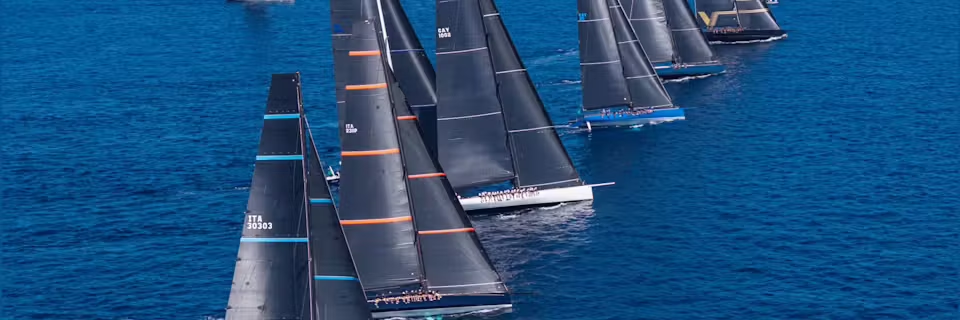
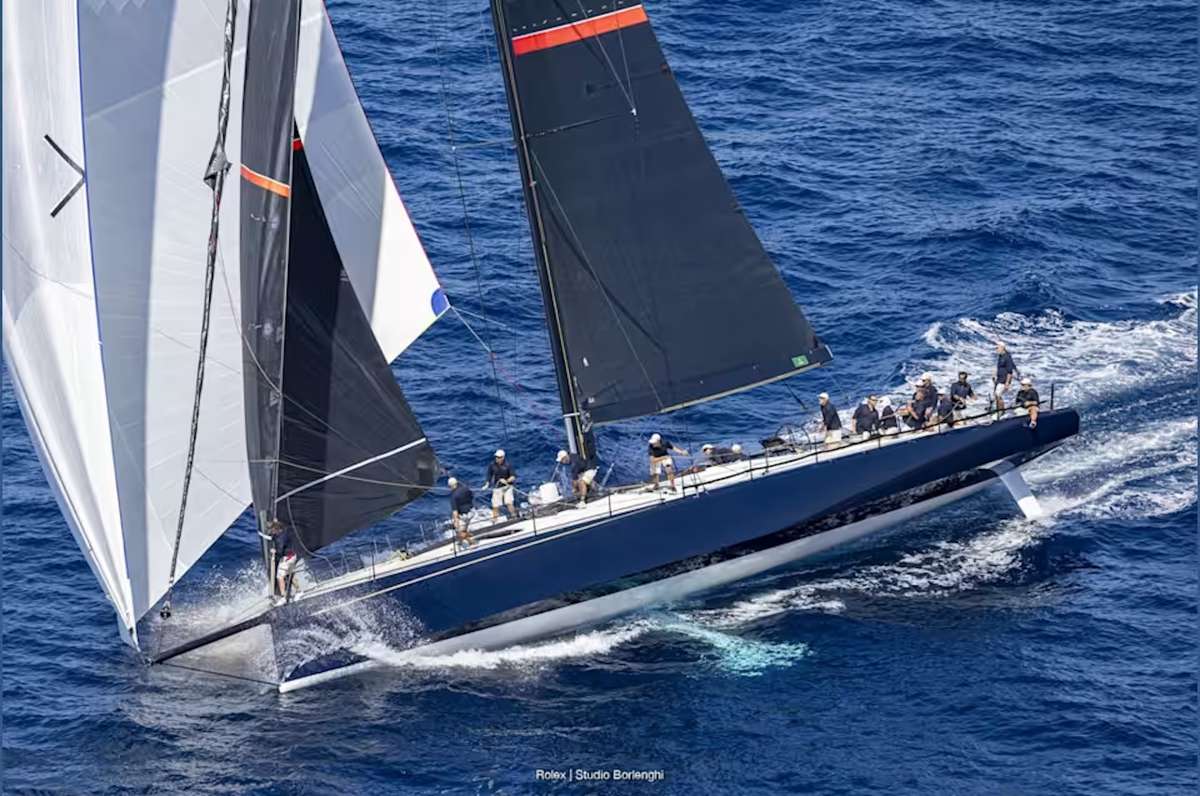
The Maxi Yacht Rolex Cup has always brought extraordinary boats and some of the world’s best sailors to Porto Cervo. What makes the 2026 edition particularly interesting is the variety of solutions being used to attack the same racecourse.
Maxi 1 ranges from lightweight 80-footers to the most advanced 100-footers ever built. The Maxi Grand Prix fleet brings together the latest generation of highly optimised 70-foot racers, while six multihulls add another dimension.
This is no longer simply a gathering of beautiful big boats. It is a proper examination of modern yacht design, crew work and the ability of a rating system to compare radically different machines.
The Wallycento benchmark
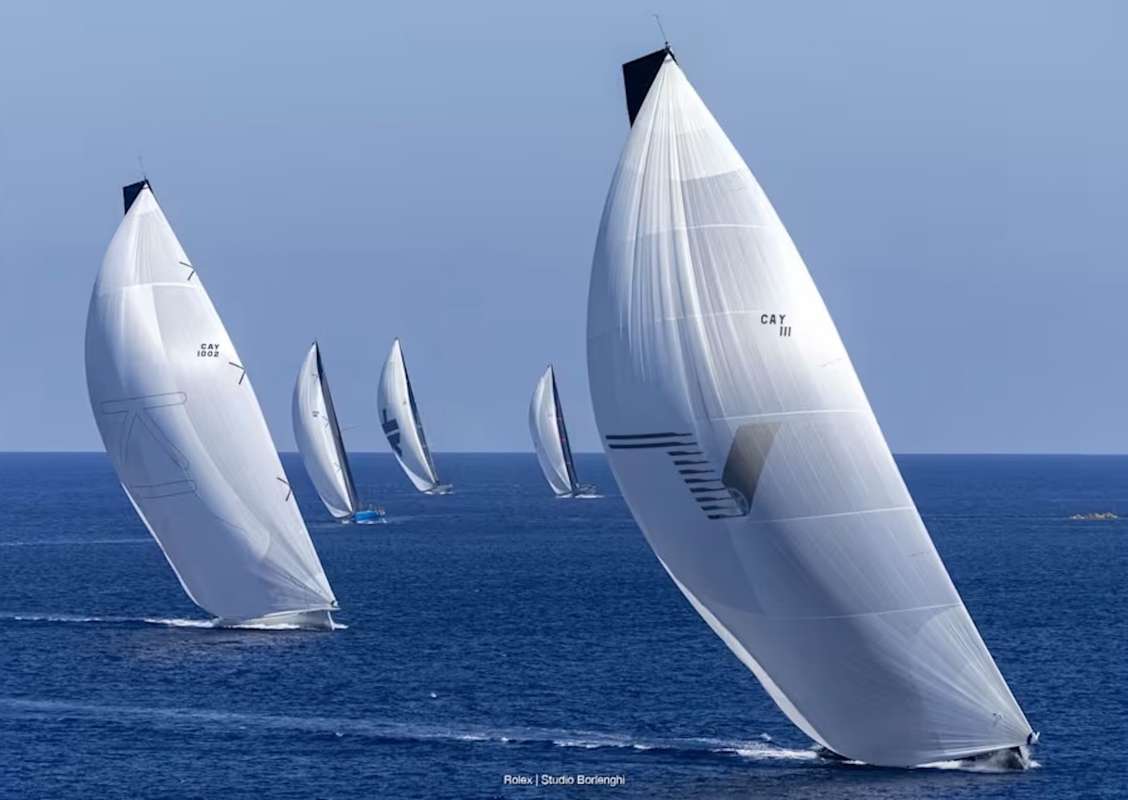
Galateia returns as the defending Maxi 1 world champion and remains the benchmark. The Reichel/Pugh-designed 100-footer is one of the most refined boats in the fleet, with a settled afterguard featuring Murray Jones and Kelvin Harrap.
Alongside her is V, another heavily optimised Wallycento with enormous strength throughout the crew. These boats understand exactly where the small differences are. Their battle will be decided through starts, modes, manoeuvres and the use of water ballast.
Tilakkhana completes the Wallycento group. Pascale Decaux’s boat may not arrive with the same recent results, but she has the length and horsepower to remain involved.
The Wallycentos should be particularly difficult to beat when the racing combines proper upwind work with fast reaching through the islands. They are powerful enough to stretch away, but refined enough to manoeuvre efficiently around Porto Cervo’s complicated coastal courses.
Magic Carpet E: the technological statement
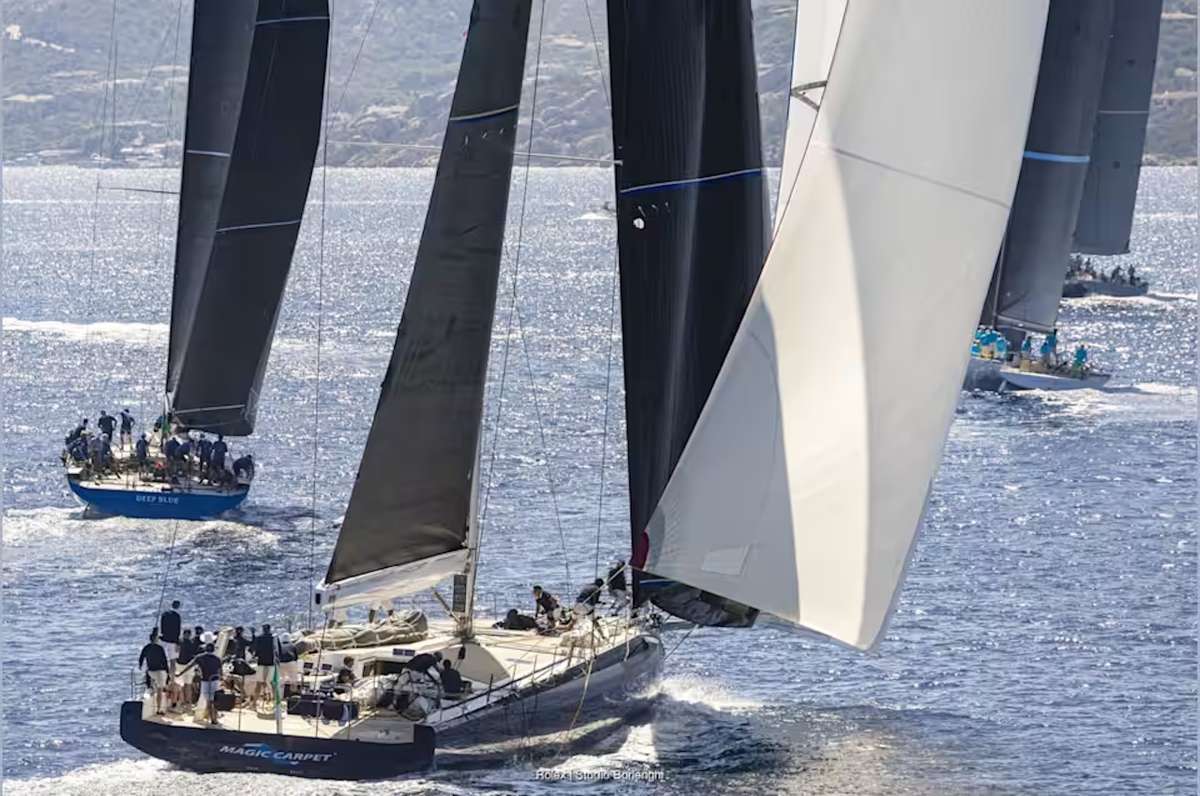
Magic Carpet E is the newest and most ambitious boat in Maxi 1. Sir Lindsay Owen-Jones’s Guillaume Verdier-designed 100-footer weighs just 37 tonnes – around ten tonnes less than the previous Magic Carpet.
She has a canting keel, adjustable canard, retractable twin rudders and a fully electric system powering the hydraulics, winches and propulsion. She was designed primarily for Mediterranean conditions between eight and 12 knots, where her low weight and enormous sail plan should make her exceptionally quick.
More sail power has been added for 2026, leaving Magic Carpet E with the highest rating in the division. Francesco de Angelis will call tactics, but the equation is straightforward: she cannot merely finish first; she must win by enough.
The question is whether the team can convert all that technology and raw speed into the required corrected-time margin.
Leopard 3: the proven heavyweight
Joost Schuijff’s Farr 100 Leopard 3 was launched in 2007, but an extensive refit has made her lighter and faster. Revised mainsail area, new rudders and a medium-air aerodynamic package have improved her reaching performance.
Leopard is a wide, powerful canting-keeler that becomes particularly difficult to contain as the breeze builds and the sheets are eased. She also has considerable Porto Cervo experience, having won the inaugural Maxi 1 World Championship in 2024.
Chris Nicholson joins Schuijff as tactician. If the Mistral produces sustained high-speed reaching, Leopard becomes a serious contender. Her greater challenge will be the lighter windward-leewards, where the newer designs should be more efficient.
The smaller boats with time on their side
Capricorno, Deep Blue and My Song cannot match the 100-footers for outright pace, but all three could win the championship.
Alessandro Del Bono’s Capricorno is a Judel/Vrolijk 82 carrying a substantially lower rating. Torben Grael, Flavio Favini and Alberto Bolzan provide enormous experience, while the boat was already pressing V and Galateia at the 2026 Maxi Europeans.
Deep Blue may be an even greater threat. Wendy Schmidt’s Botin 85 has undergone extensive optimisation, including weight reduction and moving the mast aft. She took two wins at the 2026 Nelson’s Cup before winning the Antigua 360. If Rob MacMillan can keep her in clear air and close to the leaders, Deep Blue’s rating becomes a serious weapon.
My Song sits at the bottom of the rating range. Pier Luigi Loro Piana’s lightweight ClubSwan 80 has a canting keel, twin rudders and an adjustable canard. Paul Cayard and Manu Weiller strengthen the afterguard. Light, tactical windward-leewards could suit her perfectly; stronger coastal racing will favour the bigger boats.
Maxi Grand Prix: no room for an average race
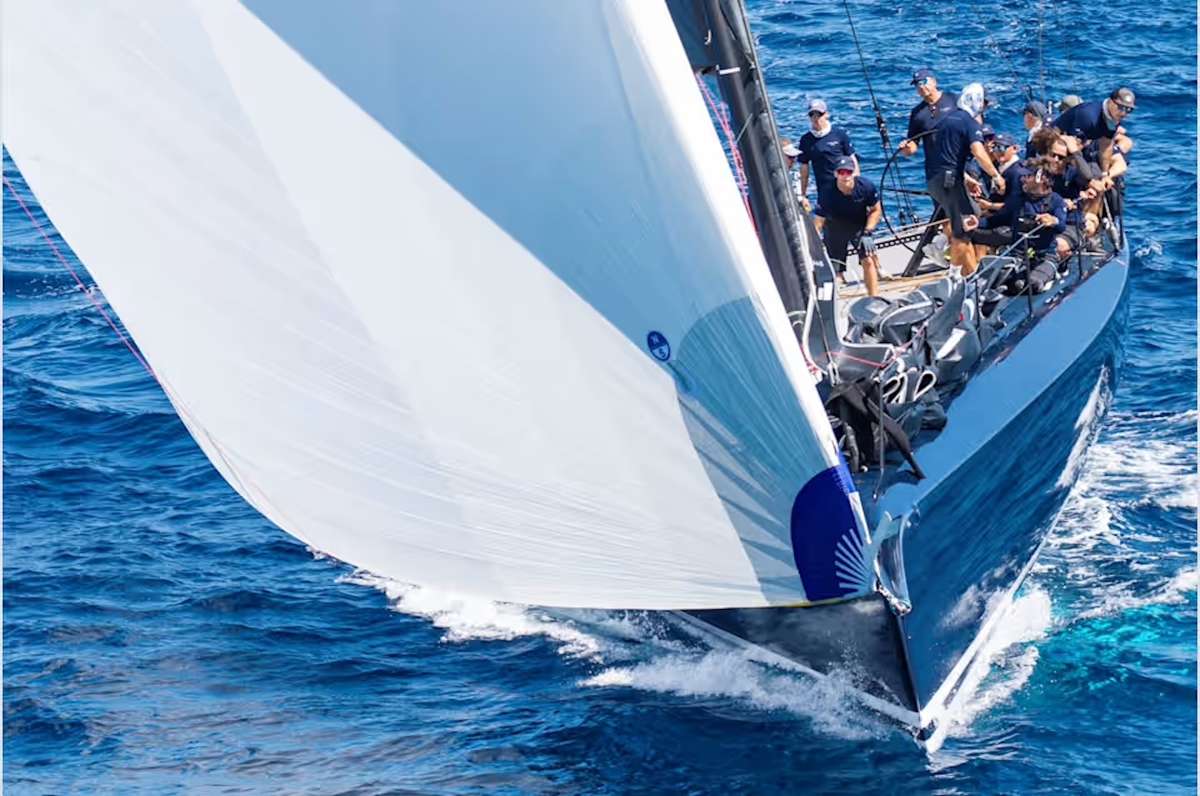
The Maxi Grand Prix fleet may produce the week’s closest racing. These boats are smaller than the Maxi 1 giants, but they are pure racing machines developed from the Maxi 72 generation. With windward-leewards and coastal races contributing to a separate world championship, consistency will be vital.
The defending champion is Django 7X, Giovanni Lombardi Stronati’s Botin-designed wallyrocket71. Launched in 2025, she immediately won the Maxi Grand Prix world title and Les Voiles de Saint-Tropez. Vasco Vascotto and Guillermo Parada give the programme one of the strongest afterguards in the fleet.
Bella Mente remains a major threat. Hap Fauth’s Botin 74 arrives as the two-time Maxi European champion, with Terry Hutchinson calling tactics. Jolt has been substantially reconfigured, removing her trim tab and lowering her rating, while Nick Asher joins Peter Harrison in the afterguard. They are current European Champions.
Jethou carries one of the highest rating in the group and must use her raw speed, with Brad Butterworth calling tactics. Proteus has added twin rudders during its latest development work, while Hamish Pepper leads the tactical team.
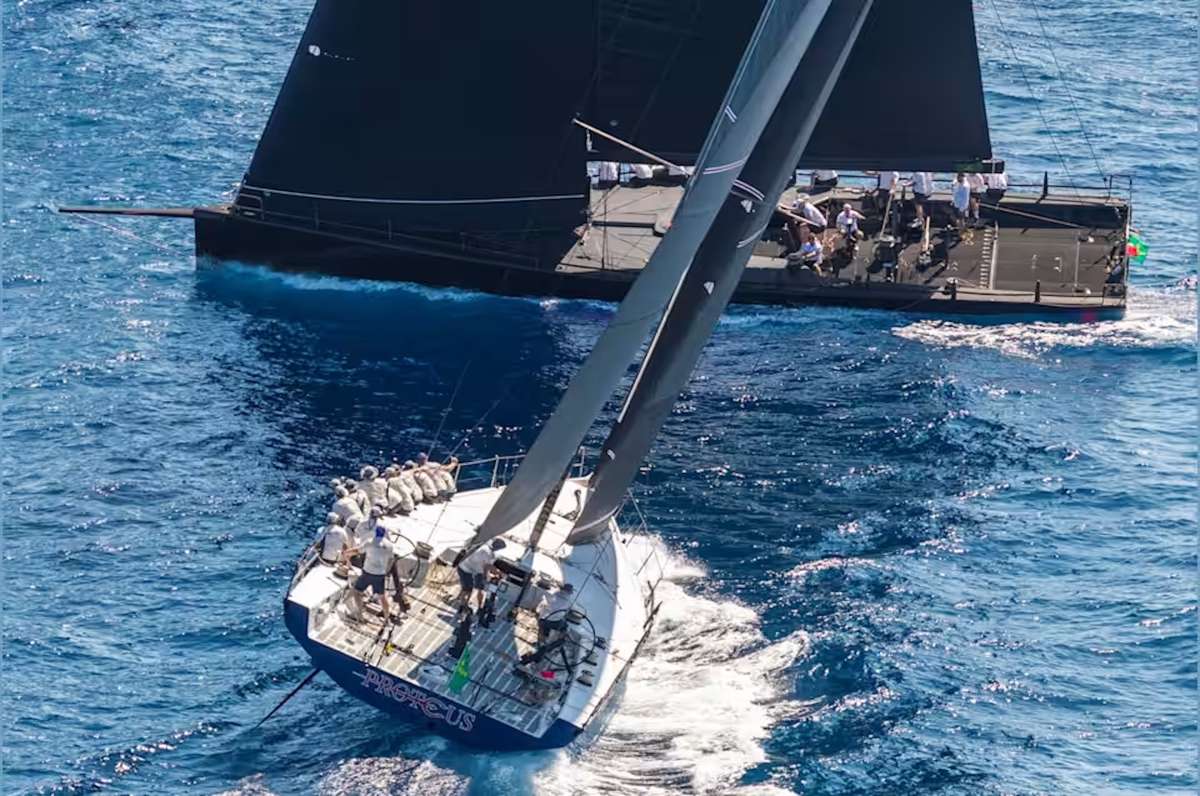
The unknown is Peter Dubens’ new Judel/Vrolijk 76 Northstar III. With Nick Rogers calling tactics, she has the potential to be immediately competitive, but Porto Cervo is an unforgiving place to begin learning a new boat. This boat looks the buieness and revolution of the class on a evolution.
The standard is exceptional, but in a fleet this compressed, one poor start or slow manoeuvre could prove decisive.
Six multihulls enter the picture
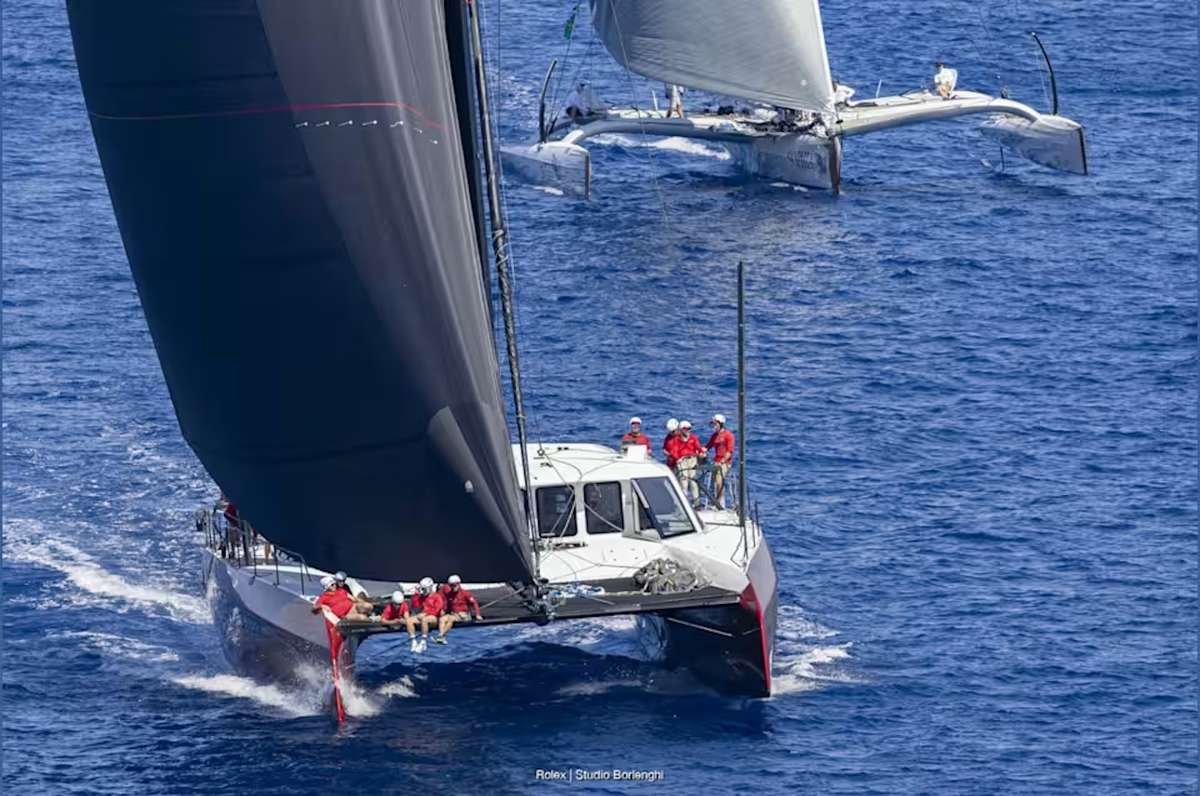
For the first time, six multihulls will compete: Allegra, Coco de Mer, Gaea, Highland Fling 18, Layla and Sophia. They will race coastal courses under ORCmh.
Allegra is the benchmark, having won this division in 2023 and the Multihull Cup in 2025. The raw-speed favourite is likely to be Irvine Laidlaw’s lightweight Highland Fling 18, which has already exceeded 24 knots in competition.
Layla and the refitted Gaea have challenged Allegra on corrected time, while Coco de Mer is a previous Multihull Cup winner. The wildcard is Sophia, a 19-metre Nigel Irens trimaran and the first three-hulled yacht to compete at this event.
From the latest 100-footers to the tightly matched Grand Prix racers, the lower-rated outsiders and a genuinely competitive multihull fleet, this is one of the most varied Maxi Yacht Rolex Cups we have seen.
Porto Cervo will provide the scenery, but the breeze and the clock will decide the winners. The fastest boat may be obvious. The best-performing boat almost certainly will not be.
Topics
Articles You Might Be Interested in
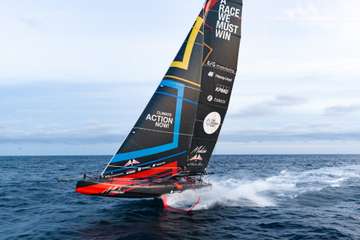
The week in racing - 7 Sep ‘26
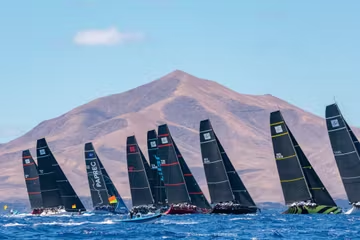
Freddie Carr: Platoon take control in Lanzarote as the 52SS title race turns
The week in racing - 31 August ‘26
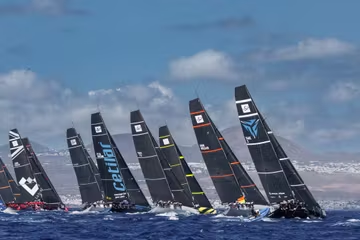
REPLAY: Puerto Calero Lanzarote 52 Super Series Royal Cup
The week in racing - 24 August ‘26
The week in racing - 17 August ‘26
The week in racing - 10 August ‘26



Member Discussion
Fascinating insight. Thanks Freddie.
I was lucky enough to do the maxi cup twice while i was crew aboard Adela. Out of my whole career those two weeks rank as by far the best memories i have. The mix of location and the level of competition makes it an event like no other. I recall one particularly spicy race we did in big breeze through the islands. We had all hell breaking loose on board but powered through to finish ahead of many of the faster lighter boats. Good times indeed.
It seems Northstar III has reset the standard with her canting keel. Straight bullets in the maxi cup with a brand new boat....hmmmmm. Thats something to watch.