
Freddie Carr: The America’s Cup’s founding document is now central to the fight over its future

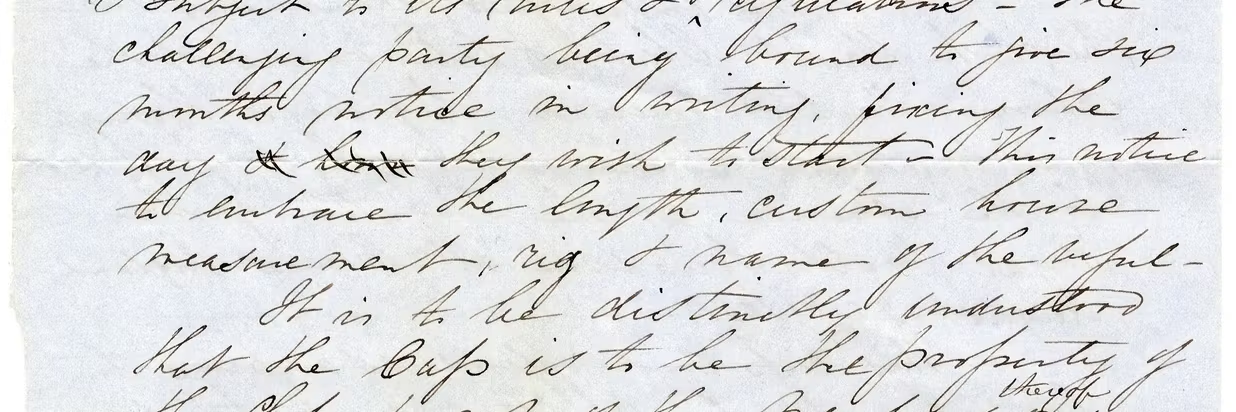
For a document written in the 19th century, the America’s Cup Deed of Gift has done a remarkable job of governing one of the most technologically advanced sporting competitions on the planet.
It has survived displacement monohulls, 12 Metres, giant multihulls and foiling AC75s. It has outlasted countless teams, owners, sponsors and event authorities. But now, as the America’s Cup attempts to build a more stable commercial future through the new America’s Cup Partnership, the Deed is once again at the centre of a serious argument about who ultimately controls the oldest trophy in international sport.
To understand the current conflict, you first need to understand what the Deed of Gift actually is.
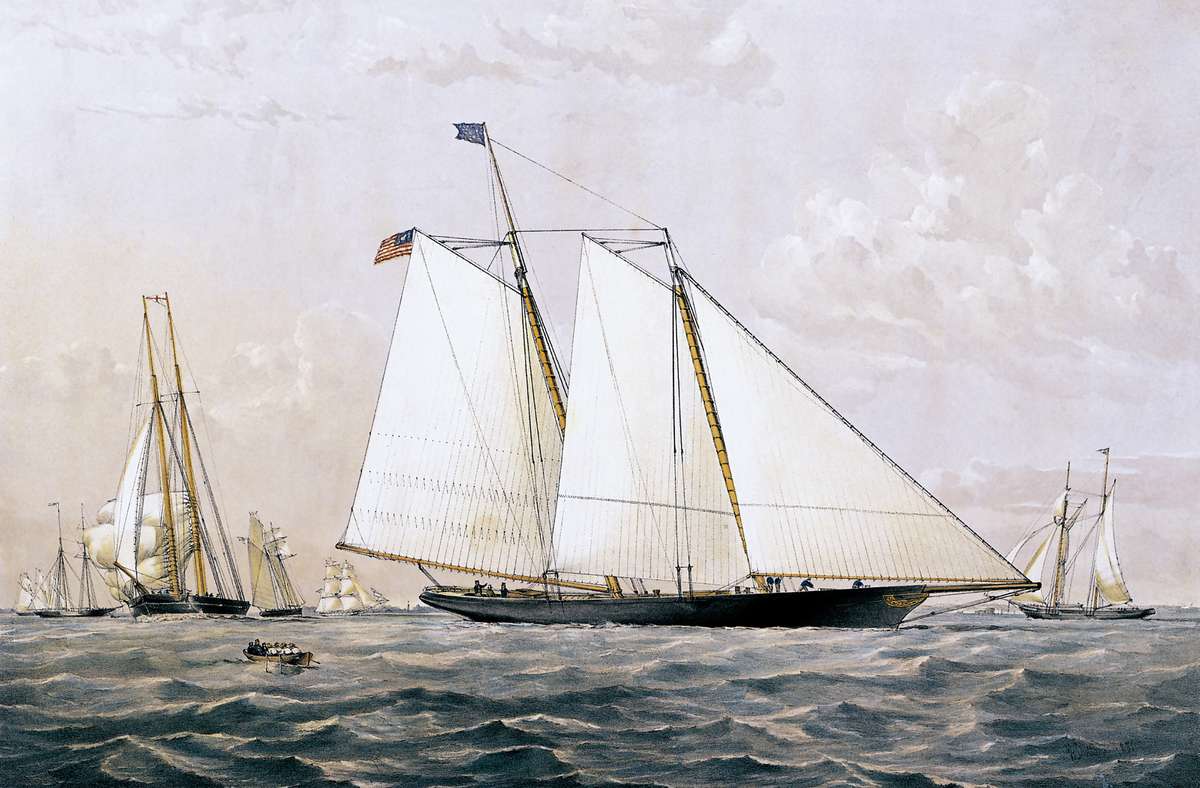
The Cup was originally won by the schooner America in the Royal Yacht Squadron’s race around the Isle of Wight in 1851. Six years later, the surviving members of the syndicate that owned America donated the trophy to the New York Yacht Club under a Deed of Gift.
The document’s central purpose was beautifully simple. The trophy was to be preserved as a “perpetual Challenge Cup for friendly competition between foreign countries.”
Those few words remain the foundation of everything.
The America’s Cup is not owned outright by Grant Dalton, Emirates Team New Zealand or the Royal New Zealand Yacht Squadron. It was not owned by Ernesto Bertarelli when Alinghi held it, or Larry Ellison when Oracle Team USA held it. The winning yacht club becomes the holder – or, in legal terms, the trustee – of the Cup, subject to the conditions laid down in the Deed.
The sailors and team owners may win it, but the yacht club holds it.
That distinction can sometimes feel outdated in an era when the real power, money and technical expertise sits within privately funded professional teams. However, it is absolutely central to the present dispute.
The Deed requires the holder to accept a valid challenge from an eligible yacht club from another country. That challenging club must be properly established and must hold an annual regatta on the sea or an arm of the sea. A challenger cannot simply create a convenient paper club and use it as a vehicle to gain control of the competition.
That principle was tested during the legal battles leading into the 2010 America’s Cup.
The first valid challenge is especially important. That club becomes what we now call the Challenger of Record and negotiates the terms of the next Cup with the Defender.
This is where the Deed’s most powerful and most frequently used provision comes into play: mutual consent. Through mutual consent, the Defender and Challenger of Record can agree almost every important condition of a match. They can decide the boat, venue, dates, courses, racing format and rules. They can create a challenger-selection series, impose nationality requirements and build the commercial framework surrounding the event. Without that provision, the modern America’s Cup simply could not exist.
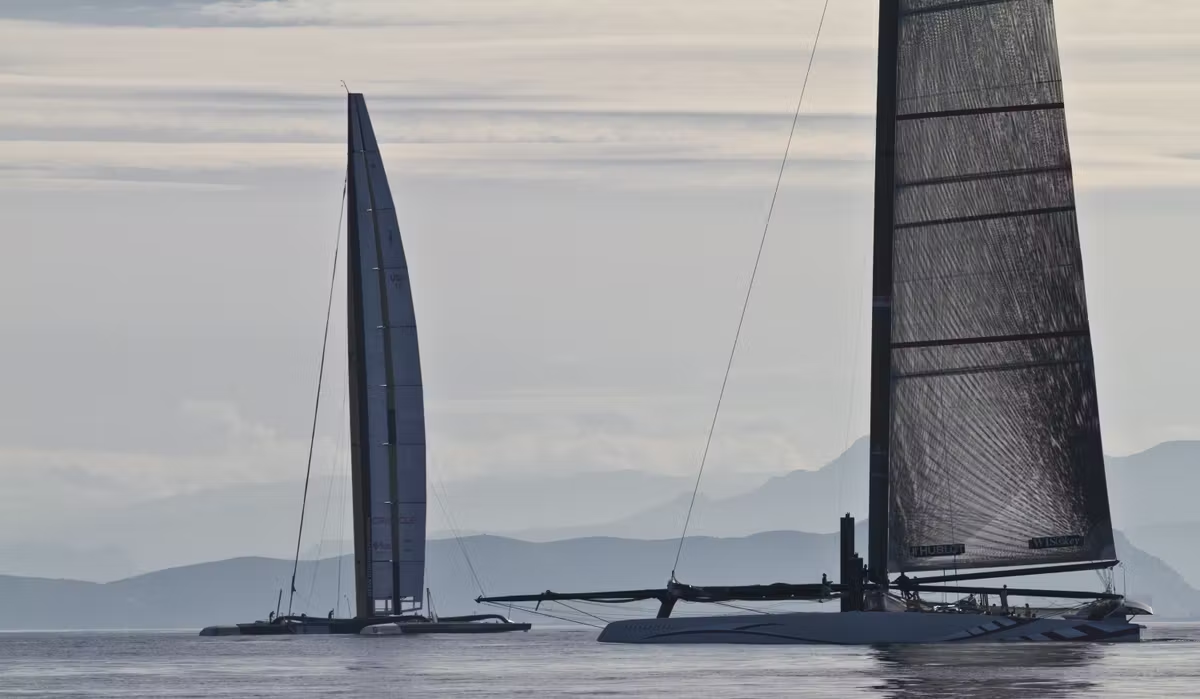
The Deed itself contains a fallback format if the two clubs cannot agree. It involves a best-of-three match sailed on enormous ocean courses, using boats that fit within the Deed’s broad dimensions. This is what produced the wonderfully absurd 1988 contest between Michael Fay’s 90-foot ‘New Zealand’ monohull and Dennis Conner’s wingsailed catamaran.
The Defender was not required to meet a monohull with another monohull because the Deed did not say that it had to. The result was completely one-sided, deeply controversial and eventually tested in the New York courts. San Diego Yacht Club’s victory was ultimately upheld.
It demonstrated two things. First, the Deed is the ultimate backstop when mutual consent fails. Second, if the people running the Cup leave a gap in the document, somebody will eventually drive a very fast boat through it.
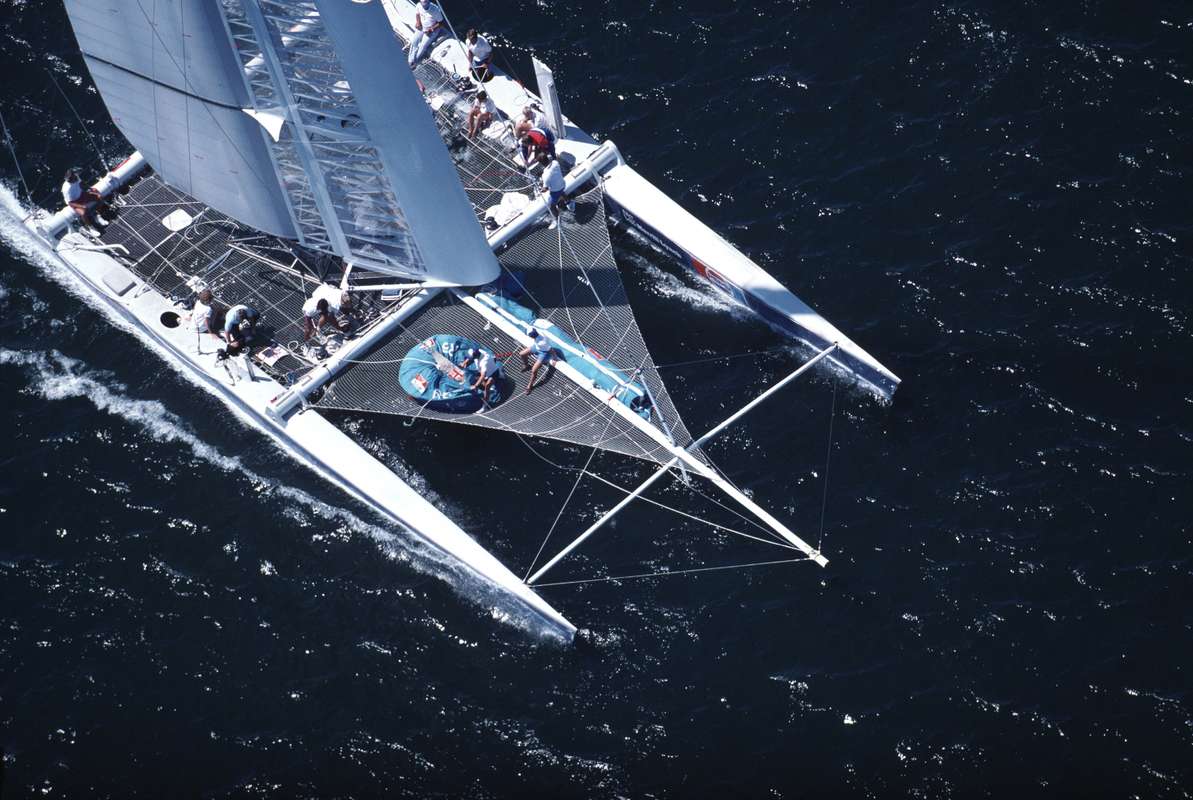
For AC38, the Royal New Zealand Yacht Squadron remains the Defender and the Royal Yacht Squadron is the Challenger of Record. Together with the other established teams, they have supported the creation of the America’s Cup Partnership.
The Partnership’s aim makes a great deal of sense.
Historically, the America’s Cup has suffered from enormous gaps between events, changing boat classes, disappearing teams and a complete reset every time the trophy changes hands. That makes retaining sailors, designers and sponsors extremely difficult. It also makes the Cup a challenging commercial proposition when compared with competitions such as Formula 1 and SailGP.
The Partnership is designed to create continuity. The teams want greater collective involvement in the management of the event, more regular Cups, stable technical rules, spending limits and a commercial structure capable of building long-term media and sponsorship value.
For the existing teams and their investors, this is attractive. AC38 has introduced a €75 million campaign spending cap, with a proposed reduction to €55 million for subsequent editions, while the Partnership is intended to help move the competition towards a more predictable two-year cycle. It gives sponsors something more reliable to invest in and gives teams a reason to retain their people and infrastructure between Cups.
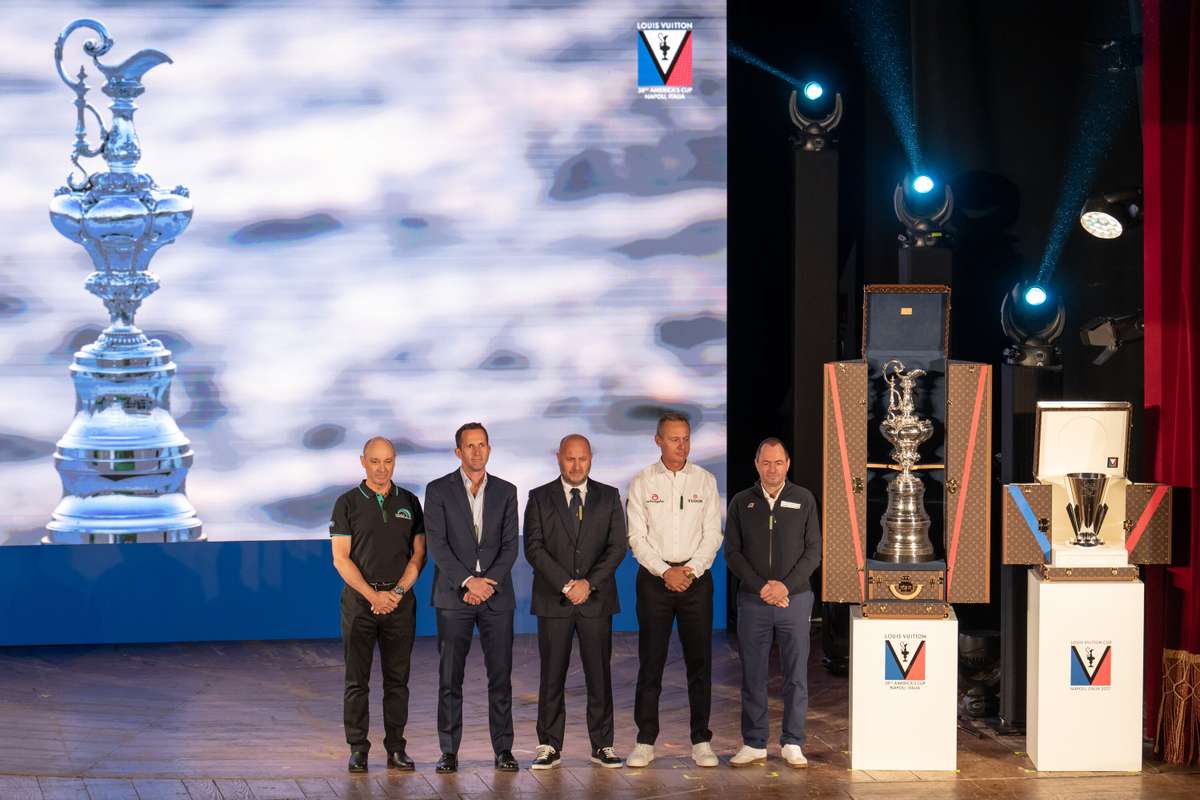
I understand the ambition. In fact, I think parts of it are badly needed.
The Cup cannot continue expecting teams to spend hundreds of millions building world-class organisations, only to shut them down or mothball them for years because nobody knows where, when or in what boats the next event will take place. Commercial stability is not the enemy of the America’s Cup.
The question is how far that stability can go.
The New York Yacht Club has now asked the New York Attorney General’s Charities Bureau to examine whether the new Partnership is compatible with the Deed of Gift. Importantly, NYYC has not launched a lawsuit. It is asking the state authority responsible for supervising charitable trusts to review the proposed structure.
Its concern is that the Partnership is not merely being appointed to organise AC38. It is intended to manage future cycles and exercise significant control over the sporting, commercial and media sides of the America’s Cup.
The open question
That creates the central legal question: can the Defender and Challenger of Record agree how to run their own match, or can they also hand potentially permanent control of the Cup to a commercial organisation owned by the competing teams?
Those are two very different things.
The Deed gives enormous freedom to the Defender and Challenger through mutual consent. But that consent has traditionally been used to establish the conditions of the next match. It is much less clear whether two clubs can make decisions that restrict the rights of future winners, future trustees or future challengers.
Imagine that a new yacht club wins the Cup but does not agree with the Partnership’s commercial model. Is that club genuinely free to exercise the powers given to it by the Deed? Or would it inherit binding commitments created by previous teams?
Equally, what happens if a perfectly valid yacht club challenge satisfies every condition in the Deed but does not meet the Partnership’s commercial entry requirements? The Deed says the Cup must remain open to eligible challenges. A closed or semi-closed league controlled by existing competitors could come into direct tension with that principle.
There is also the question of whether competing teams should collectively govern the competition in which they race. That is not automatically wrong – many successful sports operate through structures owned or influenced by their participants – but the America’s Cup is not an ordinary sporting property. It is a trophy held under a historic legal trust.
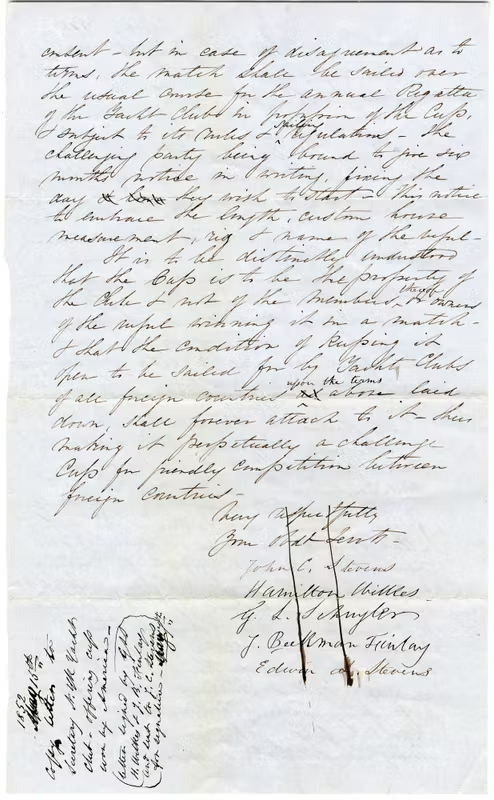
The Partnership’s supporters would argue that the Deed’s mutual-consent provision gives the Defender and Challenger sufficient authority to create a modern management structure. Its critics will argue that mutual consent allows them to arrange a match, not rewrite the constitutional ownership and governance of the Cup.
This does not mean the Partnership is doomed, nor does it mean the New York Yacht Club is trying to drag the Cup back into the 19th century. The sensible outcome should be a structure that gives teams the stability they desperately need while preserving the fundamental rights contained within the Deed.
The America’s Cup has always lived with this tension. It wants to be a modern global sports property, but its identity comes from being something older, stranger and more precious than that.
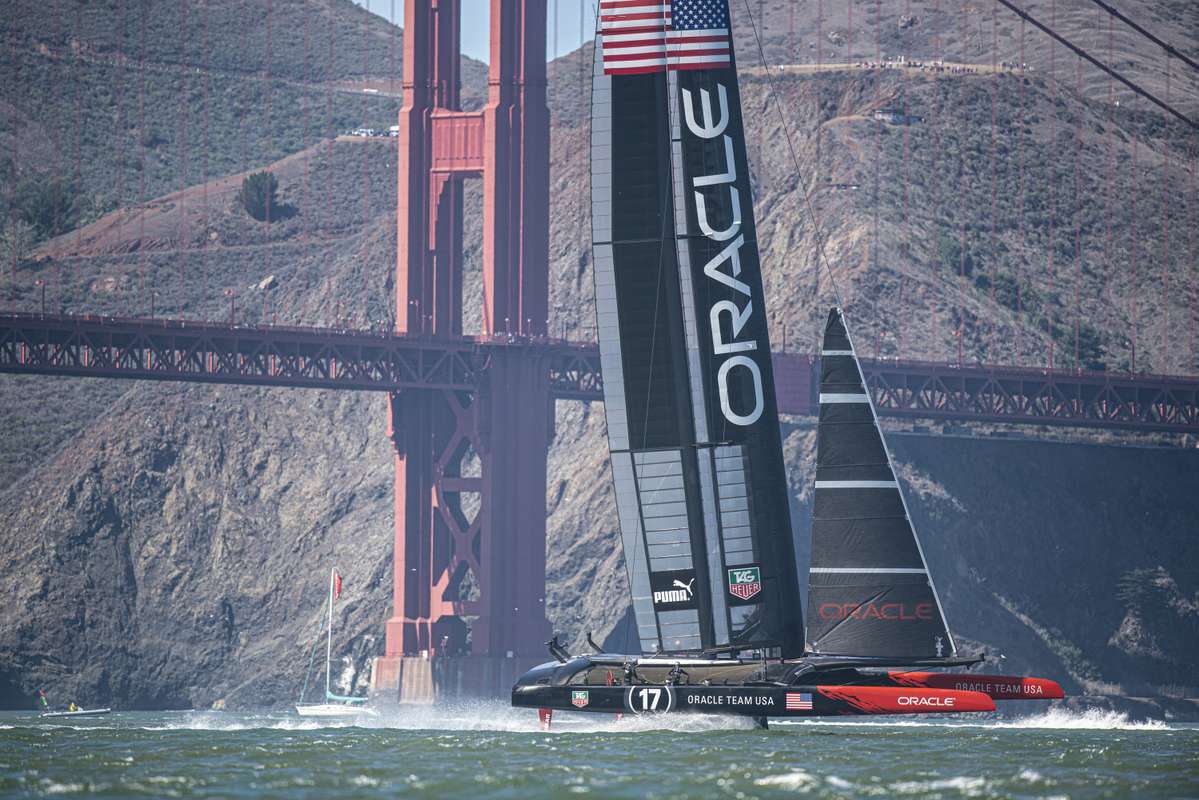
The Deed of Gift has never stopped the Cup evolving. It has allowed the competition to move from schooners to 12 Metres, from catamarans to foiling monohulls travelling at nearly 50 knots. But throughout every transformation, one principle has remained intact: the winner earns the right to defend the America’s Cup, not the right to own its future forever.
That is why this argument matters. It is not simply about legal wording or yacht-club politics. It is about whether the Partnership is helping to secure the next chapter of the America’s Cup – or quietly changing the very thing it was created to protect.
Articles You Might Be Interested in
Gradoni and Giubilei promoted as Luna Rossa reveal Naples squad

Podcast: Valencia SailGP review, and does the ACP break its own rules?
Freddie Carr: Platoon take control in Lanzarote as the 52SS title race turns

The week in racing - 31 August ‘26
Luna Rossa test new rudder – and take a knock
The week in racing - 24 August ‘26
Andy Rice: A good Worlds for GBR, and a good Worlds for the 470 Class



Member Discussion