
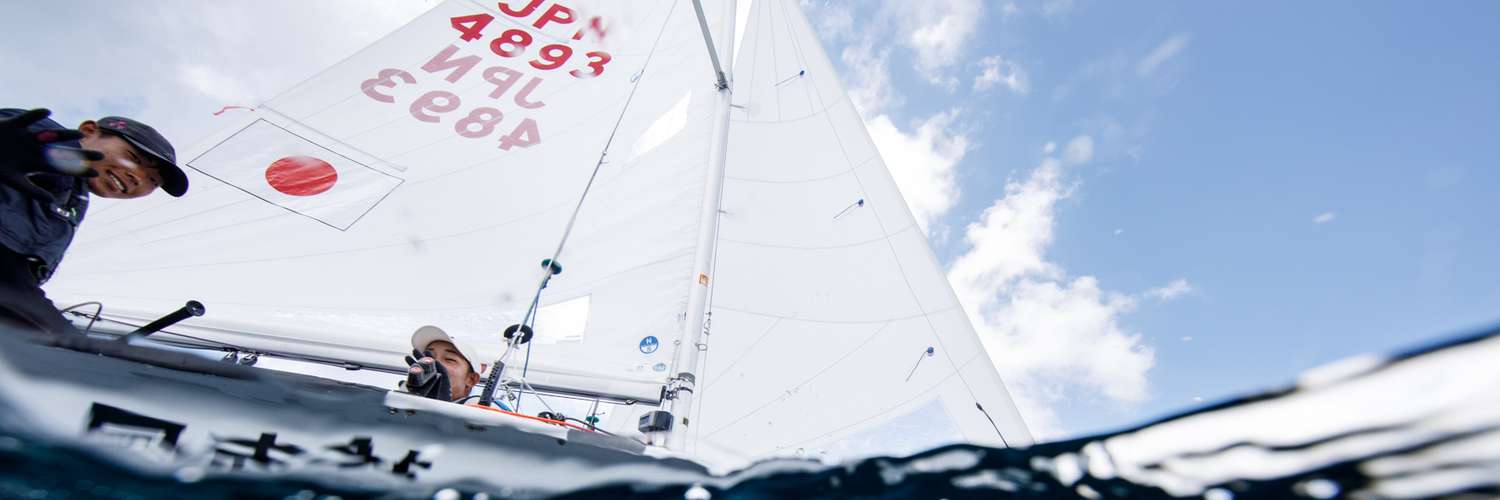
Andy Rice: A good Worlds for GBR, and a good Worlds for the 470 Class

The future of the 470 as an Olympic class is under scrutiny, as it is for the Nacra 17 catamaran and the men’s and women’s kiteboarding classes. All of them have their obvious weaknesses, the 470 being that it is now the oldest of the Olympic events. When it first featured at the Montreal Olympics in 1976, the 470 was considered to be a fast boat, cutting edge for its time. Now it’s very run-of-the-mill, but maybe that’s not such a problem.
While fast foilers might appear to be more exciting at first glance, the slowness of the 470 in light to medium airs is partly what makes it a fascinating game of chess. The 470 is probably the most representative of the broad spectrum of sailing that takes place around the world beyond the Olympic bubble. When the waves and the wind really kick up, the 470 laps it all up. It just gets faster and faster and, in the right hands, can handle pretty much any conditions up to 35 knots in big, nasty seas.
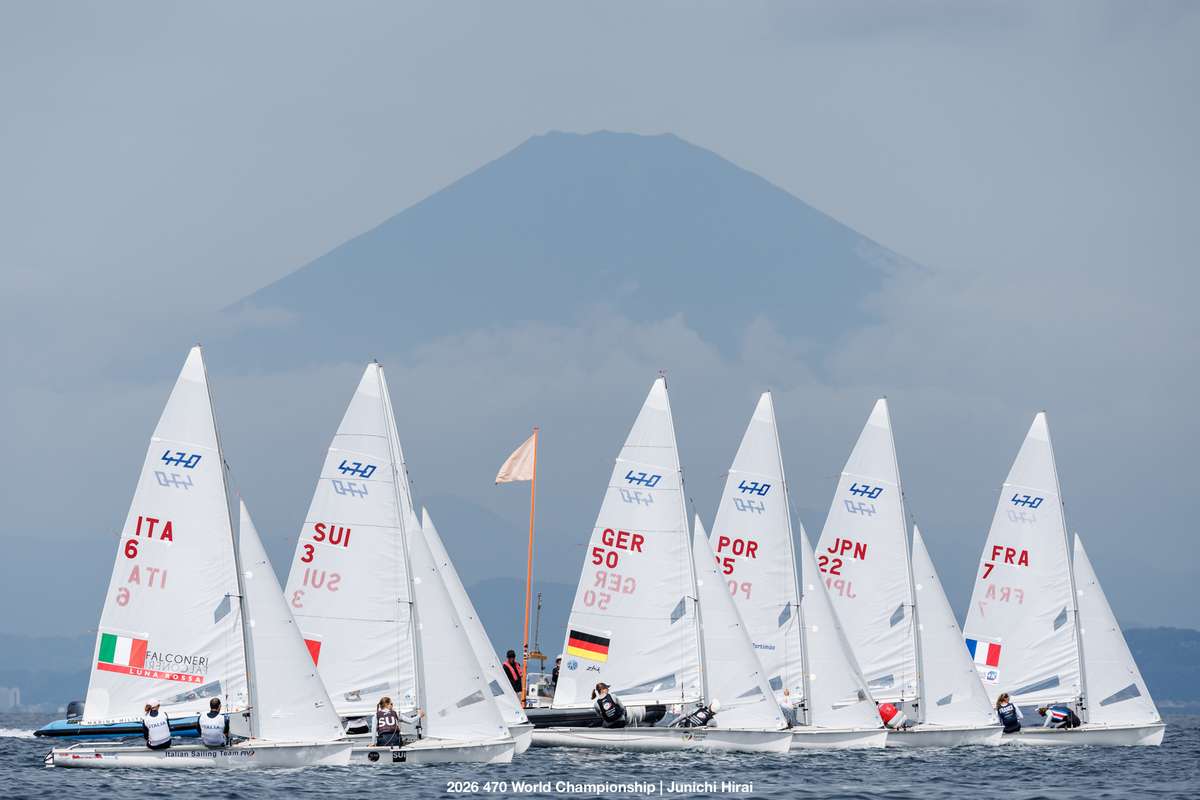
With the 470 under the spotlight, possibly on the chopping block for Brisbane 2032 and decision time at the World Sailing annual conference this November, the class needed a good world championship. The risk of it taking place in Enoshima, the venue for the Tokyo 2020 Olympic Regatta, would be that numbers might be diminished, being so far from the epicentre of Olympic competition in Europe.
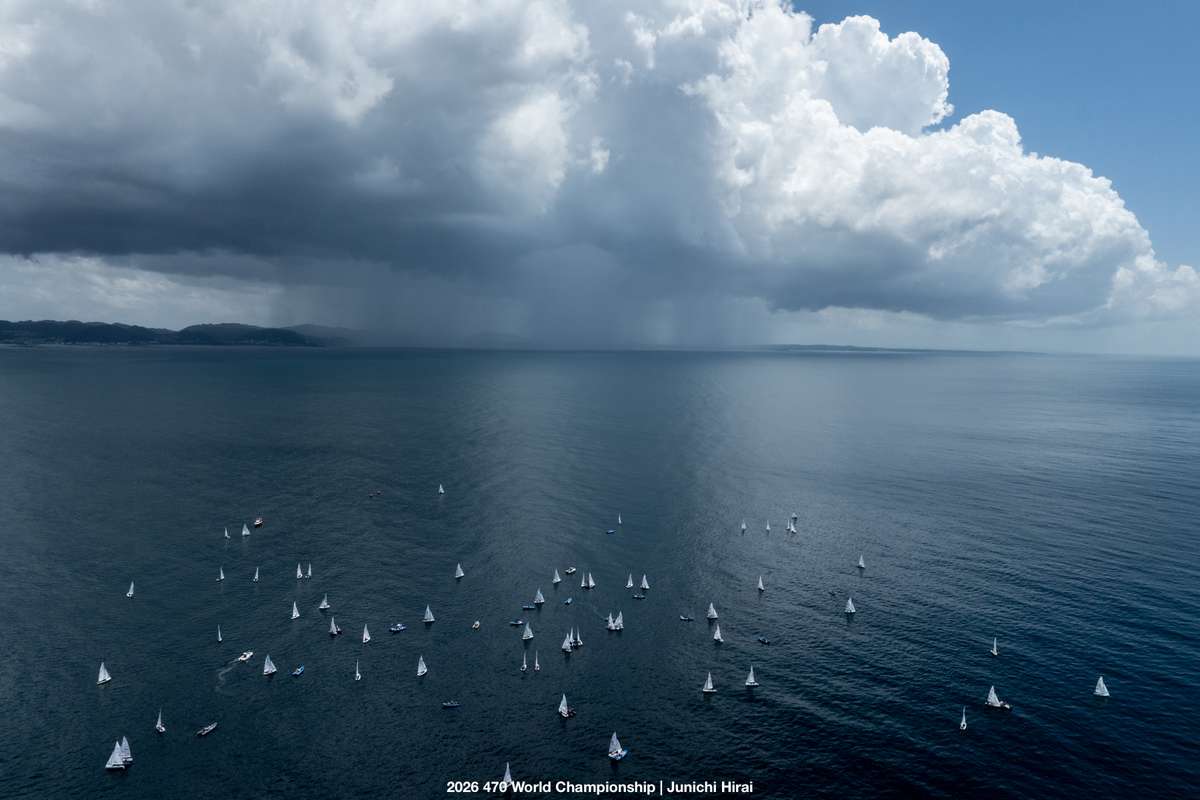
However, the entry of 74 teams was the highest since the start of the Mixed 470 era five years ago. Unfortunately the wind did not really play fair, much as it failed to show up for the Games five years earlier. This is a pity, because Enoshima can deliver amazing big-wind, big-wave conditions. But mostly this was a light air affair. I was brought in as a remote commentator for the final three days of competition, working as part of an ‘as live’ production.
Ever since Pedro Martinez from the Sailing Energy crew in Spain pioneered the ‘as live’ concept earlier this season with the dash-for-cash fun races that he filmed with the ILCA and Nacra 17 fleets (I remote commentated on these races too), the idea has taken firmer hold.
Of course, there’s nothing to touch the raw excitement of a real live production, but there’s not much to touch the high costs and huge logistical challenges of making a live production work reliably. In an age where most sailors below the age of 50 are consuming their media through Instagram, YouTube and the dreaded TikTok, arguably the most important media output is through these channels. Most people are consuming the highlights at a time that’s convenient to them. Live doesn’t matter as much as it did, although for the major events there is the irreplaceable buzz of enjoying and enduring the nailbiting highs and lows of the shared experience.
For the final two days my co-commentator was Igor Marenic who, with helmsman Šime Fantela, won Croatia’s first ever Olympic sailing gold at Rio 2016 when they beat the Aussie favourites Matt Belcher and Will Ryan into silver. Igor also recently became the president of 470 International, and has been wise enough to hire Polish media expert Karolina Soltaniuk to promote the class through all the popular channels. Media output has never been high on the 470’s agenda, and that lack of self-promotion is partly what sees the class up for Olympic review. The 470 has a great story to tell, and it’s good to see the class at last putting a higher priority on media.
After commentating on the 49er, 49erFX and Nacra 17 World Championships in France a few months ago, this would be my second go at trying to make sense of the new medal race format that was voted in at the end of last year. Trying to work out who had won the FX Worlds after multiple boats crossed the line in short order was excruciating. It took minutes before we could semi-confidently call the actual winners, the Norwegian team of Pia Dahl Andersen and Nora Edland.
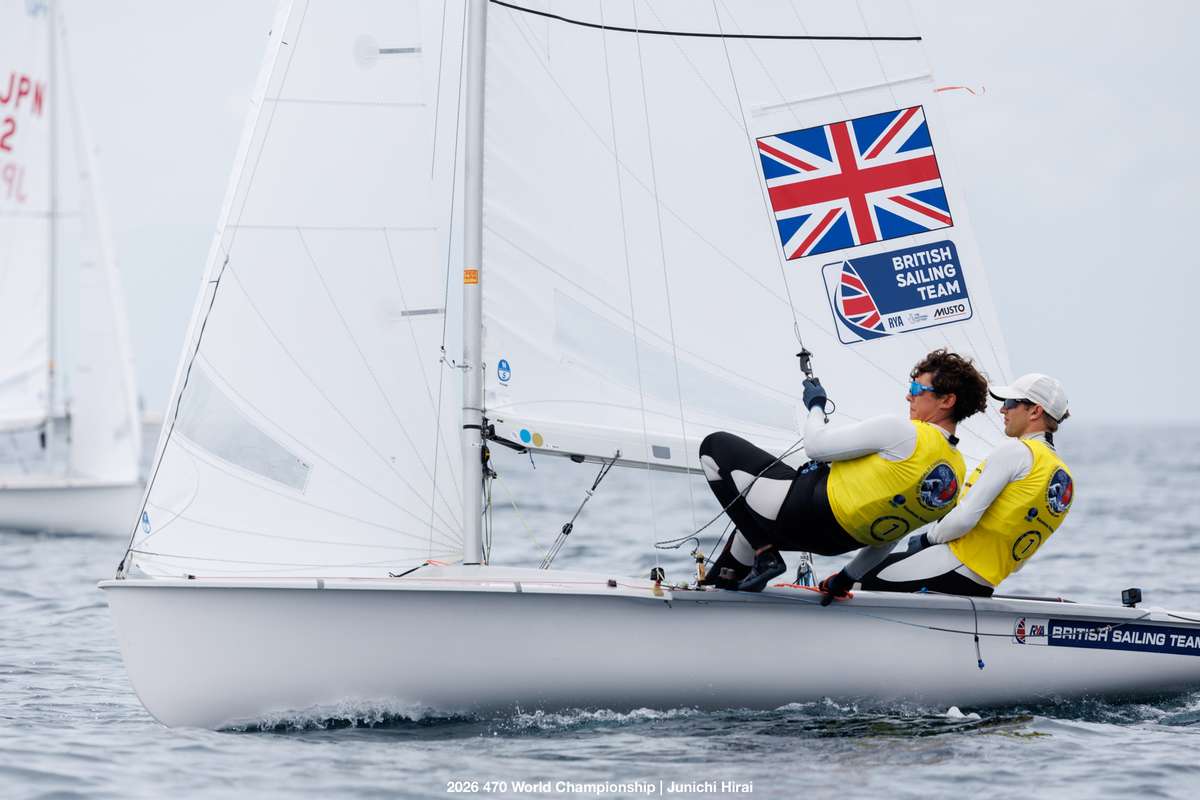
Even though I was commentating on a recording sent to me from Japan via WeTransfer, I still didn’t want to see what happened before recording my commentary. Trying to keep it spontaneous. After watching the yellow bib wearers - Martin Wrigley and Bettine Harris - suffer an awful first medal race, I wondered if fate was going to work against them. But the British team held their nerve, winning the second race and taking their first world title in fine style.
Seeing Theresa Löffler and Christopher Hoerr come back from an awful start in the final race - stopped dead on the line as the gun fired - and then bouncing back to rise from fourth to second overall, that was a vindication of the new medal series format. I still haven’t seen enough either way to condone or condemn the new format, but the final day of the 470 Worlds was a mark in its favour.
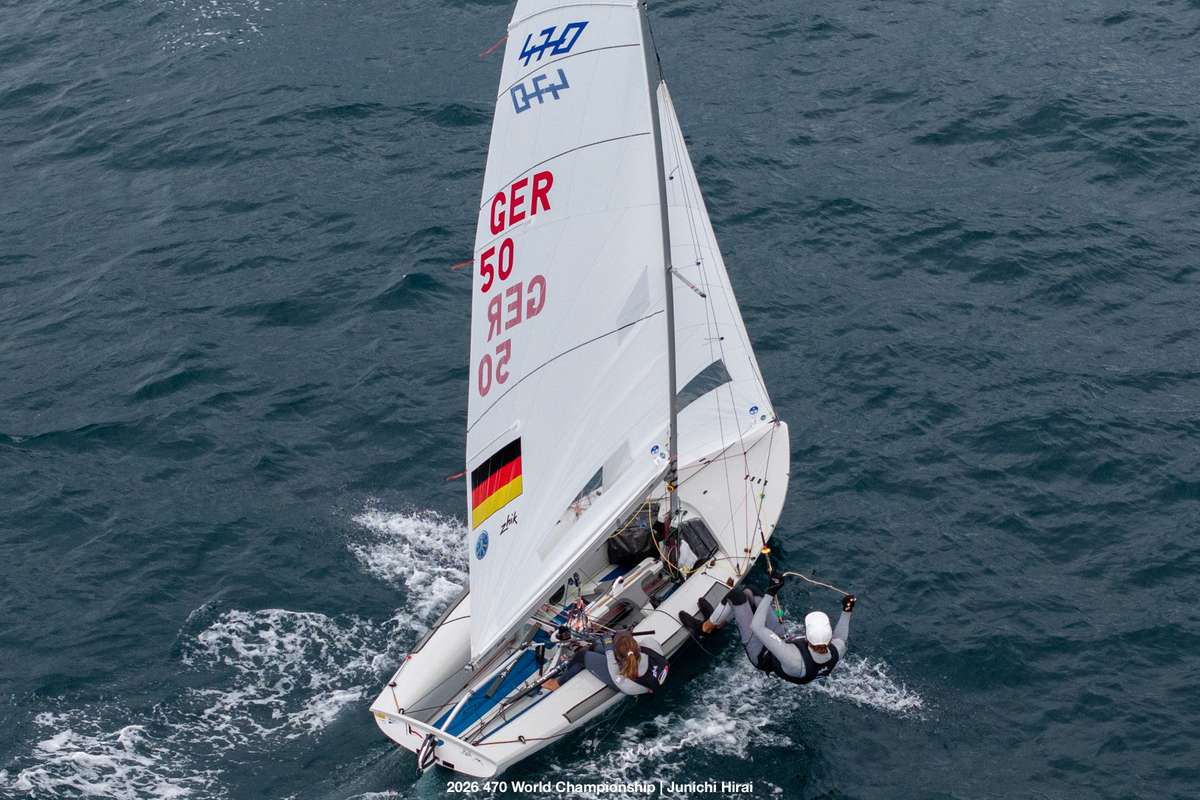
While the Germans won a surprise silver, the team to lose out were local heroes Tetsuya Isozaki and Yuri Seki who missed out on the podium. Bronze went to the outgoing World Champions of 2025, Spain’s Jordi Xammar and Marta Cardona. Bronze is the same colour of medal that Xammar won with Nico Rodriguez in the men’s 470 at the Tokyo 2020 Games five years earlier.
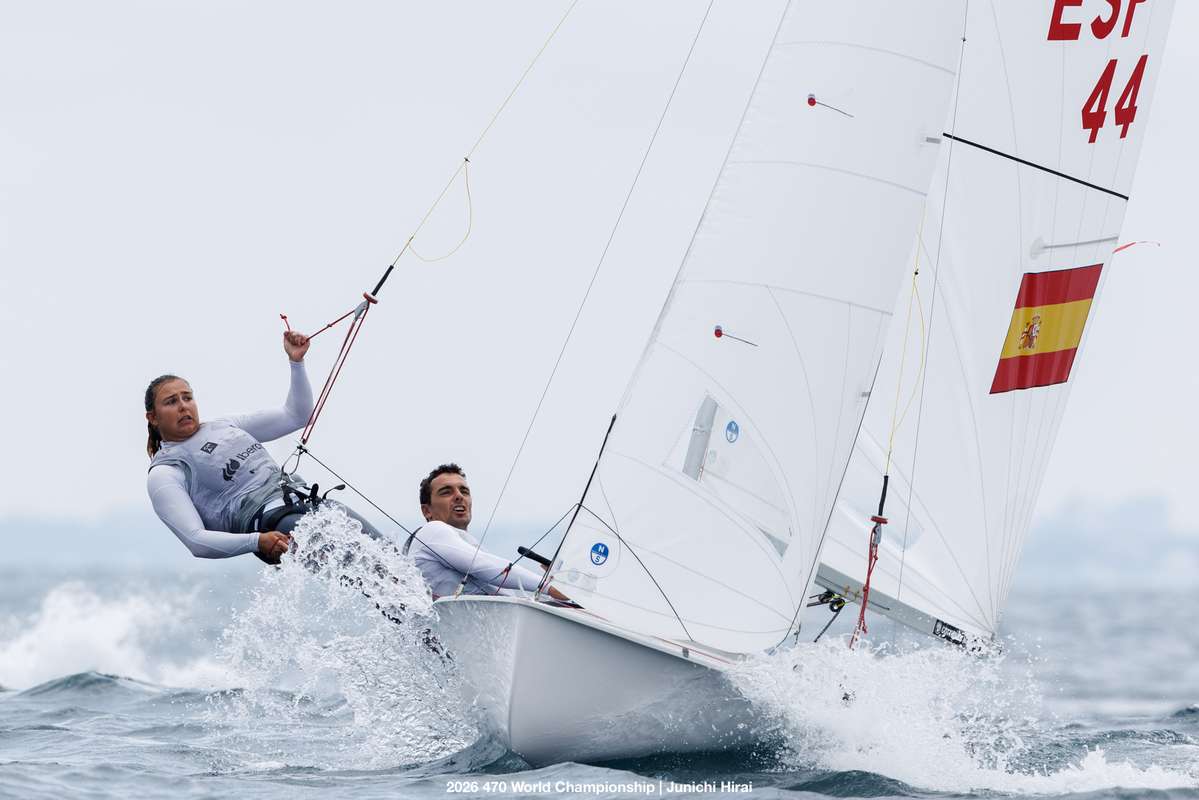
This was a good Worlds not just for the medallists but for the Japanese hosts, and the 470 class generally. The success of this event will provide some useful ammunition in the class’s bid to retain its 50-year Olympic status for a while longer.
Articles You Might Be Interested in
From partners to opponents: inside the North Sails–Team New Zealand patent battle
Three legs and an electronic brain: how Ferrari Hypersail will fly (Pt. 2/7)
Inside the Batmobile: a first look at Ferrari Hypersail
Batteries, foils and LiDAR: where does the sailor’s job end?
The Tabarly Effect: how one quiet sailor built a nation of ocean racers
Why Les Voiles de Saint-Tropez is so special
The week in racing - 5 Oct ’26
The RC44: how Russell Coutts hit a winning formula



Member Discussion