
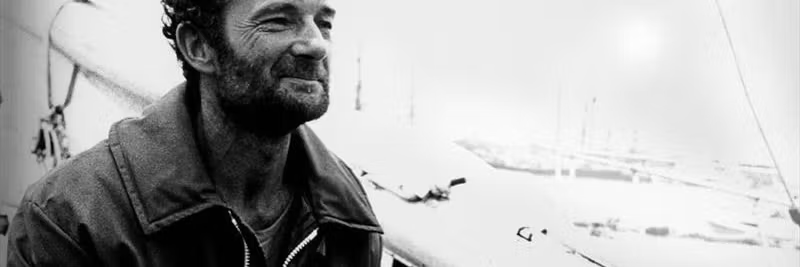
The Tabarly Effect: how one quiet sailor built a nation of ocean racers

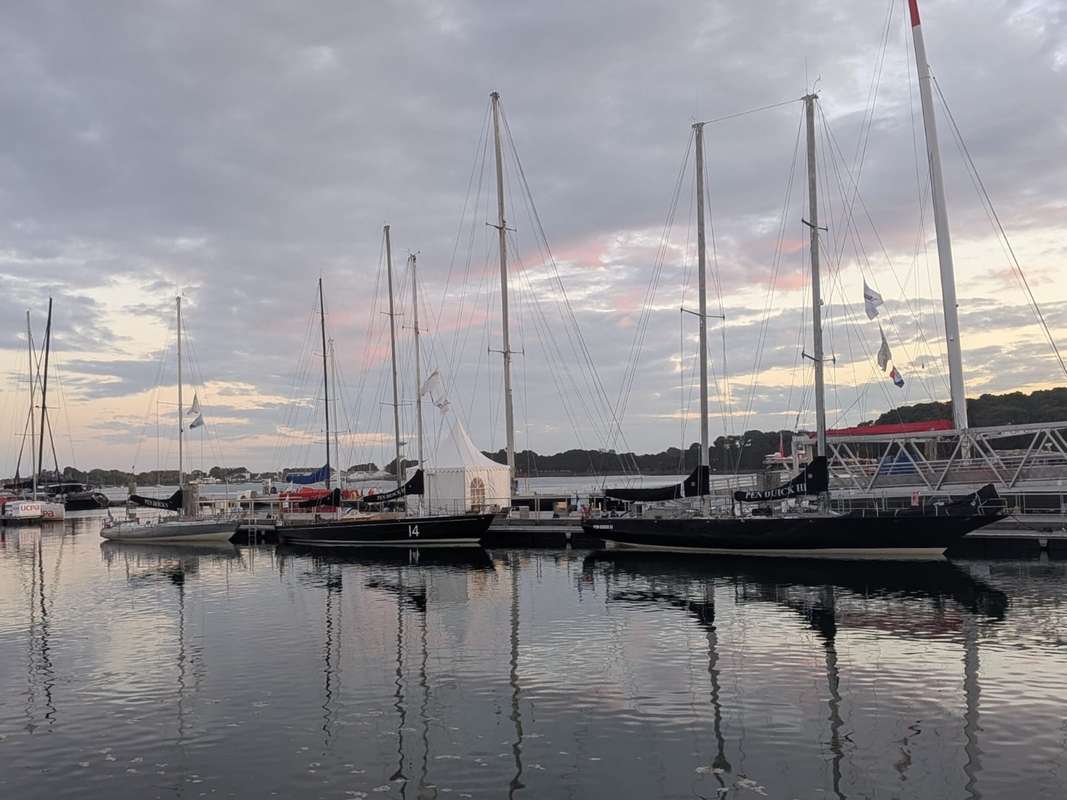
Walk the pontoons at Lorient La Base on any weekday and you are in the most concentrated gathering of offshore racing talent on the planet. Ultims, IMOCAs, Class40s and Minis lie moored in the shadow of colossal concrete bunkers built to shelter U-boats during the Battle of the Atlantic. The boats are mostly French. So are the boatbuilders, sailmakers, engineers and data analysts swarming over them. Trace the line back far enough and almost all of it leads to one taciturn naval officer from Nantes: Éric Tabarly.
The race that changed a nation
Before 1964, ocean racing was largely an English-speaking affair, run by British yacht clubs and dominated by gentleman adventurers. In France, sailing was a niche pastime. Then a 32-year-old French Navy lieutenant entered the second singlehanded transatlantic race, the OSTAR, aboard Pen Duick II, a 44ft ketch he had conceived for the job. He reached Newport in a little over 27 days, comfortably ahead of a fleet that included Sir Francis Chichester, the British offshore pioneer who was knighted by Queen Elizabeth II for becoming the first person to sail singlehanded around the world by the clipper route.
France went wild. General de Gaulle made him a Chevalier of the Légion d'honneur, and almost overnight a reserved, inarticulate Breton sailor became a national hero. A generation of French children who had never set foot on a boat suddenly wanted to cross oceans. That cultural shift, more than any single victory, is Tabarly's greatest legacy.
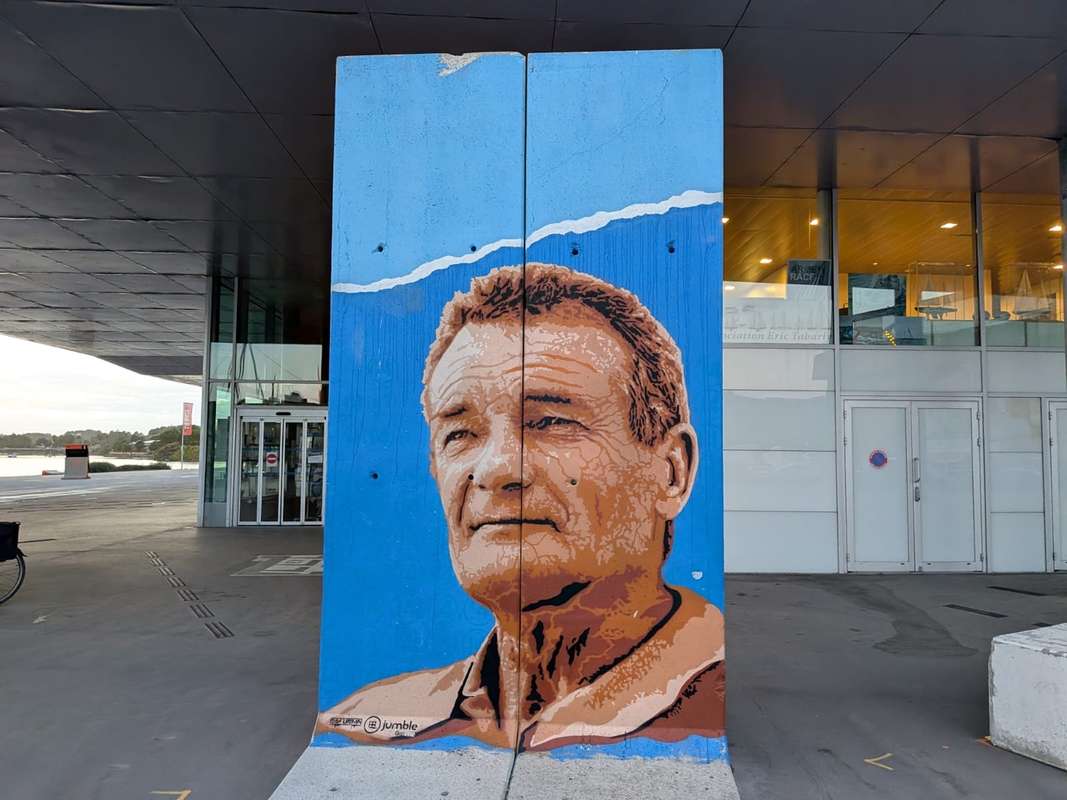
A restless innovator
Winning was one half of Tabarly’s passion. His other obsession was innovation. He treated every Pen Duick as an experiment, and many of his ideas were years ahead of their time. Pen Duick III, a schooner, swept the RORC offshore season in 1967. Pen Duick IV, a radical aluminium trimaran launched in 1968, was so far ahead of the curve that it struggled under his command, yet as Manureva it carried his protégé Alain Colas to OSTAR victory in 1972. The little Pen Duick V pioneered water ballast and won the 1969 singlehanded transpacific race from San Francisco to Tokyo by a huge margin.
In 1976 he won the OSTAR again, this time alone on the 73ft Pen Duick VI, a ketch designed for a full crew, battling through a brutal North Atlantic season that sank and broke boats around him. Four years later he took the foil-assisted trimaran Paul Ricard across the Atlantic fast enough to break a record that had stood since 1905.
Water ballast, light alloy construction, multihulls, foils: look at a modern IMOCA or Ultim and you are looking at Tabarly's sketchbook, refined by half a century of carbon fibre and computing power.
The Tabarly school
Just as important were the people. The crew lists of the Pen Duick boats read like a who's who of French ocean racing: Alain Colas, Olivier de Kersauson, Philippe Poupon, Titouan Lamazou and many more learned their trade under his watchful, largely silent eye. They went on to win races, set records and, crucially, build the model that sustains French offshore racing to this day: commercial sponsors whose names go on the hull, and a public that follows solo sailors the way other nations follow footballers.
Tabarly sailed until his dying day. In June 1998, at the age of 66, he was knocked overboard from the original Pen Duick at night in the Irish Sea while on passage to a classic yacht regatta in Scotland. France mourned him as it would a head of state.
From U-boats to Ultims
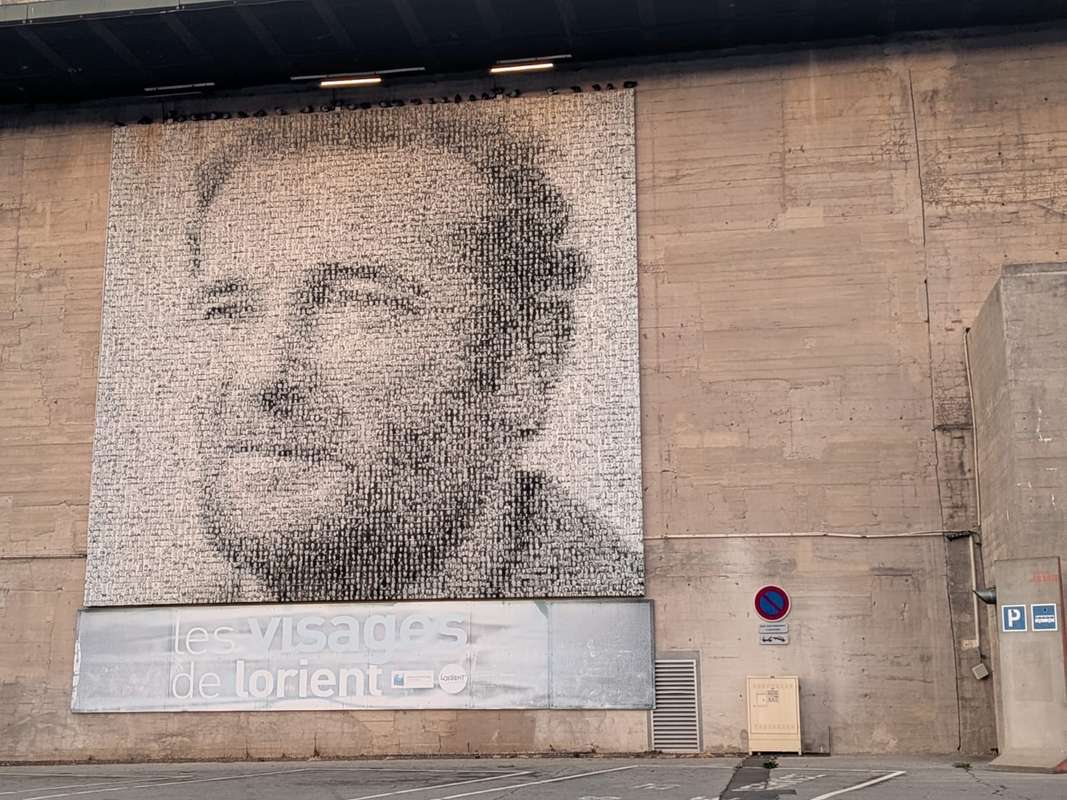
Despite his untimely death, Tabarly’s legacy lives on in many places across France, and most obviously in Lorient. The submarine base at Keroman was built by the German navy in the early 1940s, and its bunkers proved so robust that Allied bombing flattened the town around them while the pens survived. The French Navy used the site until the late 1990s, and its departure left the town with an enormous, apparently useless lump of reinforced concrete.
Lorient's answer was inspired. It reinvented the base as a home for ocean racing, and in 2008 opened the Cité de la Voile Éric Tabarly, a striking glass-and-metal building designed by architect Jacques Ferrier. Its 2,000 m² of exhibition space lets visitors grind winches, pore over hull designs and step inside the world of the modern solo skipper, while a dedicated area to Tabarly himself includes a reconstruction of Pen Duick II's cabin alongside his personal belongings and archives. The Pen Duick boats themselves are often moored nearby, still sailing, still drawing crowds.
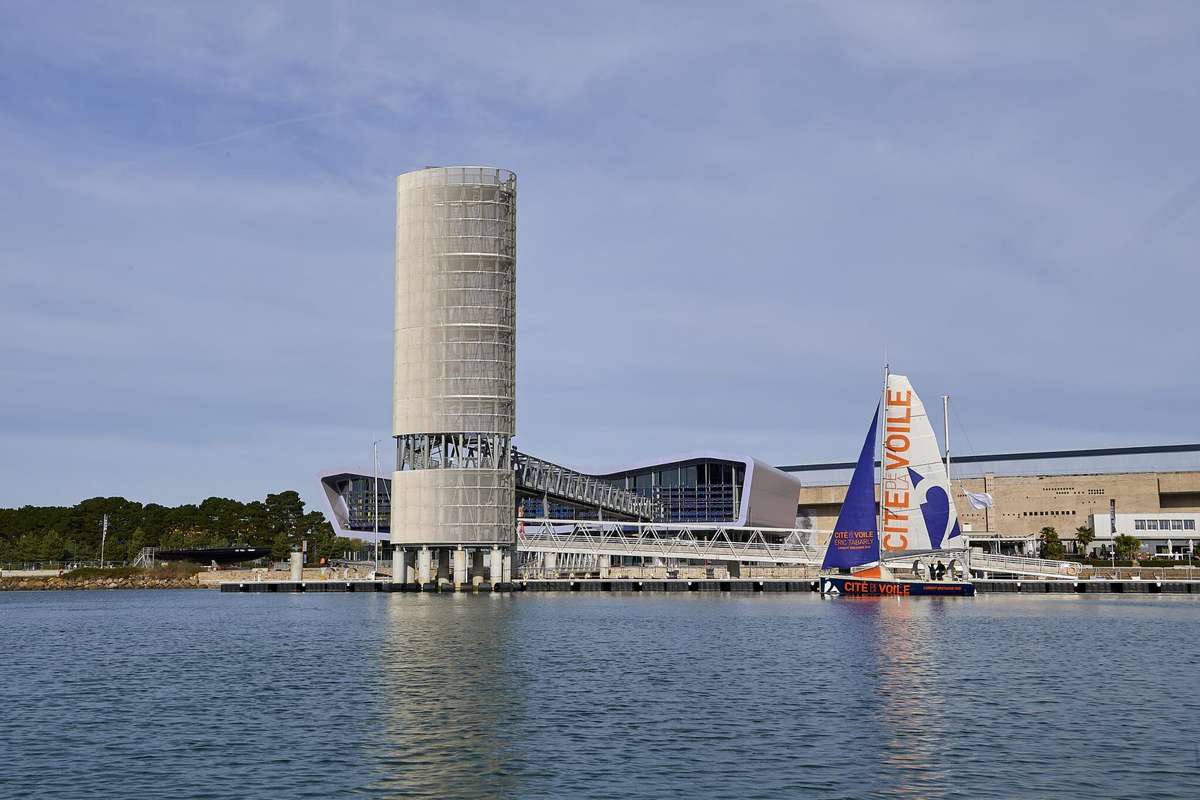
Around the museum, the pens and the old naval workshops have filled with racing teams. A 2023 study commissioned by Lorient Agglomération counted 122 teams and skippers at La Base, including 19 of the 47 IMOCAs then in the class, alongside Ultim programmes such as Thomas Coville's Sodebo. The site hosts the Défi Azimut every autumn and its own transatlantic race, Retour à La Base, while the surrounding ‘Sailing Valley’ of composite builders, designers and suppliers keeps expanding, with hundreds more metres of pontoon planned by 2027.
There is a fitting symmetry to it all. Concrete poured to help one navy dominate the Atlantic by stealth now shelters boats built to race across that same ocean in plain sight, for the sheer joy of going fast. Tabarly, a naval officer who loved the sea far more than he loved talking about it, would probably have shrugged at the fuss. But the thousands of visitors who walk past his boats at La Base every year understand exactly why it matters.
Without him, little of what floats in those pens would exist.
Topics
Articles You Might Be Interested in
The week in racing - 5 Oct ’26
Why Les Voiles de Saint-Tropez is so special
The RC44: how Russell Coutts hit a winning formula
The week in racing - 28 Sep ‘26
Freddie Carr: Naples is not a neutral racecourse
The week in racing - 21 Sep ‘26

The Foil Debrief: Five more knots and Geneva would be the best event on the circuit



Member Discussion