
Why Les Voiles de Saint-Tropez is so special

There are regattas you go to because you want to win, and there are regattas that remind you why you fell in love with sailing in the first place. Les Voiles de Saint-Tropez manages to do both.
The racing matters. Anyone who thinks this is simply a collection of beautiful yachts enjoying a gentle sail around the Mediterranean has underestimated the competitive instinct of the people aboard them. Put a start line in front of sailors and the mood changes quickly. Nobody spends the afternoon checking the boat ahead’s transom because they like the varnish.
But the results only tell you part of the story. What makes this event special is the combination of boats, people and place. It brings together parts of our sport that too often live in separate worlds.
Walk along the harbour and you can see generations of yacht design within a few minutes. Long overhangs, immaculate timber and traditional rigs sit alongside carbon fibre and modern racing hardware. These boats offer very different answers to the same question: how do you make a yacht move through the water as well as possible?
And then they go racing.
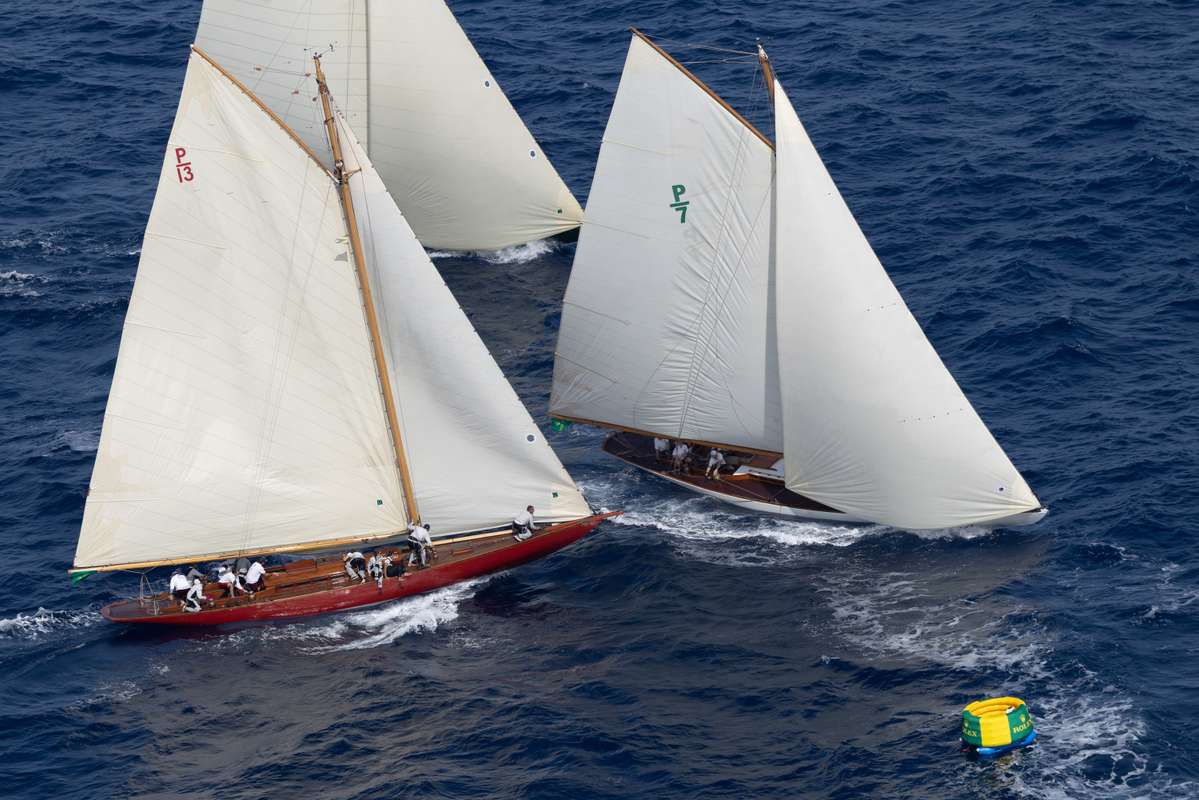
That is the important bit. The classics are being sailed, worked and pushed. Their crews are judging laylines, looking for pressure and trying to get their boat around the course faster than the opposition. The beauty is obvious, but watch the manoeuvres closely and you begin to appreciate the skill involved.
On a modern race boat, we put enormous effort into reducing the cost of every tack and gybe. On a big classic, the handling characteristics, loads and amount of sailcloth give those same decisions a different weight. You cannot treat a manoeuvre as an afterthought. The tactician needs to understand what the crew can deliver, and the crew need to know what is coming.
A good rounding is a good rounding, whatever decade the boat was designed in.
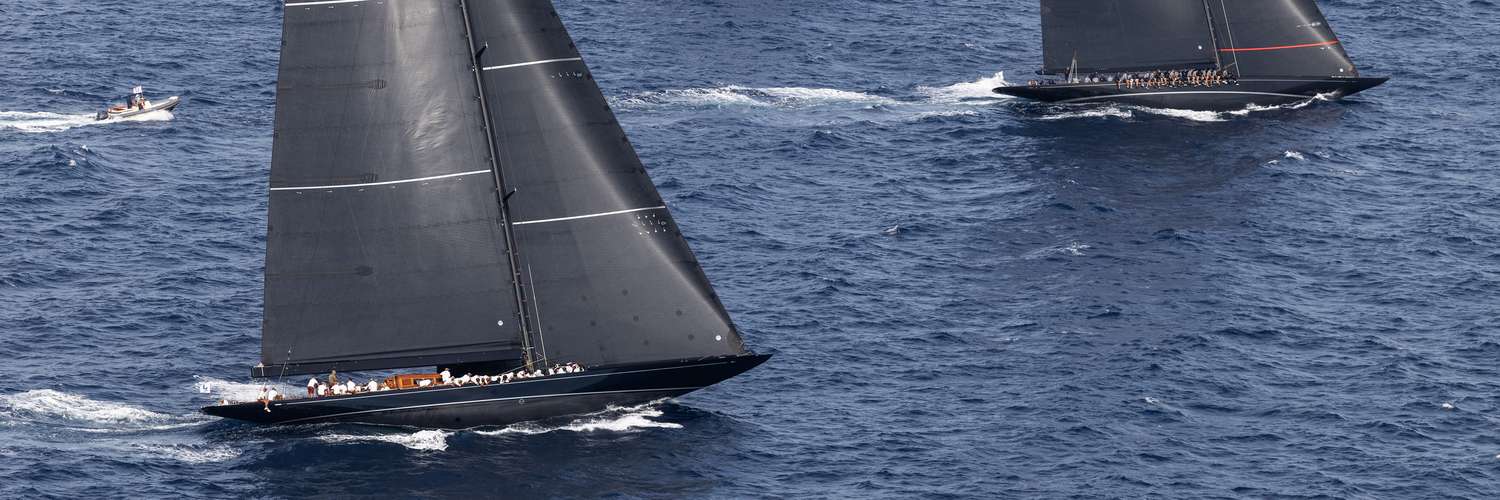
Svea, Rainbow and Hanuman headline the 2026 fleet. Three J Class yachts racing together is a rare treat: America’s Cup heritage, spectacular proportions and crews bringing modern grand-prix intensity to these magnificent boats.
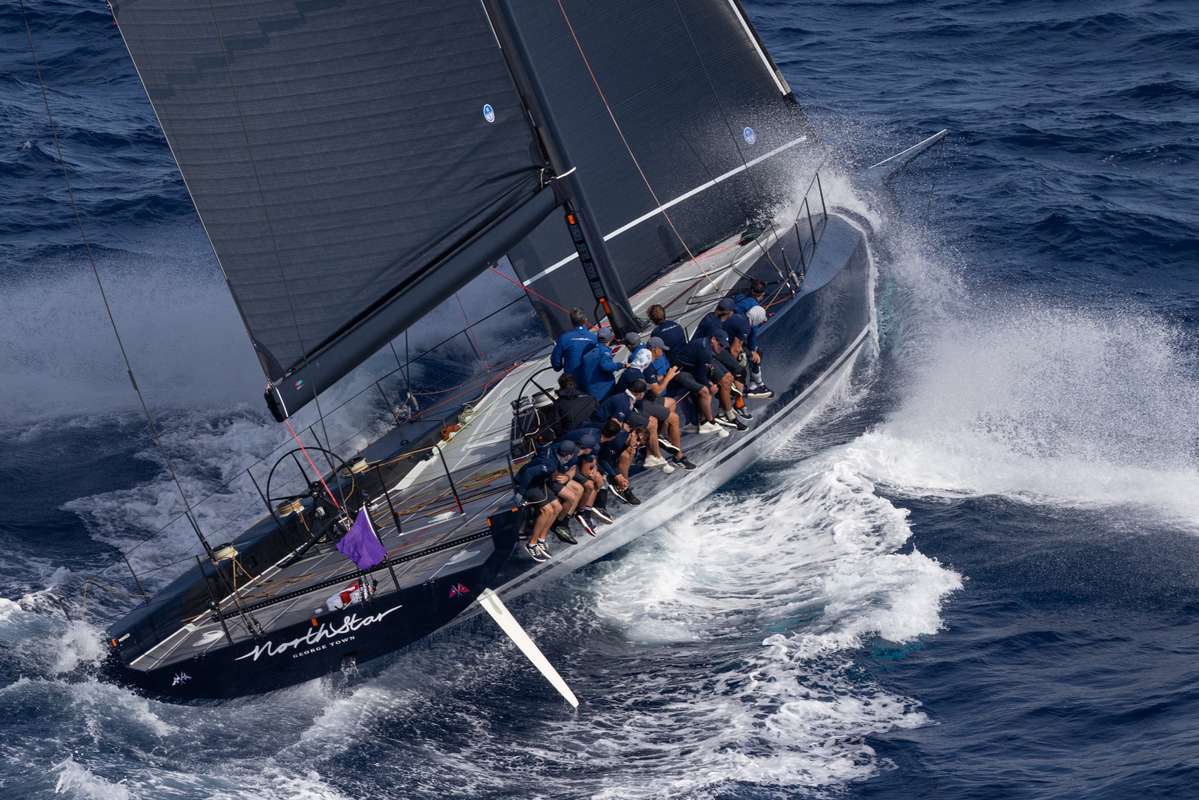
Among the Maxis, Peter Dubens’ new Northstar III arrived fresh from world-title success in Porto Cervo, but Jethou won their opening race here on corrected time. New ideas meeting proven performance.
Elsewhere, Daguet 5 and the TP52 Spirit of Lorina bring serious competition, while the elegant 8 Metre Svanevit, designed by the same man as Svea, offers a smaller-scale connection to sailing history.
That is Les Voiles in miniature: extraordinary boats from different eras, all being raced properly.
For me, that is one of the great attractions of Les Voiles. It makes you look beyond your own corner of sailing. Spend enough time in grand-prix racing and it is easy to become absorbed in the next development, the next performance gain and the next event. Here, you can admire the latest thinking while also appreciating the boats and sailors who helped get us there.
The event’s origins fit that spirit perfectly. In September 1981, the Swan 44 Pride and the 12 Metre Ikra took up a challenge off Saint-Tropez, with the finish celebrated at Club 55. That encounter grew into the Nioulargue, whose legacy Les Voiles took forward in 1999. A challenge between two different boats became the foundation of an event built around bringing different sailing worlds together.
There is something wonderfully familiar about that. Two crews, a bit of competitive pride and a race to settle it. Plenty of sailors will recognise the ingredients.
Saint-Tropez itself does a huge amount of the work. The harbour puts the boats right in front of you. You can look at the deck layouts, watch the crews preparing and appreciate the scale of the yachts from the quay. You do not need to understand a rating system to be drawn into it.
That connection matters. Sailing can be difficult to explain from the shore. At Les Voiles, the boats give people a reason to stop and look. Curiosity comes before any discussion of corrected time.
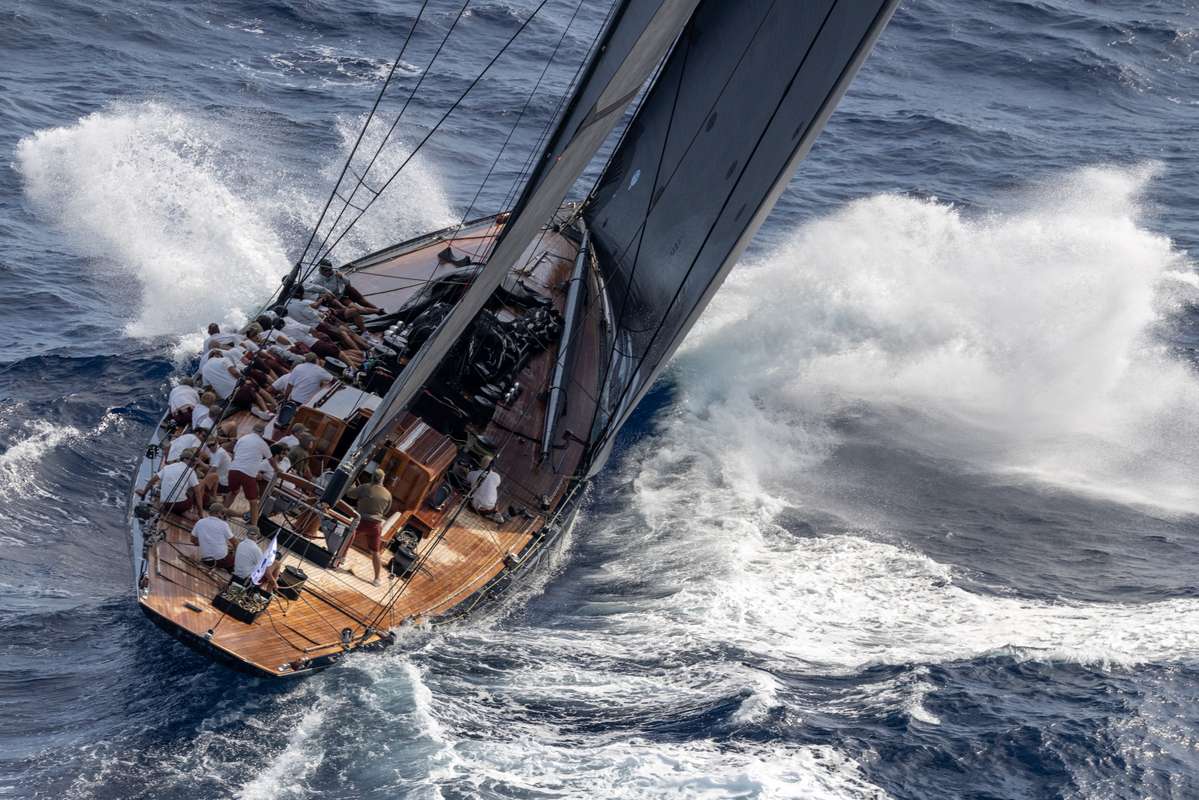
Then there is the sailing. The Mediterranean can make you earn your result. In light conditions, keeping a heavy yacht moving demands patience, clean air and careful handling. When the breeze builds, the loads increase and the manoeuvres become a much more physical exercise. Beneath the postcard setting, there is proper work to be done.
Ashore, the conversation carries on. Starts are replayed, shifts are debated and somebody is convinced they would have won if one small thing had gone differently. That part of sailing has survived every development in boat design.
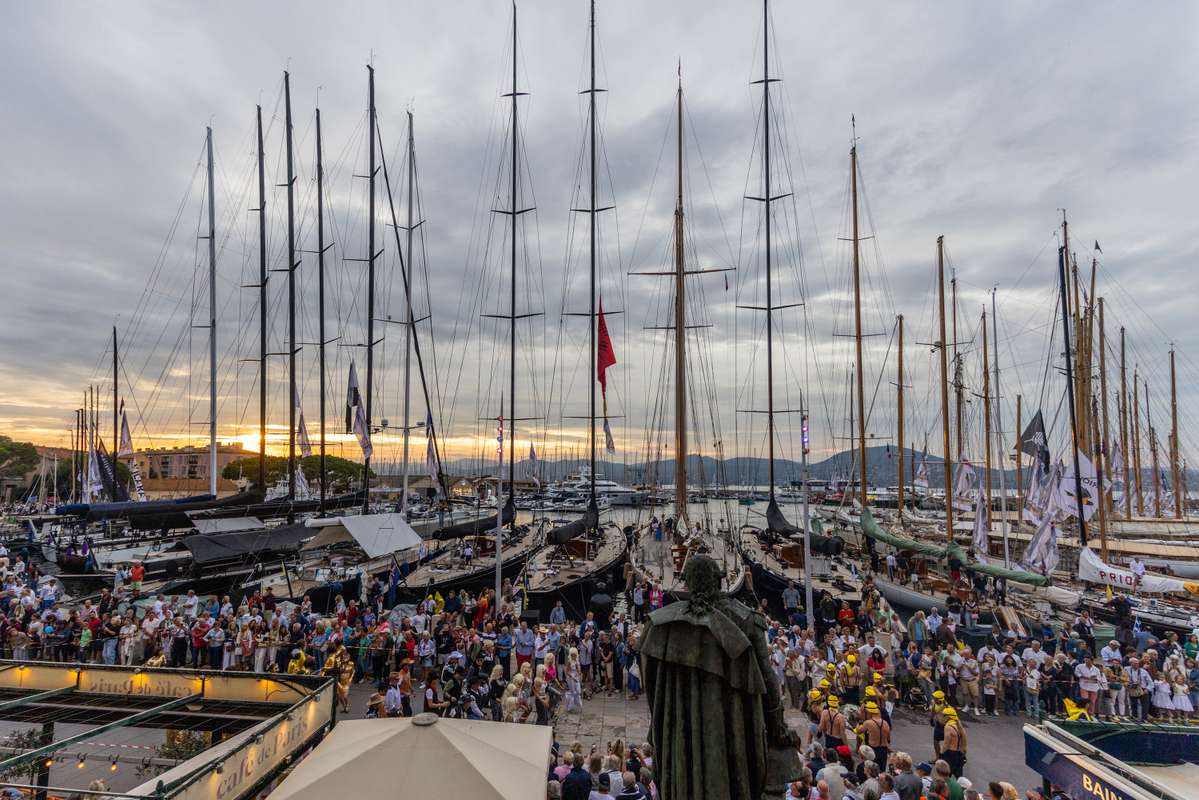
The social side is central to the appeal. Owners, professional sailors and amateur crews have something to share beyond the scoreboard. You might spend the day trying very hard to beat someone and the evening enjoying their company. A regatta is richer for that.
Our sport needs events like this. We should keep chasing speed and developing better boats, but we should also make time to enjoy the extraordinary range of sailing we already have.
Les Voiles de Saint-Tropez gives all of that a place: serious competition, remarkable yachts, skilled crews and the pleasure of being around people who love going sailing.
Winning there would make the week sweeter. But the reason it stays with you is bigger than a trophy. It reminds you how much there is to love about this sport.
Articles You Might Be Interested in
The Tabarly Effect: how one quiet sailor built a nation of ocean racers
LIVE: 52 Super Series Valencia Sailing Week – the title decider
The week in racing - 5 Oct ’26
The RC44: how Russell Coutts hit a winning formula
The week in racing - 28 Sep ‘26
Freddie Carr: Naples is not a neutral racecourse
The week in racing - 21 Sep ‘26




Member Discussion