
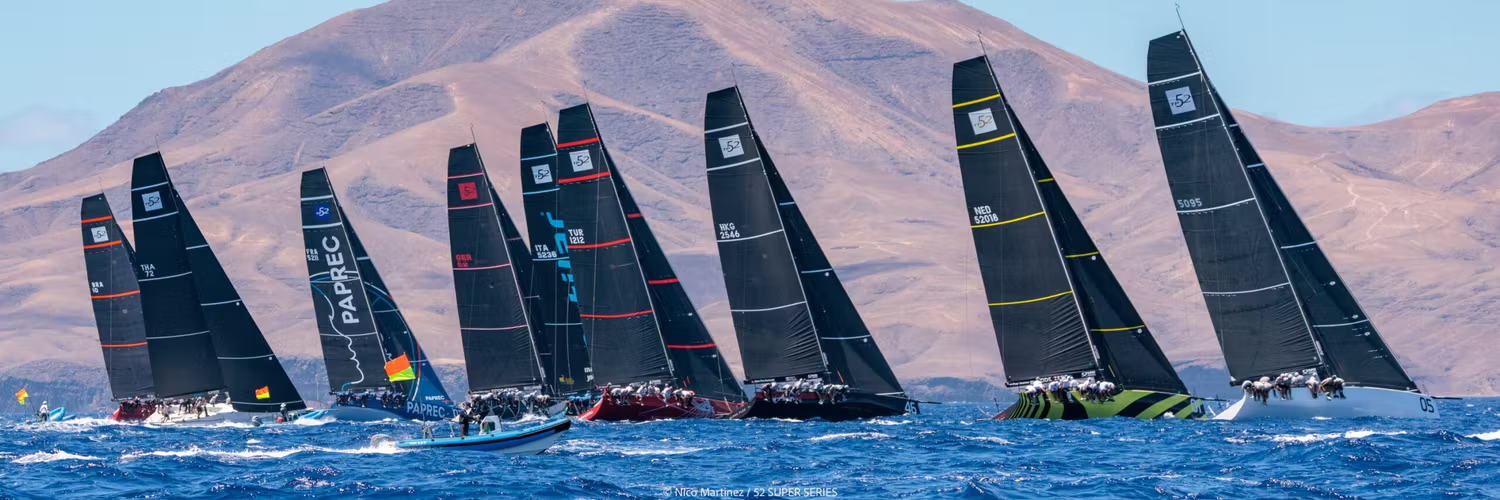
Freddie Carr: Platoon take control in Lanzarote as the 52SS title race turns

As I have gone on about previously, the 52 SUPER SERIES is the most competitive racing I do. Fractions of a second at the start line and inches at the top mark can ultimately dictate your overall regatta position. We visit some of Europe’s best racing venues, many of which the circuit returns to year after year because the facilities ashore are excellent and the race areas are reliable. The slight downside is that those racecourses can occasionally begin to feel a little familiar. I am thinking particularly of the Bay of Palma, where, if you are lucky enough to be a professional sailor, you will probably average around 30 race days every year. More often than not, you are racing in the same sea breeze, trying to hold a lane out towards the left-hand side before choosing your moment to come back on the familiar left-hand banana-shaped breeze. It produces good racing and remains one of the world’s great sailing venues, but the breeze there has essentially been doing the same thing for millennia.
Puerto Calero shakes it up
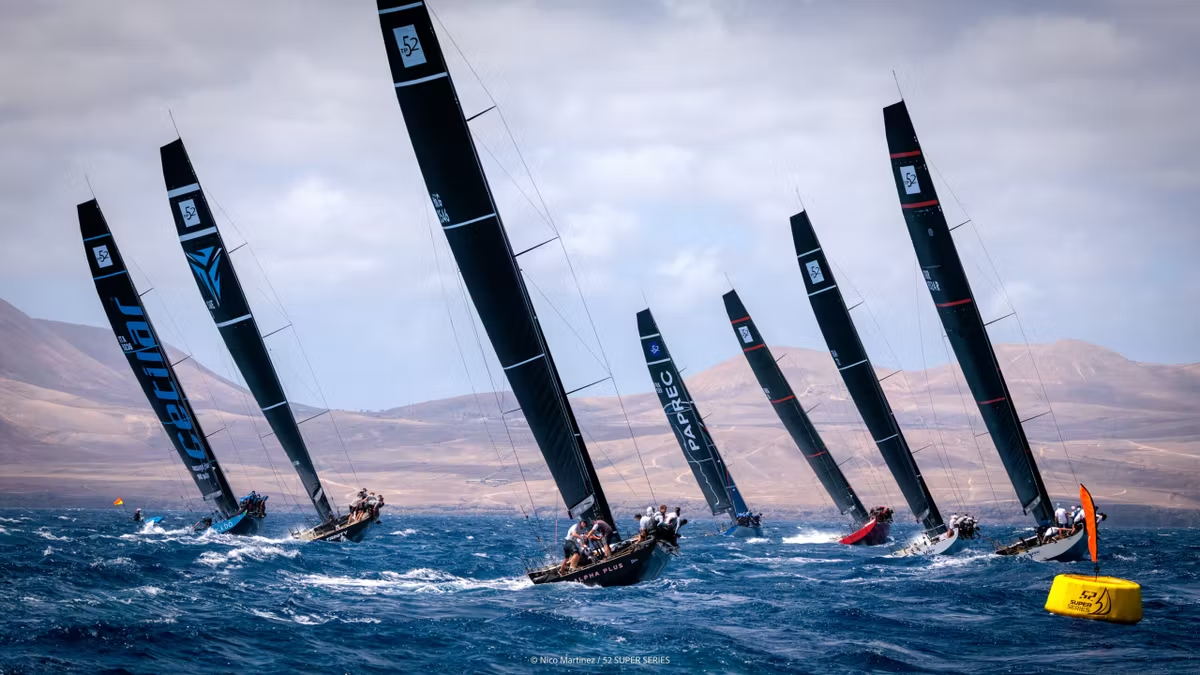
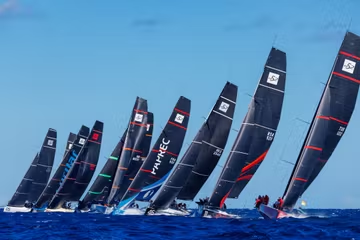
For the 52 SUPER SERIES to return to Lanzarote for its second event on the island this summer, this time racing from Puerto Calero, was therefore a real breath of fresh air. It was a venue that rewarded flexible strategy, strong communication and high-level boat-on-boat tactics. The breeze blew predominantly from the north-east quadrant throughout the week and, although it was coming offshore and provided plenty of changes in both pressure and direction, it was never completely random. There was normally a route through the fleet if you kept the boat moving, stayed connected to the pressure and remained patient enough to recognise it. Equally, there were plenty of snakes waiting for you if you missed a pressure line or tacked two or three boat lengths too early before reaching the next wind shift.
This exciting new patch of water for the majority of the fleet served up one of the most interesting and closely fought regattas the 52 SUPER SERIES has seen for several years. Positions changed throughout the legs, boats were able to recover from difficult starts and there was rarely a moment when the race settled into a simple procession. It asked different questions of the tacticians, navigators, helms and trimmers on every lap, while still rewarding the fundamental things that matter in TP52 racing: starting accurately, sailing fast and giving yourself enough space to make your own decisions.
The fourth event of the 2026 52 SUPER SERIES season produced the sort of week that can completely change the direction of a championship. Platoon Aviation arrived at Puerto Calero 17 points behind Sled, having shown plenty of potential during the opening three regattas without quite putting together the complete performance their speed suggested was possible. Five days and ten races later, Harm Müller-Spreer’s team had won the Royal Cup with a race to spare and turned that deficit into an 11-point lead heading into the season finale in Valencia. On a circuit where one bad start or one poor mark rounding can cost five or six places, a final score of 34 points was a remarkably controlled performance.
No single way to sail this week
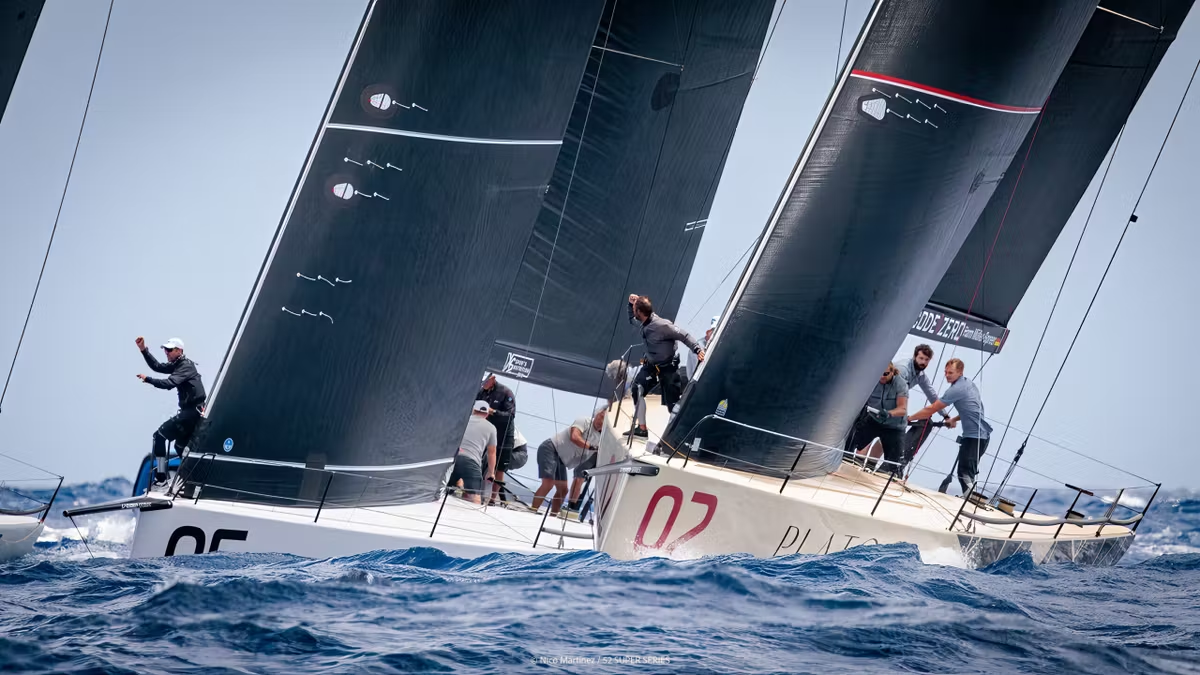
Puerto Calero gave us a very different challenge from the previous event at Marina Rubicón. Although the venues are only around 20 miles apart, the racecourse felt completely different. We moved between light, unstable offshore breeze and stronger conditions with an awkward sea state, meaning there was no single way to sail well throughout the week. At times the left-hand side of the course offered the best pressure, but getting there was not enough on its own. The breeze was pulsing off the land, the shifts were significant and the wind range could change by six or seven knots during a leg. You had to keep changing modes, keep the boat moving through the transitions and stay connected with the pressure. If you dropped into the pack, the disturbed air and traffic made it incredibly difficult to escape.
That was where Platoon were so impressive. Their scoreline of 6, 2, 6, 1, 2, 2, 1, 4, 1 and 9 shows how few opportunities they gave the fleet. Their worst meaningful result before the final race was a sixth, and even when things initially went against them, they found ways to recover. On the second day they were over the start line, fought their way back towards the front and then lost positions when they could not find a gap on the port-tack approach to the windward mark. A lot of teams would have allowed that sequence to become a big score, but Platoon kept working through the fleet and salvaged another sixth.
The biggest difference was that they appeared comfortable making their own decisions. Vasco Vascotto and Jordi Calafat were not being pushed around the racecourse by the boats alongside them; they were finding enough clear air to play the shifts and pressure on their terms. The boat also looked quick across the changing conditions, which is important because Platoon have not always appeared to possess the same all-round speed as the very best boats during the last couple of seasons. Their crew work was strong when the breeze increased, they made gains on several downwind legs by holding towards the stronger pressure on the shore side, and Harm gave the afterguard a very stable platform from which to race. This was not a regatta won through one spectacular day. It was won by repeatedly finishing races two or three places ahead of the point at which they might easily have unravelled.
A first podium and a near miss
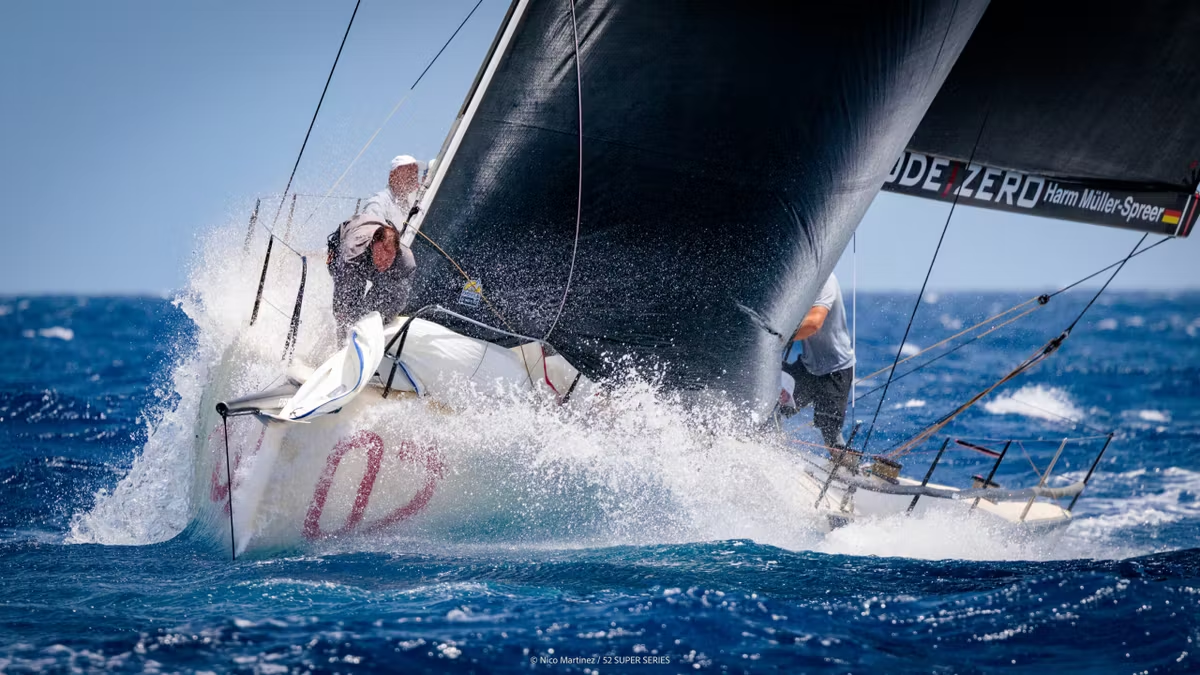
Crioula finishing second was perhaps the most popular result of the week and certainly one of the most interesting. Their starting was not consistently at the level required to finish on the podium in this fleet, but their ability to recover was exceptional. The Brazilian team often found themselves deep during the early stages of races, yet they continued to sail their own race, found clear lanes and used their speed to move forwards. Their fourth place in the final race was enough to move them one point ahead of Provezza and secure their first 52 SUPER SERIES podium. The core of that team has sailed together for many years and they also benefit from having another TP52 to train on in Brazil. At Puerto Calero, that continuity was visible. They never appeared to panic when they were behind and, in conditions where patience mattered enormously, they kept giving themselves a chance to get back into the race.
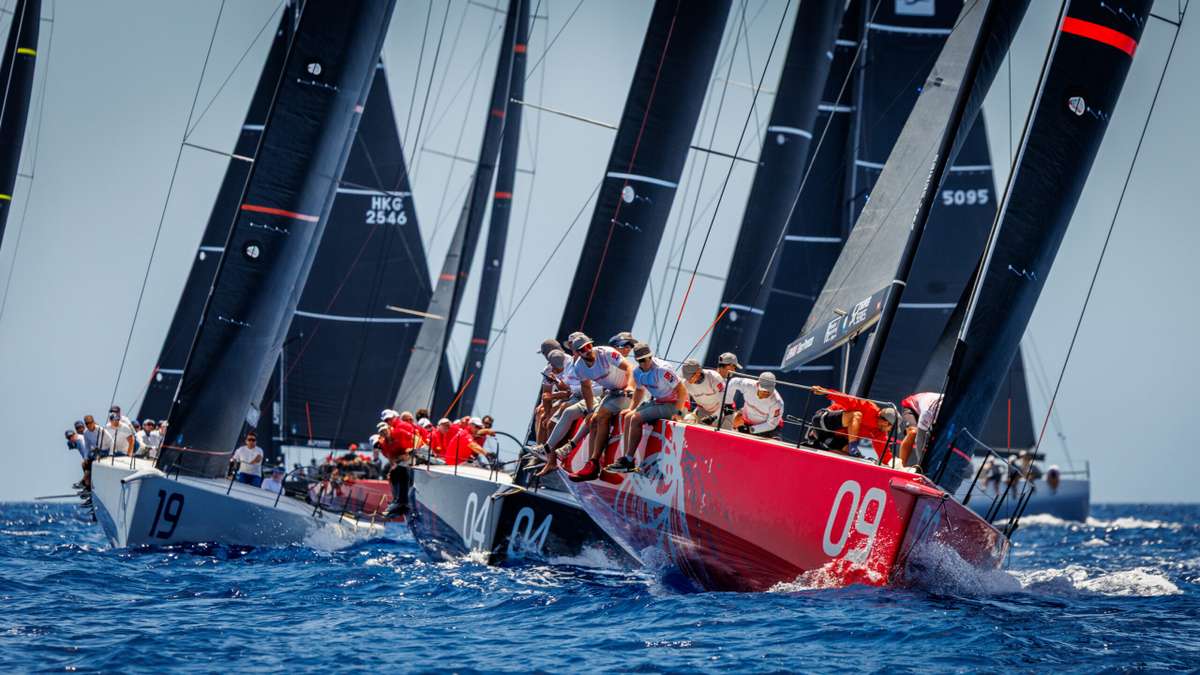
Provezza will probably leave Lanzarote with mixed emotions. They won two races and began the week looking much more like the team we have become accustomed to seeing towards the front of the fleet. Their work around the start line had clearly improved after a difficult run of events, and when they started in clear air they had the speed to control races. They were tied with Platoon after four races, but their scoring became less consistent as the week developed and finishes of tenth, ninth, eighth and twelfth opened the door for Crioula to take second by a single point. Third at a Royal Cup is still a good result, but having been so close to the lead during the first half of the regatta, they will know there was an opportunity to achieve more.
Champions under pressure
For Sled, this was the first genuinely difficult week of what had previously been an outstanding season. They arrived as world champions, winners of the opening two events and holders of a 17-point championship lead. Their speed was still evident, particularly when they won the sixth race, but they never looked quite as settled as they had earlier in the year. The broken forestay ram and the subsequent composite repairs to the bow forced them to record a DNF in Friday’s second race, which was extremely costly, but the technical failure was not the only reason the championship moved away from them. Scores of tenth, eleventh and ninth had already given Platoon the opportunity to close the gap. The shore team did a brilliant job to get Sled back onto the water, and their second place in the final race kept some life in their weekend, but fifth overall and 62 points represented a significant swing in the season.
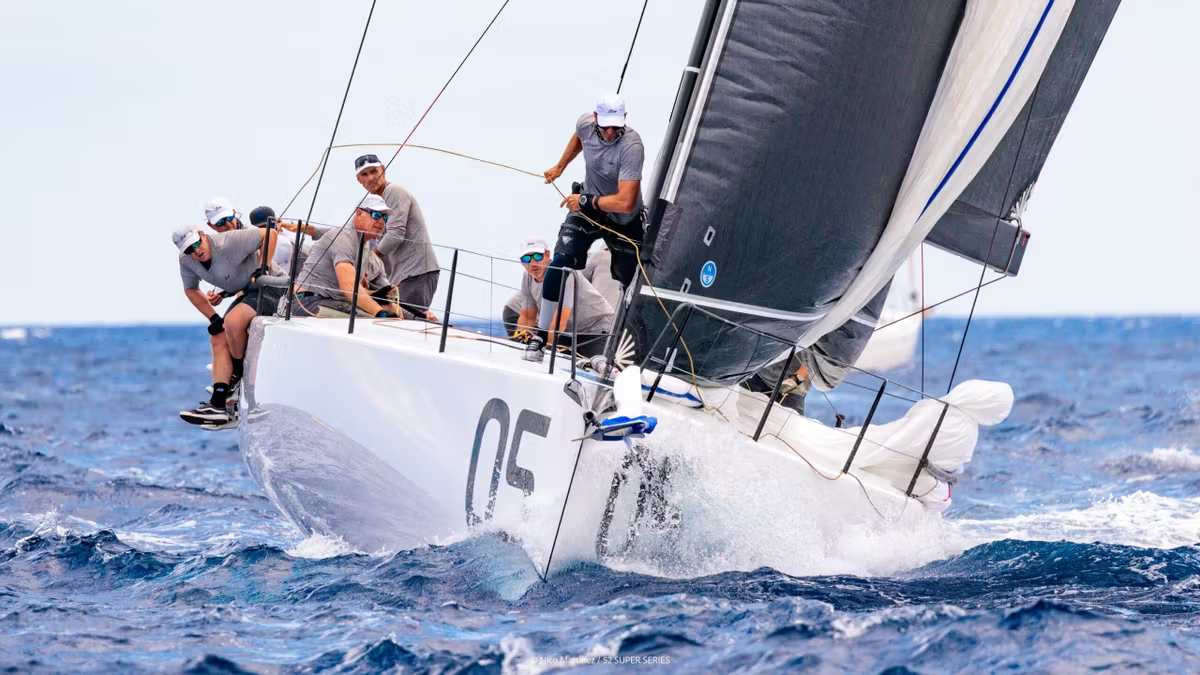
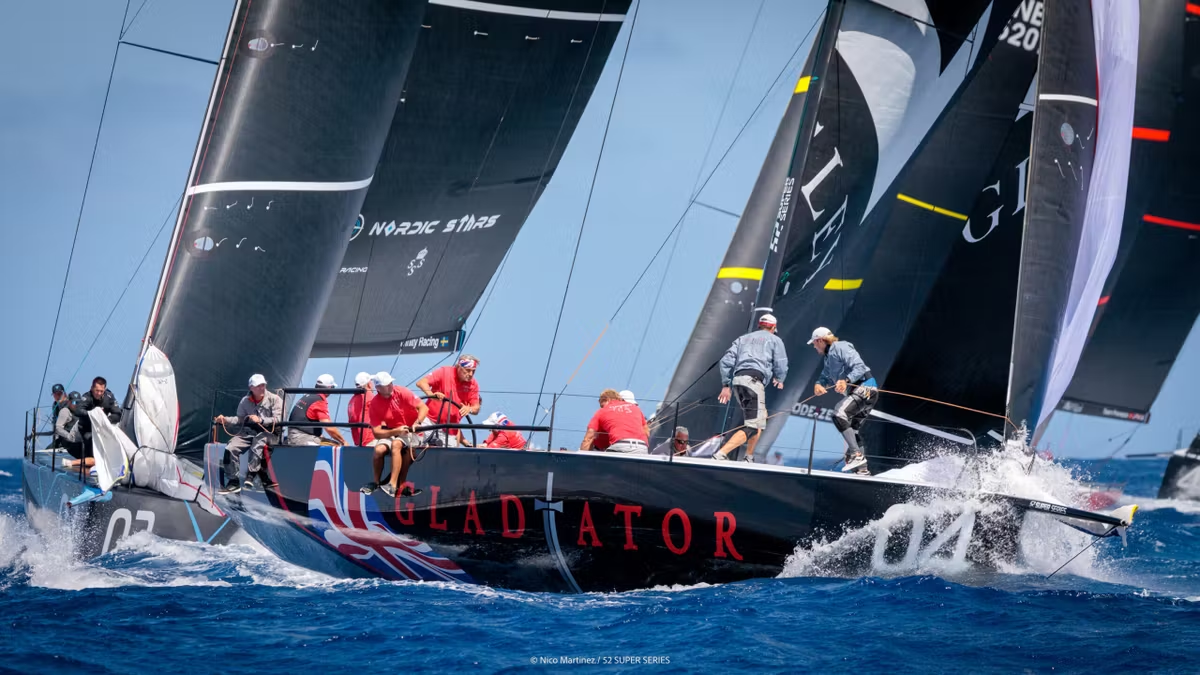
From our perspective on Gladiator, there were moments when the performance was much closer to where we believe it should be. We opened the regatta with a third and finished second behind Paprec in race eight, which showed that when we started well and connected the first shift, we had the speed to stay at the front of the fleet. The frustration was that we could not reproduce that often enough. A final position of tenth, tied on points with Alegre, does not reflect what we feel is available within the boat and the group, but at this level there is nowhere to hide. A couple of metres at the start, one compromised tack or one missed pressure line can turn a top-five race into a result near the back. We have to turn those isolated good races into complete days and then complete regattas. Getting 5 penalties in 10 races is way too much and something we need to nip in the bud if we are going to feature in the front half of the fleet in regattas to come.
Eleven points, all to play for
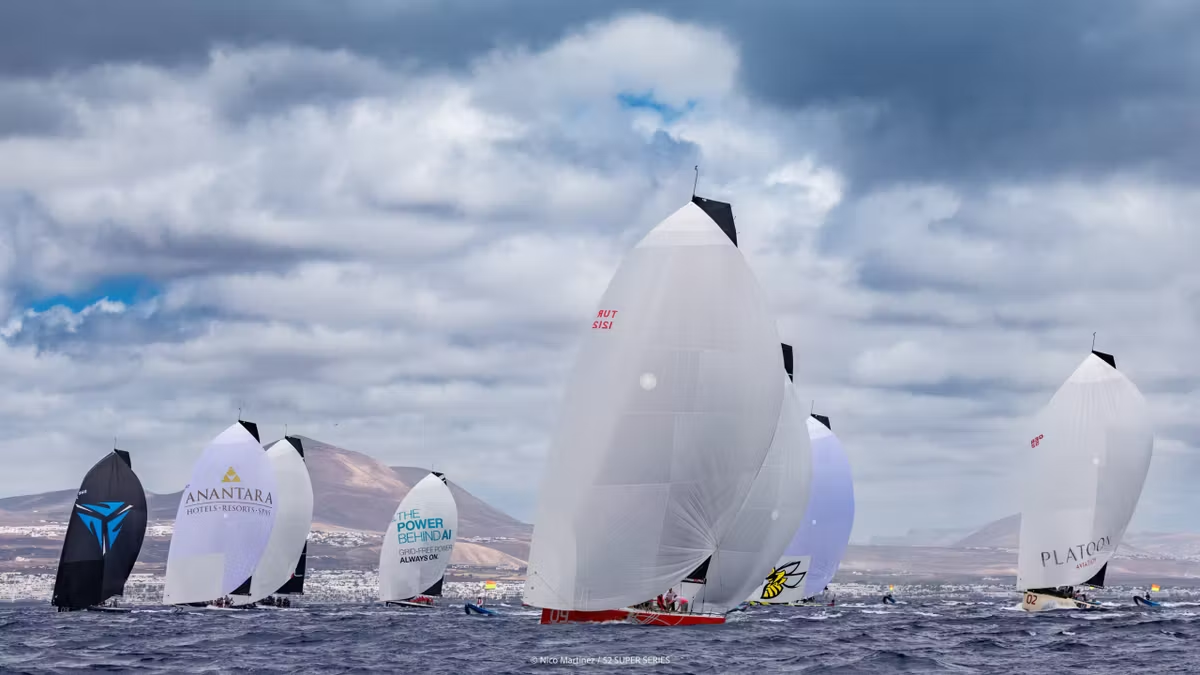
The wider story is what Puerto Calero has done to the championship. Platoon now lead Sled by 11 points, with Alkedo Cetilar a further 35 points behind in third. That makes the title battle look increasingly like a contest between the two leading boats, but 11 points is not a comfortable margin in a fleet this competitive. Platoon have the momentum and appear to have found a genuinely fast all-round package, while Sled now have the unusual experience of entering the final regatta as the hunters rather than the team being hunted.
Valencia should suit Platoon. Their previous regatta victory came there in 2024, also in shifty offshore conditions, and they now arrive with the confidence that comes from winning the Royal Cup for a fourth time. But this circuit rarely allows anyone to carry momentum forward without being tested again. Puerto Calero reminded us how quickly a championship can turn. One team produced its most complete week of the season, another suffered its first major setback, and an advantage that had appeared reasonably secure disappeared within ten races. That sets up a fascinating final event, because Platoon may now lead the championship, but Sled remain close enough to make every decision in Valencia matter.
To have 16,000 views on our YouTube Channel of the fantastic live race coverage shows that The Foil followers love the racing too.
Articles You Might Be Interested in
From partners to opponents: inside the North Sails–Team New Zealand patent battle
Three legs and an electronic brain: how Ferrari Hypersail will fly (Pt. 2/7)
The week in racing - 19 Oct ’26
Inside the Batmobile: a first look at Ferrari Hypersail
Batteries, foils and LiDAR: where does the sailor’s job end?
Platoon Aviation’s consistency seals a classic 52 Super Series season
The week in racing - 12 Oct ’26
LIVE: 2026 Sardinia Kiteboard Grand Slam



Member Discussion
Hi Freddie.
This was a fab read mate.
Getting your personal insight, from the inside out, is exactly what the Super Series needs for people to understand that 'this is where the best sailboat action is happening'.
It certainly sounds like you believe that and I've been shouting it from the rooftops for years now.
Thanks for this. I follow all the coverage but your angle is refreshing as its independant of the series itself.
And thats one of the things that makes great media.
But is it really the last event of the season next? WOW. What a season so far.
Well. Next season I believe we will be off to Thailand and Hong kong...so hold on tight.
The Super Series is still in its infancy I believe. Exiting times are ahead.
Thank you to Mr. Carr for yet another excellent writeup.
The racing this week were really engaging to watch. And thanks to the limited number of cameras available, there was not the random cross cuttings we have to endure with Sailgp (or perhaps simply not an attention-span impaired gen Z at the editing keyboard). You could really follow the big, beautiful boats boats fully through their nimble maneuvers and there were enough close ups for us to see the action on the boats and enjoy the technical details/difference between boats with regards to sail handling and much more. My sailing knowledge did unfortunately not allow me to read all the details in wind shifts that seemed to play an even bigger role than normal.
I really feel the total viewer experience so much more satisfying than with Sailgp where all the commentators seem to focus on is speed and crashes.
Of course everything can be improved on. Given that all boats collect a gazillion of data, I would think it would be an easy win to add a sidebar showing some of this - like the ones we seem to be getting now when the Atlantic race get under way.
Great win for sailing and the foil no matter which boat won!