
Platoon Aviation’s consistency seals a classic 52 Super Series season

Platoon Aviation took the 2026 52 Super Series title after a five-regatta season that ran from Puerto Portals to Valencia. I talked it through with on-the-water reporter Katie Dabson and Simon “Stir Fry” Fry, my fellow teammate and downwind trimmer on Gladiator who has raced 104 of the 107 Med Cup and Super Series regattas since 2005.
If you wanted a season that showed what the 52 Super Series is about, 2026 delivered it. I’ve raced plenty of them, and this one had everything: light air, big breeze, steep seas, flat water and a title fight that went to the last event.
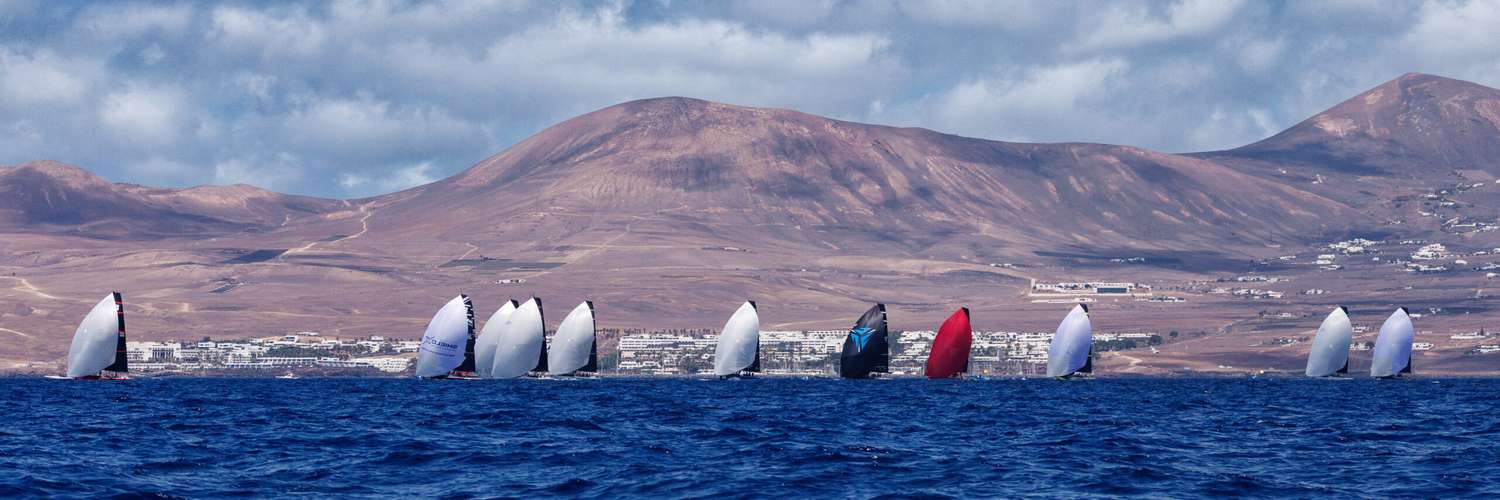
We started in Puerto Portals, went on to Porto Cervo, then to Lanzarote twice – Rubicon, then Puerto Calero – before finishing in Valencia. By the end there were 16 boats on the start line from 11 nations, the biggest fleet in Super Series history, and across the season we had 12 different race winners.
Stir Fry has seen more of this circuit than anyone, and he didn’t hesitate when I asked where 2026 ranks. “In Super Series terms, without doubt, one of the best,” he says. “For me, the fact that it was nip and tuck all the way to the finish.”
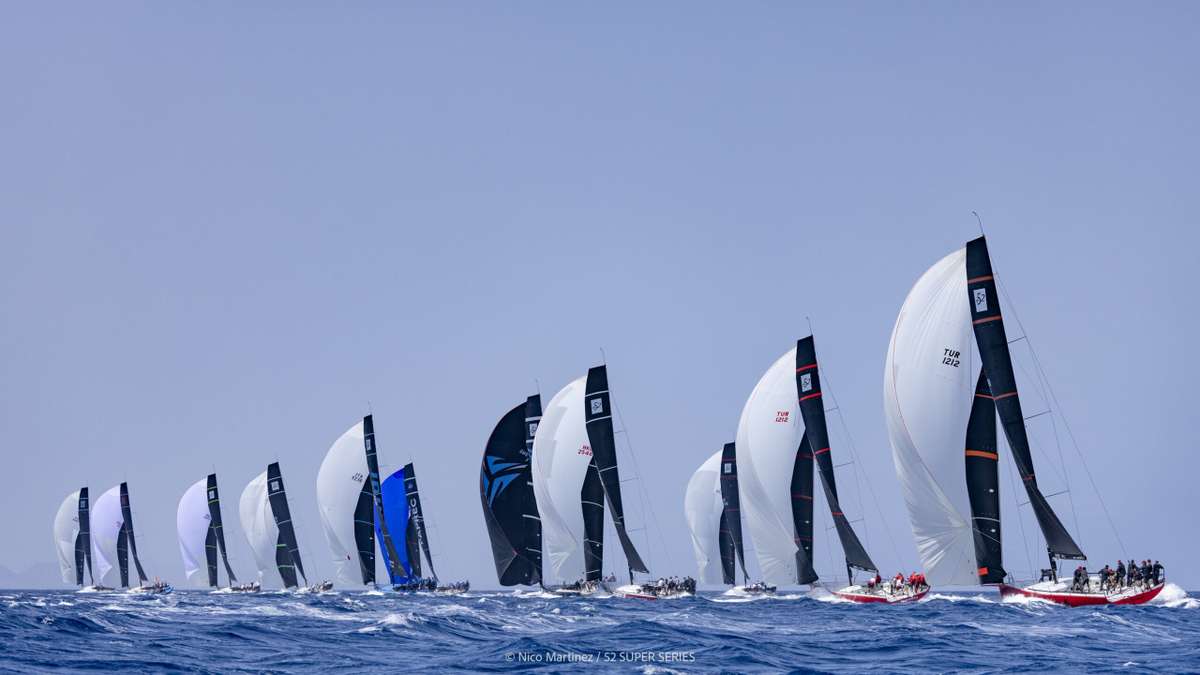
The variety was what made it. Rubicon was top-end racing that broke boats; elsewhere we had properly light days, shifty days and racing shaped by the land around the course. When every regatta asks a different question, nobody can lean on one strength, and whoever ends up on top has earned it across the board. Katie, who watched every race from the rib, summed it up as “literally a bit of everything”.
That variety mattered all the more because of one rule: five regattas, 10 races at each, and no discard. At most regattas you get a drop after four races or so. Here every result counts, so one bad race stays on your scorecard all season. As Stir Fry puts it, consistency is everything.
Even so, he didn’t expect it to come down to two boats. “I was a little surprised that Platoon and Sled got away to such an extent,” he admits. “I expected it to be a five-boat, six-boat duke out, and unfortunately, come the last regatta, it was essentially a match race.”
Sled set the pace
Sled opened the season by winning in Puerto Portals – and it very nearly didn’t happen. With about four minutes to the warning signal for the final race, on a breezy day, its mainsail was still on deck. Ivan Peet went up the mast to lash everything at the top, the main went up, and Sled won the race and the regatta.
It wasn’t a clean finish either. “Just watching them down the last run, obviously the halyard had stretched or the lashing had stretched, the lock had failed, and every gybe, there was a high probability that it was going to wipe the aft pedestal out,” Stir Fry says. “For them to get down the last run and win the regatta was testament to a lot of seamanship, a little bit of Kiwi dog from Don and the team, and good fortune.”
Platoon was on the podium in Portals too, so the two boats that would fight for the title were there from day one. So was No Way Back – the old Quantum Racing programme under a new owner – with an encouraging start to its first season.
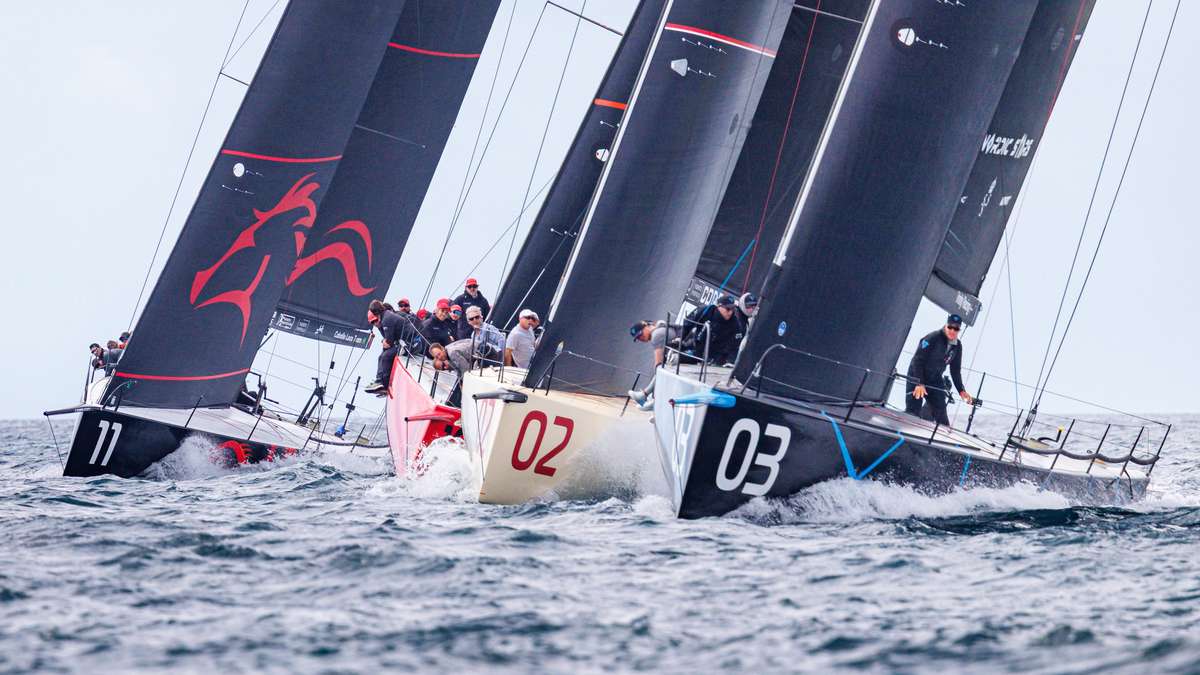
Sled then won the World Championship in Porto Cervo without one standout day, just steady results all week. For me, though, the result of that regatta – maybe of the season – was Trinity Racing finishing second in a brand-new boat at only its second event. It usually takes a long time to work a new TP52 up to its ceiling.
There were reasons it came together so quickly. Trinity had some very good people on board, and its design package wasn’t a big departure from what has worked before, so it hit the water running. Stir Fry, though, saw the momentum stall: “When you looked at their sail codes that they were loading each day, I think their sail budget was limited, and I don’t think they got faster from Sardinia as the season went on.”
That's a big handicap, because sails on the 52s are the equivalent of new tyres in Formula One, especially the light-air jibs and kites.
“In the lighter stuff especially, you want to be having the newest and the best equipment every race because the margins are so much smaller,” Katie explains. New boats get two extra sail “buttons” on top of the standard allocation, but even the best-funded teams have to balance race sails against training kit. “It’s quite frustrating if you go training with bad kit and then you race with good kit,” says Stir Fry, “because you’re relearning your setup every time you put good sails up.”
Paprec rise to the challenge in Lanzarote
Rubicon brought the hardest conditions of the year. Boats came in battered and bruised – ours included on Gladiator, after our headstay pulled out of the front of the mast and ended our regatta.
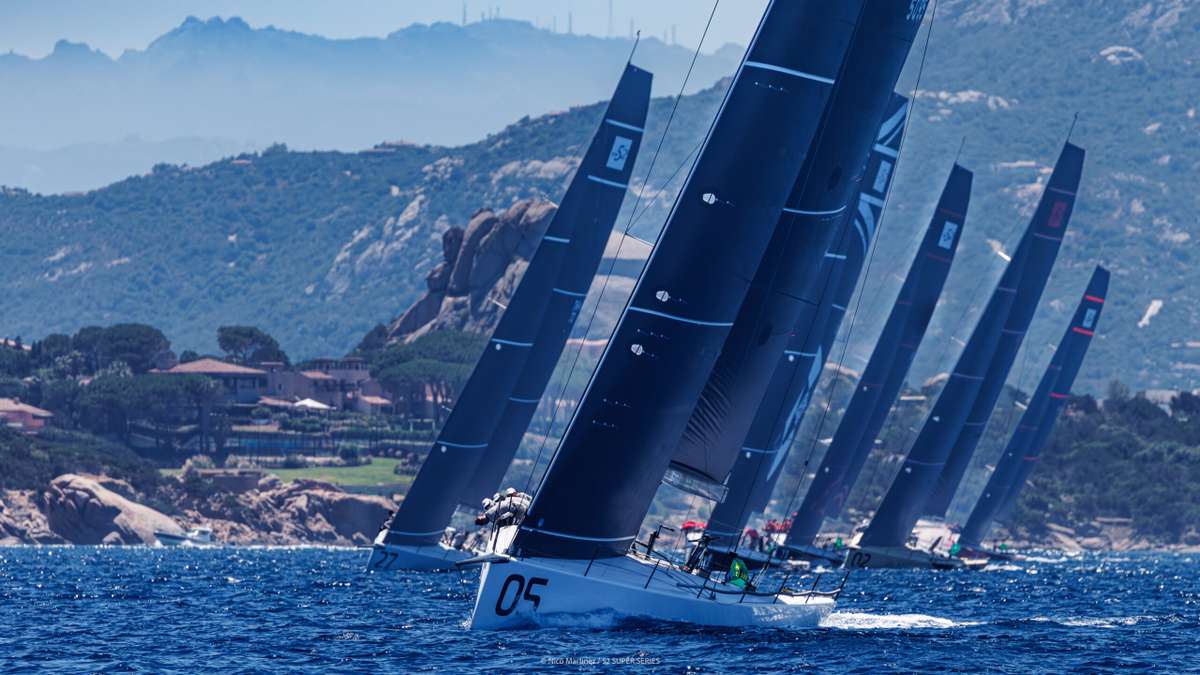
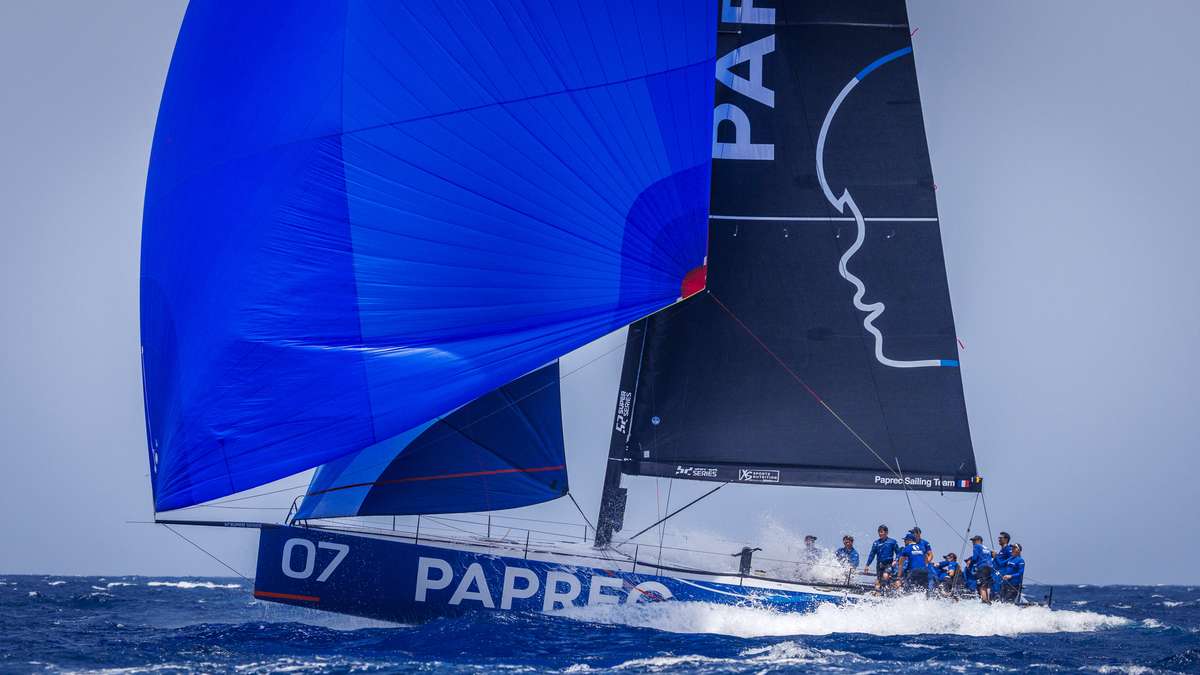
Paprec came through it to claim their first event win. The French team had almost won the windy 2025 World Championship in Cascais, and it finally converted here, winning by two points. It shouldn’t have surprised anyone. Paprec made a couple of key personnel changes, and Cedric Chateau – “the Castle”, as we call him – steers the boat beautifully and starts well. The boat started life as Gazprom, a 2019 design, and Stir Fry reckons “that boat still has a bit of magic… I think they’re on an upward curve.”
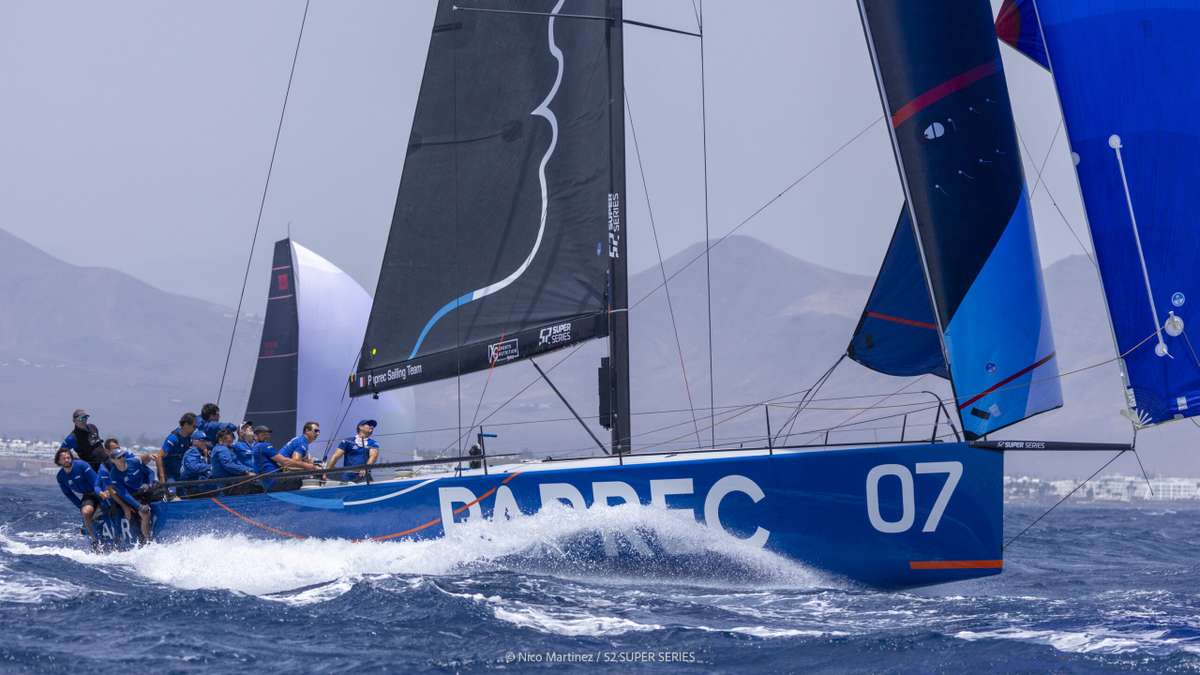
Katie came off the rib most days looking like a drowned rat, and she still calls it her favourite event. “I’m honestly so sad they didn’t have a GoPro on the rib live streaming my commentary because I was actually being waterboarded,” she says. “It was chaos, but it was good fun.”
The final race had several boats still in with a shout. Alkedo Cetilar were over the line early, Sled picked up a penalty, and Paprec held its nerve while others around it, Platoon included, had kite problems through the week. “As the regatta went on and on, when you were watching Paprec, you almost had this sense of calm and trust in their racing,” Katie says. “Watching them sailing downwind was an absolute masterclass in those conditions.”
I’d add one more factor. I’ve done a lot of Extreme 40 sailing with Loïck Peyron, who sails with Paprec, in some marginal conditions. The windier it got, the more he whistled and the more relaxed the boat became. Loïck has seen it all before, and I suspect that calm is part of why Paprec goes so well in a big breeze.
Platoon find another gear
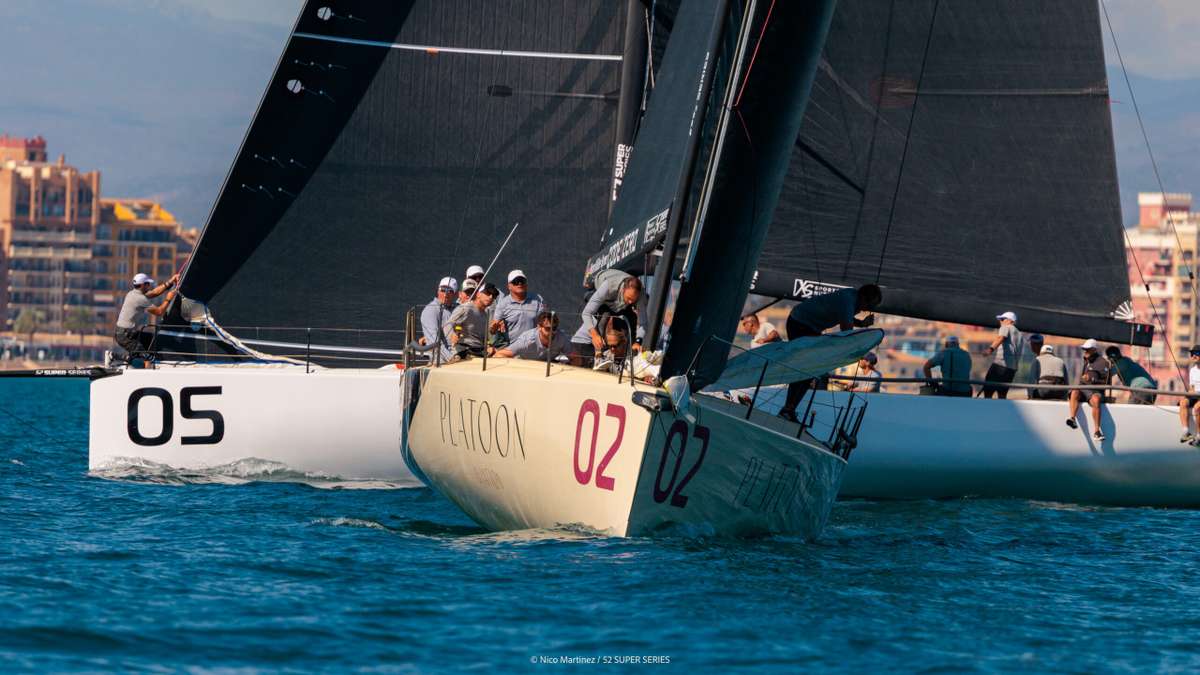
Puerto Calero, the second Lanzarote event, defined the season. Platoon Aviation had been 17 points behind Sled going into the regatta. They left with an 11-point lead. It was their first event win since 2024, and for me it was the moment their new boat came alive.
That’s quite a turnaround. This time last year the talk on the dock was that Harm Müller-Spreer, Platoon's owner and helm, didn’t rate the boat at all. Stir Fry points to a rocky start – “Sailing into a basking shark and losing the rudder didn’t help in Newport!” – followed by steady development, including a new foil package. “It looked to me like their mainsails got sheeted a little harder and were a little flatter overall,” he says. “They’re just incremental gains.”
None of it was radical, and it didn’t need to be. In a fleet this tight, a tenth of a knot here and a tenth there is the difference between being stuck in the pack and sailing away from it. Platoon, in his view, was “one of the boats that got faster and faster as the season went on”.
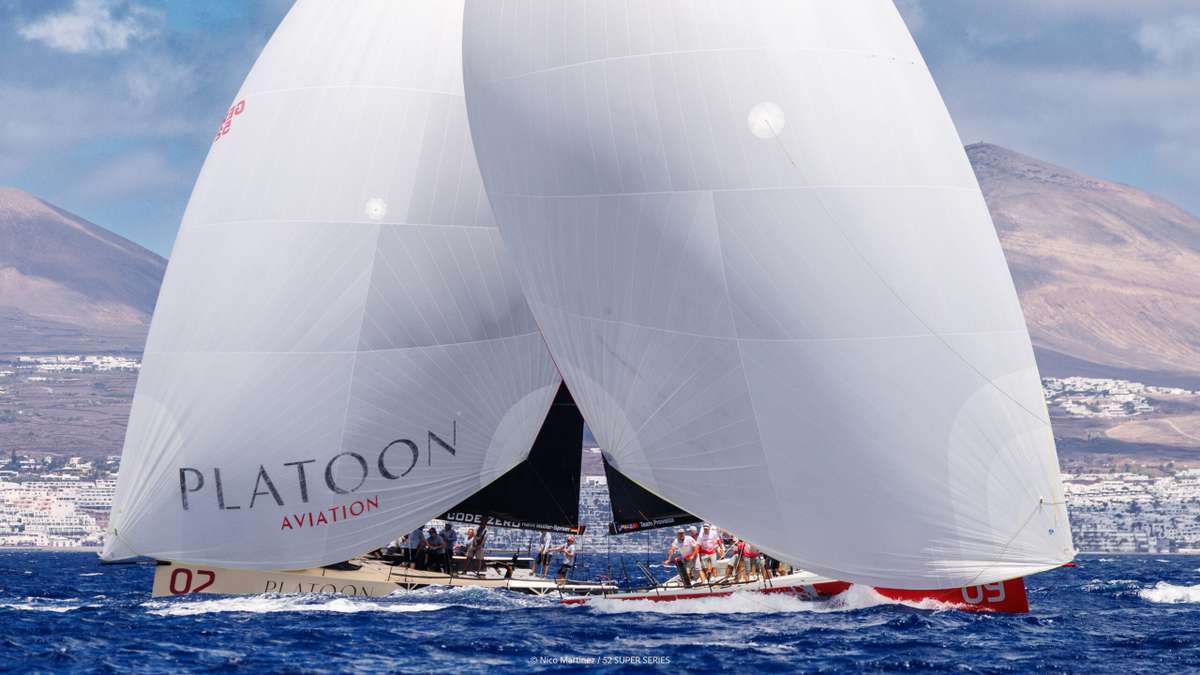
Calero was also won on the racecourse, with Jordi Calafat and Vasco Vascotto consistently picking the right side. Penalty flags were flying – we picked up our share on Gladiator – but Platoon made it look comfortable “It was shifting like a bag of weasels,” says Stir Fry. “No bum starts, and even when they were in the pack, they’d take one or two places.”
Sled’s week went the other way. Its headstay ram failed, it had to retire from a race and the shore team repaired it overnight, but the points were gone. As Stir Fry puts it, quoting Alain Prost: “To finish first, first you have to finish.”
The numbers back it up. Katie ran the season’s results through an old-school spreadsheet, and while Alkedo Cetilar had the most race wins and top-three finishes, Platoon had only four results of 10th or worse all season – the fewest in the fleet, with No Way Back next. Sled and Alkedo Cetilar had nine each. “One of the most interesting stats for me was their ability, even if they were match racing, to turn a bad, bottom-of-the-fleet result into gaining those couple of places to get sixth or seventh,” she says.
Valencia: a title fight and a record fleet
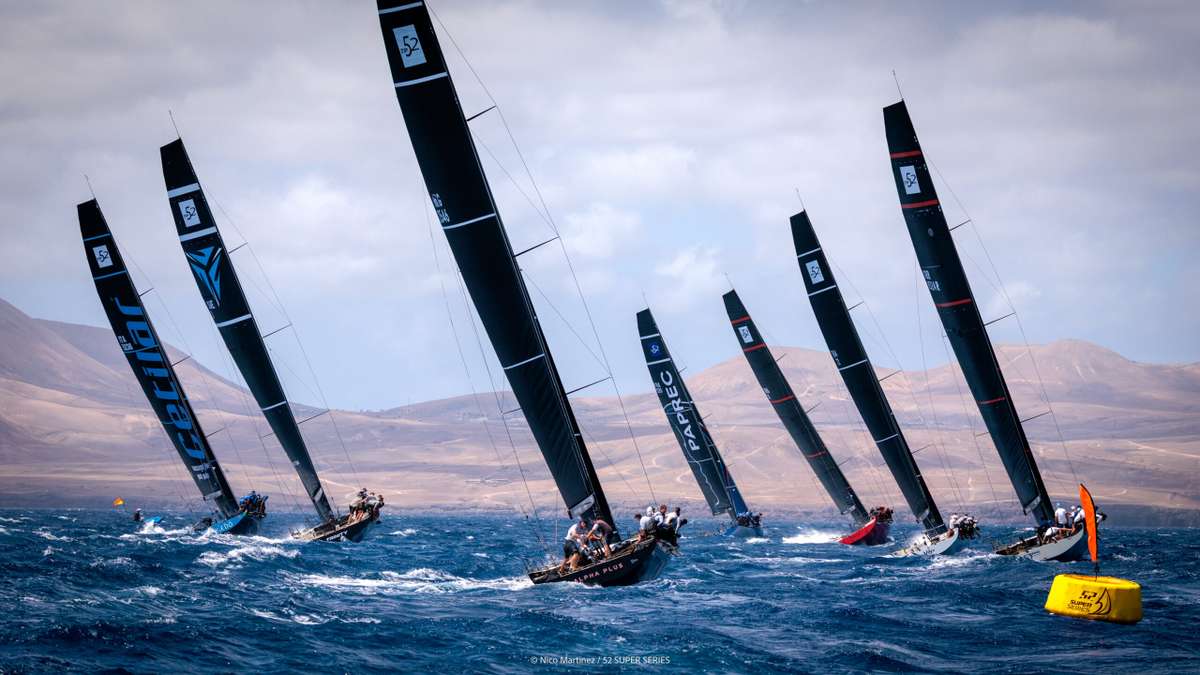
Platoon arrived to the season final in Valencia with an 11-point lead, and the question all week was whether it would turn into a match race. For the first half of the week, the two boats were usually in the same patch of water. By the second half we had circling in the pre-start, with teams motoring in the light air and switching off at the cut-off to carry speed into the circles.
Platoon did exactly what it needed to: it kept finishing two or three places ahead of Sled when it mattered. Sled struggled to find its best form in Valencia, finishing eighth at the event. The job was damage limitation for Platoon, not event glory, and their season title was secured by a 30-point margin.
Alkedo Cetilar won in Valencia and finished third overall, and Katie thinks they should have been closer still. “Had they performed even averagely at that event, they potentially would have been second and fighting for the overall championship,” she says of their tough second Lanzarote regatta. Stir Fry tips them as a force for the future.
No Way Back finished second in Valencia, topping and tailing their season with good results. The middle events were harder, which is no great surprise. Katie points out how hard it is for a new owner to arrive now. “He’s coming into a very established fleet where the level is stepping up, not only every season but every regatta,” she says. The bigger fleet makes it harder to recover once you fall behind; with much of the old Quantum team on board and a quick boat, there is plenty to build on.
But Stir Fry isn’t worried about owner Pieter Heerema. “He’s a tough old bird. He’s done a Vendée. He will work it out,” he says. He credits the late arrival of Hamish “Pepsi” Pepper as strategist alongside tactician Terry Hutchinson: “I think that freed Terry up to look after Pieter way more effectively than he had done through the season.”
The standard is rising
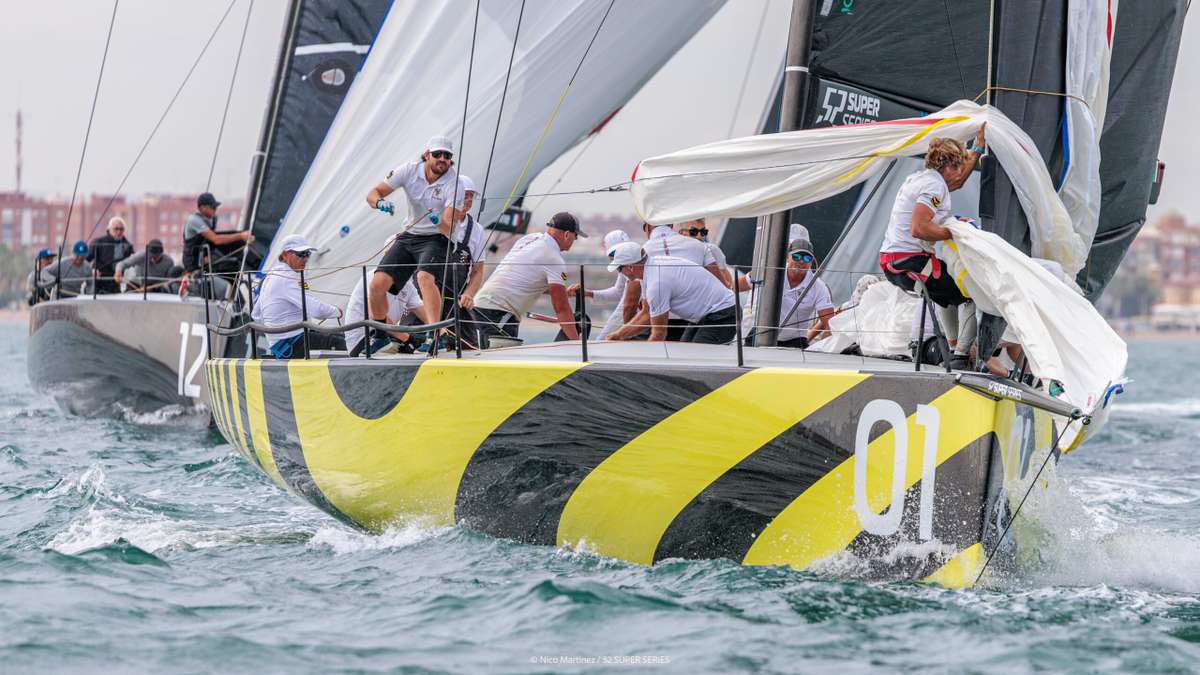
Sixteen boats changed the racing. The start lines were crowded, the marks packed and the lanes back through the fleet hard to find. “The amount of races where I was sat at the spreader mark and it was bow to stern; there was not a single gap in between these boats,” Katie says.
The Med Cup had bigger fleets – Stir Fry puts the record at 25 or 26 boats – but seven or eight of those were never going to win a race. Now almost every boat can, so every place costs. As Stir Fry puts it: “If you could not be in last place, not be in second-to-last place for the whole season, suddenly that’s 50 races, maybe you’ve saved 20 points. In the middle of the fleet, if you could be 20 points better off for effectively no expenditure, you’d be very, very happy.” For a mid-fleet team, there is no cheaper way to move up.
Next season starts early, and Katie wouldn’t pick a top three yet. She has an eye on Vāyu, which often led after the opening day, as well as Alkedo Cetilar’s speed. There are three new boats in build and Marcus Brennecke is coming with a strong team to take over Trinity. “I would say for me, there’s six boats that can win next year already,” adds Stir Fry.
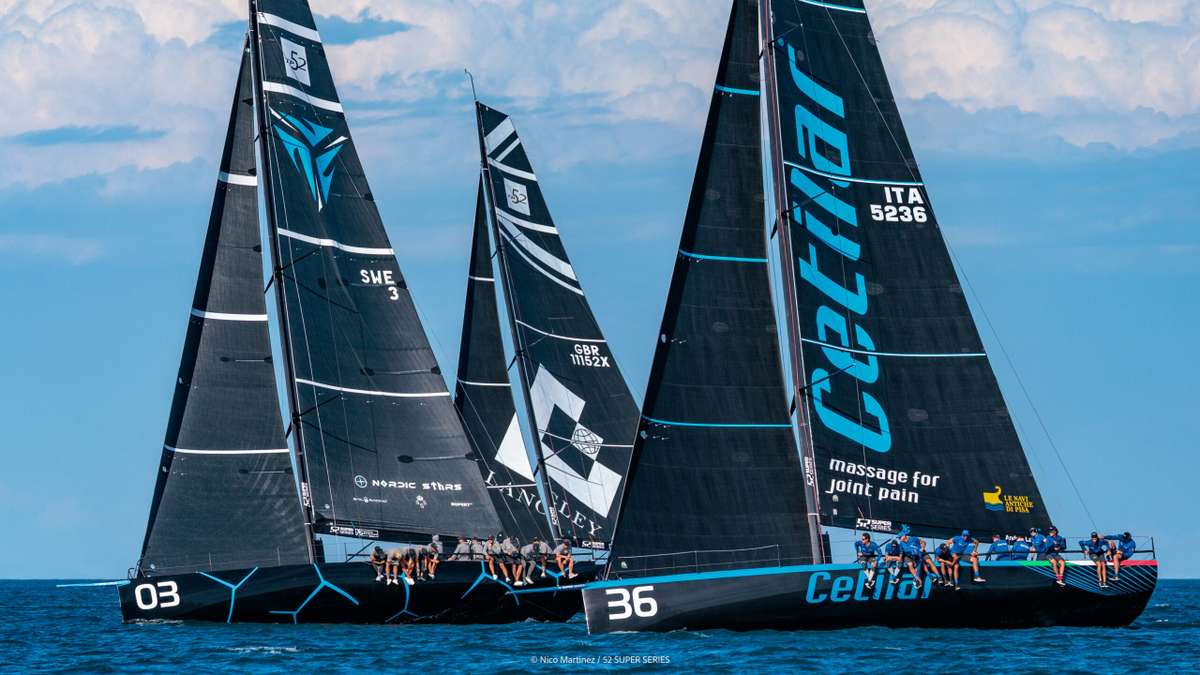
After more than 20 years, I asked him why he keeps coming back. “I think there’s something magical about 50-footers,” he says. “They plane downwind, so they’re exciting to sail. They go upwind very, very well.” He also credits the organisation led by CEO Agustín Zulueta: “Agustín [Zulueta, 52SS CEO] and his team have put together a very, very polished circuit.”
He also pulled me up when I described the 52s as sitting beneath the foiling world. “There are two areas of the sport that are super impressive,” he says. “And you know my view that one is more relevant than the other.”
There are rumours Stir Fry won’t be back in 2027. He says he isn’t retiring: “There’s just one more thing I really want to win and that’s the Admiral’s Cup.”
Platoon Aviation took the 2026 title because they combined speed with discipline. Sled pushed them almost all the way, Paprec mastered the big breeze, Alkedo Cetilar finished with a statement win, and the record fleet raised the standard across the board.
So, while the championship had a clear winner, the season had no shortage of contenders. That sets February up nicely. The series opens 2027 in Thailand, its first trip to Asia, and the Worlds follow there in March.
Articles You Might Be Interested in
The week in racing - 12 Oct ’26
LIVE: 2026 Sardinia Kiteboard Grand Slam
LIVE: 52 Super Series Valencia Sailing Week – the title decider
Why Les Voiles de Saint-Tropez is so special
The week in racing - 5 Oct ’26
The RC44: how Russell Coutts hit a winning formula
The week in racing - 28 Sep ‘26



Member Discussion