
Freddie Carr: This was a Round the Island classic

Well, that was an absolute belter of a Round the Island Race.
As the long-range forecast suggested, a steady north-westerly gradient breeze gradually clocked to the right throughout the day, allowing the fleet to complete the course at impressive speeds – fast, but never quite threatening the race record.
The tidal pinch-points around the Isle of Wight's iconic landmarks unfolded almost exactly as expected. But one tactical moment proved decisive at the front of the 800-boat fleet, ultimately shaping the finishing order in the fiercely contested IRC Zero class.
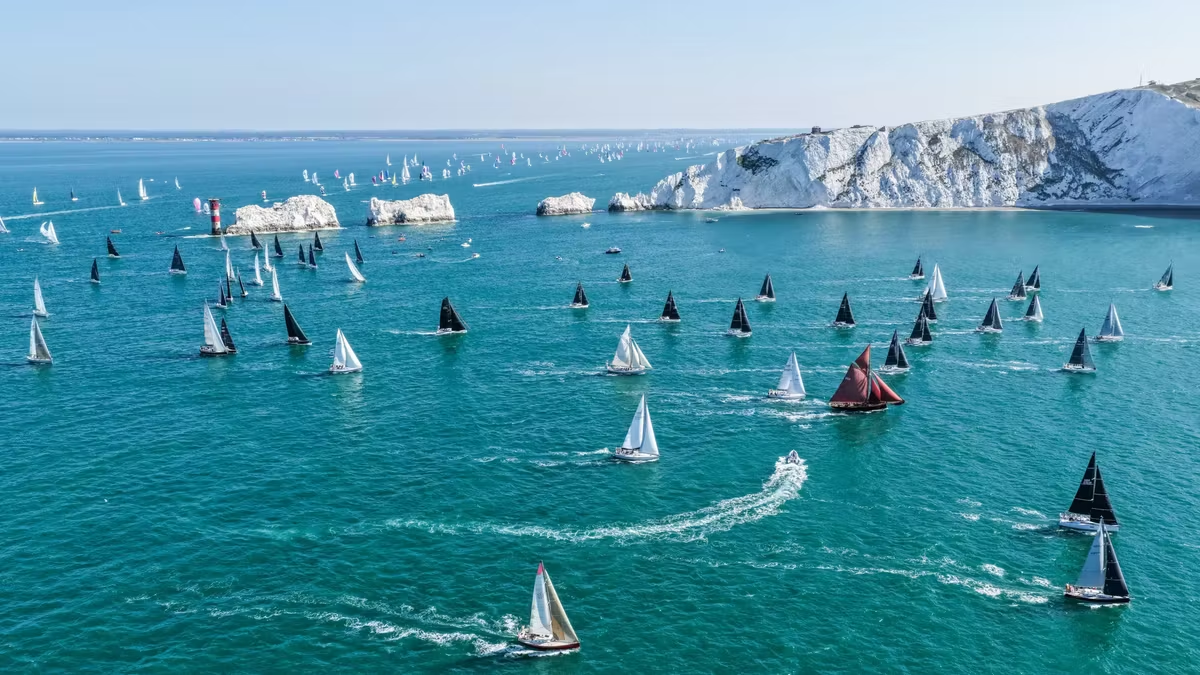
The start played out almost exactly as Graham Sunderland and I discussed in our Round the Island Race preview. The key decision was whether to start close to the Royal Yacht Squadron on the Isle of Wight shore and use the back eddy sweeping west along the Green towards Gurnard, or position yourself further out in the Solent, accept 20 minutes of adverse east-going tide, and rely on the favourable tidal flow once the fleet began exiting the Solent.
Lining up on the start line at seven o'clock on a summer morning, it was impossible not to notice the calibre of the competition. There was the New Zealand 40-footer Callisto, owned by James Murray and packed with Kiwi sailing stars. Alongside her was another 40-footer, Standfast, owned by Simon Patterson, well known from the Etchells and J/70 classes as he stepped into Grand Prix offshore racing.
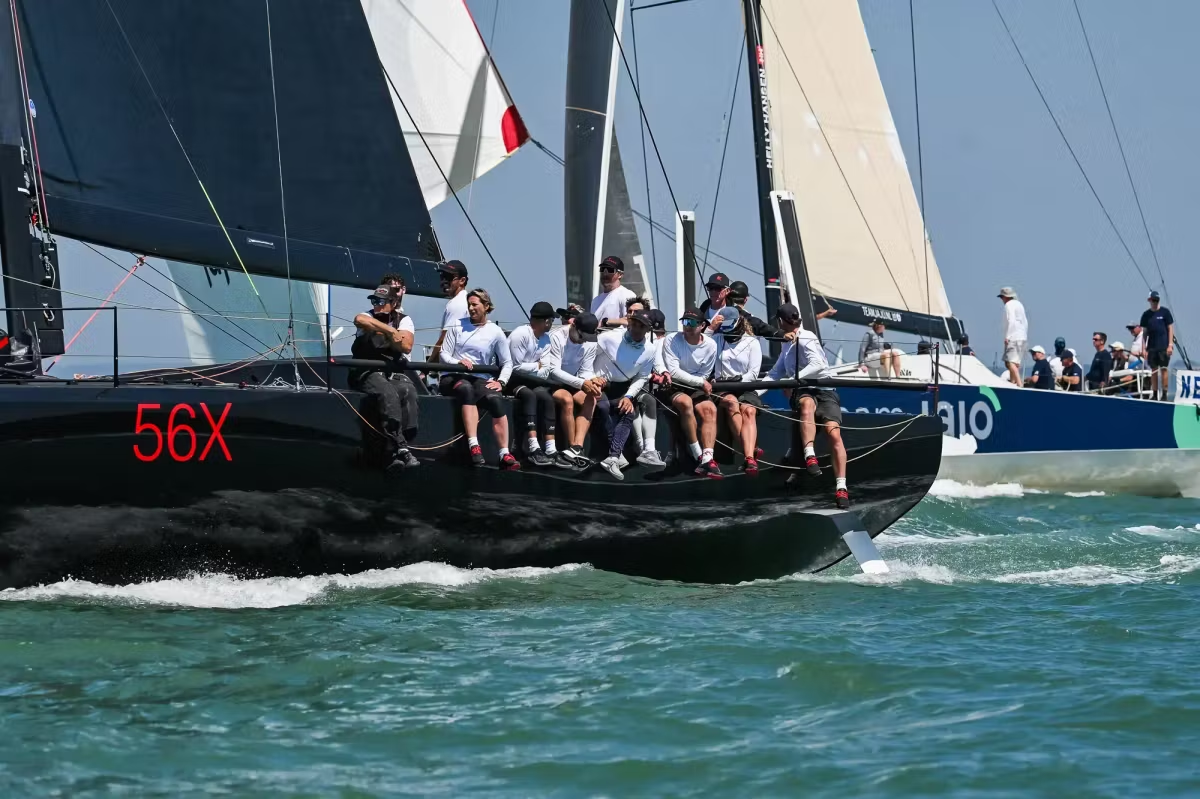
Then came the 52-foot heavyweights – Gladiator, Braveheart, Beau Geste and Ino Veritas –all keeping a close eye on one another before the gun. Representing the ever-expanding Khumbu Racing stable, Guy Gillon was at the helm of his spectacular 56-footer, fresh from victory in the Round Ireland Race. Completing an exceptional front end of the fleet was Jonny Vincent steering the Volvo 70 Pace.
There were world-class sailors everywhere you looked, plenty of silverware between them, and more than a few big egos quietly sizing each other up before one of the world’s great coastal races got underway.
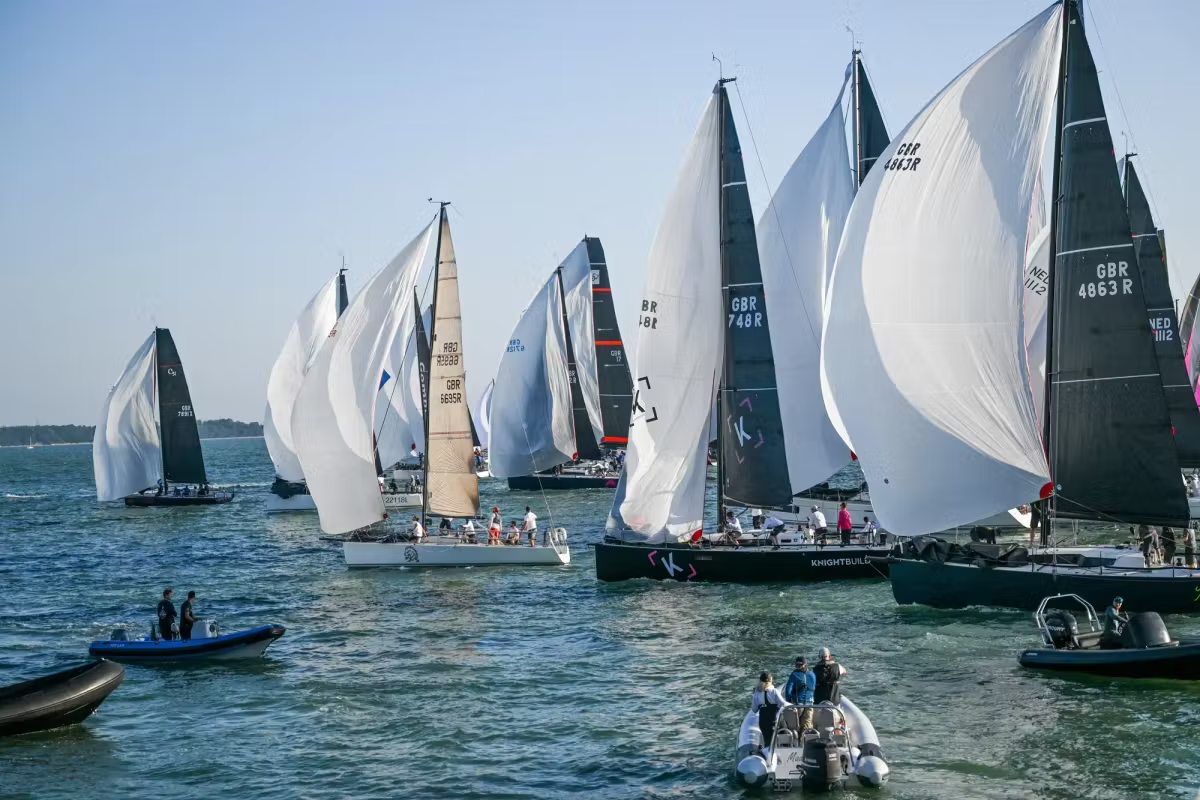
I was on pit aboard Gladiator, so there was little time to admire the spectacle. A downwind start in the middle of hundreds of boats is organised chaos, and everyone onboard was fully focused on getting off the line cleanly.
Within the Grand Prix fleet, though, there was a clear consensus. Most of us wanted to start towards the Royal Yacht Squadron end of the line, take advantage of the back eddy along the Isle of Wight shore and then make the jump across to the mainland once the tide turned in our favour.
The obvious exception was the Volvo 70 Pace. With a significant speed advantage over the rest of the fleet, she opted for clear air over tidal gains, staying away from the inevitable congestion that would develop towards the Squadron end.
The mouth of the Medina was absolute chaos. There was barely a patch of water visible between boats attempting to nail their timed run and spinnaker hoist on the firing of the cannon, while other classes streamed out of Cowes Yacht Haven ready for their own starts. To say there were a few near misses would be an understatement.
Khumbu nailed the start closest to the Squadron, maximising the back eddy along the Green, with Braveheart following almost identical tactics. Gladiator, Beau Geste and Ino Veritas all lined up slightly further along the line.
When the cannon fired, it was Ino Veritas that launched best. She accelerated cleanly into clear air and immediately looked quick downwind as the fleet headed towards the mainland shore. Beau Geste was quick to follow her line, while we aboard Gladiator had the same tactical plan but didn’t quite execute the start as cleanly, getting caught in disturbed air and finding ourselves forced onto the back foot in the opening minutes.
Ten minutes after the start the fleet had already split. Khumbu and Braveheart had committed fully to the Isle of Wight shore and were rewarded with a significant tidal gain. The three TP52s – Gladiator, Beau Geste and Ino Veritas – had already worked north into slightly stronger pressure, waiting for the full west-going tide to establish itself before crossing back to re-engage in the middle of the Solent.
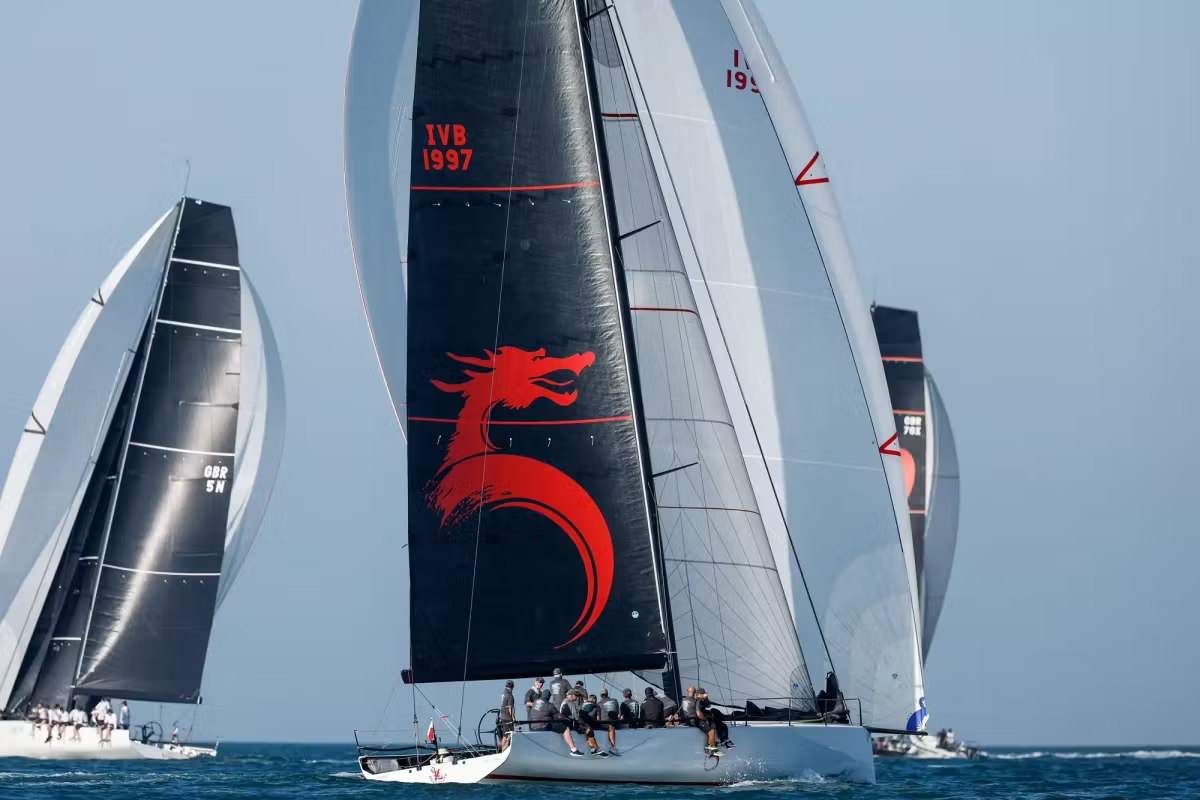
For the first half of the run Khumbu looked outstanding. She combined her excellent start with the shifts and pressure along the island shore and appeared to have the race under control. But as the west-going tide began to build, the race turned. Ino Veritas and Beau Geste were the first to take the right-hand pressure, crossing the main channel at exactly the right moment and, crucially, crossing ahead of Khumbu for the first time.
By now the breeze had built into the mid-teens and Ino Veritas looked particularly impressive, stretching her legs on the approach to Hurst Castle. Up ahead, Pace was doing exactly what everyone expected, disappearing over the horizon. Behind her, however, the battle between the TP52s was only just beginning.
As the front of the fleet approached The Needles, the timing of the next manoeuvre was never going to be straightforward. The call on when to drop the spinnaker, harden up and turn towards St Catherine's would be critical.
Pace rounded first, followed by Ino Veritas, Khumbu, Beau Geste, Gladiator and Braveheart. The first quarter of the race had disappeared in no time at all.
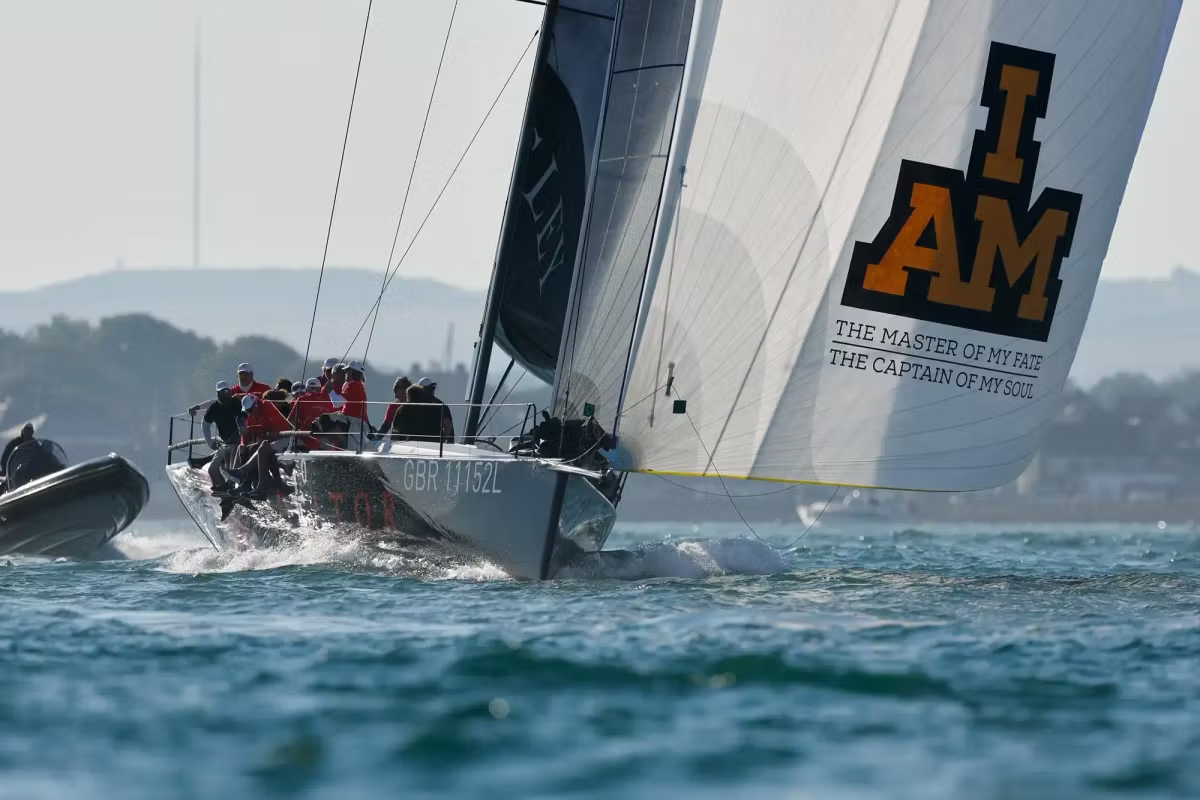
Once around The Needles, the fleet settled onto a cracked-sheet fetch towards St Catherine's with the outboard lead in place. It became almost processional as the breeze rolled cleanly off the cliffs, but everyone knew this was merely the calm before the storm. In around an hour’s time the race would restart, with the tactical battle up the south side of the Isle of Wight likely to decide the outcome.
It was Beau Geste who suffered the first major setback. She hooked a fishing pot around her keel and was forced to back down to free it, surrendering valuable metres at exactly the wrong moment. It was particularly costly for a boat renowned for her reaching performance when fully powered up with her water ballast system.
As we headed south-west towards St Catherine's, the breeze sat around 50–60 degrees with small oscillations either side. The rich were gradually getting richer, but looking over my shoulder one statistic really stood out. Callisto and Standfast– both around 12 feet shorter than the TP52s – were still right in the mix. It was clear the smaller boats had absolutely flown downwind through the Solent.
St Catherine's Lighthouse, the second iconic landmark of the race, marks not only the halfway point but also the beginning of the next tactical phase. From here, the front of IRC Zero settled into a series of short tacks up the south side of the island, constantly weighing tidal relief close to the shore against wind pressure, shifts and covering their nearest rivals.
Ino Veritas still held the lead and, perhaps more importantly, was doing an excellent job of shutting down every opportunity Khumbu and Beau Geste tried to create. Every time one of the chasing boats looked for separation, Ino was quick to cover.
Aboard Gladiator, we were still within striking distance. We knew we weren’t quite as quick in these conditions, but that also gave us a small tactical advantage. With Ino, Khumbu and Beau Geste just ahead, we could study their decisions, compare them with our routing and tidal models, and use Andrew Cape’s experience to decide when it was worth following – and when it might pay to split away.
Then came the decisive moment of the race.
As the fleet left Ventnor and turned north-east across Sandown Bay, everything changed. The leading boats encountered an unexpected left-hand shift as the breeze rotated into the north. Hugging the shore suddenly offered both a favourable shift and valuable tidal relief, so Pace and the leading 50-footers all made the logical decision to follow it, covering one another as they closed inshore.
From our position aboard Gladiator, we were the perfect distance behind to watch the situation unfold. As the four boats ahead edged closer to the shore, they all began standing upright almost simultaneously – a sure sign they had sailed into significantly lighter pressure.
Everything in our weather analysis suggested the breeze should eventually rotate from around 50 degrees towards 100 degrees, with stronger pressure developing further offshore across Sandown Bay. This felt like the moment to take a calculated gamble.
The conversation onboard was simple: if there were no other boats on the racecourse, where would we sail?
The answer had always been the same. We would ignore the fleet, head offshore in search of the forecast right-hand shift and stronger breeze, and trust the weather rather than the competition.
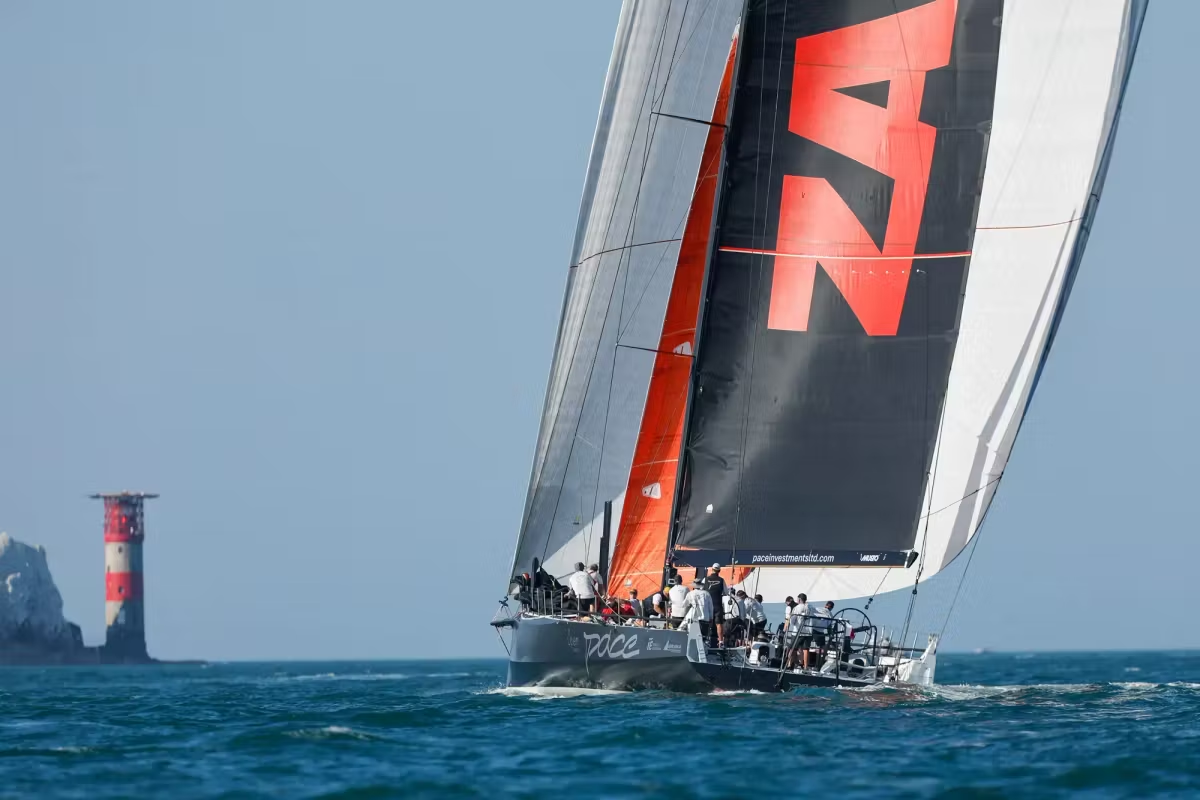
The instant we saw the boats ahead lose pressure, it confirmed our thinking. Rather than following them into the hole, we committed out to sea. Within minutes we found exactly what we had been hoping for – a significant right-hand shift of nearly 50 degrees accompanied by fresh pressure. We tacked on the new breeze while the leaders remained parked inshore.
For almost 20 minutes, the boats that had sailed virtually faultless races to that point sat in a pocket of light air. It was desperately unlucky for them. But offshore, our gamble had paid off. Sometimes it's better to be lucky than good!
Braveheart had also committed to the offshore option and, by following the route to the right, vaulted past the three boats that had been caught inshore. Pace, meanwhile, recovered reasonably well. Having led the fleet into Sandown Bay, she was the first to reconnect with the new right-hand shift and pressure, allowing her to extend once again as the fleet converged on the eastern turning mark at Bembridge.
The two 40-footers, Callisto and Standfast, were also perfectly positioned to capitalise. Watching the shutdown unfold ahead of them, they followed offshore, avoided the short-lived northerly trap and emerged largely unscathed.
From there the race became almost processional. The final five miles upwind to the Bembridge Cardinal passed without further drama before the fleet hoisted spinnakers for the fast run home, surfing west with the favourable tide through the Eastern Solent while continuing to play the pressure and shifts all the way to the finish.
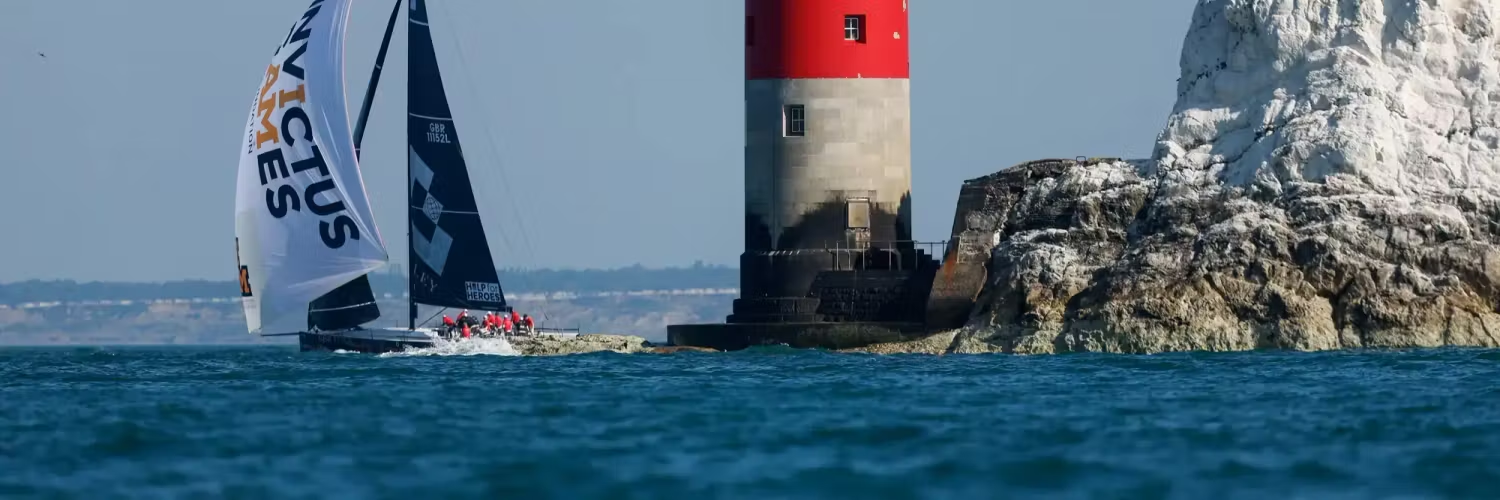
Pace was in a class of her own, crossing the line in 5 hours, 48 minutes and 52 seconds. We followed home second on the water aboard Gladiator, a result that translated into second overall in IRC Zero. It was a satisfying performance from an older TP52, made even more special by sailing alongside several injured military veterans from the Turn to Starboard programme as they promoted the upcoming Invictus Games. Listening to their stories of frontline service, life-changing injuries and how sailing has helped rebuild their confidence and sense of purpose was genuinely inspiring.
The overall IRC Zero victory went to New Zealand’s Callisto. Their downwind pace through both the Western and Eastern Solent was exceptional, and they judged every major transition perfectly throughout the race. They were worthy winners – congratulations to James Murray and his team.
For Ino Veritas, Khumbu and Beau Geste, it was a cruel outcome. They controlled much of the race, sailing superbly for more than 70 per cent of the course before one weather transition undid all of that hard work. That’s yacht racing. The margins are brutally fine, and one unexpected shift can rewrite the entire leaderboard.
If nothing else, it has set the stage perfectly for Cowes Week in three weeks’ time, where you can be certain those rivalries will resume all over again.
Topics
Articles You Might Be Interested in
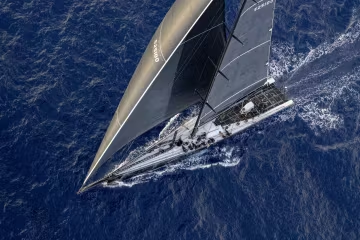
The week in racing - 19 Oct ’26
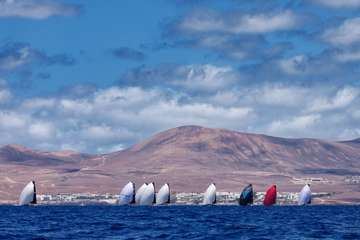
Platoon Aviation’s consistency seals a classic 52 Super Series season
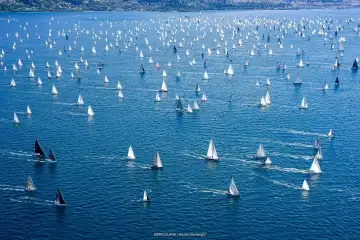
The week in racing - 12 Oct ’26
LIVE: 2026 Sardinia Kiteboard Grand Slam
LIVE: 52 Super Series Valencia Sailing Week – the title decider
Why Les Voiles de Saint-Tropez is so special
The week in racing - 5 Oct ’26
The RC44: how Russell Coutts hit a winning formula



Member Discussion