
Freddie Carr: The SailGP teams that must decide to stick or twist

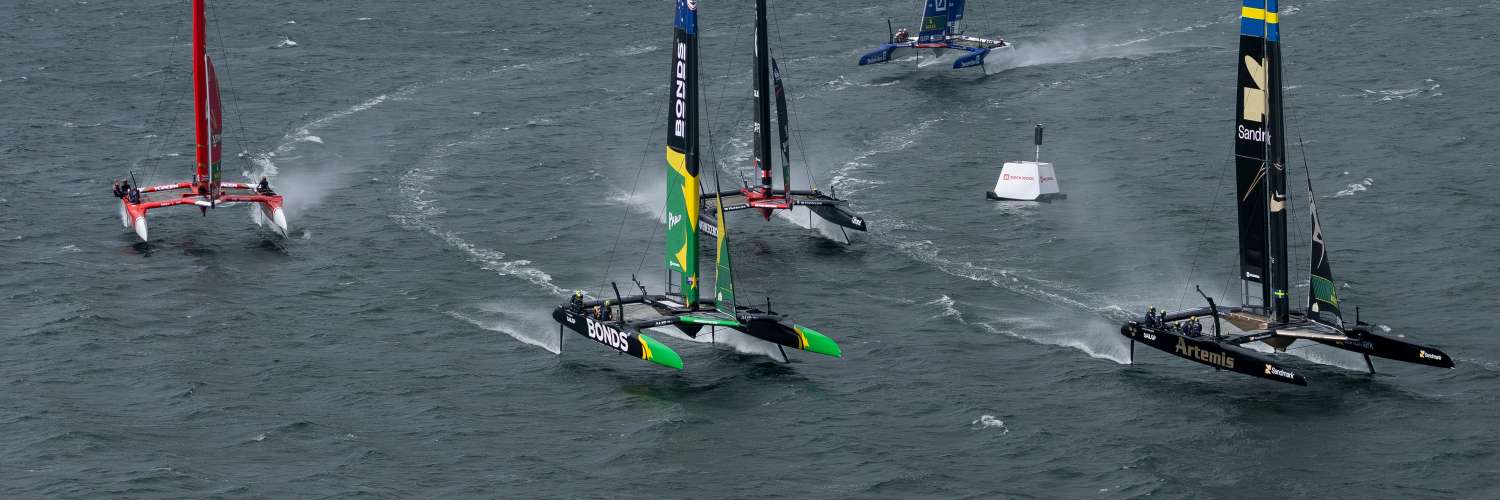
As season six of SailGP moves towards the sharp end, there are clearly teams having seasons they will be proud of. They have improved on where they were 12 months ago, won events, made podiums and put themselves into the fight for the Grand Final.
Conversely, there are teams that have stood still or regressed. They will not be meeting their targets and expectations, and the uncomfortable conversations about why that has happened will already be taking place.
That leaves team CEOs and owners with one of the biggest decisions in professional sport. Do you trust the athletes and coaching staff you currently have, believing that more time together will eventually deliver the performance? Or do you dive into the transfer market and look for somebody who can change the level of the team immediately?
Do you stick, or do you twist?
The domino effect
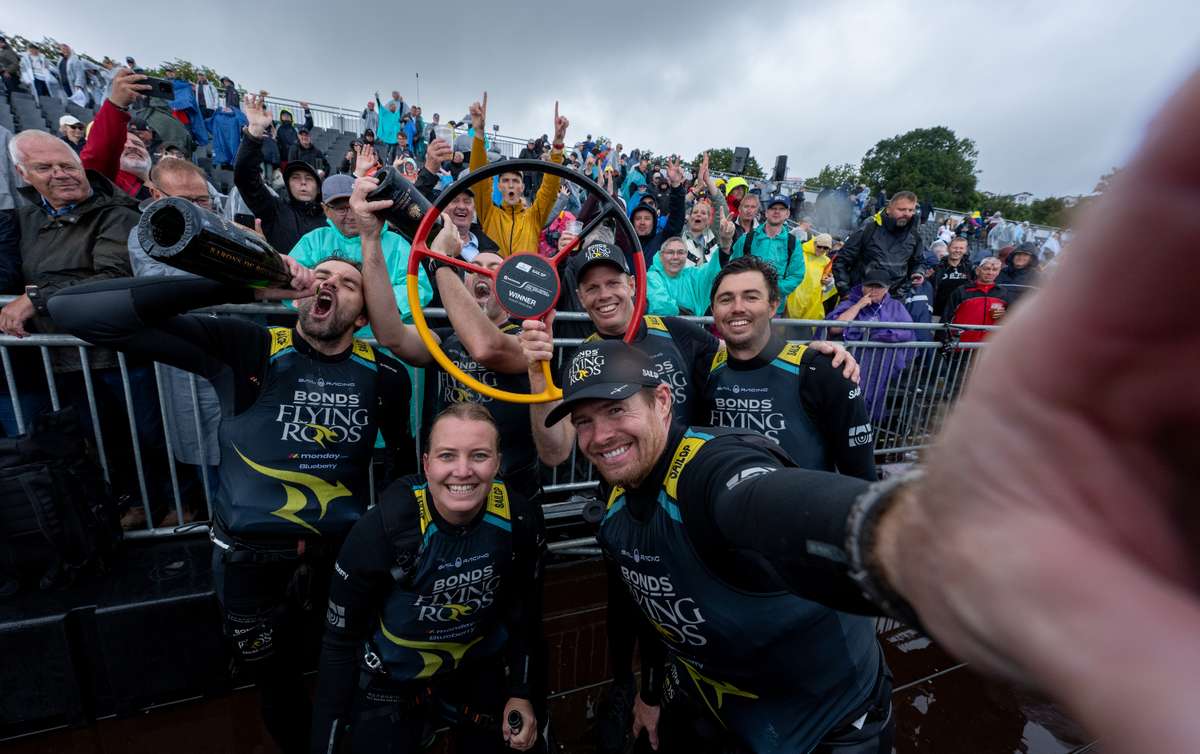
We saw during the last off-season how one transfer can create a domino effect across the entire fleet. The arrival of Artemis opened another set of positions within SailGP, with Chris Draper leaving the Bonds Flying Roos to join the new Swedish outfit. It allowed Draper to start building racing relationships with several of his Emirates Team New Zealand team-mates under the Swedish flag, but it also created a very important vacancy onboard the Australian boat.
That vacancy was filled by Iain Jensen, who moved from Emirates GBR into the wing-trimmer position alongside Tom Slingsby. With the benefit of hindsight, that might prove to be the transfer of the season.
In my opinion, Jensen is currently the best sailor in SailGP. He joined an Australian team that was already operating at a top-tier level and somehow helped raise it again to a standard the rest of the fleet has struggled to match. The Flying Roos have won five of the opening nine events this season, and while you can never put that level of improvement down to one athlete, I believe Jensen’s arrival has played a huge part in it.
He has fitted into an already talented and highly experienced squad, but he has also added something. Whether that is his communication, his understanding of the F50, his relationship with Slingsby or simply the consistency with which he performs his role, the Australian boat now looks incredibly complete.
That is the attraction of the transfer market. Find the right person and you can change the level of the entire group.
Signing on the dotted line
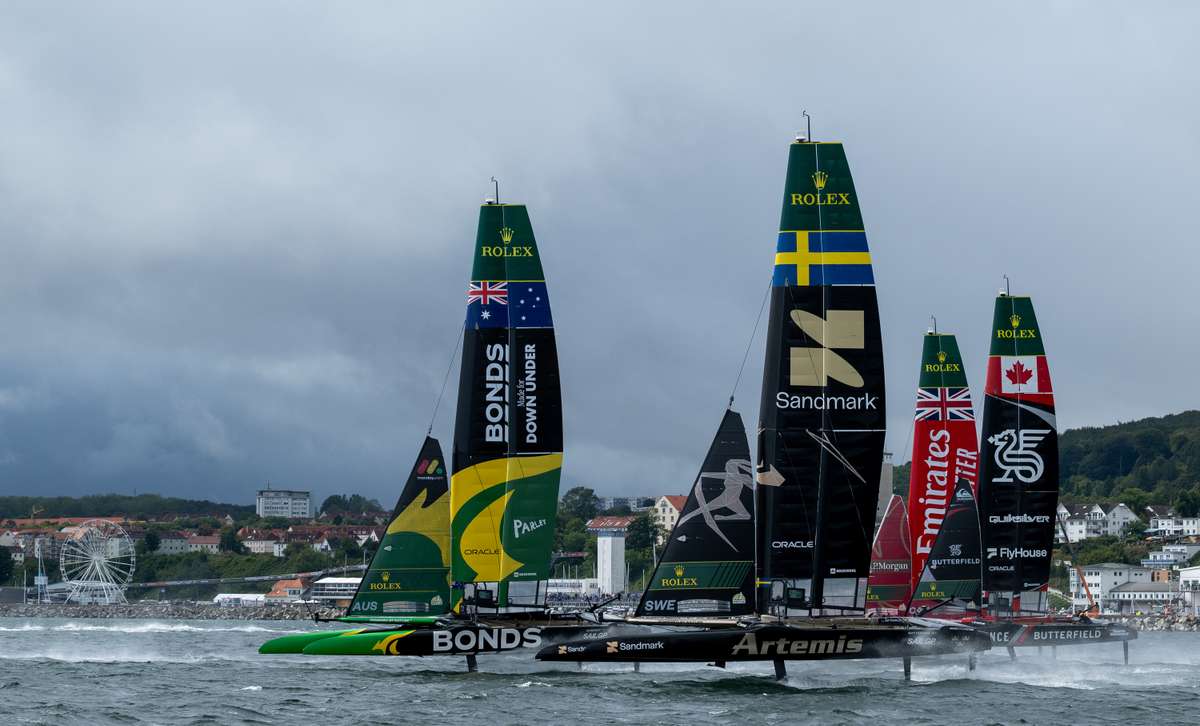
SailGP’s most recent off-season saw around 20 significant athlete moves and new signings across the league. With only 13 teams and relatively small sailing squads, that represents a substantial reshuffling of the available talent. It also shows that SailGP’s transfer market is starting to feel like a proper part of the sport.
The Athlete Transfer Framework is essentially SailGP putting some formal structure around how sailors move between teams. We are obviously not talking about Premier League numbers, but the principle is becoming increasingly similar. Athletes are contracted to teams, there are defined periods in which movement can happen, and teams now have far more ability to protect the talent they have identified, developed and invested in.
If another team wants one of those sailors, their contractual position matters.
That is a significant change for professional sailing. For years, sailors have effectively been guns for hire. You finished one campaign, picked up the phone, spoke to another team and moved on to the next job. There was very little long-term protection for either the sailor or the team, because so much of the sport was built around campaigns with a defined finishing date.
SailGP is slowly moving away from that model towards something much more recognisable as a professional sports league. The teams are becoming long-term sporting franchises, and that means their athlete rosters have genuine value.
Finding young talent, developing it, getting those sailors under contract and then retaining your best people becomes part of building a successful team. It is no longer simply about selecting the best available group for the next regatta. You have to think about what your squad might look like in two, five or even ten years.
Taking a leaf from football
The really interesting question is where this goes next. Could we eventually reach a point where one SailGP team pays another a meaningful transfer fee for a world-class driver, flight controller or wing trimmer? Could identifying and developing the next generation of SailGP athletes become a genuine financial asset for a team?
That would have sounded slightly ridiculous a few years ago. Now it really doesn’t.
SailGP wants to become a genuine global sports league, and if that is where it is going, a proper transfer market – where the best athletes have real sporting and financial value – feels like another inevitable step along the way.
I have probably got my transfer head on because the European football window has only days remaining and the numbers involved are mind-blowing. At the time of writing, there have been 1109 completed transfers across Europe’s five biggest leagues, accounting for around £4.9 billion in transfer value.
The fundamental questions SailGP teams are now asking themselves mirror what happens at football clubs. If you are sitting in the bottom half of the SailGP championship and have not yet made an event podium, how are you going to change that?
Are you going to enter the transfer market, or are you going to trust the process?
The internal rotation option
Changing one of the six athletes onboard does not necessarily mean trying to take an established SailGP sailor from another team. That is only one option available to an underperforming programme.
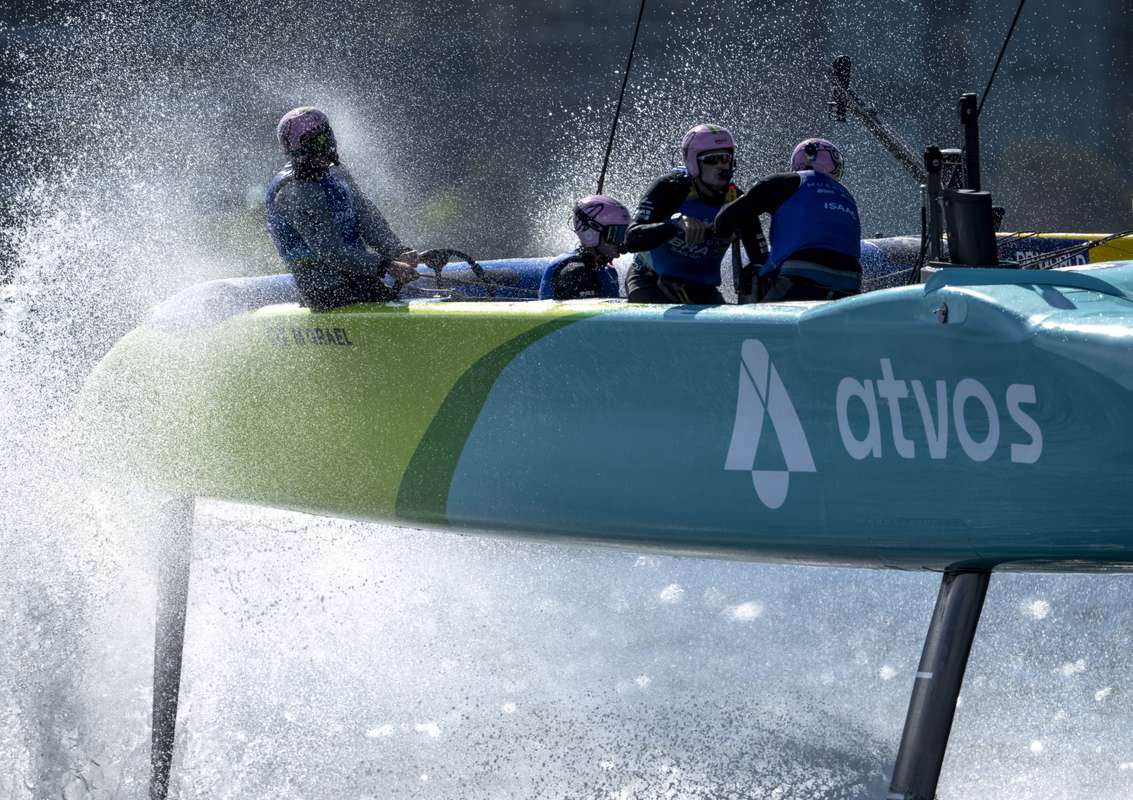
You could rotate people within your existing squad and change positions onboard, as we saw from Brazil in Halifax. Sometimes the talent is already there, but the combination or distribution of roles is not quite right. Moving an athlete into a different position can alter the communication onboard, improve decision-making or simply allow somebody’s natural strengths to have a greater influence on the boat.
You could also promote one of your reserve sailors. The lower-ranked teams are receiving additional training time, and those extra days could reveal an athlete already sitting inside the programme who deserves an opportunity. When you are struggling for results, introducing somebody hungry and determined to prove themselves can shake up the entire group.
The answer might not be changing an athlete at all. It could be changing the coaching structure, the training programme or the way the team prepares for each event. The performance gap might be technical, tactical or caused by a simple lack of time sailing together.
The America’s Cup talent feed
The final option is to look outside the existing SailGP fraternity.
There are several sailors racing AC40s in the America’s Cup world who looked extremely impressive in Cagliari and will be back on stage in Naples in a few weeks. They already understand high-speed foiling, complex onboard systems and the communication required to race these boats properly. They might not have raced an F50, but the transition is nowhere near as large as it once would have been.
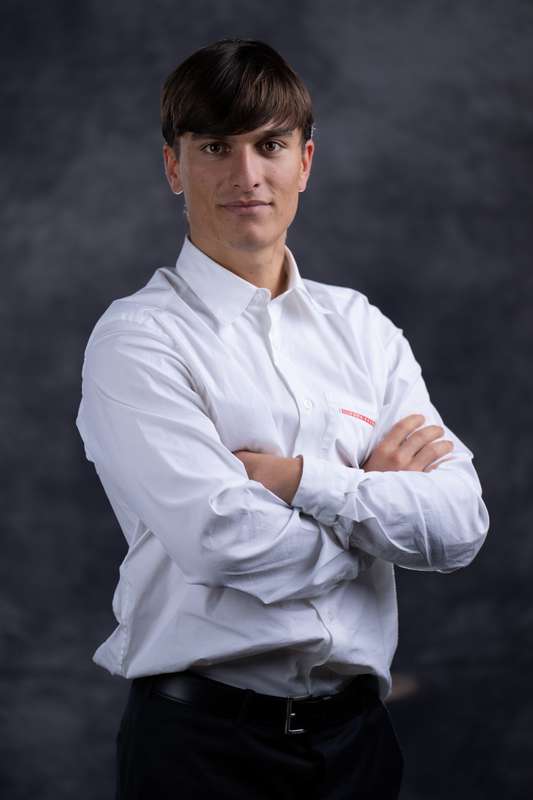
If I were running recruitment for a SailGP team, two names from outside the current athlete pool would be right at the top of my list: Marco Gradoni and Margherita Porro.
Gradoni is arguably the standout young sailor of his generation. He became the first sailor to win three consecutive Optimist World Championships, was named World Sailor of the Year at just 15 and then led Luna Rossa to victory in the 2024 Youth America’s Cup.
More importantly for a SailGP team looking at him today, he is becoming increasingly integrated into Luna Rossa’s senior programme. He is gaining serious AC40 time alongside and against sailors such as Peter Burling and double Olympic champion Ruggero Tita. That is an extraordinary environment in which to learn, and every hour he spends there is adding to his value.
Gradoni has the results, the age, the foiling experience and an enormous ceiling. In transfer-market language, he is not simply somebody who might improve your team today. He is somebody around whom you could potentially build a team for the next decade.
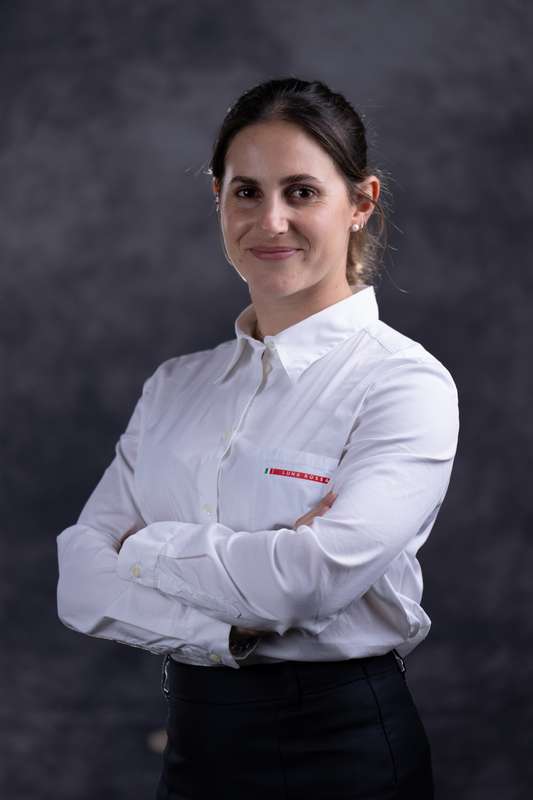
Porro could be just as valuable. A multiple youth world champion, she progressed through the 29er, WASZP and Nacra 17 before joining Luna Rossa. She was co-helm when the Italians won the inaugural Women’s America’s Cup in Barcelona in 2024, and since then Luna Rossa have continued to invest heavily in her development.
She is receiving significant time driving the AC40 ahead of Naples and already has experience winning under pressure on the America’s Cup stage. She is young, technically experienced and comfortable in high-speed foiling boats. Most importantly, she has already shown that she can deliver when the result really matters.
As SailGP teams increasingly look for young athletes who can be developed into major roles within a squad, Porro ticks an awful lot of boxes.
Gradoni and Porro would undoubtedly be two of the hottest young properties in a developing SailGP transfer market. The challenge for any team trying to recruit them would be convincing them that SailGP can offer a pathway as attractive as the one they already have inside Luna Rossa.
Trusting the process
But do you need a major new signing, or do you trust the people you already have? The perfect example is the United States SailGP Team.
After a woeful season five in which they finished last, the message coming from Mike Buckley, Taylor Canfield and the rest of the group was always consistent: we trust the roster, we believe in the direction we are taking and we will get there.
Not many people believed them. Now we are all eating our hats.
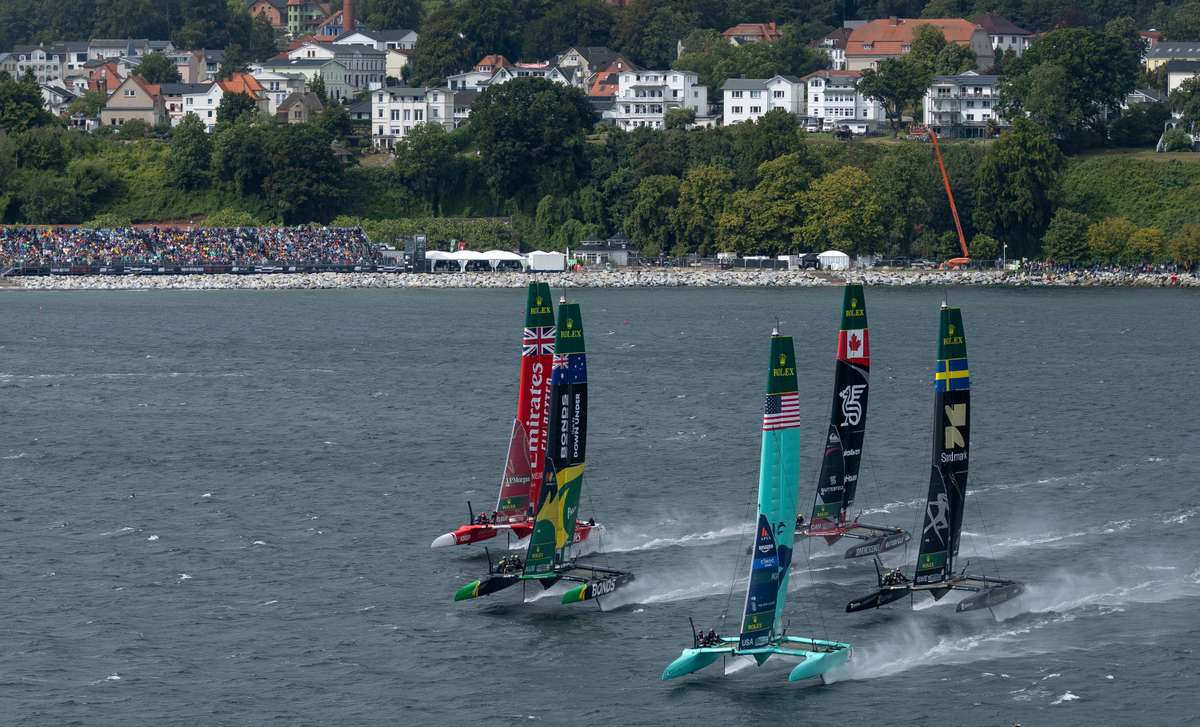
The USA are comfortably the most improved team in season six. They won their first SailGP event in Sydney and currently sit fifth overall, giving themselves a genuine opportunity to reach the three-boat Grand Final if they can finish the season strongly.
They did not panic. They did not tear the squad apart or go charging into the transfer market searching for a quick fix. They made small adjustments, kept working and became better as a unit.
That decision has paid dividends, and they deserve enormous respect for holding their nerve. It is easy to talk about trusting the process when things are going well. It is much harder to do it when you are finishing last and everybody outside the team is questioning whether the process is working.
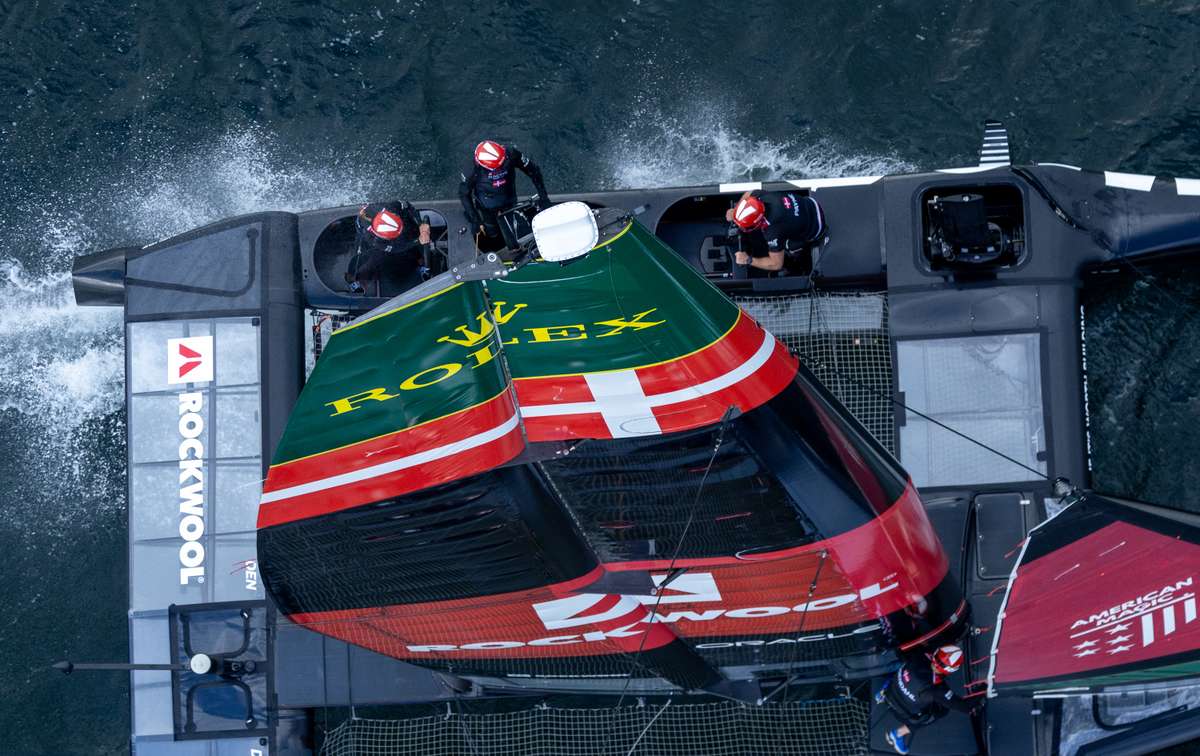
I believe Rockwool Racing are thinking along similar lines. They strongly believe in the quality of the athletes they have, but the issue is that they might not sail together often enough compared with the people they are racing against.
Many of their rivals also have America’s Cup roles and could be foiling for as many as 20 days a month. That time matters. The more hours you spend sailing high-speed foiling boats, the more natural the communication, timing and decision-making become.
The Danes appear ready to double down by entering other foiling championships outside SailGP. The aim is to increase their time on the water and build the racing relationships that only develop through proper repetitions as a crew.
You can analyse all the data you like, spend hours in the simulator and hold endless debriefs, but there is no complete replacement for sailing together. If the Danish team believe the athletes are good enough, then increasing their time racing foiling boats could be the change that unlocks the performance.
More repetitions should equal better performance when they return to the F50.
Every point counts
We are now entering a fascinating point in the calendar. The top seven teams are fully focused on making the Grand Final. Every start, every place gained and every championship point could prove decisive over the final four events.
For the teams in the bottom half of the table, however, the planning for Season Seven should already have started.
Do they need an established SailGP athlete who can immediately change the level of the boat? Could one of their reserves step into a bigger role? Is there an America’s Cup sailor outside the league capable of becoming the next major SailGP star? Or does the existing group simply need more time, better coaching and more opportunities to sail together?
There is no single correct answer.
The Flying Roos show what one outstanding signing can add to an already successful team. The United States show what can happen when an organisation refuses to panic and gives its existing group time to develop. Rockwool may now show whether increasing the number of racing repetitions can transform an established squad without changing the personnel.
The teams at the bottom of the championship cannot stand still. But changing the performance does not always mean changing the people.
That is the decision now facing them. Stick – or twist?
Topics
Articles You Might Be Interested in

Freddie Carr: Why Pensacola could change SailGP for good
Emirates GBR and Team 14 claim first slots on SailGP’s Pensacola training F50

SailGP’s year-round training base is about to open for business

American Express secures title rights to SailGP's Hong Kong opener
The RC44: how Russell Coutts hit a winning formula

The Foil Debrief: Five more knots and Geneva would be the best event on the circuit
Los Gallos snatch Geneva from the Flying Roos

Five races, five winners on day one of SailGP's Geneva drift




Member Discussion