
F1's special projects crackdown, and what it means for sailing

The America’s Cup has always been a design race first. From now on, it’ll be won without an F1 team on speed dial.
For the best part of five years, some of Formula 1’s brightest engineers have had a side gig on the water. But from 2027, that door is all but shut.
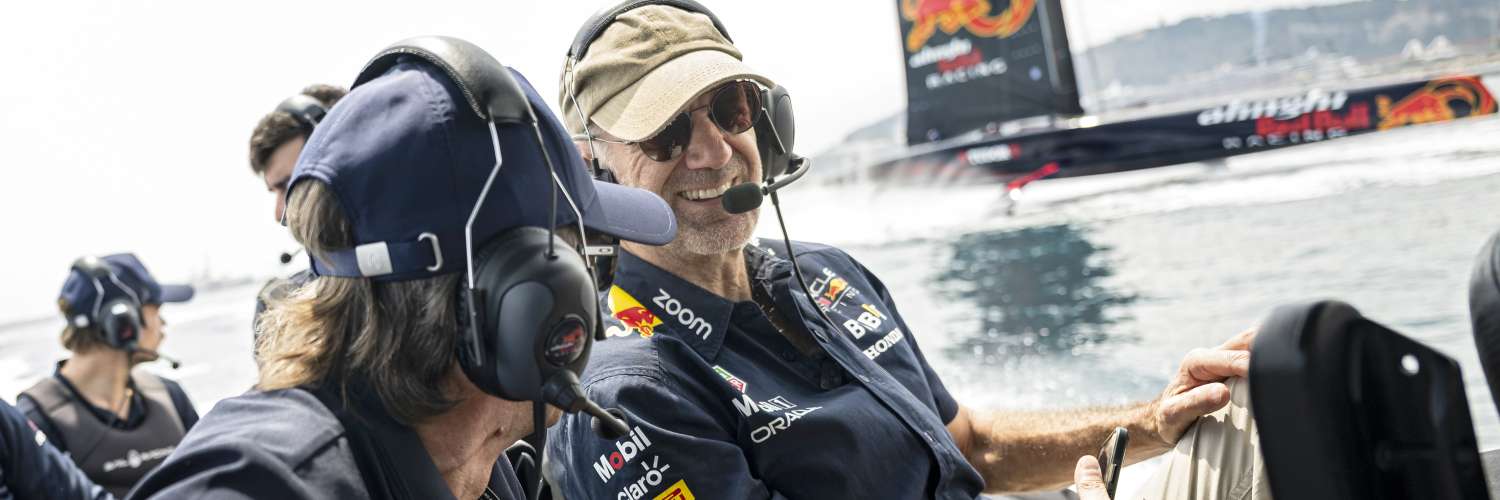
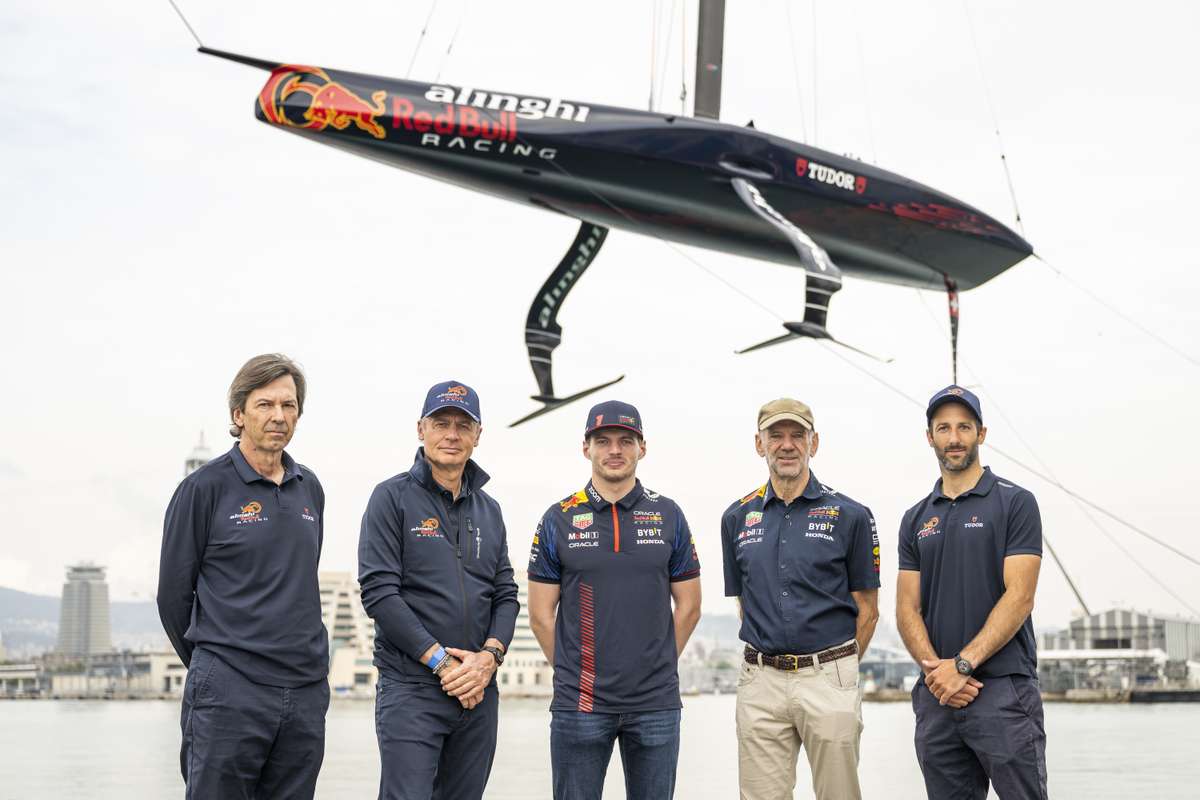
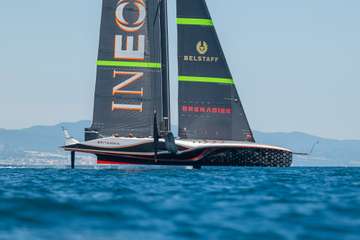
Last month the FIA’s World Motor Sport Council approved a package of rules aimed squarely at the special projects divisions F1 teams have leaned on since the cost cap arrived in 2021. That means the likes of Mercedes Applied Science and Red Bull Advanced Technologies, which poured F1 know-how into Ineos Britannia and Alinghi Red Bull Racing at the last America’s Cup.
Separate desks, separate servers
The measures are uncompromising. F1 and non-F1 staff can no longer share offices or work in communal areas. They can still share a canteen, so long as there's no work chat. Wind tunnels, simulators and dynos become restricted areas the two groups can’t use at the same time, with electronic access logs kept for FIA inspection, and IT systems must be completely walled off.
Moving between the two sides slows down too. Anyone joining the F1 side from special projects faces a three-month cooling-off period. Staff going the other way need new contracts and IT access, plus a 12-month commitment to non-F1 work. Knowledge can trickle out of the F1 team, but not back in.
It’s the latest in a series of clampdowns, after a 2023 directive on intellectual property and a later move to stop teams counting only a sliver of an engineer’s salary against the cap.
Sailing got there first
We dug into all of this on our latest video, a collaboration with The Race’s F1 correspondent Jon Noble, alongside The Foil’s Freddie Carr – a six-time America’s Cup sailor – and host and motorsport aficionado Neil Cole.
What stands out is how much of the sailing story has already played out. Mercedes called time on its sailing plans at the start of this year to focus on F1. Red Bull has also parted ways with Alinghi, which now races as Tudor Team Alinghi. Heading into AC38 in Naples, no F1 team is publicly attached to a Cup campaign.
Budgets were always going to be a factor too. The Cup now has its own cost cap – €75m per team this cycle, with refinements due for AC39 – and F1-grade consultancy doesn’t come cheap.
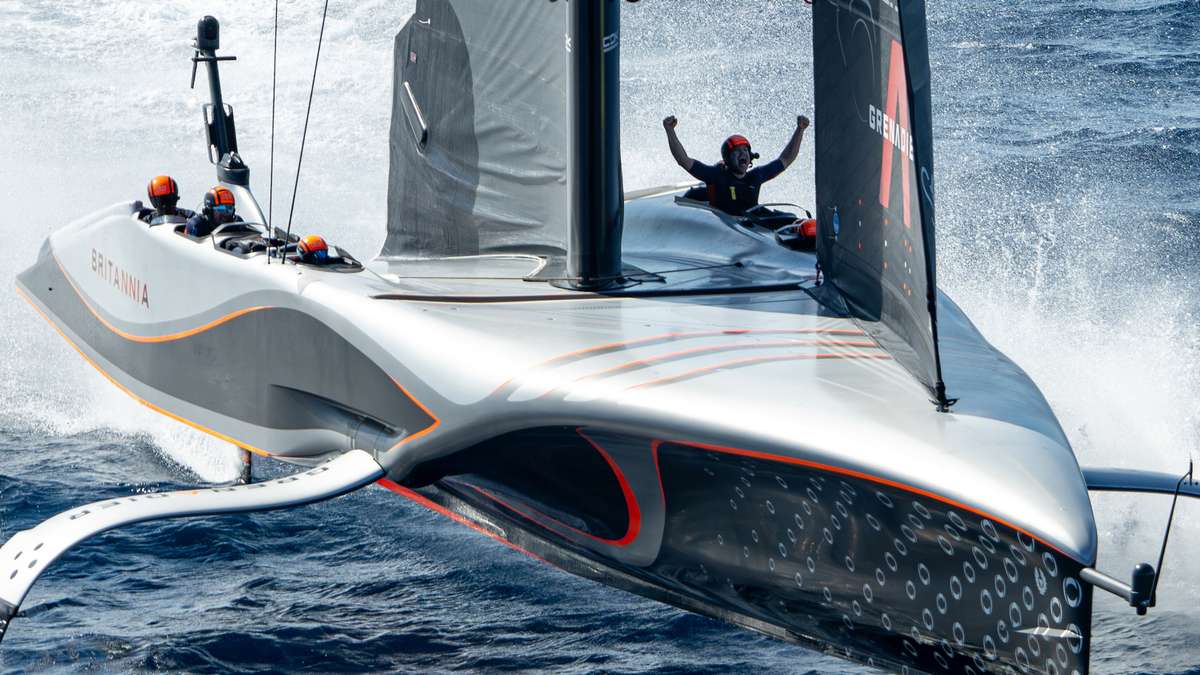
F1 did leave its mark, though not always neatly. Ineos Britannia’s T6 test boat, fitted out at Brackley, was a hugely complex machine that arrived late. Yet the lessons from it fed into a race boat that took Britain to its first America’s Cup Match since 1964. The simulator-heavy approach F1 brought to Cup design and training isn’t going anywhere either.
Ferrari’s different route
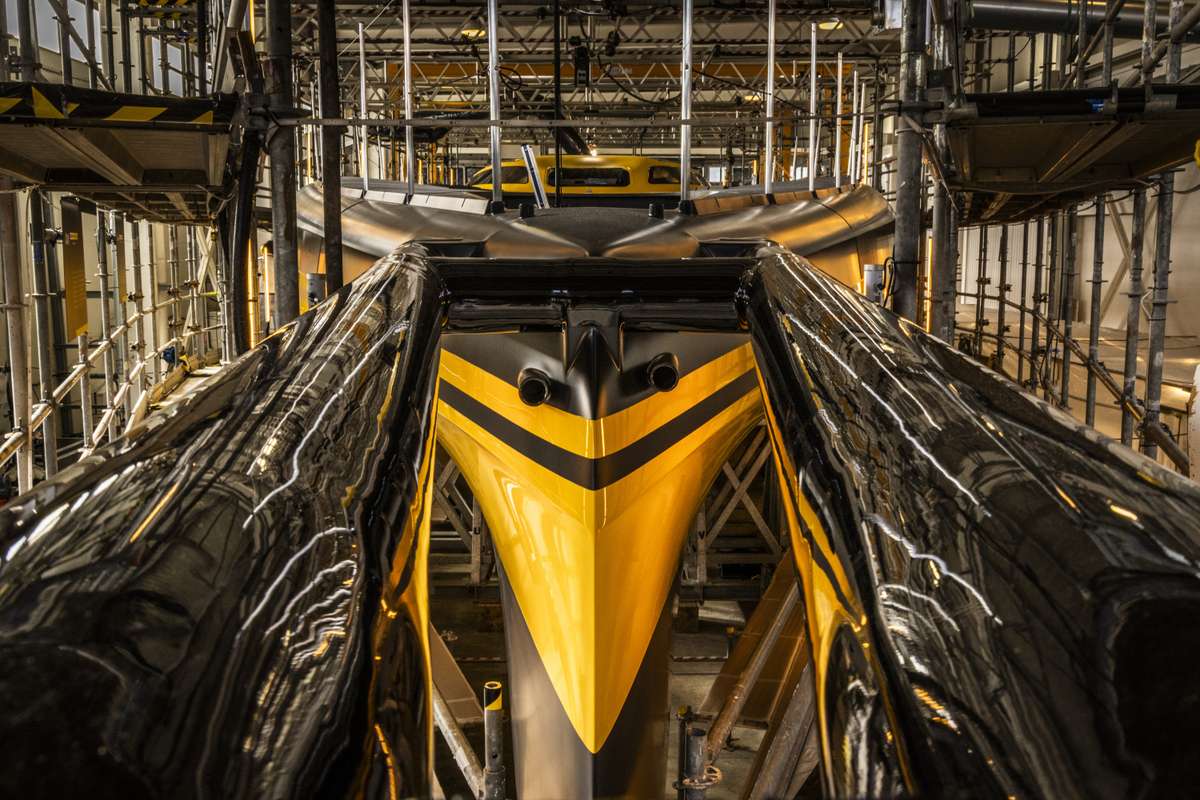
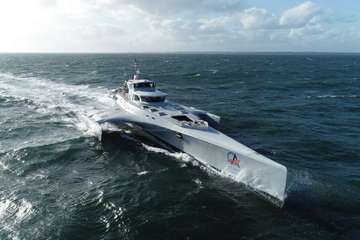
Then there’s Hypersail. Ferrari has insisted from day one that the Scuderia has nothing to do with its 100ft flying monohull. Instead, the technology comes from its road-car and hypercar engineers: a flight-control system developed from its car know-how, electrical systems borrowed from its road cars, and a patent count now past 20. Ferrari pitches it as a two-way street, with the boat feeding ideas back into its cars.
On paper, that keeps Hypersail on the right side of the new rules. With sea trials expected early in 2027, it could become the most visible example of car-world engineering at sea just as the F1 route closes.
Where the brains go next
No regulation can police a conversation over a pint, and nobody on our panel expects the cross-pollination to stop entirely. But the days of an aerodynamicist splitting a week between a car and a boat are done.
That needn’t be bad news for sailing. Britain’s motorsport heartland is packed with engineering firms that sit outside F1 – Prodrive’s control-systems work for Land Rover BAR in 2017 is a good example – and they remain very much open for business.
And with F1 pay squeezed by its own cap, some of the sport’s brightest young engineers may start eyeing the water for their next challenge.
Articles You Might Be Interested in
How do you pick World Sailor of the Year in a sport this diverse?

Freddie Carr: The SSL Gold Cup could be the shake-up Olympic sailing needs
The week in racing - 9 Nov ’26
From the archives: the 2002 Route du Rhum, as it happened
Winning the day after tomorrow: inside the house of Gitana (Pt. 6/6)
The sweeper of the Atlantic
Things that go bump in the night: Gitana 18 skipper Caudrelier on risk at 40 knots (Pt. 5/6)



Member Discussion