
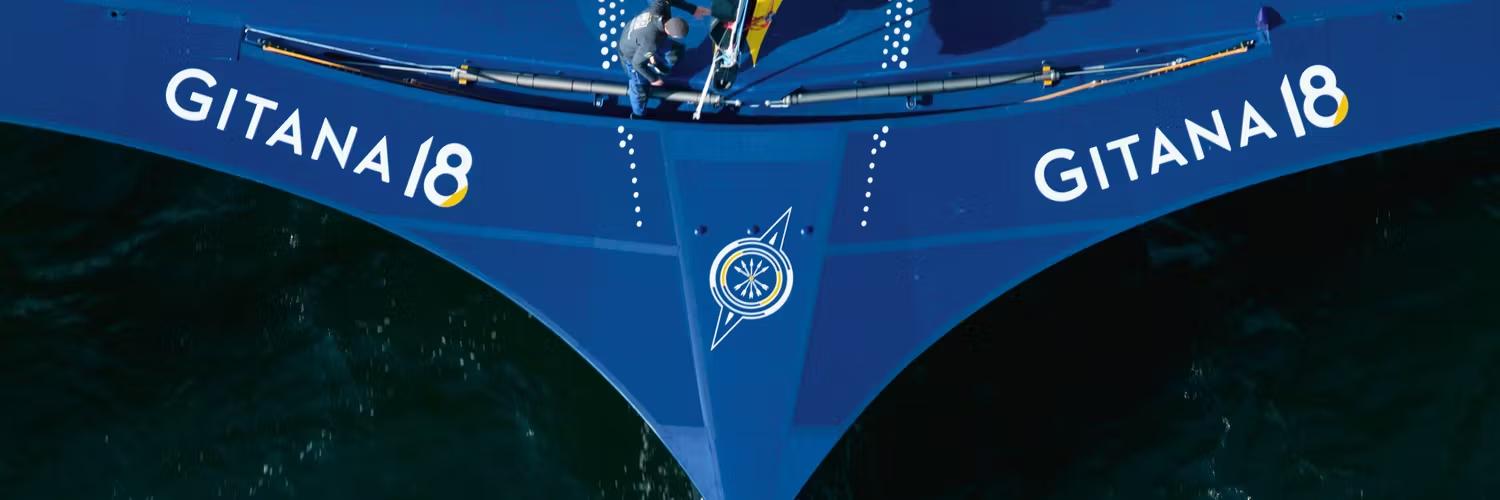
Winning the day after tomorrow: inside the house of Gitana (Pt. 6/6)

Charles Caudrelier’s Route du Rhum title defence is in doubt. Early this morning, the new Maxi Edmond de Rothschild damaged its port foil north of the Azores. He’s safe, and the team is working out whether he can carry on.
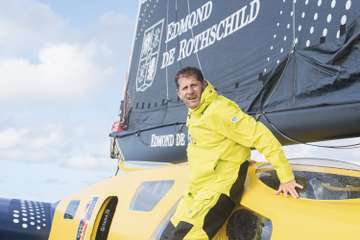
When we spent time with Gitana before the start, though, the conversation kept coming back to the long game. Most sailing teams think in four-year cycles. Gitana thinks in centuries. This year the Rothschild family’s maritime saga celebrates 150 years, and the new Maxi Edmond de Rothschild is the 28th boat to carry the name.
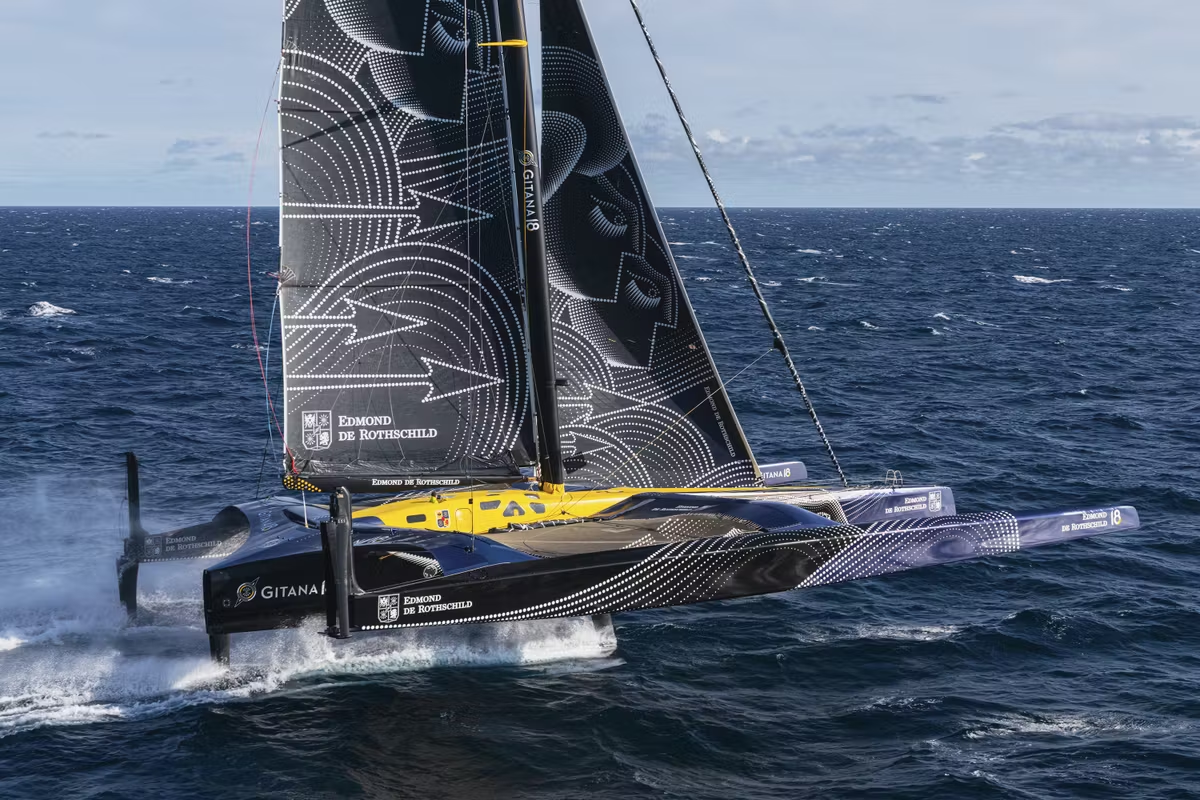
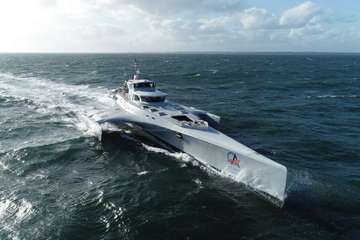
The name itself comes from the opera. Julie de Rothschild, Cyril Dardashti tells me, was so taken with Carmen and its gypsy heroine, la gitana, that she named her boat after it. The first Gitana was a steamboat on a lake. Today's is a 32-metre flying trimaran with 500 sensors and eight kilometres of electrical cable.
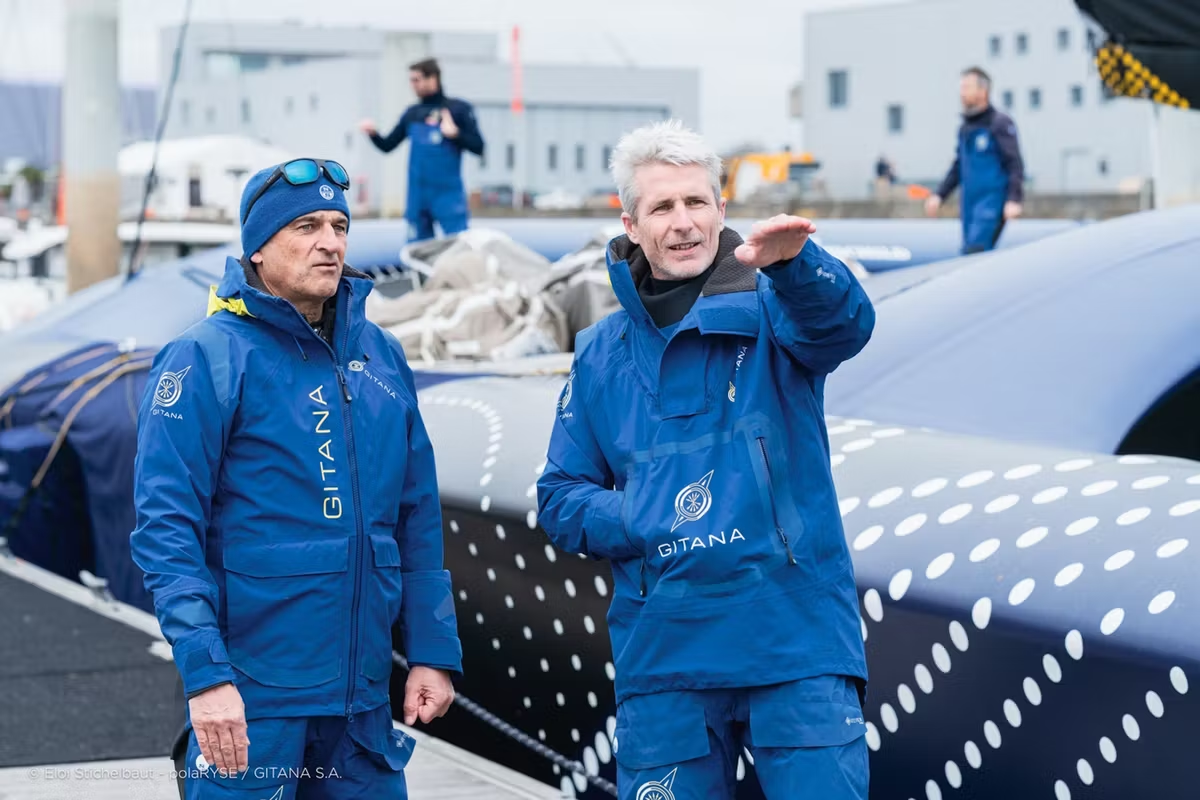
The windsurfer who runs the show
Dardashti has been the team boss since 2006. He's of Iranian origin, spent three years of his childhood there, and came to sailing through speed: windsurfing, to be precise. He campaigned for the 1992 Olympics but missed selection. Stéphane David got the French spot.
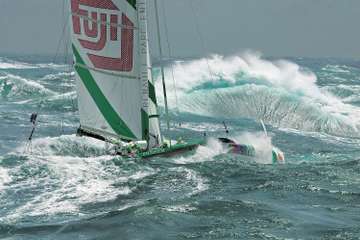
From there it was multihulls for Dardashti, including time on Fujifilm, before a phone call in 2005 asking him to come and organise the Gitana team. Now, 20 years on, he's still organising.
Building the future, not the next race
What sets Gitana apart, in Dardashti's view, is a willingness to look past the next start gun. The team could have built a boat that was just a fraction quicker than Gitana 17. It went much further.
"We try to build the future," he says. "That means if you don't win tomorrow, it's not a big deal; we know what we're building and that we will win the day after tomorrow."
He credits the family with that mindset: the daring to try things, to go beyond what's been done. And he sums up Gitana 18 neatly. "When you look at the platform like that, it looks like an evolution; but when you look at the appendages, I'd say it's a revolution."
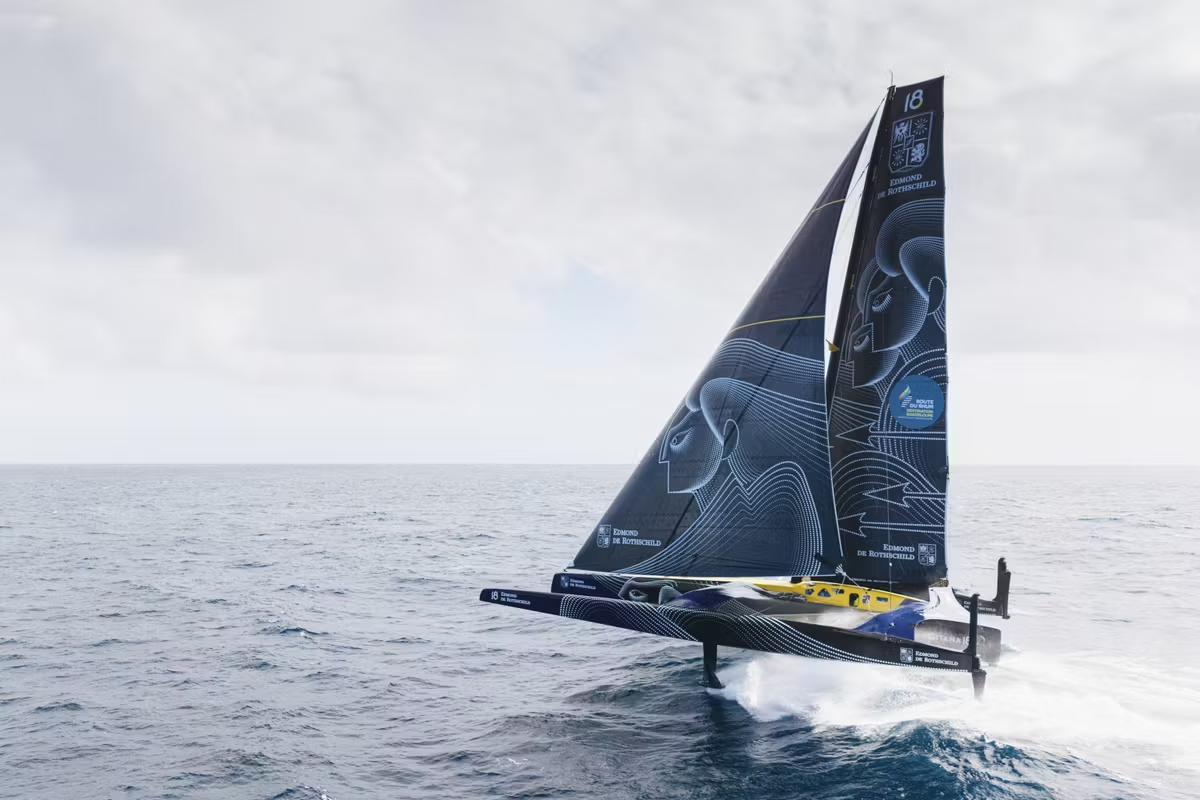
Those appendages are where the money has gone. Six of them in all, including foils that draw heavily on America's Cup thinking, with a 10.4-metre span and a 2.4-metre bulb**.** The float rudders are four metres tall, and there's a double-rudder set-up with new flaps.
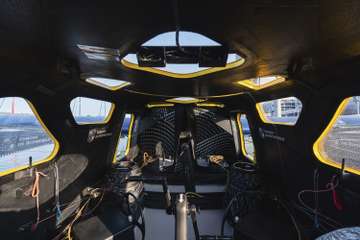
The headline numbers: 32 metres long, 23 metres wide, 19.5 tonnes. It carries 450 square metres of sail upwind and 630 downwind, with a rig height over 38 metres. Some 73 square metres of aerodynamic fairings smooth the airflow. The manoeuvring cockpit floor? Nine square metres, for one man to run the lot.
It's also a beautiful boat, and Dardashti insists that matters. The family has always cared about aesthetics. Look closely at the hulls and sails and you'll see the faces of Ariane de Rothschild and her four daughters. It's a statement, he says, about continuity, keeping the project alive from generation to generation.
A lonely sport, sailed by a crowd
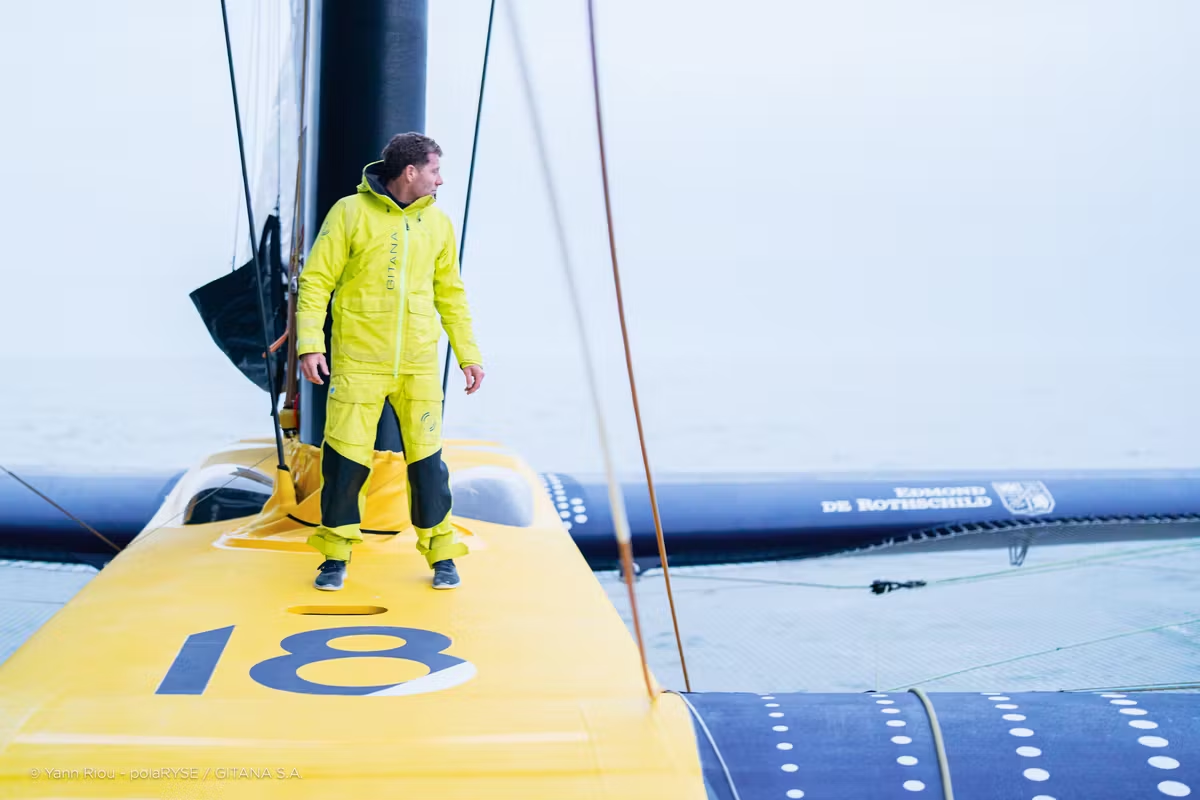
Charles Caudrelier is very clear that his success is a team product. He reaches, as ever, for Formula 1: even the best driver is nothing without the best car and the best team.
"My greatest strength is the team around me," he says. "We discovered foiling together, came through difficult times and progressed together." He describes a calm, discussion-led culture, quick reactions, and a huge amount of mutual trust.
He's also aware of the weight of it. "I probably have the most innovative boat of the five or six giant multihulls in existence worldwide," he says. "There are a lot of people behind it, investments made and expectations to meet. My job is to turn all that work into results on the racecourse."
Fear lives on shore
Dardashti has sailed on Gitana himself, including transatlantic deliveries with the crew. Out there, he says, fear doesn't really exist; you're too busy. It arrives when you're ashore watching the numbers, knowing your skipper is alone.
The worst moment is a phone call that drops out in the middle of a crisis. "It's like a mother: you want them to go, but at the same time, you're terrified something might happen to them," he says. The shore team's answer is to channel the worry into solutions; that's what's asked of them.
On Tuesday morning, that's exactly what they were asked to do. Caudrelier's call came in just before 5am, and the shore team has been helping him secure the foil and work out how bad the damage is.
Win, or do it well
So what counts as success in a boat's first race? Before the start, Dardashti believed they had the capacity to win. However, a good Rhum, executed in a way the team is proud of, would still bring satisfaction. "But obviously, if we don't win, there will certainly be disappointment."
There's a longer horizon, too. Caudrelier is 52, and Dardashti knows the partnership won't last forever. Finding a successor, and passing on Caudrelier's knowledge, is "tomorrow's challenge for the whole team". Caudrelier, he says, wants that too.
For now, Gitana's focus is much more immediate: how badly the foil is damaged, and whether Caudrelier can keep racing to Guadeloupe. If it costs them this race, Dardashti has already told us how the team will see it: not winning tomorrow isn't a big deal when you're building for the day after.
Topics
Articles You Might Be Interested in
Gitana 18 hit by foil damage in Route du Rhum
The week in racing - 2 Nov ’26
Who’s hurting and who’s leading 24 hours into the Route du Rhum
The sweeper of the Atlantic
Things that go bump in the night: Gitana 18 skipper Caudrelier on risk at 40 knots (Pt. 5/6)
How Gitana 18’s skipper learned to sleep (Pt. 4/6)
Loïck Peyron on the night Fujifilm fell apart



Member Discussion