
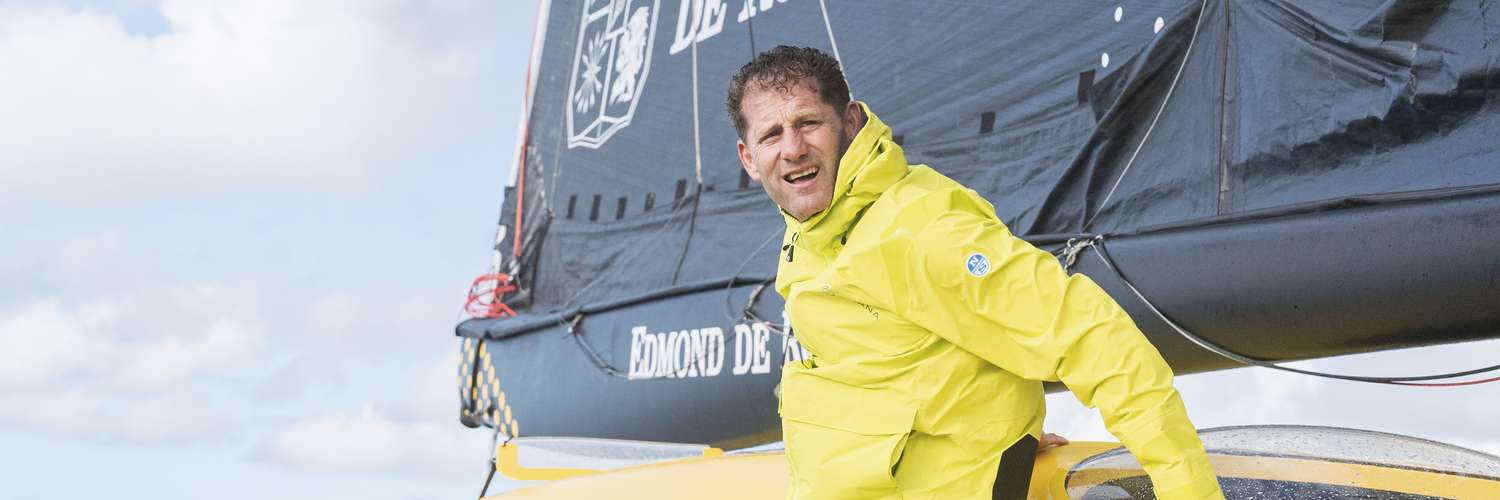
Why Gitana 18 is in the hands of a Figaro man, not an Olympian (Pt. 3/6)

I'm 58. Charles Caudrelier is 52. So naturally I opened with a question I've been dying to put to somebody who sails giant trimarans single-handed for a living. Isn't getting older an advantage? I seem to need less sleep these days. Surely that's a superpower for a solo sailor?
Caudrelier let me down gently. "I don't think there's a benefit, except that you have more experience."
Then came the best line of the morning. "When I was younger and people said, 'I have more experience than you,' I always said, 'Experience is the science of stupid guys.' But I've changed my mind now," he added with a wry laugh.
Too strong, too confident
The younger Caudrelier, by his own account, was a bit of a bulldozer. Strong, sure of himself, convinced he didn't need much sleep, happy to leave manoeuvres until the last possible moment.
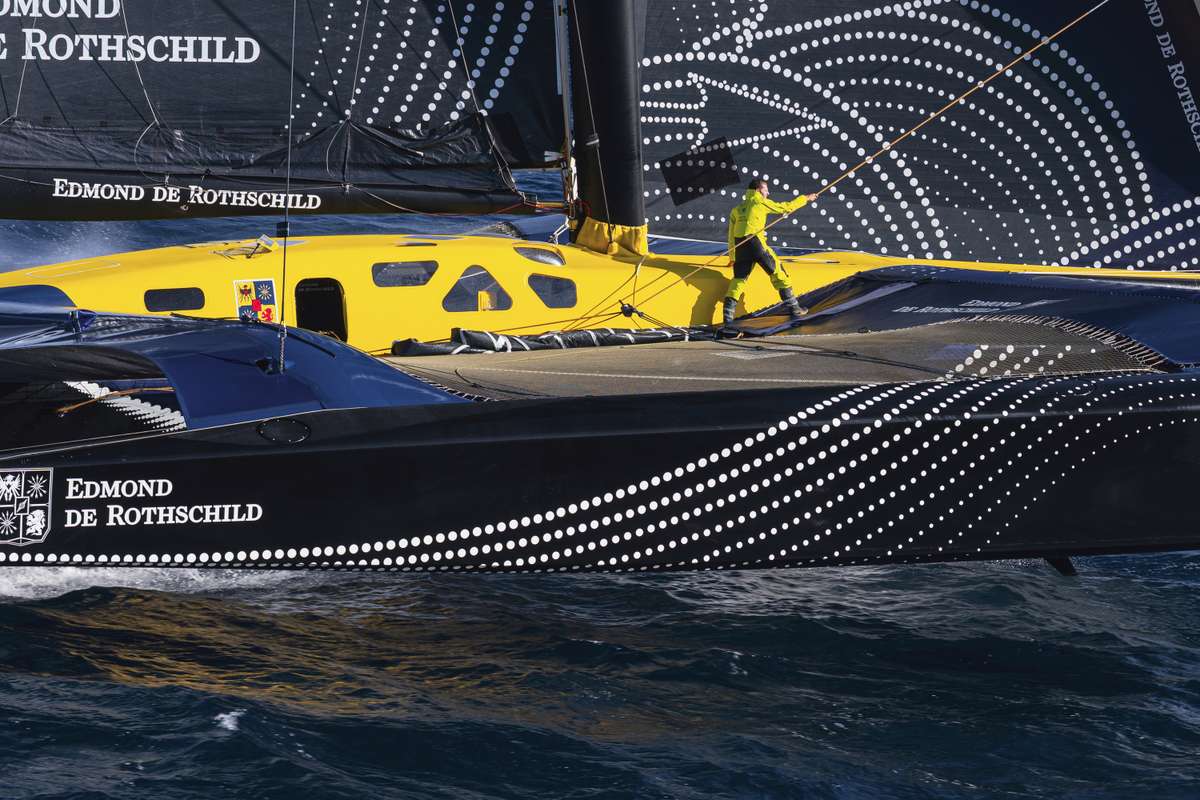
The Ultims cured him of that. On a 32-metre boat with a 38-metre mast, sailed by one person, the timing of a sail change is everything, and youth isn't necessarily on your side. "Even if you're 25, if you do a sail change too early or too late you're going to lose lots of time," he says. "Too late, you'll make a mistake and probably break something. Too early, the wind can come back and you have to change again."
His role models these days are the old foxes. "You see very smart guys like Loïck Peyron or Jean Le Cam. People say they're too old, but they're so smart: they wait, and in the end they win races."
Keeping, not building
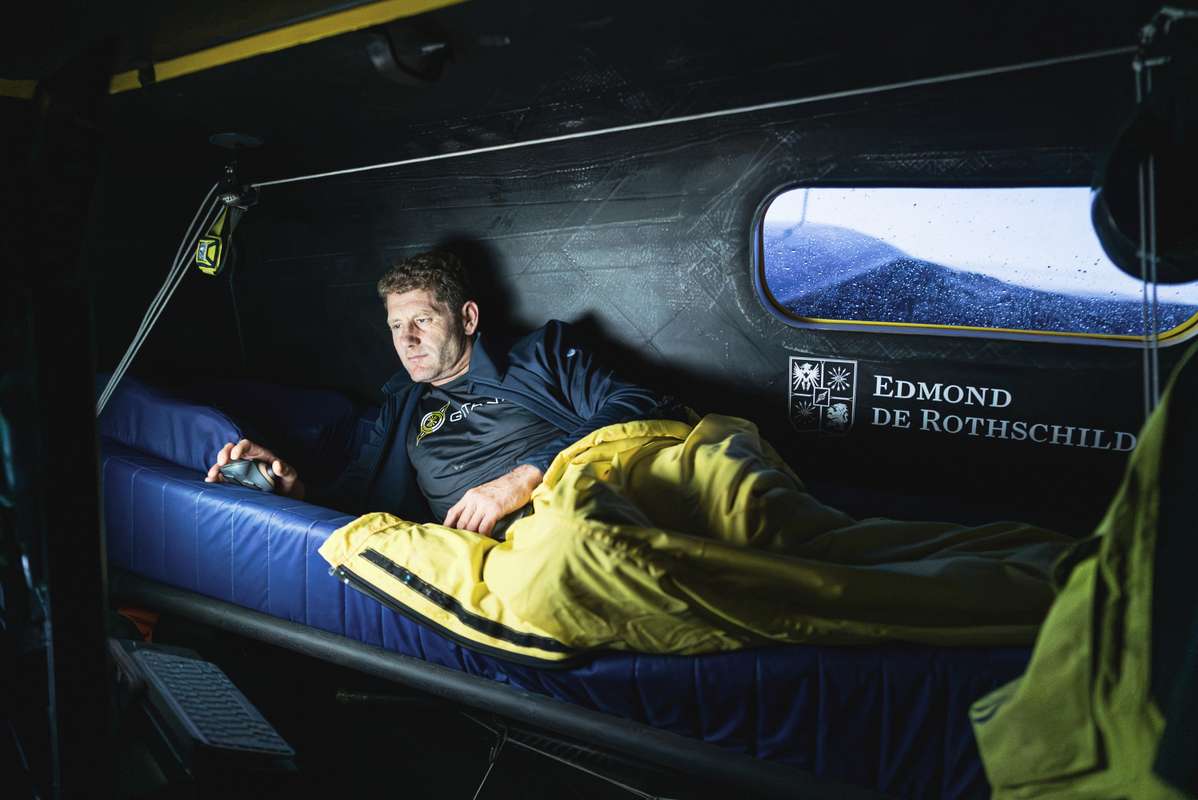
Caudrelier takes nothing for granted, however. Three mornings a week, 7.30 to 9.00, he's in the gym with the team and his coach. He doesn't enjoy it, but he learned on the Volvo how much difference proper strength work makes.
"Today I'm not building more muscle, I'm just trying to keep my muscle," he says. Skip a week at 52 and you go backwards, is the way he thinks of it.
The fun part comes after. Caudrelier is mad about watersports, wing foiling above all. It's punishing on the legs and the cardio, but there's a sneakier benefit. "It's very good for developing my feel, because I don't have a dinghy or small boat sailing background," he says.
The tricky bit is knowing when to stop. Two or three sports a day used to be normal. "Now I realise I can't do that anymore. Sometimes I have to stop, because otherwise tomorrow I'll be finished."
So how does a man with no dinghy pedigree end up running the most advanced boat in the most glamorous team in French sailing? I put it to him that the big projects usually go to the small-boat hotshots: the Figaro winners and so on.
"But I won the Figaro!" he said.
Oops. 2004, Andrew. Look it up next time.
The best school in the world
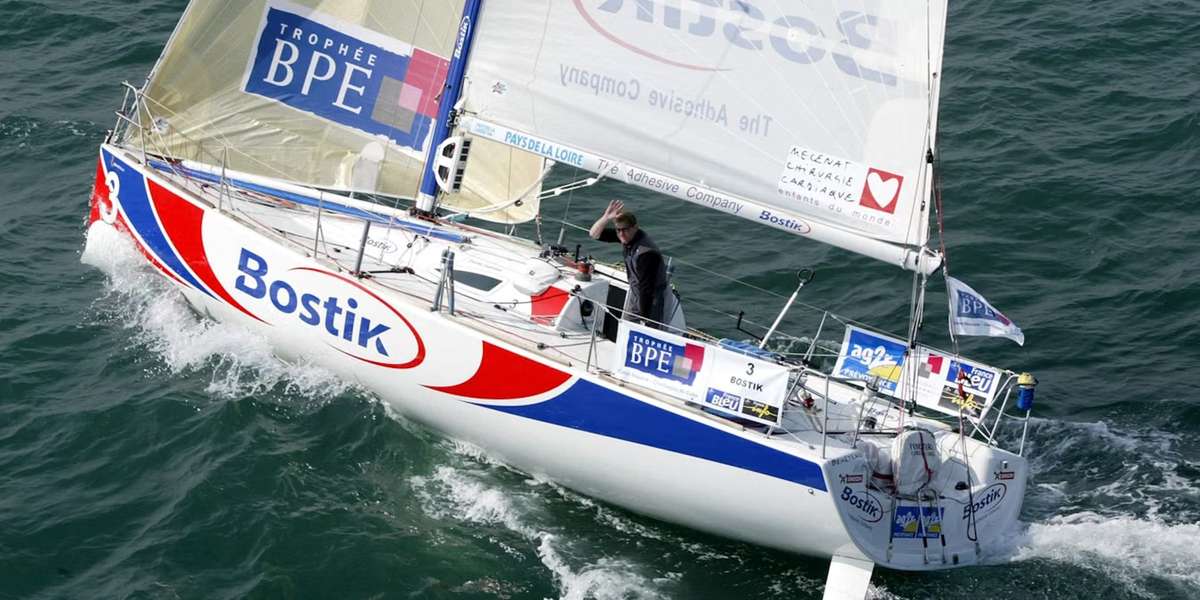
To be fair, I'd walked straight into his favourite subject. Caudrelier is evangelical about the Solitaire du Figaro, and his Volvo Ocean Race stories prove the power of his point. "When we were on the Volvo, we were fighting against guys with double gold medals, legends, much better than me in dinghies," he says. "But on my boat, no one came from dinghies. All these guys were Figaro winners or Figaro specialists."
The Anglo-Saxon crews were baffled. "Who are these guys? We've never seen them at the Olympics." And at first they weren't worried. "But in the end we were the fastest boat, with only guys from the Figaro."
Why? Because Figaro sailors can trim, they understand strategy, they're used to doing every job on the boat, and they've spent hours on the helm. "You have 50 boats on the water, so every metre counts, every detail counts," he says. "It's the best school for a guy without an Olympic background like me."
Pacing, not sprinting
There's another lesson the Figaro teaches that an Olympic campaign doesn't. An Olympic race lasts 20 minutes to an hour, flat out. A Figaro leg runs 24 hours a day for days on end, and you simply can't be at 100% the whole way.
"You have to learn how to pace yourself," Caudrelier says. "It's also the best way to learn to manage your sleep, because you push to the limit. Sometimes we helm 20 hours a day."
And that's how a Figaro sailor learns, the hard way, what happens when you run out of sleep. Which is a story for the next instalment, which happens to involve a horse in a forest...
Topics
Articles You Might Be Interested in
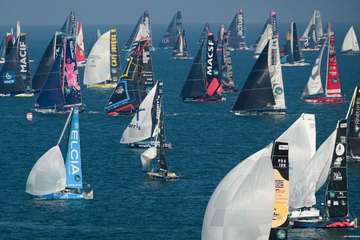
Who’s hurting and who’s leading 24 hours into the Route du Rhum
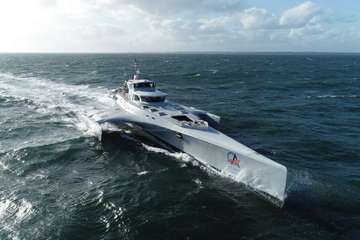
The sweeper of the Atlantic
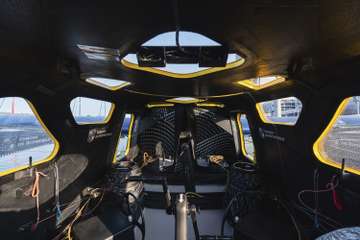
Things that go bump in the night: Gitana 18 skipper Caudrelier on risk at 40 knots (Pt. 5/6)
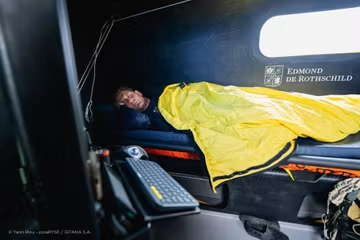
How Gitana 18’s skipper learned to sleep (Pt. 4/6)
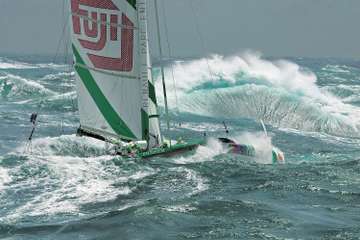
Loïck Peyron on the night Fujifilm fell apart
Route du Rhum runners and riders: Vintage Mono
From Tabarly to Gitana 18: why France goes mad for solo sailing (Pt. 2/6)



Member Discussion