
The Route du Rhum is France's space race

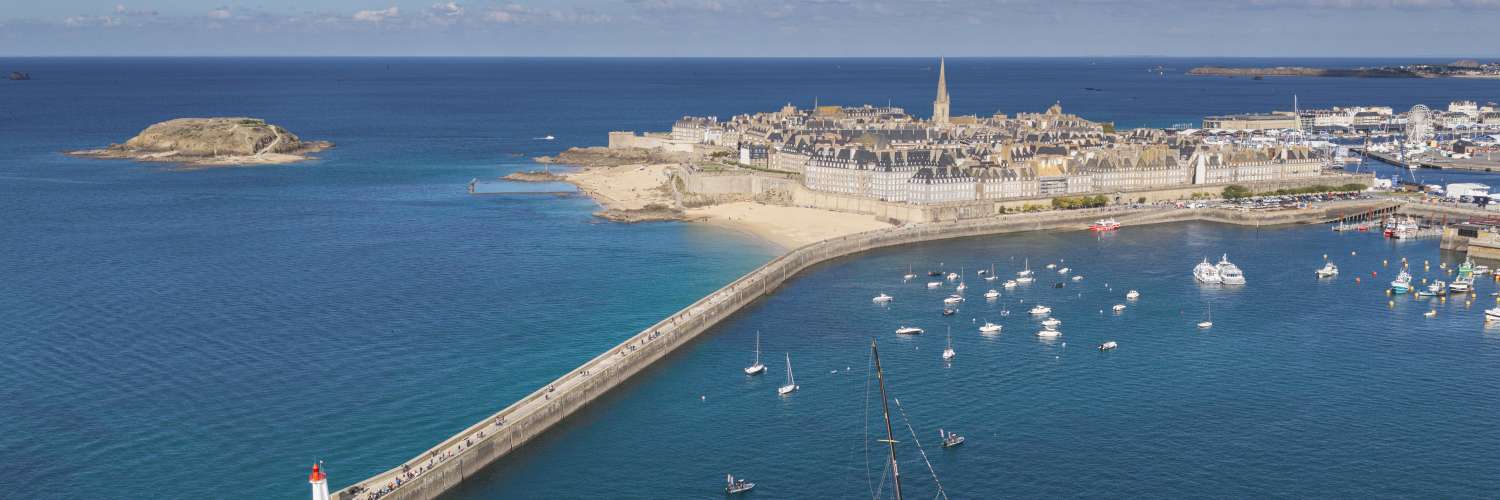
On Sunday, 115 solo sailors leave Saint-Malo for Guadeloupe. In France it will lead the news. In Britain you would struggle to find a paragraph about it unless something goes badly wrong.
To understand why, I turned to Marcus Hutchinson. The Irishman has lived inside French offshore racing since the early 1990s, as a Figaro skipper, IMOCA team manager, head of the Artemis Offshore Academy and now vice-president of the Figaro class. His explanation starts with an awkward truth for British readers: we invented this game, and then the French took it off us.
France's space race
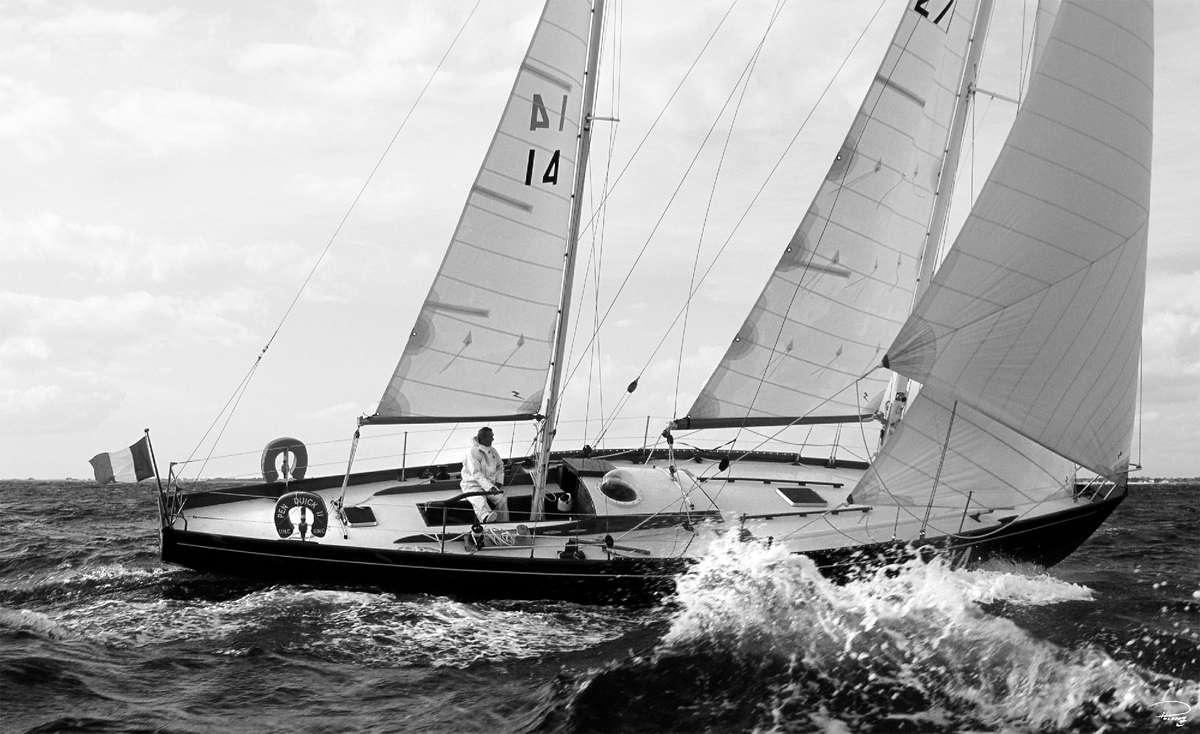
Single-handed ocean racing began in Plymouth with the Royal Western Yacht Club's OSTAR, and with men like Sir Francis Chichester. Then a French naval officer called Éric Tabarly turned up and beat the British at their own game. He won the OSTAR in 1964 and again in 1976, and France went wild.
My theory is that this was France's version of the space race. America had Neil Armstrong. France had Tabarly, a hero given a ticker-tape welcome. The skippers who followed were its test pilots, and a 32-metre foiling Ultim like Gitana 18 is the latest spacecraft.
Marcus liked the analogy, with one correction. The pioneers matter more than the hardware. "People like Loïck Peyron [are] infinitely more important," he said, "because they were pioneers."
What began with test pilots is now a profession. "It's a career path and it's a legitimate career," Marcus said. In Britain, tell someone you're an offshore racer "and they look at you like you've got two heads." In France nobody blinks.
Built by the state, sold by the newspapers
Tabarly arrived at the right moment. In the 1960s France was building ports and marinas along its coast, and it needed something to put them on the map. "This is state money," Marcus stressed. Unlike Britain, France had no racing tradition to draw on. "Yachting was what the Brits did when they went to the south of France," he said. "The French were too busy fishing and fighting wars."
The press did the rest. French newspapers are regional, not national. Marcus compares Ouest-France to "the Southern Evening Echo, but spread over the whole south coast". It is the biggest paper in the country, and every local paper wanted a local sailor to photograph.
Then there was Le Figaro. France shuts down in August and nobody buys a paper on holiday. So in 1970 the paper created its own solo race. "Some bright spark said, you know what, let's make the news," Marcus said. Holidaymakers in their deckchairs couldn't wait for the next day's paper. That race became the Solitaire du Figaro, which most of this year's Route du Rhum skippers have sailed.
Quality is quantity
In TP52s, SailGP and the America's Cup, quality means refinement. Everything is polished to the nth degree. Marcus says the French see it differently. "The French concept of quality is quantity," he said.
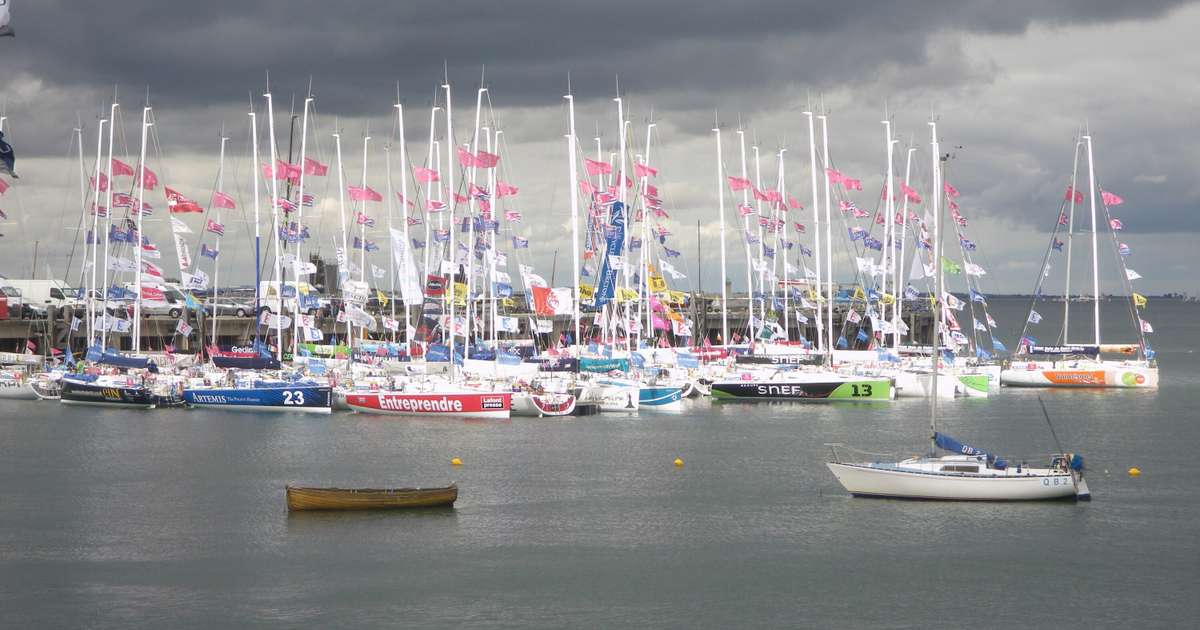
The Ocean Race fields superb boats and crews, but often only four or five of them. "It's not a good look," Marcus said. The Route du Rhum has 115 boats, and the Class40 division alone can have more than 50.
The super-rich teams are only a fraction of that fleet. "About half of the fleet is on the smell of an oily rag," he said, still laminating parts the night before the start. A British race committee might frown on that. In France, "it's all part of the show".
Why November?
Why send a solo fleet across the Bay of Biscay in storm season? Storm Austin closed the race village last Friday with gusts of around 80 knots.
The first reason is the Caribbean. Until hurricane season ends, you can't get insurance to sail a boat into the islands. The second is the public. The start always falls during the two-week school half-term, when parents need something to do with the children. "Let's take them to the race village," as Marcus puts it.
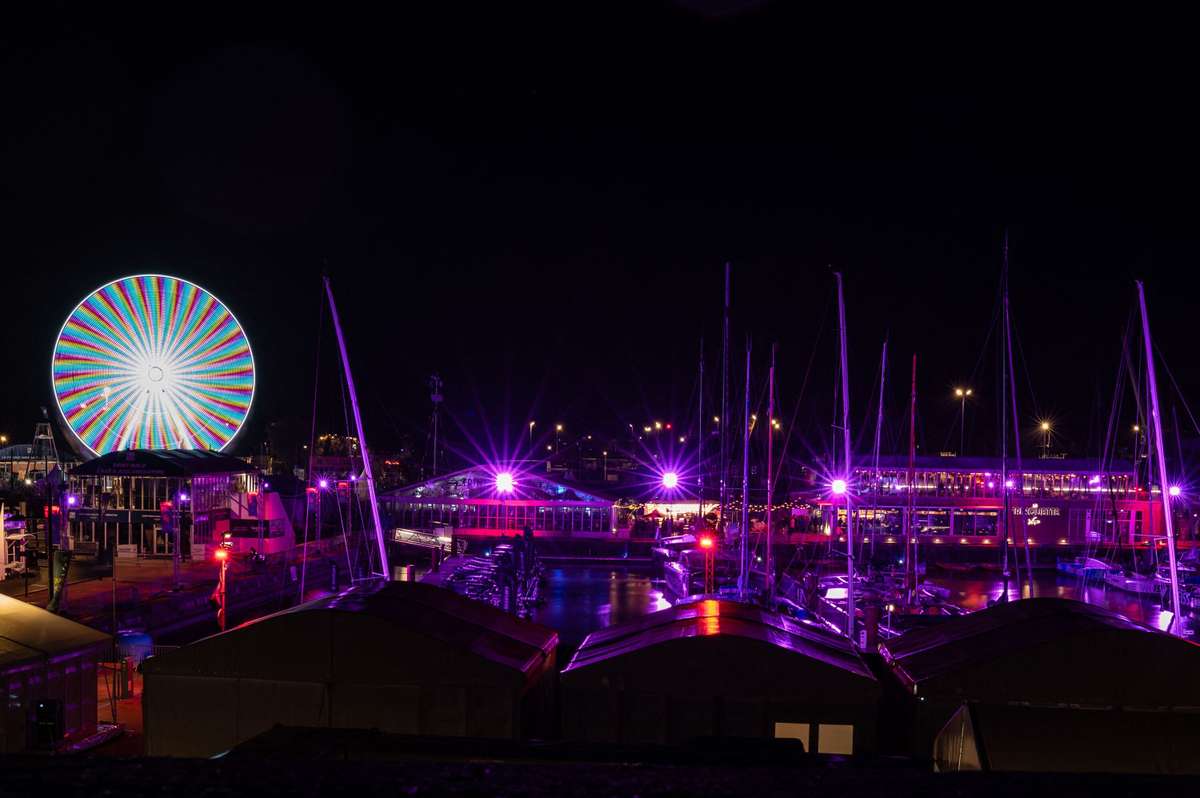
The village is a festival in its own right, with concerts, restaurants and special high-speed trains running to Saint-Malo.
The bank that owns sailing
British sailing had its sponsorship heyday in the 1980s, when tobacco and alcohol brands filled the Whitbread fleet. When those brands were banned, the money went. France turned its early, half-tolerated sponsorship into something durable.
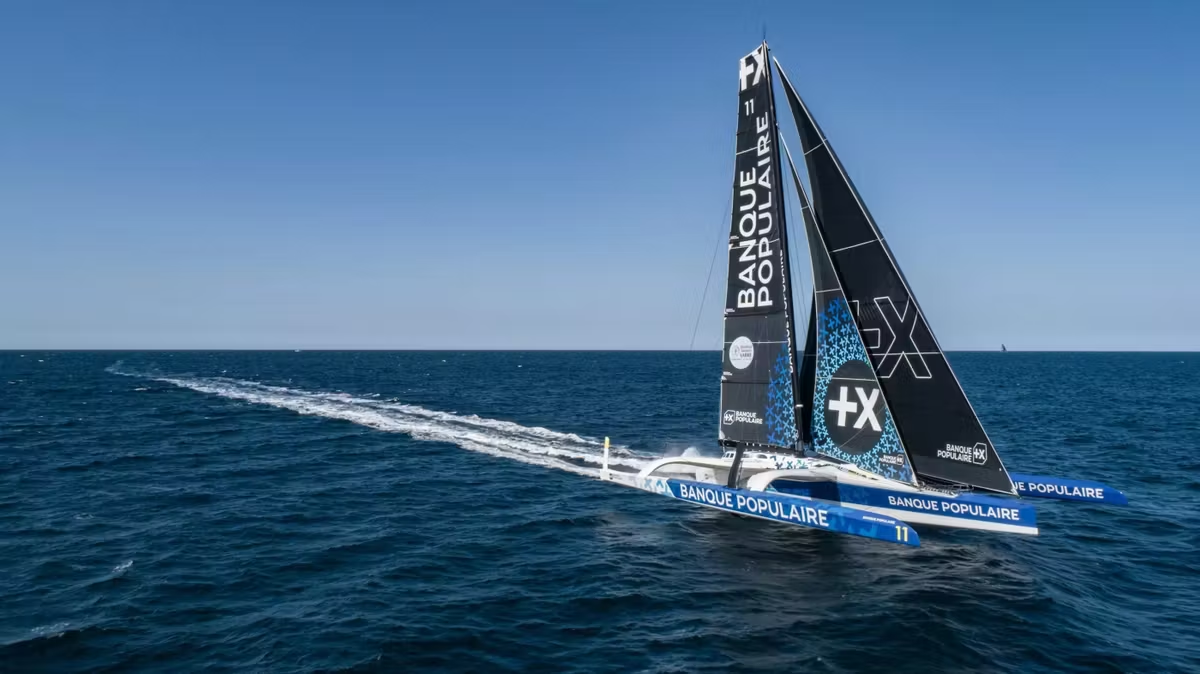
Today, Marcus says, "all of the banks in France have divvied up the sporting arena amongst themselves." Banque Populaire took sailing. "They're the sailing bank," he said.
The returns can be extraordinary. When the food company Sodebo began backing Thomas Coville in 1998, 9% of French people knew the brand. Today the figure is 98%.
"It didn't happen overnight," Marcus warns. Nor is it a meritocracy. Thomas Ruyant, the last IMOCA winner of this race, couldn't find a sponsor this time. "It's very much about your ability to sell yourself," Marcus said.
Bigger than the Vendée Globe?
I had always assumed the Vendée Globe was the summit of French ocean racing. Marcus disagrees. The Vendée has about 40 boats and the Route du Rhum has 115. "In terms of cash weight of investment of boats and sponsorship," he said, "it's significantly bigger than the Vendée Globe."
The Vendée has its own advantage: it tells a story for three months as the fleet goes round the world. The Route du Rhum is a sprint, and the Ultims may reach Guadeloupe in under six days.
Because it comes round every four years, Marcus says each edition is a snapshot of where the sport stood. The first, in 1978, was won by Mike Birch in a 38-foot trimaran. This year's favourites are foiling 32-metre Ultims. On Sunday, at 13:02 French time, we will see what the next snapshot looks like.
Follow the Route du Rhum all week on thefoil.com and @wearethefoil.
Topics
Articles You Might Be Interested in
Who’s hurting and who’s leading 24 hours into the Route du Rhum
The sweeper of the Atlantic
Things that go bump in the night: Gitana 18 skipper Caudrelier on risk at 40 knots (Pt. 5/6)
How Gitana 18’s skipper learned to sleep (Pt. 4/6)
Loïck Peyron on the night Fujifilm fell apart
Why Gitana 18 is in the hands of a Figaro man, not an Olympian (Pt. 3/6)
Route du Rhum runners and riders: Vintage Mono



Member Discussion