

Russell Coutts calls time on SailGP’s veterans, but age is the wrong target

SailGP’s chief executive reckons sailors in their late 40s and 50s shouldn’t be racing F50s. On episode 43 of The Foil Podcast, Andy Rice and Freddie Carr argue the real problem is access, not age – and ask whether the new Pensacola training base will change who gets a seat.
It’s not every day a sports league picks a fight with its own talent. But that’s more or less what happened when Russell Coutts gave an interview with SailGP to talk about crew depth.
“There is a good number of hugely talented, young athletes, both male and female, capable of competing at the top level,” said Coutts. “We shouldn’t be seeing top athletes in their late forties or early fifties racing on these boats. You’d never see that in Formula 1 or most other professional sports.”
In case anyone missed it, SailGP made that line the headline of its social media post.
The interview grew out of the US team’s scramble before Geneva. Driver Taylor Canfield was injured, then nominated reserve Harry Melges IV got hurt too, leaving Martine Grael with just a few days to learn the Americans’ playbook. Coutts’s bigger complaint was that too few teams have anyone credible ready to step into a key seat at short notice.
On this week's podcast, Andy Rice and Freddie Carr picked the argument apart. Both ended up in much the same place: the age of the sailors on the boats isn’t really the issue – the bigger question is who gets anywhere near the boats in the first place.
An access problem, not an age problem
Andy doesn’t buy the idea that SailGP has an age problem. “I can fully understand why sailors who have the most experience, and therefore in many cases are the older sailors, want to protect their positions,” he says. “They’re in a privileged position.” The harder thing is for a younger sailor to get a foot in the door at all.
And the man doing the complaining is the one best placed to fix it. Coutts rarely misses a chance to make the point. “I’ve asked him one question about one topic and he’s answered by saying, ‘But what we really need is more young sailors in SailGP,’” says Andy. If the league really wants change, Andy argues, it could simply require one or two of the six crew to be under a set age – 25, say, or 30.
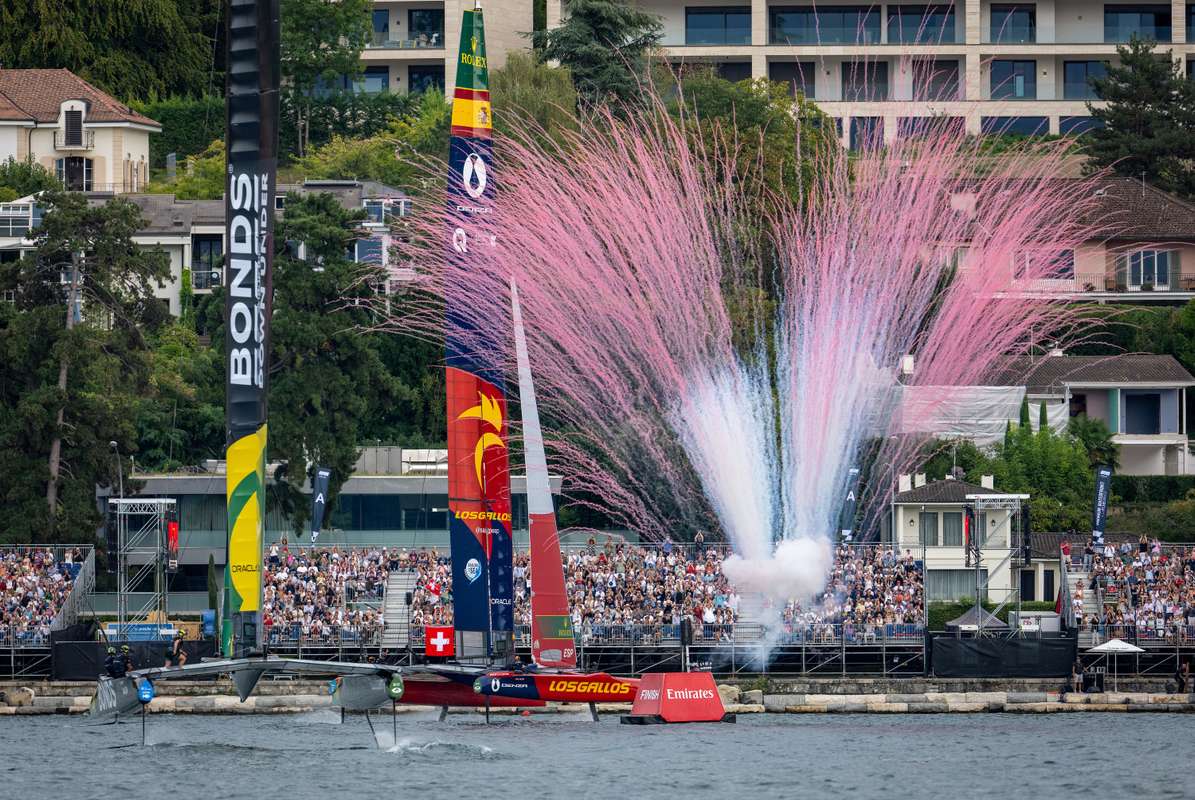
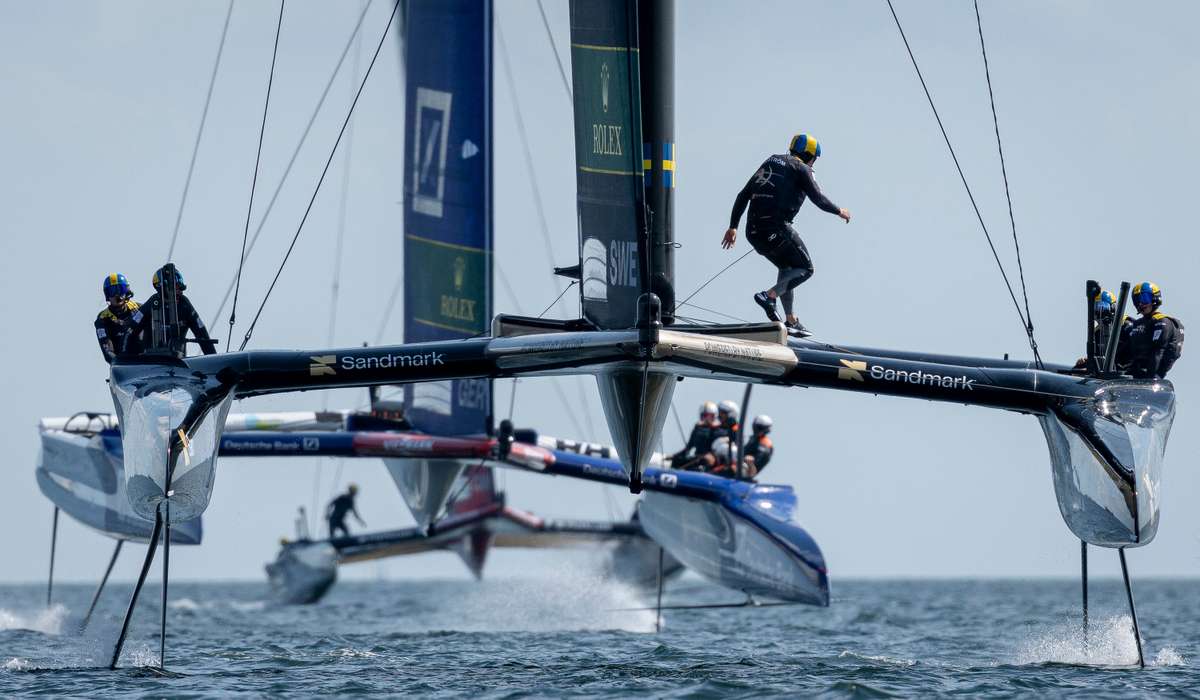
The numbers don’t always make Coutts’s case for him, either. Los Gallos, at the young end, average around 30. The Flying Roos average just under 38, with 42-year-old Tom Slingsby driving. So the two teams setting the standard in SailGP this season sit at opposite ends of the age range. Los Gallos were the youngest team the league had seen when they debuted in Season 2 and went on to win Season 4. That is a strong case for youth, and the Australians are an equally strong case for experience.
Andy also sees the blockage working in the other direction. A Spanish sailor hoping to break in faces a young, settled squad that could hold its seats for a decade. Swapping old crews for young ones would move the bottleneck without removing it.
Experience is the edge
Freddie draws a line between age and experience. Younger sailors may well react faster, he concedes, but “what is more important than that factor is recognising the situations that you’re about to go into on the racecourse. And that is where the experience comes in.” Given the choice, he’d take a sailor with 200 SailGP races under their belt over a gifted rookie in their first season, and that judgement carries over into the decisions made ashore too. Coutts may point to Formula 1, but Freddie sees sailing as a different beast: “Sailing is unique in itself… it rewards experience more than any other sport I know.”
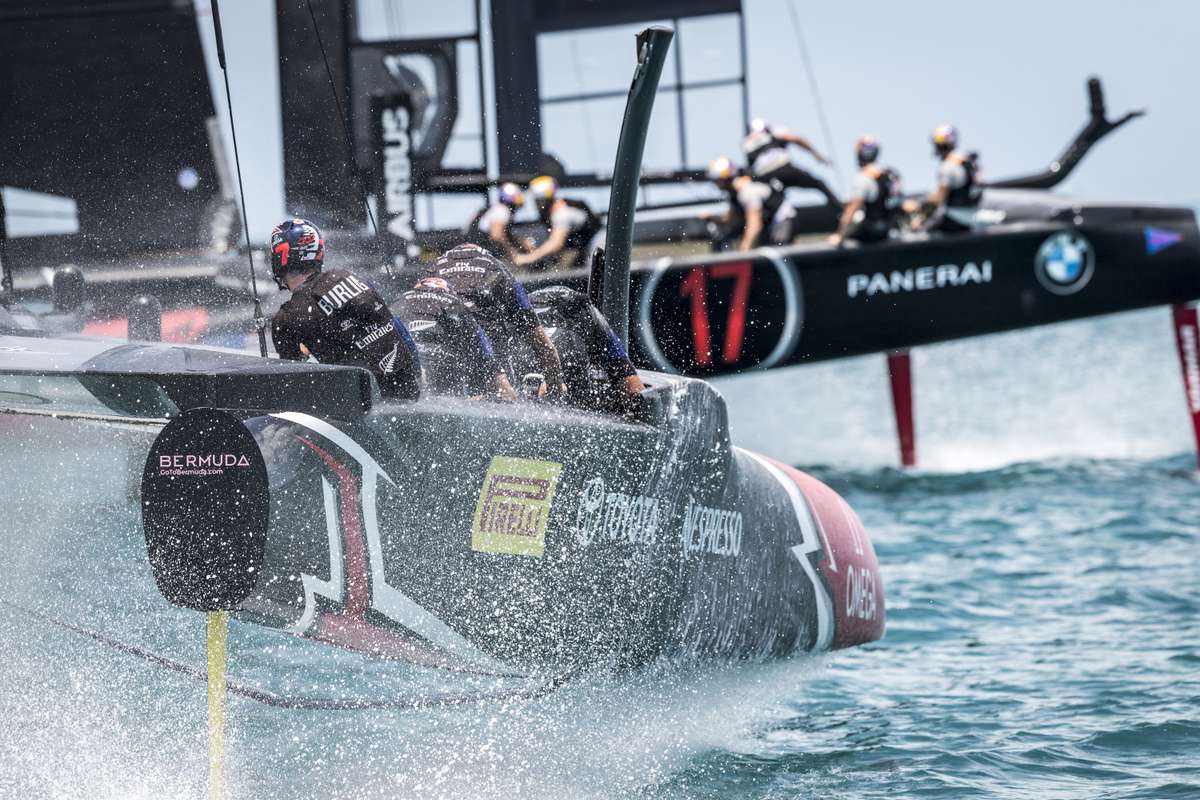
Much of the current generation’s edge goes back to the AC50 campaigns for the 2017 America’s Cup in Bermuda, where those sailors racked up their hours. Nicolai Sehested and Diego Botín, neither of whom was part of that cycle, prove it can be done later. But the question remains: how does a young sailor get enough meaningful F50 time for a team to trust them with a seat?
Read that way, Coutts’s comments are a nudge to sporting directors and CEOs to picture their teams five to 10 years from now. And here’s the provocation: today’s sailors are comfortable. Not in the sense that they escape the heat when they underperform, but because nobody outside the team is breathing down their necks for their seat.
Merit, quotas and a circular argument
The most heated exchange during the podcast came over selection. Freddie wants to watch the best sailors in the world race, and right now the best F50 sailors are the most experienced ones. Andy’s comeback: “We don’t know who the world’s best sailors are, because a lot of them aren’t getting a look in right now!” Judging talent only by those already on the boats just keeps the same names in the frame.
Team Korea once took a punt on Nathan Outteridge and Peter Burling before either had made their names, and the sport could do with another team willing to do the same. Freddie agrees there’s a ceiling on getting into this world, but he’d still rather see selection on ability than a quota, with under-25s getting enough hours to be the leading names a decade from now.
Sponsors want results this season
What makes all this so hard is the money. Freddie sets himself a hypothetical. With unlimited budget and no sponsor demanding instant success, he’d hand Marco Gradoni a five-year contract, write off two seasons as learning and surround him with experienced sailors. With a sponsor who wants to win next year, he’d be on the phone to the old guard. Finishing last with the youngest average age isn’t a story many partners will buy.
Artemis, who joined the league this season, are the immediate-results model in action. The second-oldest team in the fleet, less than a year younger on average than the Flying Roos, currently sit third on the leaderboard.
Coutts recognises the pressure himself. “The shareholders, sponsors and fans of these teams demand results,” he said. He also argues that professional owners should expect squads deep enough to cover illness and injury, and should be investing in finding the next generation. In other words, teams are being asked to do both from the same budget.
Pensacola: a seat earned on data?
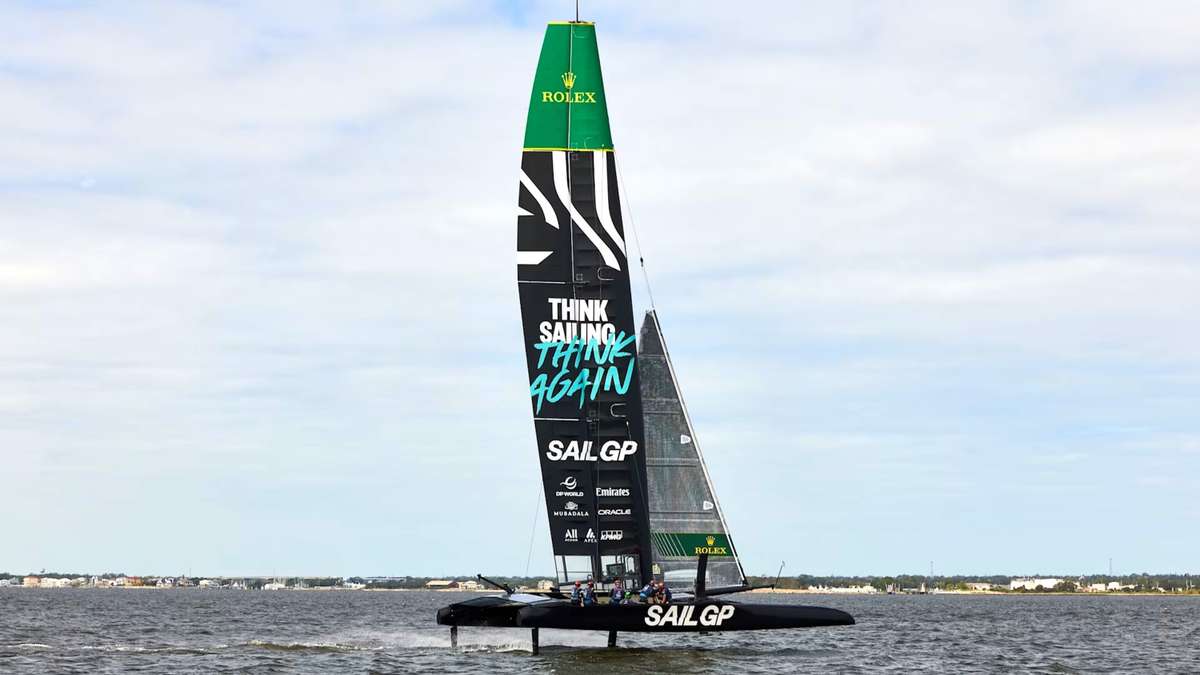
SailGP opened its training base at American Magic’s facility in Pensacola on Monday. For the first time, teams can book and pay for F50 time away from race weekends. Coutts laid out the thinking in the same interview: “It will allow the training of new athletes which will also put pressure on existing athletes that haven’t been performing to start performing.”
Freddie gave an idea of how this might play out. A team swaps a veteran wing trimmer for a newcomer during a week-long camp. If the data shows the newcomer hitting setup targets, holding the roll more consistently, making the boat faster and communicating well, then the seat changes hands on evidence, not seniority. The obvious caveat is that lining that sailor up against the rest of the fleet in shifty breeze on a race weekend is where experience still counts.
So age alone shouldn’t rule out a sailor who’s still winning, and on current form the Flying Roos have nothing to apologise for. Newcomers, meanwhile, need real time on the real boat to build experience and mount a credible challenge. A youth quota won’t give them that, but access might.
Which leaves the question Andy raised: how much of that time will teams spend on this season, and how much on the next? A full day on the Pensacola F50 doesn’t come cheap, and teams will want a return on every hour they book. With events looming, a light-wind day in Pensacola that looks like the conditions expected at the season finale will likely go to the first-choice crew of six. The real test is whether the breezy days go to the reserves and the next generation – or whether teams spend every booked hour chasing this season’s points.
Articles You Might Be Interested in

No fuel, no engine: how Ferrari Hypersail powers itself (Pt. 3/7)

Three legs and an electronic brain: how Ferrari Hypersail will fly (Pt. 2/7)
From partners to opponents: inside the North Sails–Team New Zealand patent battle
Freddie Carr: Why Pensacola could change SailGP for good
Emirates GBR and Team 14 claim first slots on SailGP’s Pensacola training F50
Inside the Batmobile: a first look at Ferrari Hypersail

SailGP’s year-round training base is about to open for business



Member Discussion