
The Sardinia Cup: The Mediterranean’s great team racing revival

There are certain regattas in sailing that carry weight far beyond the silverware.
The America’s Cup sits in its own universe. The Admiral’s Cup built its reputation as offshore yacht racing’s unofficial world championship. And tucked just beneath those giants sits an event that, for those who know, has always carried genuine pedigree: the Sardinia Cup.
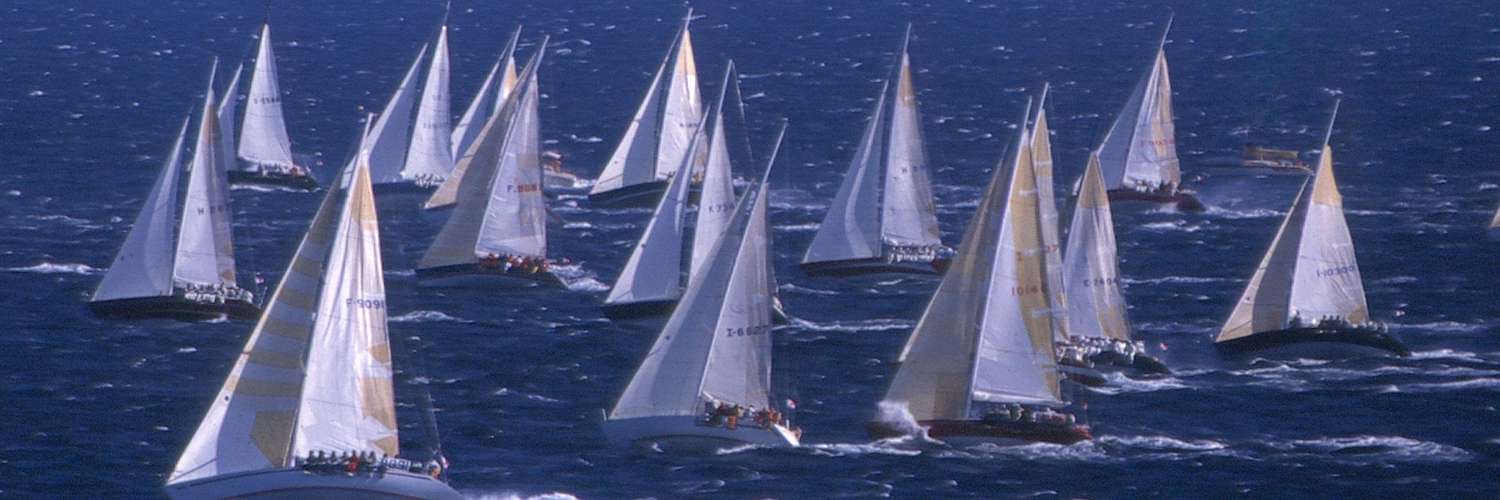
For much of its life, the Sardinia Cup was the Mediterranean’s answer to the Admiral’s Cup – a fiercely competitive international team regatta that brought the world’s leading yacht clubs to Porto Cervo to battle it out in one of the sport’s most spectacular venues.
First launched in 1978 by the Yacht Club Costa Smeralda, the event was born during offshore racing’s golden era. This was a time when big international team competition genuinely mattered. Owners built campaigns around rating rules, yacht clubs carried national pride, and the world’s best sailors moved between the America’s Cup, the Whitbread and the leading offshore circuits in pursuit of silverware.
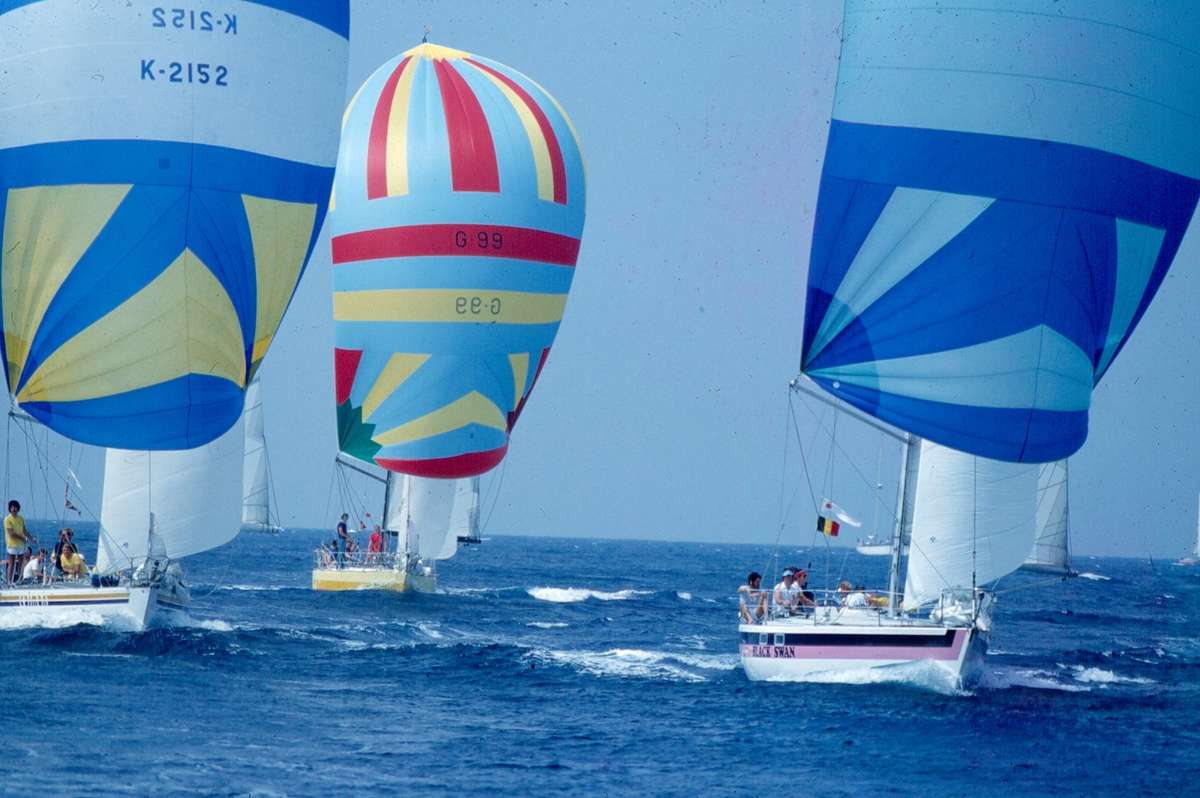
The format was familiar to anyone who followed the Admiral’s Cup. Yacht clubs competed as teams, fielding multiple boats across a programme that blended offshore and inshore racing, with overall success built on consistency rather than individual brilliance. It was never about one superstar owner turning up with the fastest boat. It was about depth, teamwork and getting a collective result across a demanding week of racing.
And then there was Porto Cervo.
Few venues in sailing combine racecourse quality and atmosphere quite like the Costa Smeralda. The geography around northern Sardinia creates a race area that is both tactically demanding and visually extraordinary. The Mistral can produce proper pressure and sea state, while the island geography often introduces a more nuanced tactical layer that rewards sharp decision-making and local awareness. Add in the unmistakable Yacht Club Costa Smeralda hospitality and it is easy to understand why the event quickly became a favourite among the sport’s elite.
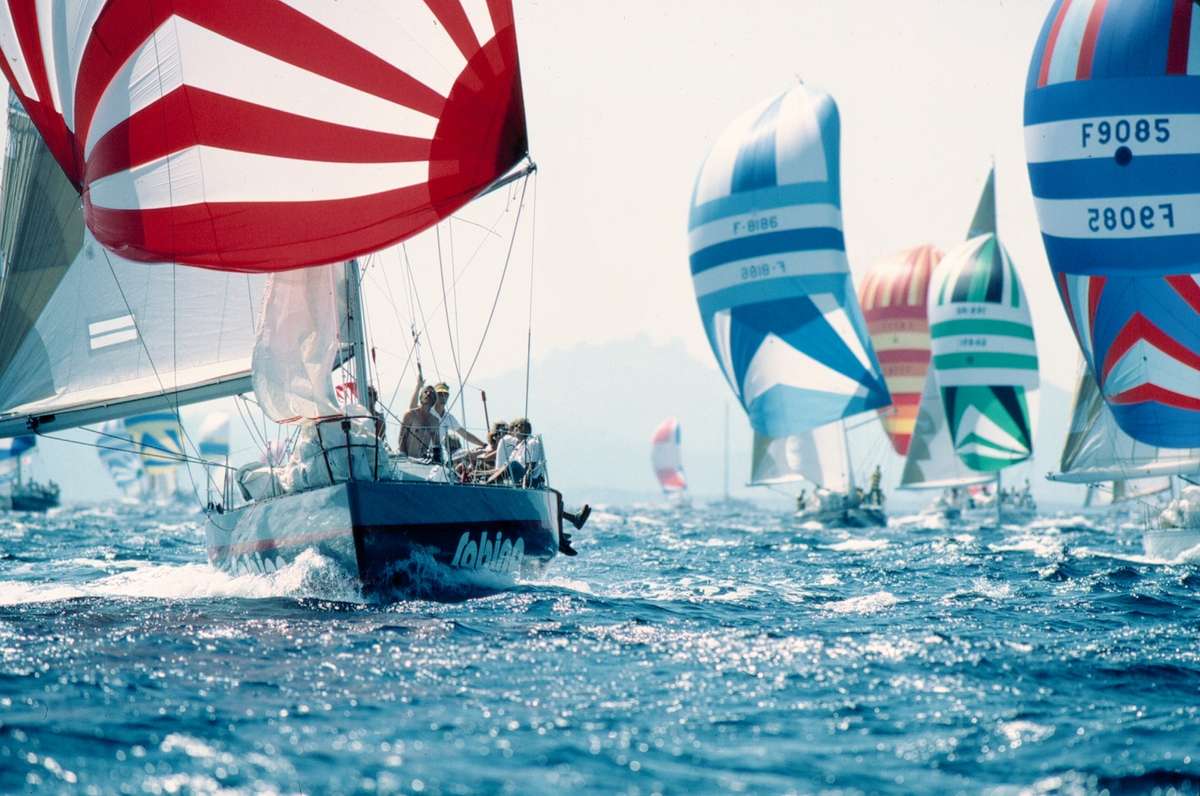
Through the 1980s and 1990s, the Sardinia Cup established itself as one of the most respected team events in offshore sailing. America’s Cup sailors, Whitbread veterans and the leading grand prix owner-driver programmes all passed through Porto Cervo. Like the Admiral’s Cup, the event evolved with the rating rules of the day, moving through the IOR and IMS eras as yacht design and campaign sophistication accelerated.
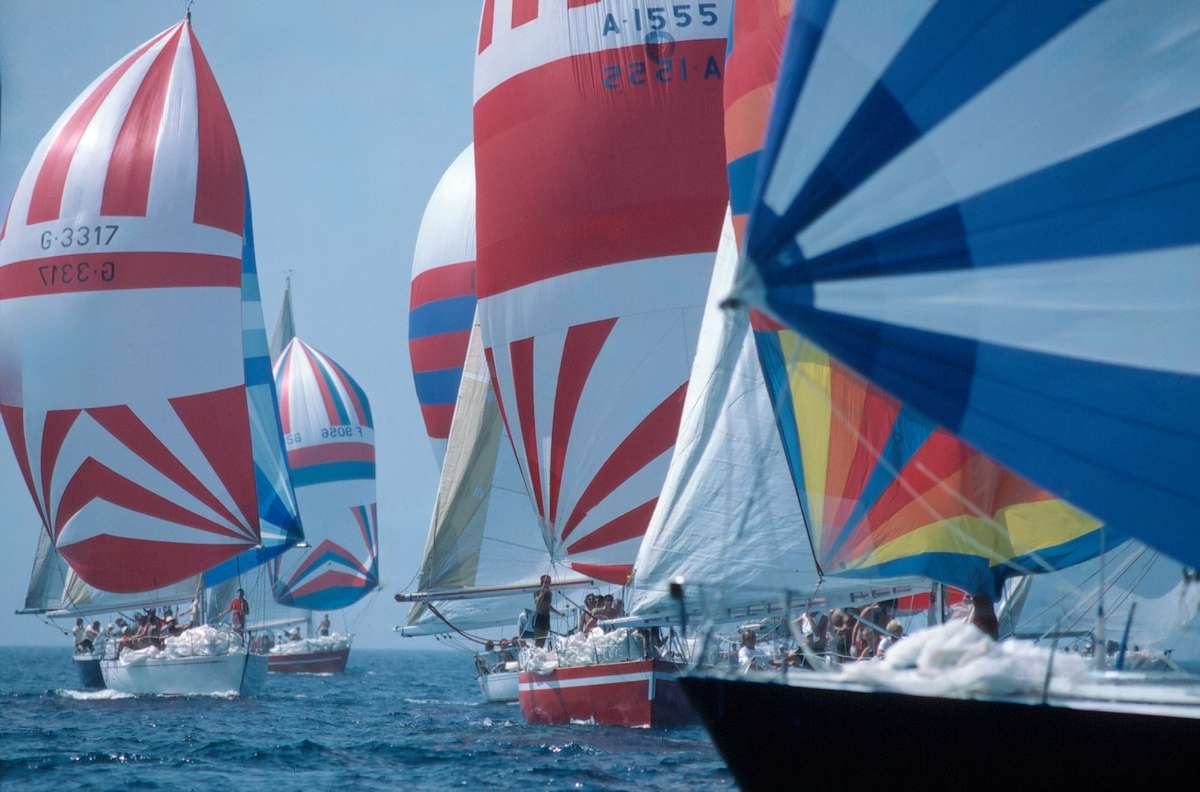
But like so many of sailing’s traditional team events, the Sardinia Cup eventually found itself fighting against a changing landscape.
The rise of owner-focused grand prix circuits, one-design racing and increasingly fragmented professional sailing calendars made large-scale handicap team competitions harder to sustain. Talent dispersed. Budgets moved elsewhere. And by 2012, the Sardinia Cup quietly slipped from the calendar. For a while, it felt like the end of a certain type of sailing.
Because what events like the Sardinia Cup represented was something quite specific: proper yacht club team competition. Not franchise sport. Not made-for-broadcast formats. But teams representing institutions, countries and genuine sailing communities.
Which is exactly why its return now feels so relevant.
The 2026 edition has drawn a properly international fleet, with ten yacht club teams already on the entry list, underlining just how much appetite remains for this style of competition.
The confirmed teams currently entered are:
- Bayerischer Yacht Club (Germany) Red Bandit / NeoMind
- Circolo del Remo e della Vela Italia (Italy) Lisa R / Kuka
- Royal Ocean Racing Club (UK) Ino Veritas / Garm
- Royal Ocean Racing Club Gold (UK) Jolt 3 / Rán
- Turkish Offshore Racing Sports Club (Turkey) Albator 3 / Chacal
- Vela Club Portocivitanova (Italy) XIO / BeWild
- Yacht Club de France (France) Spirit of Lorina 2 / Raving Swan
- Yacht Club Rimini (Italy) Blue / WB IX
- Yacht Club Repubblica Marinara di Pisa (Italy) Rocket Nikka / Nola
- Yacht Club Costa Smeralda (Italy) Django WR / Django JP
That entry list alone tells its own story.
This is not a nostalgia project. This is a serious fleet, packed with proven owner-drivers, modern IRC weapons, TP52 pedigree, Wally Rockets and some genuinely world-class afterguards. Peter Harrison’s Jolt 3, Niklas Zennström’s Rán, James Neville’s Ino Veritas, Roberto Lacorte’s Rocket Nikka and the home club’s formidable Django pairing give the event immediate credibility.
The structure itself feels entirely in tune with the current appetite for traditional team competition. Two-boat yacht club teams, IRC racing and a clear emphasis on collective performance rather than individual results create a format that feels both familiar and refreshingly purposeful.
The timing is no coincidence. With the Admiral’s Cup also returning and offshore team racing enjoying something of a renaissance, there is a sense that sailing is rediscovering the appeal of formats that reward depth, teamwork and consistency.
And perhaps that should not be a surprise. For all the innovation in modern sailing, there remains something deeply compelling about yacht clubs going head-to-head with their strongest line-ups, racing not just for personal success but for collective pride. That was always the Sardinia Cup’s appeal.
The rebirth of the Sardinia Cup is arriving with plenty of ambition. The regatta consists of an offshore race carrying double points, two coastal races set against some of the most spectacular scenery in world sailing and four windward-leeward races.
If the forecast holds, the fleet can also expect plenty of breeze, with the offshore in a mistral, adding another layer to the challenge. It promises to be a genuine test for both the professional crews and the boats, with versatility likely to prove just as important as outright speed.
Articles You Might Be Interested in
Three legs and an electronic brain: how Ferrari Hypersail will fly (Pt. 2/7)
Django 7X edges out Balthasar for Rolex Middle Sea Race overall win
Grigio and Giallo: Up close with the finished Ferrari Hypersail hull (Pt. 1/7)
The week in racing - 19 Oct ’26
Inside the Batmobile: a first look at Ferrari Hypersail
Why pro sailors dread the Middle Sea Race - Course Preview
Platoon Aviation’s consistency seals a classic 52 Super Series season
The week in racing - 12 Oct ’26



Member Discussion