
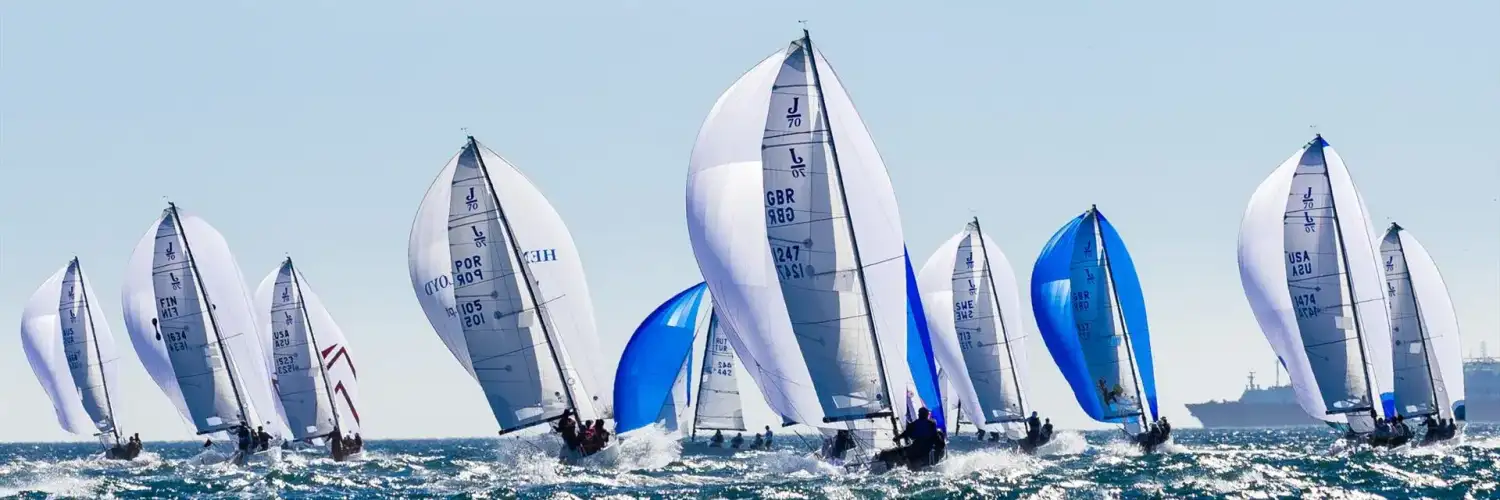
Freddie Carr: Oceanpact-Viking holds its nerve to win J/70 World Championship


The J/70 World Championship delivered exactly what you would expect from 100 boats racing off Cascais: brutal competition, big Atlantic conditions and a world title that remained alive until the final race.
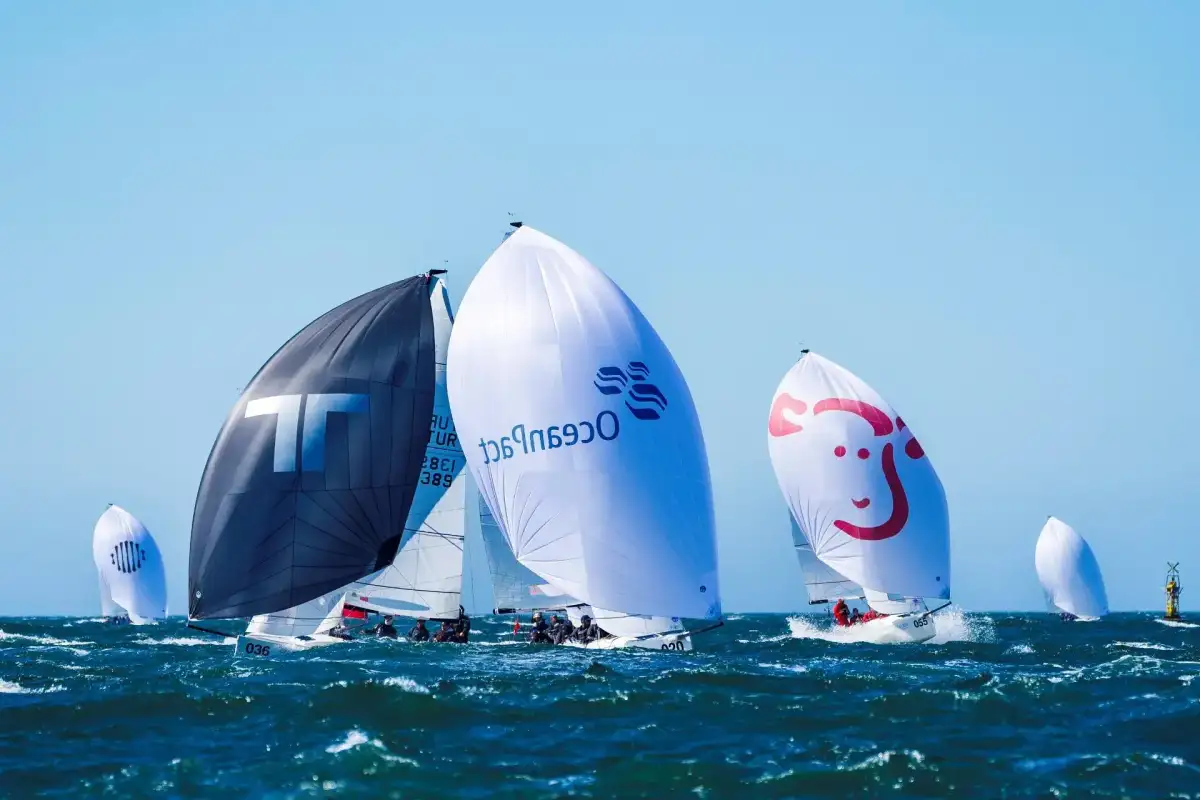
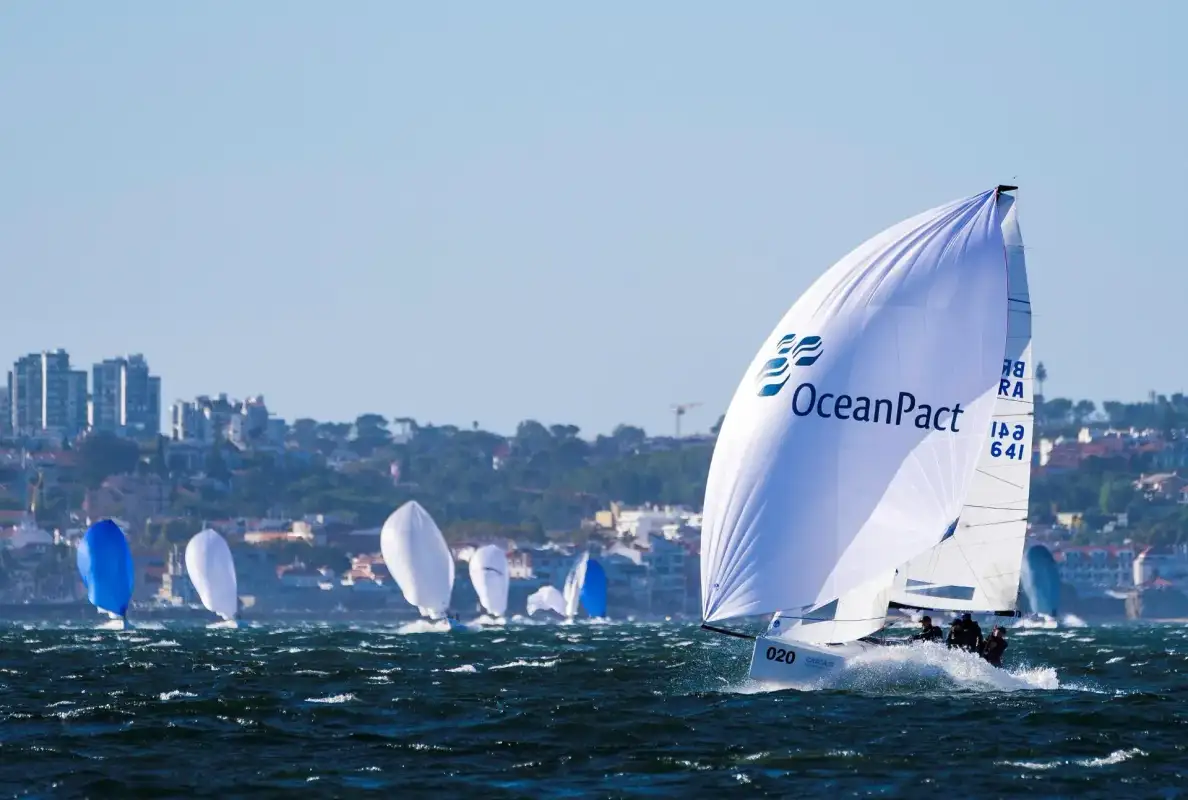
After five days and ten races, Brazil’s Oceanpact–Viking emerged as world champion. Haroldo Solberg, Mario Tinoco, Gabriel Silva and Spanish tactician Carlos Robles finished 16 points clear of Spain’s Marnatura, with John Heaton’s American team Empeiria completing the podium.
That final margin makes the victory sound more comfortable than it really was.
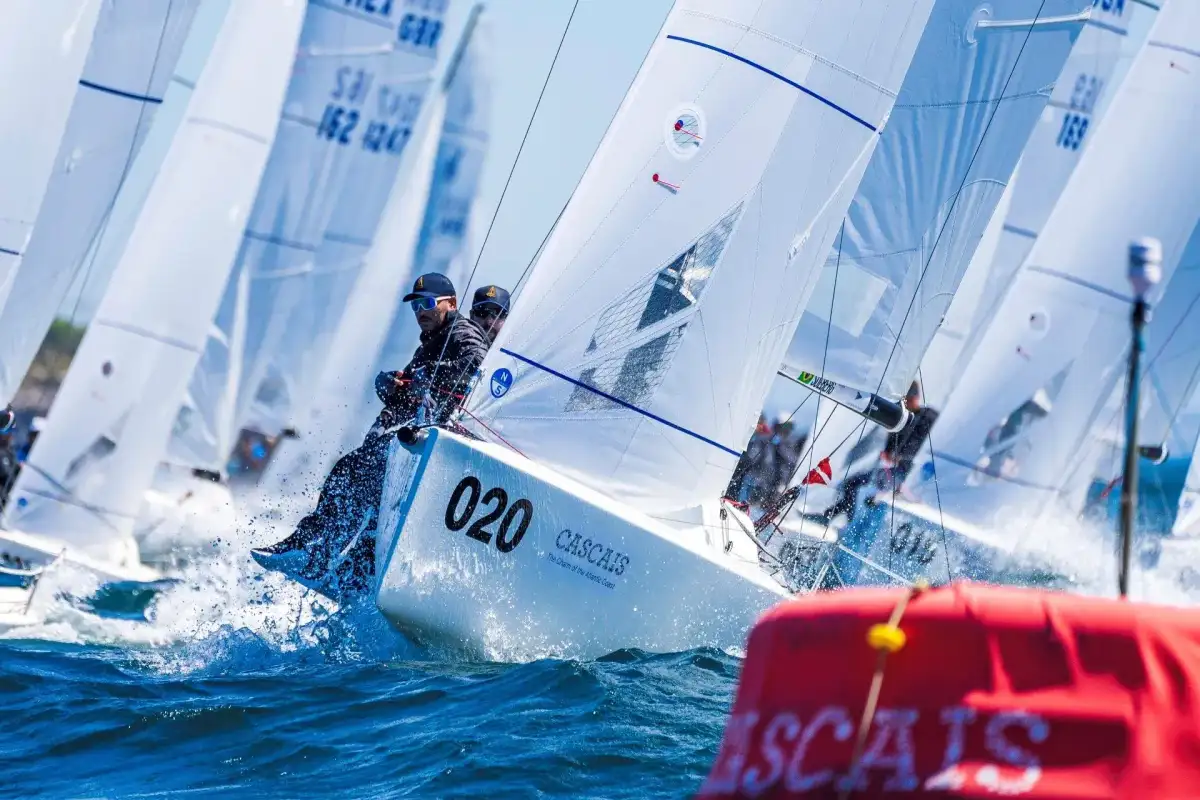
Pressure sailing
Going into the last race, Oceanpact–Viking led Empeiria by a single point. After four days of racing in everything from big breeze and Atlantic swell to lighter, shiftier conditions closer to the shore, the championship had effectively become a one-race shootout.
Neither of the leading teams enjoyed a clean final race. Solberg finished 21st, leaving the door open, but Heaton’s title challenge unravelled with a 48th. That allowed Oceanpact–Viking to secure the championship, while a brilliant third place from Luís Bugallo’s Marnatura lifted the Spanish team into second overall.
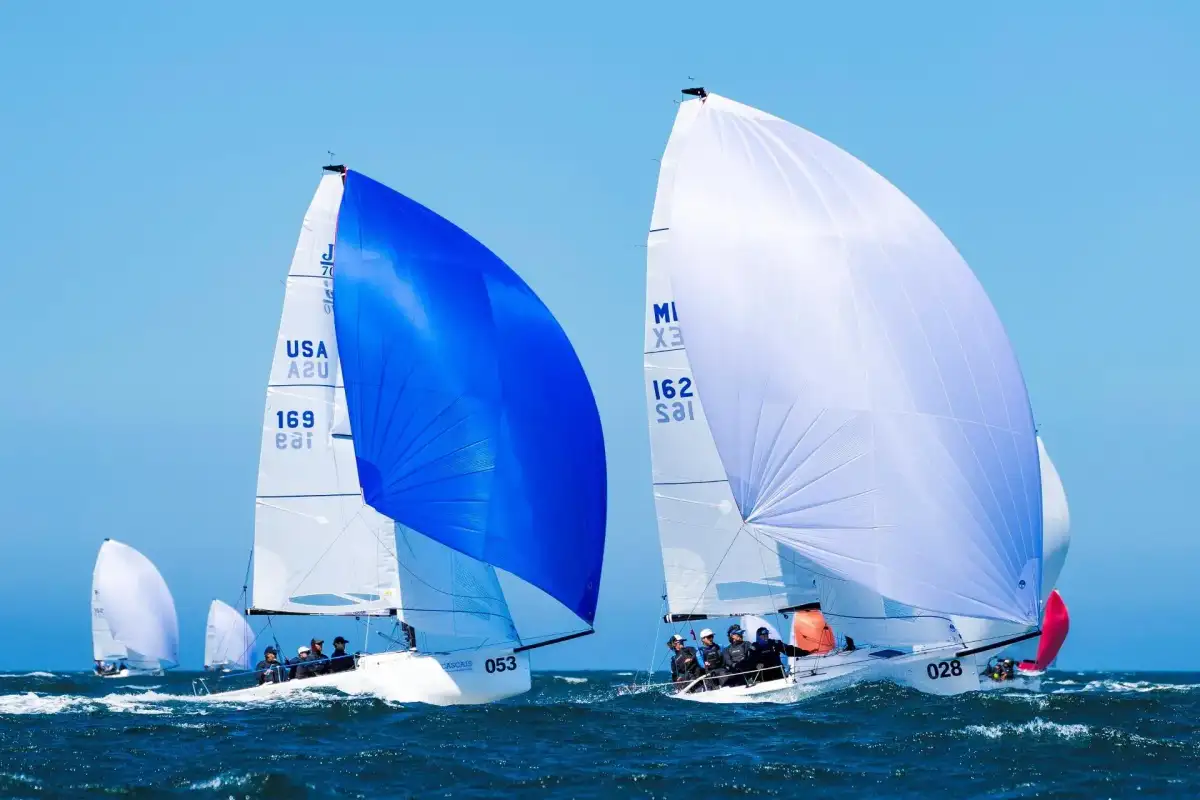
Staying in the fight
For Solberg and his crew, it was a victory built on consistency.
In a 100-boat fleet, even the best teams are going to take a few hits. There is simply too much traffic, too many compromised lanes and too much opportunity to find yourself on the wrong side of a shift. The key is limiting the damage – and Oceanpact–Viking did that better than anyone.
They opened the championship strongly, winning the second race and taking the early overall lead. When Marnatura moved ahead after a windy second day, the Brazilian team remained close. As the racecourse moved nearer the shore and the conditions became lighter and less predictable, Solberg responded with an eighth and a fifth to regain control of the championship.
That ability to remain competitive across very different conditions ultimately won them the title.
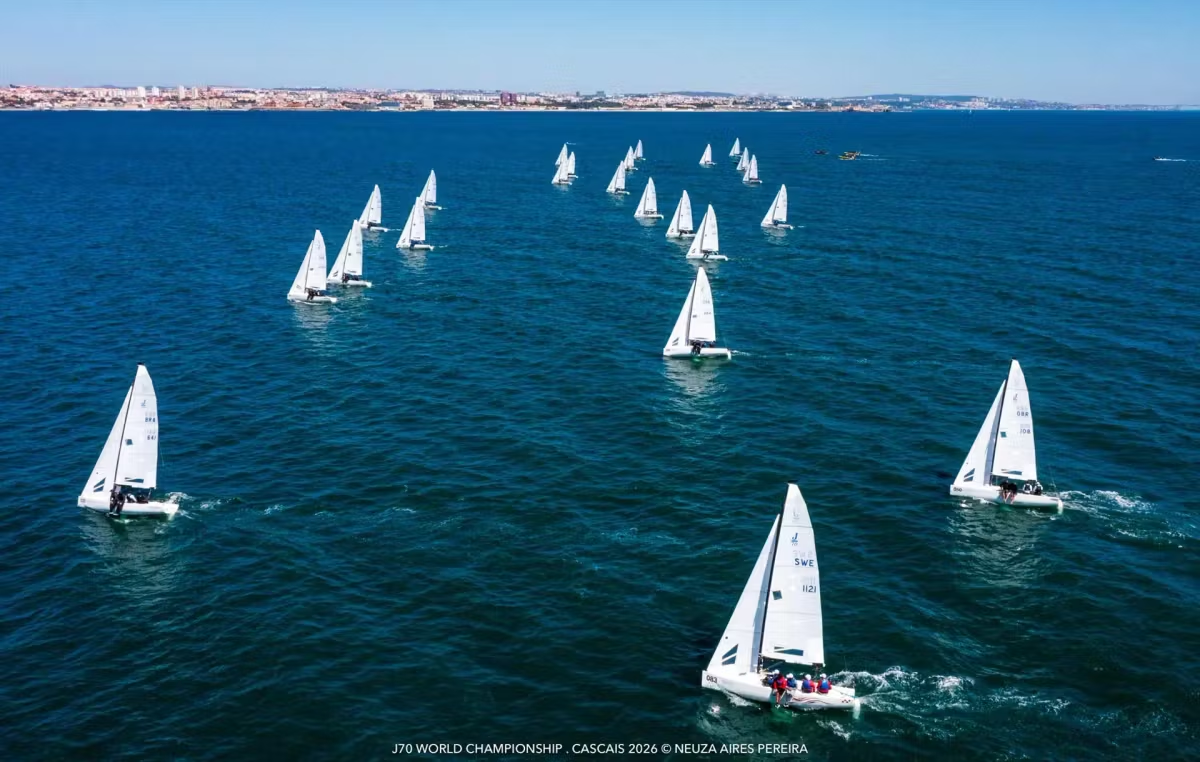
Swell offshore, shifts inshore
Cascais provided a proper examination. The strong northerly breeze and building Atlantic swell placed a premium on boat speed, downwind technique and clean crew work. When racing moved inshore, the swell reduced and the breeze became increasingly unstable, creating more opportunities – but also more ways to lose heavily. Oceanpact–Viking handled both versions of Cascais.
The contribution of Carlos Robles also deserves recognition. The Spaniard has now become the first sailor from his country to win the J/70 world title as tactician. In a fleet where gaining clear air and managing the traffic is often as important as finding the correct side of the course, his partnership with Solberg proved decisive.
Saving the best ‘til last
If Oceanpact–Viking produced the most complete performance of the week, Marnatura arguably delivered its biggest story.
Bugallo, sailing with Enrique Freire Faria, Yago Osuna García, Alfonso Crespo Rodriguez and Ignacio Albo, finished second overall while also becoming Corinthian world champion. To compete against – and beat – almost every fully professional programme at a 100-boat World Championship is an extraordinary achievement.
Marnatura briefly led the championship after scoring a fifth and a third in the stronger conditions. They then suffered when the racecourse moved inshore, but stayed in the contest and saved their best result of the closing day for the moment it mattered most.
Their third in the final race secured the silver medal and completed a hugely successful championship for Spanish sailing. Joan Cardona’s Yupi won the Mixed-Plus division, while Luis Albert’s Patakin finished seventh overall.
An unforgiving fleet
For John Heaton and Empeiria, the final result will inevitably be difficult to take. They had sailed themselves into a genuine opportunity to become world champions and began the final race just one point from the lead. But the J/70 fleet is unforgiving. One poor start, one difficult lane or one missed shift can turn a championship-winning position into a result deep in the fleet.
Their 48th dropped them to third, although a World Championship podium in a field of this quality remains an outstanding result.
Behind the leading three, Bruce Golison’s Midlife Crisis produced the performance of the final race. Golison found a different lane on the first run, sailed into clear pressure and turned it into what became a horizon job, winning by more than a minute and a half. That carried the American team to fourth overall, one place ahead of Douglas Rastello’s Good To Go.
Why the J/70 works
But the wider winner was once again the J/70 class.
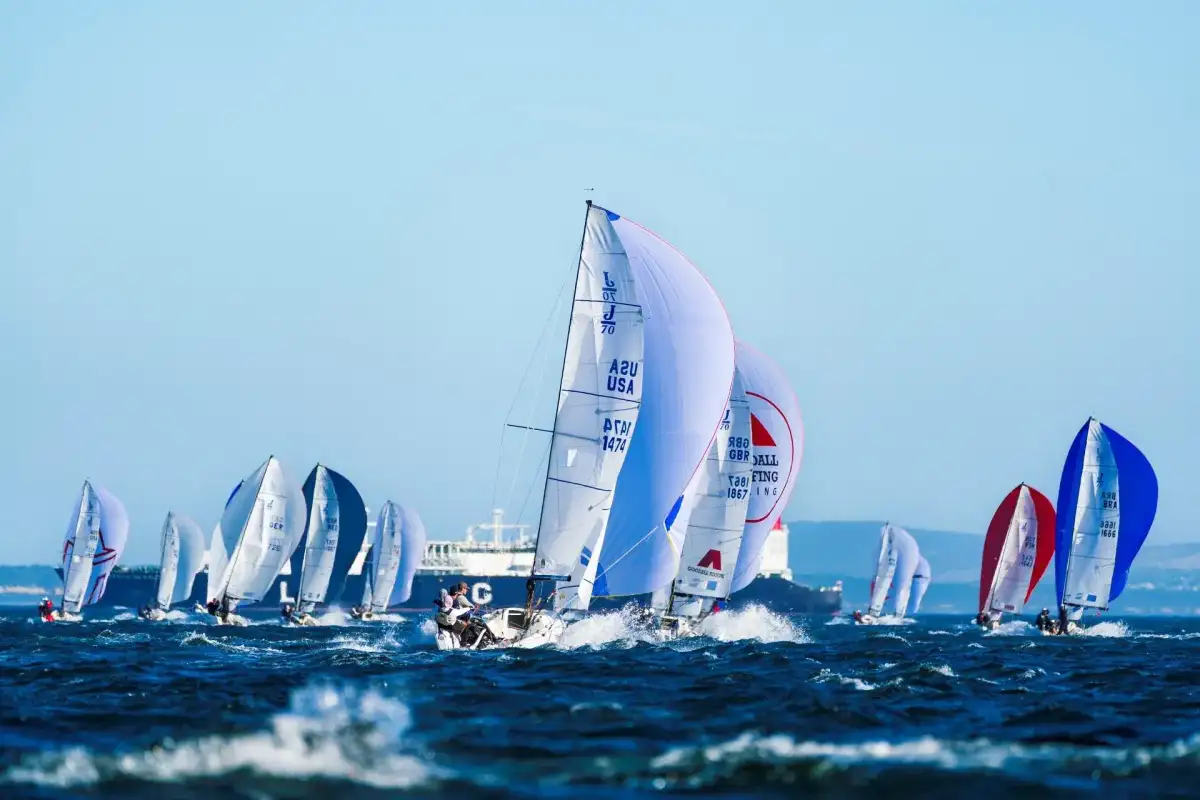
A fleet of 100 boats from 26 countries, racing ten races in one of Europe’s great sailing venues, is impressive enough. The more important point is the quality throughout that fleet. Olympic medallists, America’s Cup sailors, world champions and established professional teams were fighting for every metre – and some of them still found themselves buried in the middle of the results.
That is the appeal of the J/70. The boat is simple enough to attract a huge international fleet, but the racing is sophisticated enough to expose the smallest mistake. Starts, positioning, downwind modes and the ability to escape traffic all matter. There is nowhere to hide.
Oceanpact–Viking did not dominate every race in Cascais. They did something considerably harder: they remained consistently good across ten races in one of the deepest one-design fleets in the world.
And when the championship came down to one final race, they held their nerve.
Articles You Might Be Interested in
Two drivers down: Who steers the US at Geneva SailGP?
Freddie Carr: Leopard 3 and North Star III crown a Maxi Yacht Rolex Cup for the ages
The week in racing - 14 Sep ‘26
Freddie Carr: The America’s Cup’s founding document is now central to the fight over its future
Freddie Carr: Raw speed vs the clock – the Maxi Yacht Rolex Cup has never been harder to call
The week in racing - 7 Sep ‘26
Freddie Carr: Platoon take control in Lanzarote as the 52SS title race turns



Member Discussion